

Date: June 25, 2026
Location: The Persian Gulf
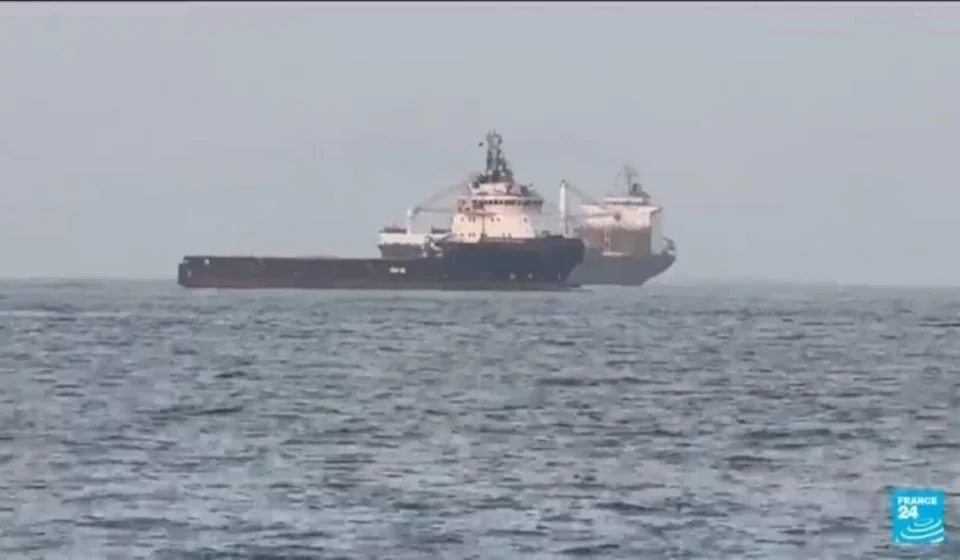
The international maritime community is facing a logistical and humanitarian emergency of unprecedented proportions. As of late June 2026, a significant number of commercial sailors remain stranded aboard vessels currently immobilized within the volatile waters of the Persian Gulf. According to reports surfacing this week, the process to safely extract these crews is expected to take several weeks, if not months, due to a complex intersection of geopolitical tensions, insurance liabilities, and the sheer technical difficulty of navigating high-risk maritime corridors.
Main Facts: A Standoff at Sea
The current crisis stems from a series of regional escalations that have effectively turned a critical global shipping artery into a "no-go" zone for many commercial operators. The vessels currently stranded are not merely facing mechanical issues; they are caught in a web of maritime blockades, security threats, and shifting international sanctions.
The primary challenge lies in the safety of the crew members. Many of these sailors have been aboard their respective vessels for months, exceeding the standard contractual periods set by the Maritime Labour Convention (MLC). Food supplies, potable water, and medical provisions are dwindling, raising urgent alarms among international labor unions and human rights observers. The "evacuation" in question is not a simple shore-transfer; it involves the coordination of naval escorts, neutral-flag vessels, and complex diplomatic negotiations to ensure that the process does not trigger further military confrontation.
Chronology of the Escalation
The situation did not emerge in a vacuum. The timeline of the current impasse traces back to the first quarter of 2026, characterized by a steady degradation of regional maritime security.
- January 2026: Initial reports of increased naval patrols and "interference" with commercial shipping in the Strait of Hormuz begin to surface.
- March 2026: Three major shipping conglomerates announce a temporary suspension of transit through the region following a series of unexplained vessel seizures.
- April 2026: A major maritime security coalition is formed, yet effectiveness remains limited as insurance premiums for vessels entering the Gulf skyrocket by 400%.
- May 2026: Several ships are effectively "abandoned" by their owners who refuse to pay the mounting insurance and security costs. The crews remain on board to maintain the integrity of the ships and their cargo.
- June 2026: Global pressure mounts as the humanitarian situation reaches a breaking point. International maritime agencies declare the situation a "Priority Alpha" event, leading to the current, albeit slow, evacuation planning phase.
Supporting Data: The Logistics of Stranded Assets
The scale of this crisis is reflected in the raw data currently circulating among maritime logistics experts. As of June 25, 2026, intelligence reports suggest that over 14 vessels are currently anchored in "limbo" zones.
- Humanitarian Impact: Approximately 320 seafarers are affected. Reports from the International Transport Workers’ Federation (ITF) indicate that over 60% of these individuals are currently suffering from mental health fatigue, and nearly 20% are reporting shortages of critical prescription medications.
- Financial Strains: The cost of keeping these vessels idle is estimated at $1.2 million per day, excluding the eventual cost of the rescue operations. The insurance sector, specifically P&I (Protection and Indemnity) Clubs, is currently embroiled in legal battles over who bears the financial burden for the rescue, as many policies do not cover "geopolitical gridlock."
- Technical Complexity: The vessels are currently positioned in shallow waters that prevent larger naval rescue ships from approaching directly. This necessitates the use of smaller, agile shuttle vessels, which increases the time required for the operation by a factor of four.
Official Responses: A Divided International Community
The diplomatic response has been characterized by a fragile balance between intervention and the risk of further escalation.
The Stance of the Maritime Coalition
The international naval coalition currently present in the region has issued a statement emphasizing that their primary directive is "security and observation," rather than active rescue missions. A spokesperson for the coalition noted, "We are facilitating communication channels, but the primary responsibility for the crew rests with the flag states and the vessel owners. We cannot act as a taxi service in a high-threat zone without explicit mandates."
The Position of Flag States
Several countries, whose flags the stranded ships fly, have expressed frustration. One major flag state official remarked: "We are being asked to foot the bill for a crisis created by regional geopolitical friction. We are calling for an emergency fund to be established by the International Maritime Organization (IMO) to ensure these sailors are not left as collateral damage."

Human Rights Advocacy
Human rights organizations have been less diplomatic. In a joint statement, a coalition of maritime advocacy groups accused the global shipping industry of "systemic negligence." They argue that the sailors have been treated as "disposable assets" and are calling for immediate humanitarian corridors to be established, overseen by the Red Cross or a similar neutral party.
Implications: The Future of Global Trade
The implications of this incident extend far beyond the immediate welfare of the sailors involved. The event is already forcing a structural shift in how global trade is conducted.
1. The Redefinition of "High-Risk" Zones
The definition of what constitutes a "high-risk" area is being expanded. Maritime insurers are now looking at including "indefinite geopolitical detention" as a standard clause in future contracts. This will inevitably lead to higher shipping costs, which will be passed on to the consumer, further fueling global inflationary pressures.
2. A Crisis of Crewing
The maritime industry is already facing a shortage of skilled seafarers. The events of 2026 are likely to exacerbate this trend. Experienced sailors are increasingly refusing to sign contracts that involve passage through the Gulf, leading to a potential labor shortage that could threaten the viability of the entire supply chain.
3. Diplomatic Precedents
This crisis serves as a blueprint—or a warning—for future maritime disputes. The reliance on civilian crews to maintain vessels during military or political standoffs is being questioned. There is a growing movement toward the automation of vessels to remove human risk, a shift that is being accelerated by the humanitarian failures observed in this current situation.
4. The Need for a New Global Framework
There is a consensus among maritime law experts that the current international framework for protecting seafarers is insufficient. The 2006 Maritime Labour Convention was designed for standard operational conditions, not for a scenario where geopolitical, military, and commercial interests collide to hold human lives hostage. The "Gulf Standoff" will likely be the catalyst for a new international summit on the safety of seafarers in conflict zones.
Conclusion
As the world watches the unfolding situation in the Gulf, the plight of these sailors serves as a sobering reminder of the human cost of global trade. The logistical challenges of the evacuation are immense, but the moral imperative is clear. The international community, ship owners, and regional powers must set aside their geopolitical grievances to ensure the safe passage of these men and women.
While the projected timeline of several weeks for the evacuation is technically sound, every day spent in limbo is a day too long for those on board. The world now awaits not just the safe return of these sailors, but a fundamental re-evaluation of the systems that allowed them to be forgotten in the first place. The era of assuming that the seas are always open for business is over; the future of maritime trade now requires a far more robust, human-centric approach to global security.