
The Battle of the Bird: A Comprehensive Price Analysis of KFC vs. Popeyes Spicy Chicken Sandwiches

While the fervor of the "Chicken Sandwich Wars" that dominated the late 2010s has simmered into a steady state of industry competition, the spicy chicken sandwich remains the crown jewel of the fast-food world. As major players like McDonald’s, Wendy’s, and even specialized chains like Raising Cane’s continue to refine their poultry offerings to capture the modern consumer’s preference for chicken over beef, two titans remain locked in a perpetual struggle for dominance: KFC and Popeyes.
For the value-conscious diner, the question is no longer just about flavor profiles or breading texture—it is about the bottom line. In an era of inflationary pressure and rising menu prices, understanding which chain provides the most "bang for your buck" is essential. To determine which of these giants offers the most wallet-friendly spicy chicken sandwich, we conducted a granular price audit across three diverse states—Florida, Indiana, and Idaho—to reflect a cross-section of national economic conditions.
The Core Data: Individual Sandwich Pricing
Our investigation began with the most basic metric: the standalone price of the spicy chicken sandwich at both KFC and Popeyes. By analyzing multiple locations across the designated states, we established a comparative baseline.
The results indicate that KFC holds a slight edge in raw pricing. On average, the KFC spicy chicken sandwich retails for approximately $5.12, whereas the Popeyes counterpart commands an average price of $5.65. While a $0.53 difference may seem negligible on a single transaction, the disparity highlights a broader pricing strategy.
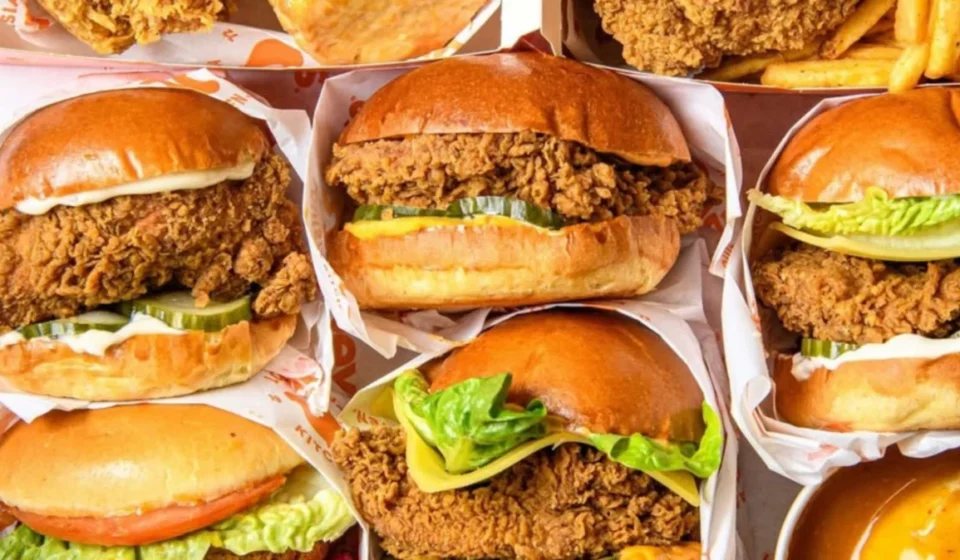
From a product perspective, both chains offer remarkably similar experiences. The sandwiches are comparable in size and assembly, both featuring a crispy, breaded chicken fillet, a signature spicy sauce, and pickles nestled on a brioche-style bun. Because the physical dimensions and quality profiles of the sandwiches are so closely aligned, the price difference essentially boils down to corporate pricing models rather than a discrepancy in product volume or ingredients.
A Brief Chronology: The Evolution of the Spicy Chicken Sandwich
To understand why these two chains are so heavily invested in this specific menu item, one must look at the timeline of the "Chicken Sandwich Wars."
- Pre-2019: The fast-food landscape was dominated by beef burgers, with chicken relegated to nuggets or standard, uninspired fried patties.
- August 2019: Popeyes Louisiana Kitchen launched its iconic fried chicken sandwich. The reaction was unprecedented; the item became a cultural phenomenon, selling out across the country within weeks and sparking a social media frenzy that forced competitors to pivot.
- 2020–2021: Realizing the threat, chains like McDonald’s and KFC accelerated their R&D departments. KFC launched its own revamped sandwich, specifically engineered to compete with the Popeyes standard, moving away from its traditional "Colonel" identity toward a more modern, premium-sandwich aesthetic.
- 2022–Present: The market has reached a state of "mature competition." With the novelty having worn off, chains are now focused on bundling, loyalty program integration, and pricing value to maintain market share.
The Combo Meal Advantage: Where KFC Pulls Ahead
While the standalone sandwich price favors KFC by a small margin, the gap widens significantly when considering full-meal combos. This is where the consumer’s choice becomes a matter of arithmetic.
At the locations surveyed, a Popeyes spicy chicken sandwich combo—which includes a side and a fountain drink—averages $10.49. In stark contrast, the KFC equivalent sits at a much more accessible $8.96. This $1.53 difference is substantial for a single lunch order, suggesting that KFC is positioning its combo meals as a more aggressive value play to attract the daily lunch crowd.
Furthermore, KFC has introduced strategic "snack-level" pricing to capture the low-end market. The "Spicy Snacker" sandwich, a smaller-format version of the standard sandwich, is priced at just $2.99. For diners who are budget-constrained, a "Snack Combo"—featuring two of these smaller sandwiches, a side, and a drink—averages $8.69. This allows KFC to offer a meal that is not only cheaper than the standard Popeyes combo but also provides a higher volume of food for a lower price point.
Large-Scale Bundling: Comparing Family Value
The value proposition becomes even more apparent when analyzing large-scale meal bundles designed for two or more people. This is a critical battleground for family-oriented fast-food dining.
Popeyes currently leans on its "Build Your Own Bundle" deal. This flexible offering allows customers to select three main items (such as sandwiches or tenders) and two sides. In our survey, this bundle averaged $21.66. However, it is important to note that this price does not typically include beverages, which can add a significant cost to the final ticket.
KFC, conversely, has leaned into the "Meal for Two" structure. Their standard deal includes two chicken sandwiches, two sides, and two drinks, along with a choice of 10-piece nuggets or 4-piece chicken tenders. The pricing structure here is highly competitive:
- The Nugget Variant: Averaging $21.99, this is slightly more expensive than the Popeyes bundle.
- The Tender Variant: Averaging just $17.00, this option represents the best value for a multi-person meal among all options surveyed.
Because the KFC bundles include drinks, the total cost of the meal remains significantly lower than the Popeyes alternative, which requires a separate purchase for hydration.
Official Corporate Strategy and Market Implications
While KFC and Popeyes have not released specific "price-war" manifestos, their menu strategies reveal clear intent.
KFC, as part of the massive Yum! Brands portfolio, has leveraged its massive infrastructure to streamline production costs, allowing for more aggressive discounting on combo meals. Their strategy focuses on "value tiers"—providing the $2.99 snack option for the budget-conscious while maintaining premium pricing on larger buckets and family meals.
Popeyes, owned by Restaurant Brands International, has maintained a "premium fast food" positioning. Their marketing emphasizes the quality of their buttermilk batter and the "authentic" Louisiana-style preparation. By keeping their price points slightly higher, they reinforce a brand image that suggests a higher-quality product, even if the tangible differences in the sandwiches are, to the average consumer, negligible.
Implications for the Consumer
What does this mean for your wallet?
- For the Solo Diner: If you are buying a single sandwich, the savings at KFC are present but marginal. You are better off choosing based on the specific flavor profile—Popeyes’ distinct, heavily seasoned breading versus the slightly more balanced, traditional KFC flavor.
- For the Value-Seeker: If you are buying a full combo, KFC is the clear winner. The $1.50+ savings per combo adds up over time, especially for families or frequent diners.
- For Groups: The KFC "Meal for Two" with tenders is arguably the best value currently available in the quick-service chicken sector.
Ultimately, the "Chicken Sandwich Wars" may have ended in terms of news headlines, but for the consumer, the war for value is ongoing. While Popeyes continues to maintain its status as a premium-leaning favorite, KFC’s tactical adjustments to its combo pricing and snack-sized offerings have made it the more economical choice for those looking to stretch their dollar without sacrificing the experience of a spicy chicken sandwich. As inflationary pressures persist, it is likely that both chains will continue to tinker with these pricing structures, keeping the competitive landscape dynamic for the foreseeable future.