The passing of Alan Greenspan at the age of 100 marks the end of an era that fundamentally reshaped the relationship between global financial markets and central banking. As the world mourns the loss of the man who served as the chair of the Federal Reserve from 1987 to 2006, a new leadership chapter begins. Current Federal Reserve Chair Kevin Warsh has arrived with a distinct mandate: to curtail the hyper-communicative nature of modern central banking. In his first policy statement, Warsh signaled a shift toward a more guarded, less verbose style of governance, effectively challenging the communications paradigm that Greenspan—and his successors—helped establish.
The Paradigm Shift: From "Maestro" to Minimalism
For decades, the Federal Reserve chair was viewed as an oracle. Under Alan Greenspan, this role evolved into that of a "Maestro," a figure whose mere choice of words could calm a panicked stock market or curb inflationary exuberance. However, the information age has transformed policymakers into constant public figures. While Greenspan’s successors—Ben Bernanke, Janet Yellen, and Jerome Powell—maintained a high level of transparency to provide market stability, Kevin Warsh is now pushing for a "regime change."
Warsh argues that central bankers talk too much, creating a feedback loop of volatility where markets hang on every syllable. This philosophy stands in stark contrast to the legacy of the man who led the Fed through four presidential administrations. Greenspan’s influence was so profound that it trickled from the halls of Wall Street down to the kitchen tables of Main Street. To understand the friction between the old guard and the new, one must first appreciate the titan who defined the modern central bank.
A Chronology of Power: Four Decades of Influence
Alan Greenspan’s career was defined by longevity and an uncanny ability to navigate the most turbulent waters in modern economic history.
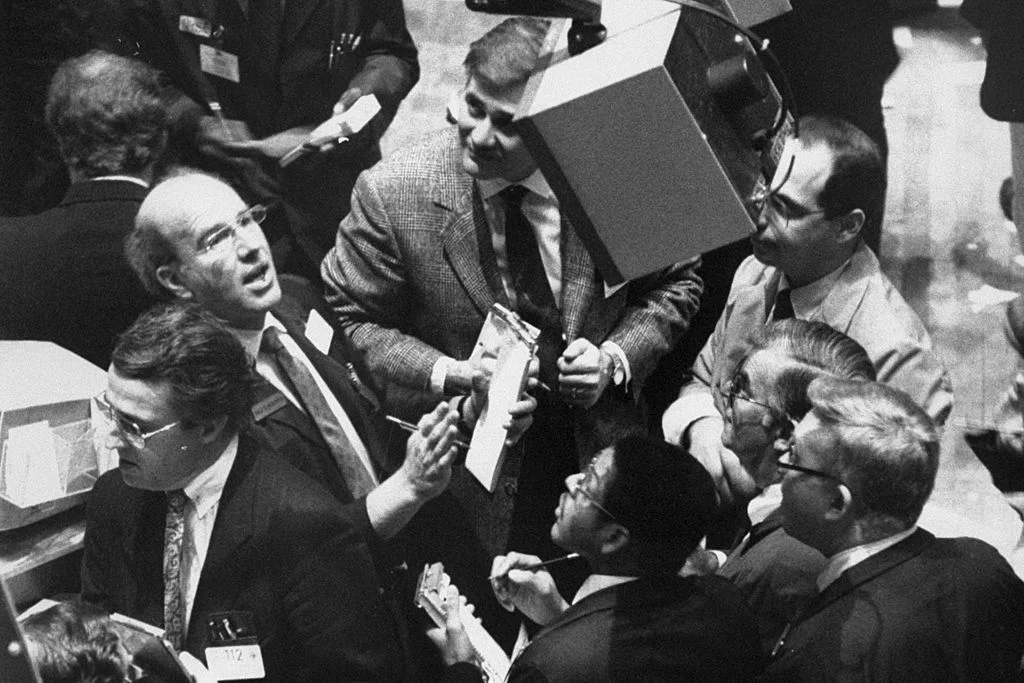
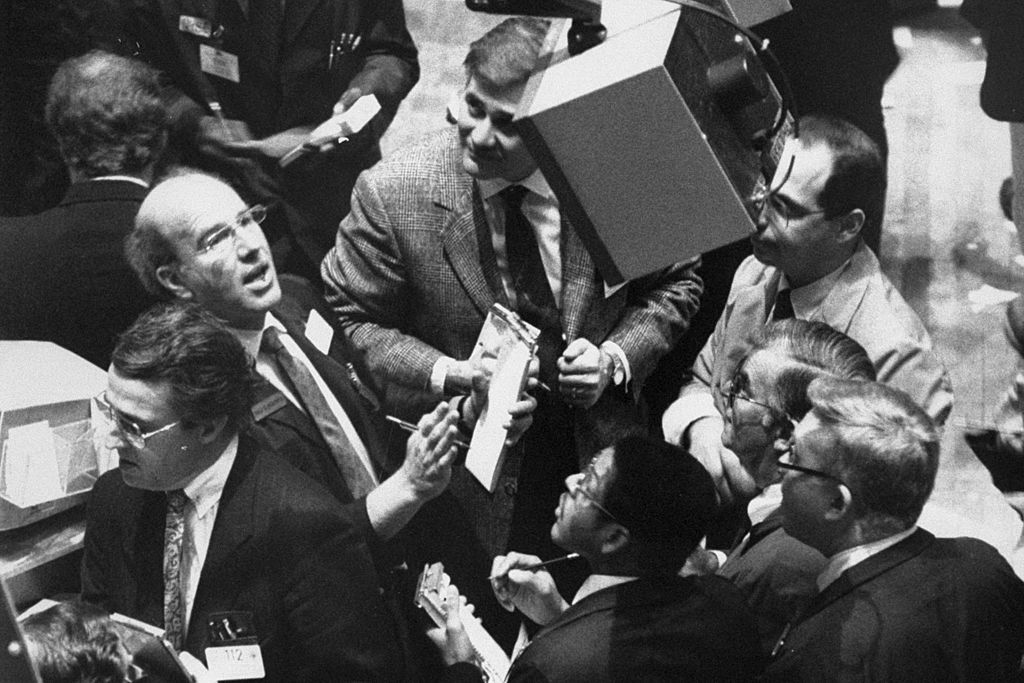
- 1987: The Baptism by Fire: Appointed by President Ronald Reagan, Greenspan took the helm in August 1987. Within months, he faced the "Black Monday" crash, where the Dow Jones Industrial Average plummeted 22.6% in a single day—the largest single-day percentage decline in history. His steady hand during this crisis cemented his reputation as a pragmatist capable of preventing systemic collapse.
- 1991–2004: The Era of Consensus: Greenspan served under four presidents, earning re-nominations from George H.W. Bush, Bill Clinton, and George W. Bush. His ability to maintain bipartisan support allowed him to oversee the massive economic expansion of the 1990s and the complex transition into the 21st century.
- 2006: The Departure: After 19 years at the helm, Greenspan stepped down, leaving behind a legacy that was, at the time, widely viewed as a golden age of stability, though later scrutinized for the brewing "bubbles" that led to the 2008 financial crisis.
- 2025: The Legacy Reassessed: Following his death at age 100, the economic community is engaged in a profound reassessment of his methodology—specifically the balance between market guidance and regulatory oversight.
Supporting Data: The "Irrational Exuberance" of an Era
Greenspan’s tenure was marked by a sophisticated, albeit often cryptic, approach to data. His famous 1996 remark regarding "irrational exuberance" serves as a case study in how a single phrase could impact global asset prices. The phrase, born in the quiet contemplation of his morning bathtub routine—a location he famously credited for his best ideas—was meant to warn of rising asset values.
Supporting data from his era reveals a complex picture. While the economy enjoyed long stretches of growth, critics point to the housing boom-bust cycle as a failure of the very "superhero" style of central banking he pioneered. His Ph.D. thesis, which remained withheld from the public during his tenure, surprisingly focused on the impact of higher housing prices on consumer spending—a prescient, if ignored, warning of the vulnerabilities in the credit markets.
Furthermore, the recovery following Black Monday serves as a statistical testament to his influence. The Dow recovered 57% of its losses within two trading sessions, and the market regained its pre-crash high within 23 months. This demonstrated his command over the "science and humanity" of economics, proving that his interventions were not merely academic, but deeply rooted in psychological market management.
Official Responses and Reflections
The passing of a figure as central as Greenspan has drawn tributes from across the global financial and political spectrum. While his former colleagues praise his intellectual rigor and his unique transition from a jazz saxophonist to a financial architect, the modern leadership of the Fed is focused on the future.
"Greenspan established the model for the modern chair," says a senior analyst at a major investment firm. "He showed us that a central banker must be both an economist and a statesman. However, we are now in an age where the ‘Maestro’ model may have run its course. The market is faster, and the risks are more interconnected. The desire for a more stoic, less ‘Fedspeaking’ approach from Chair Warsh is a reaction to the noise of the last twenty years."
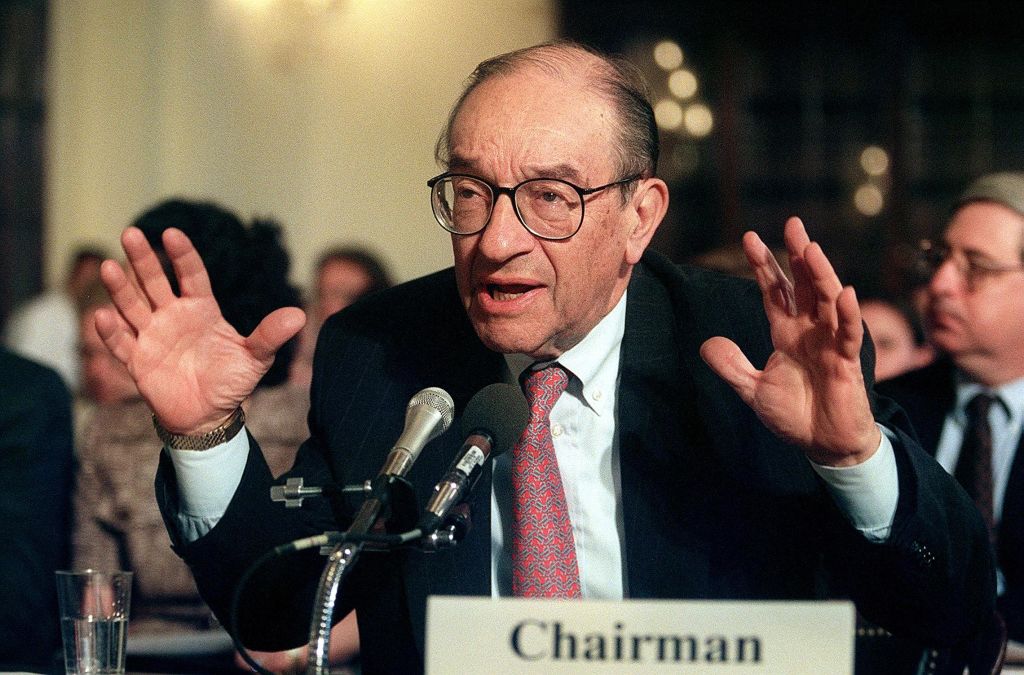
Andrea Mitchell, the renowned MSNBC journalist and Greenspan’s wife of 29 years, remains a symbol of the power-couple dynamic that defined the Washington elite during his long tenure. Her perspective on his life—from his humble upbringing in Washington Heights to the corridors of the Federal Reserve—offers a humanizing look at a man who was often seen as an unreadable, intellectual machine.
Implications for the Future: A Return to Silence?
As Kevin Warsh attempts to usher in a new era, the implications for investors and policymakers are significant. The "Greenspan model" was built on the premise that the Fed could, and should, guide the economy through clear communication and proactive intervention.
1. The Death of "Fedspeaking"
Warsh’s push for less talk could mean fewer press conferences and more opaque policy statements. The goal is to reduce market sensitivity to the "Fed’s mood," potentially allowing the economy to react more organically to market forces rather than waiting for the next signal from the central bank.
2. The Return of the "Accountant"
Greenspan, who realized early in his life that he was a better bean-counter than a jazz musician, used his analytical skills to master the complex, global financial system. The current challenge is whether a return to a more "accountant-like," less charismatic leadership style will suffice in an era defined by global geopolitical instability.
3. Regulatory Supervision vs. Market Guidance
Perhaps the greatest implication of the post-Greenspan era is the ongoing debate over the Fed’s mandate. Do we need a "superhero" who manages the market’s rhythm, or a silent supervisor focused strictly on institutional stability? The transition from the "Maestro" to a more restrained leadership suggests that the pendulum is swinging away from the charismatic, interventionist style of the 20th century.
Conclusion
Alan Greenspan was a titan whose life spanned a century of unprecedented change. From his early days as a jazzman in New York to his final years as an icon of monetary policy, he demonstrated that competence and a deep understanding of human behavior could, for a time, hold the world’s economy together.
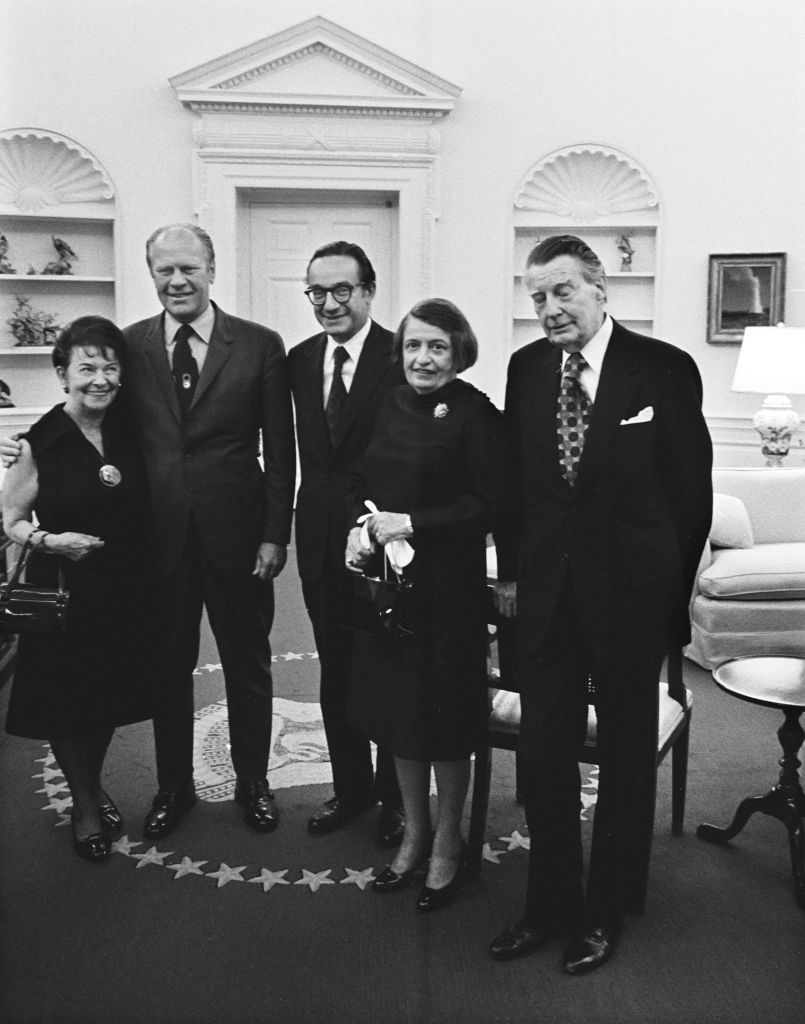
As Kevin Warsh and the current FOMC take the stage, they are doing so under the long shadow of a man who believed in the power of the word to steer the world. Whether the move toward silence will stabilize the modern economy remains to be seen. What is certain, however, is that the era of the "Maestro" has concluded, and the Federal Reserve is embarking on a new, quieter, and perhaps more uncertain, journey.
The legacy of Alan Greenspan will not just be found in the growth charts of the 1990s, but in the ongoing debate over how much power a central bank should hold—and how much it should say—in a world that is becoming increasingly difficult to conduct.