
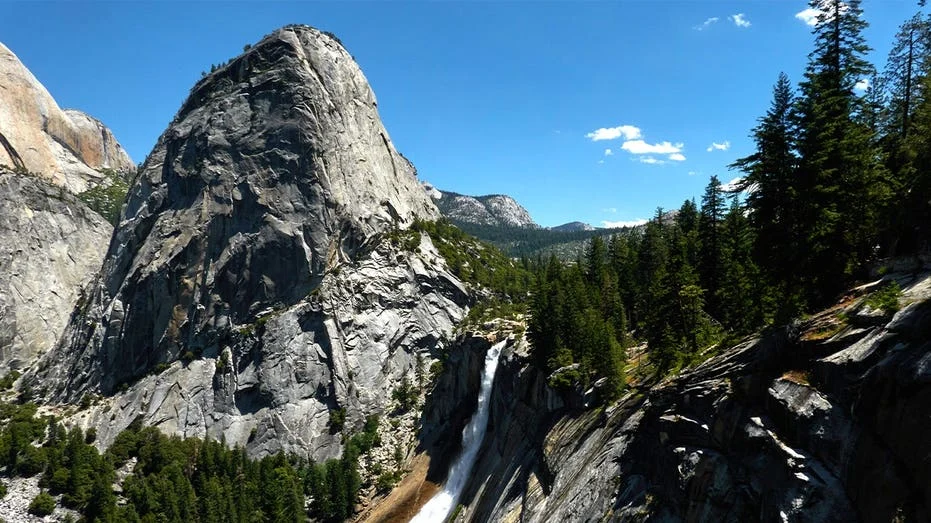
Tragedy at Yosemite: Search and Recovery Underway After Heroic Rescue Attempt at Nevada Fall

YOSEMITE NATIONAL PARK, CA — The National Park Service (NPS) has launched an investigation into a catastrophic incident at Yosemite National Park after a 23-year-old male was swept over the precipice of Nevada Fall. The tragedy, which occurred on Saturday, June 20, 2026, reportedly unfolded as the young man attempted to rescue a female companion who had been caught in the river’s swift, unforgiving current.
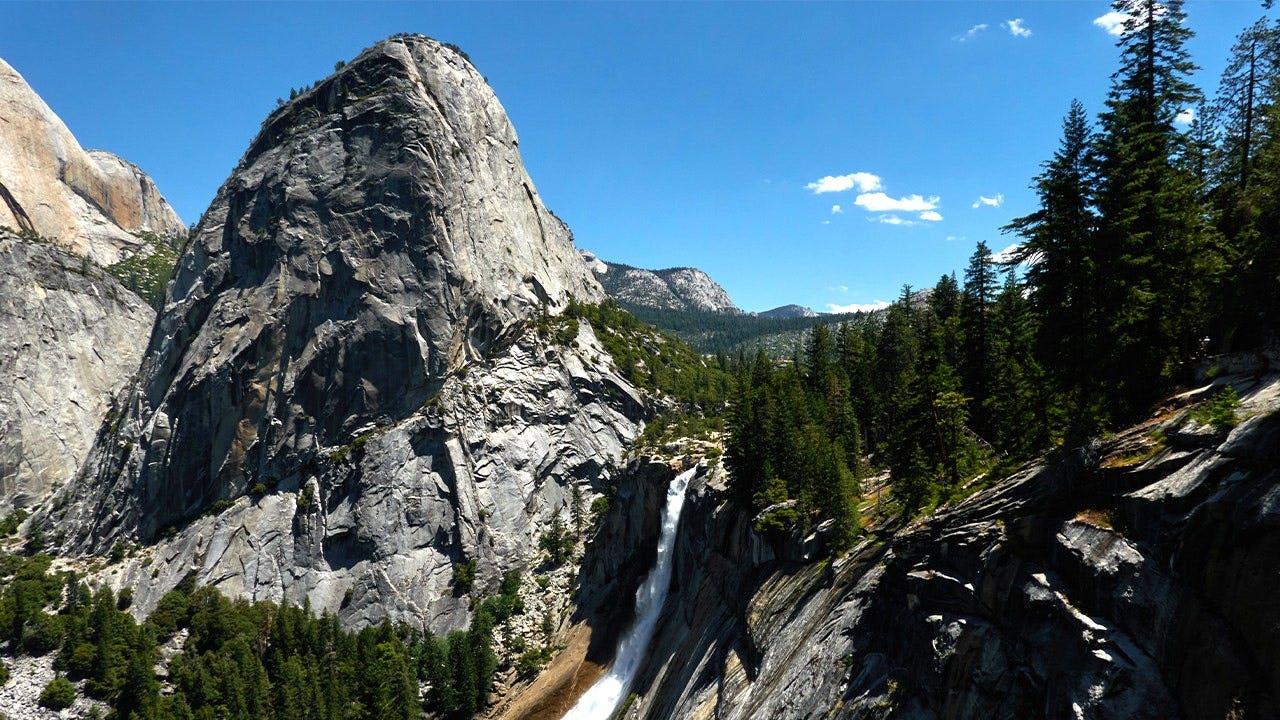
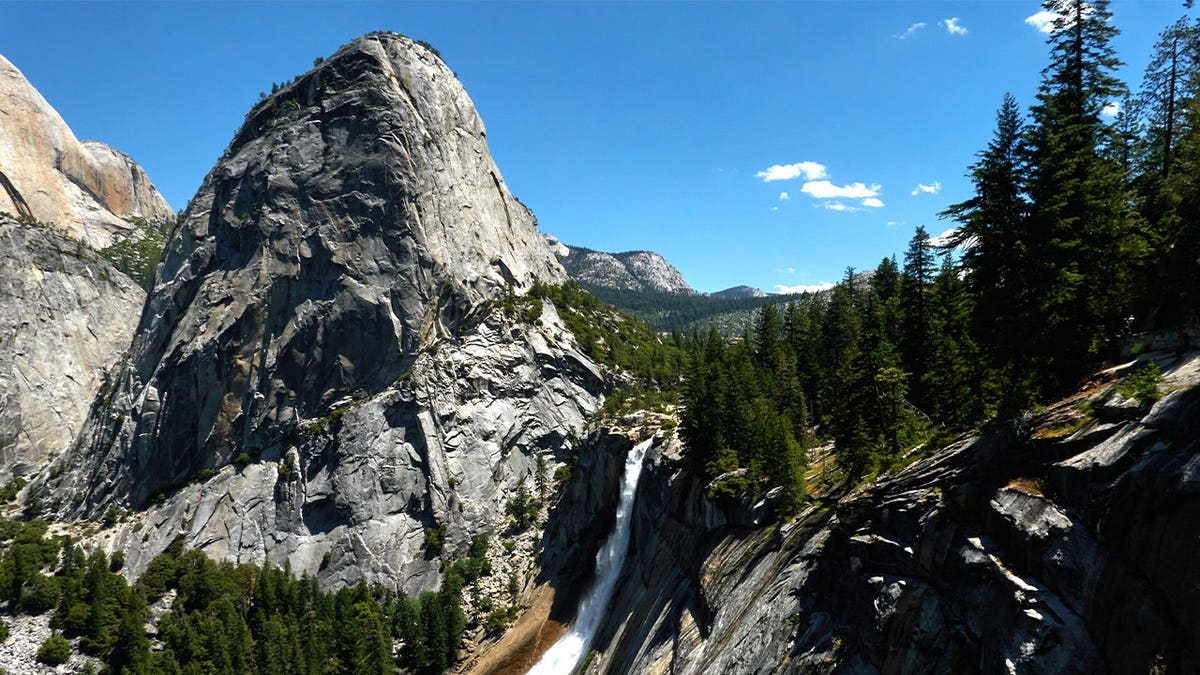
Eyewitness accounts from the scene suggest the fall was fatal, highlighting the extreme dangers of Yosemite’s high-velocity waterways during the peak of the summer season. Park rangers and elite search-and-rescue teams have shifted their focus to search and recovery operations in the turbulent pools below the 594-foot waterfall.
Main Facts of the Incident
The incident occurred at the top of Nevada Fall, a prominent and notoriously hazardous geographical feature along the Merced River. The victim, identified by park officials as a 23-year-old male, was part of a group visiting the park when the emergency arose.
Key Details of the Event:
- Date and Time: Saturday, June 20, 2026.
- Location: Nevada Fall, Yosemite National Park, California.
- Victim: An unidentified 23-year-old male.
- Status: The subject of an active search and recovery operation.
- Primary Cause: Swift-water sweep leading to a high-altitude fall over a 594-foot drop.
Nevada Fall is located in a highly trafficked section of the park, accessible via the popular Mist Trail and John Muir Trail loop. Characterized by a steep, near-vertical drop and exceptionally powerful water flows, the area is heavily signed with warnings advising visitors to stay out of the water. Despite these warnings, the allure of the river pools above the brink frequently draws visitors close to the edge, where wet, polished granite offers virtually no traction.
Chronology of the Incident
Reconstructing the sequence of events reveals a rapid escalation from a recreational excursion to a life-or-death crisis. According to official dispatches and harrowing first-hand accounts shared by witnesses on social media, the tragedy transpired in a matter of minutes.
The Sequence of Events:
[Saturday Afternoon, June 20, 2026]
       │
       ├──► Group of hikers gathers near the pool at the top of Nevada Fall.
       │
       ├──► A female member of the group is caught in the swift current.
       │
       ├──► The 23-year-old male attempts a rescue but is pulled into the current.
       │
       ├──► A bystander extends a branch; the woman grabs it and is pulled to safety.
       │
       ├──► The male victim is swept over the 594-foot precipice of Nevada Fall.
       │
       ├──► 911 calls placed; Yosemite Emergency Dispatch alerts rangers and YOSAR.
       │
       └──► Search and rescue helicopter and ground teams deploy to the base.
The Initial Slip and Rescue Effort
On the afternoon of June 20, a group of friends was spending time near the pools of water situated just above the brink of Nevada Fall. The current in this section of the Merced River is deceptively strong, fueled by seasonal alpine runoff.
According to an eyewitness who later detailed the event on Reddit, a young woman in the group lost her footing and was quickly dragged by the fast-moving water toward the edge. Seeing his friend in mortal danger, the 23-year-old male immediately attempted to intervene, putting himself directly in the path of the current.
The Split-Second Intervention
As both individuals struggled against the force of the river, a nearby bystander managed to find a large tree branch and extend it toward the struggling woman. She successfully grabbed the branch and was hauled onto the safety of the rocky bank.
Tragically, the male victim was unable to secure a hold on the branch or the surrounding slick granite. The current proved too powerful, carrying him over the crest of the 594-foot waterfall.
The Emergency Response
Witnesses described hearing agonizing screams echo across the canyon. Park dispatch received multiple emergency calls reporting that an individual had gone over the falls.
Within an hour of the initial reports, a Yosemite Search and Rescue (YOSAR) helicopter arrived on the scene, executing aerial reconnaissance over the mist-shrouded gorge below the falls. Simultaneously, ground teams equipped with specialized swift-water and high-angle recovery gear began the arduous hike up the trail to access the impact zone at the base of Nevada Fall.
Supporting Data: Environmental Hazards and Historical Context
The tragedy at Nevada Fall underscores a persistent and deadly reality of Yosemite’s wilderness: the combination of swift water, steep drops, and slick granite.
The Hydrology of Nevada Fall
Nevada Fall is fed by the Merced River, which drains a massive portion of the Sierra Nevada high country. During late spring and early summer (typically May through July), the flow rate of the waterfall reaches its peak due to melting winter snowpacks.
               [ Merced River Flow ]
                         │
                         ▼
             [ Top of Nevada Fall Pool ]
             (Slick, water-worn granite)
                         │
                         ▼  (594-foot drop)
             [ Turbulent Base & Rapids ]
During this peak runoff period:
- Water Temperature: The water is barely above freezing, ranging from 35°F to 45°F (1.6°C to 7.2°C). This extreme cold can induce immediate cold-shock response, severely limiting a victim’s physical coordination within seconds.
- Hydraulic Force: Thousands of gallons of water cascade over the fall every second, creating massive downward hydraulic pressure at the base and irresistible currents at the top.
- Granite Polish: Glacial activity and centuries of water flow have polished the granite surrounding the river to a glass-like finish. When wet, this stone behaves like ice, making self-arrest or climbing out of the water nearly impossible.
Historical Safety Data at Yosemite Waterfalls
Yosemite National Park is one of the most visited national parks in the United States, welcoming millions of tourists annually. However, its natural wonders carry inherent risks.
| Location | Notable Hazards | Typical Incidents | Fatal Recovery Success |
|---|---|---|---|
| Nevada Fall | 594-ft drop, swift currents, wet granite | Swept over edge, slips near brink | Extremely low survival; difficult recovery |
| Vernal Fall | 317-ft drop, crowded Mist Trail, spray | Railing bypasses, slips on steps | Low survival; high-risk recovery operations |
| Yosemite Falls | 2,425-ft total drop, extreme heights | Off-trail scrambling, slips | Negligible survival rate |
Historical data from the National Park Service indicates that water-related incidents—primarily drowning and sweeping accidents—are among the leading causes of accidental death in Yosemite, rivaling falls from high elevations such as El Capitan and Half Dome. In many of these cases, victims underestimated the power of the water or bypassed safety railings to obtain a closer view or a photograph.
Official Responses
Following the incident, the National Park Service released an official statement confirming the active investigation and detailing the coordination of the emergency response.
"The National Park Service is investigating an incident involving a 23-year-old male at Nevada Fall in Yosemite National Park on June 20, 2026," the NPS told Fox News Digital in a statement. "Park dispatch received reports that an individual had gone over the fall, and National Park Service rangers and Yosemite Search and Rescue personnel responded."
The Search and Recovery Process
NPS officials confirmed that the mission transitioned from a rescue operation to a search and recovery effort due to the height of the fall and the violent nature of the water below.
YOSAR personnel, widely regarded as some of the most highly trained search-and-rescue technicians in the world, face extreme logistical challenges in these operations:
- High-Mist Environment: The spray from Nevada Fall reduces visibility to near zero in certain zones and coats all surrounding rock in a slick film, endangering rescue climbers.
- Turbulent Pools: The plunging water creates deep, aerated pools at the base where currents can trap objects or bodies beneath the surface for days or weeks.
- Aerial Limitations: Helicopter operations are severely restricted by the narrow canyon walls and unpredictable updrafts created by the waterfall’s massive air displacement.
The NPS has kept the incident under active investigation, withholding the victim’s name pending formal identification and notification of next of kin.
Implications for Park Safety and Visitor Education
This latest incident has reignited the critical debate surrounding safety measures, visitor education, and the preservation of natural landscapes within the National Park System.
The Psychology of "Water Danger"
A recurring theme in the public discourse surrounding this tragedy is the psychological disconnect many visitors experience when encountering wilderness water sources.
As one experienced recreationalist and former lifeguard noted on social media:
"You just don’t realize how slippery that granite can be and how strong the current is. And there’s nothing to hold on to on the way down towards the falls… As a former lifeguard, it’s too stressful seeing all the goofballs messing around on slick rocks and massive water flows."
Psychologists and wilderness experts refer to this as "safety complacency," where the manicured appearance of popular trails leads visitors to believe they are in a controlled, theme-park-like environment rather than an unpredictable, wild habitat.
[ Trail Accessibility ] ──► [ False Sense of Security ] ──► [ High-Risk Behavior ]Infrastructure vs. Preservation
The tragedy raises difficult questions for the National Park Service regarding safety infrastructure:
- Should more physical barriers be built? Proponents argue that high-risk areas like the top of Nevada and Vernal Falls should be entirely enclosed by heavy steel fencing.
- The counter-argument: Preservationists and wilderness advocates argue that excessive barriers destroy the natural aesthetic of public lands and violate the wilderness mandate to keep these areas untamed. Furthermore, history shows that determined visitors often climb over safety fences, sometimes placing themselves in even greater danger.
The Human Toll
Beyond the tragic loss of a young life, incidents of this magnitude leave lasting scars. The eyewitnesses who watched the 23-year-old man disappear over the falls described profound trauma, with one witness noting they were "literally shaking for about 1 hour" while watching the victim’s distraught friends cry on the trail.
For the members of Yosemite Search and Rescue, each recovery mission is a reminder of the delicate balance between human recreation and the raw, indifferent forces of nature. As the summer season continues, park officials continue to urge hikers to respect all warning signs, stay behind established barriers, and maintain a safe distance from Yosemite’s beautiful but deadly waters.