Comments Off on The Cost of Openness: Why Valve’s Steam Machine Is Defying Traditional Console Economics
By [Your Name/Journalist] Published June 23, 2026
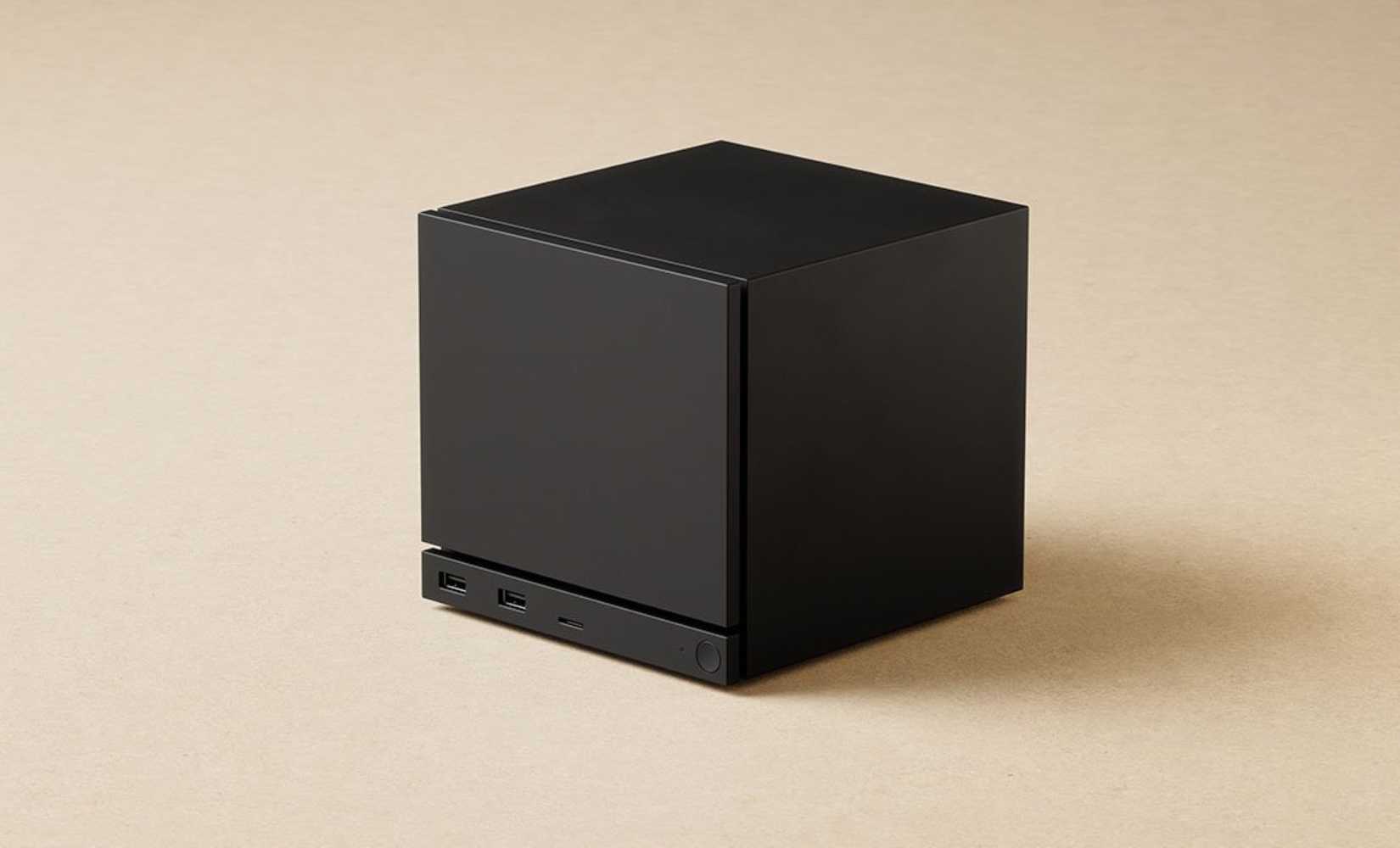
As the reservation window for Valve’s highly anticipated Steam Machine hardware officially swings open, the gaming industry finds itself locked in a rigorous debate over the device’s price tag. While the marketing blitz is in full swing, Valve’s leadership has been forced to confront an uncomfortable reality: the Steam Machine is, by any traditional metric, an expensive piece of hardware.
In a market where consumers have been conditioned by decades of subsidized console pricing, the Steam Machine represents a radical departure from the norm. As Valve engineers and executives field questions regarding the high entry point, the company is doubling down on a philosophy that favors long-term ecosystem health over short-term market penetration.
The Reality of Pricing: A Departure from Expectations
The journey to the Steam Machine’s current price point has been anything but straightforward. Originally envisioned as a disruptive, accessible entry point into high-fidelity living room gaming, the project has been buffeted by the global economic instability of the mid-2020s.
Industry analysts had initially pegged the Steam Machine to launch at a price point comparable to the Steam Deck—a device that successfully bridged the gap between portable convenience and PC power. However, the finished product arrives with a price tag over 30% higher than those internal estimates.
"It’s definitely more expensive than we hoped," admitted Valve engineer Yazan Aldehayyat in a candid interview with Rock Paper Shotgun. Aldehayyat acknowledged that while the team strove for affordability, the reality of the current hardware market made those goals unattainable. "We understand that it’s probably not as affordable as… well, some people are going to be priced out," he noted, signaling a rare moment of corporate vulnerability from a company typically known for its calculated precision.
A Chronology of the Hardware Squeeze
To understand why the Steam Machine carries such a heavy premium, one must look at the macro-economic conditions that have defined the tech sector since 2025.
2025: The Initial Vision: Valve internal teams began hardware prototyping with the goal of "affordability" at the forefront. The strategy was to utilize a lean supply chain and leverage the massive Steam user base to offset component costs.
Late 2025: The "RAMpocalypse": A global semiconductor shortage, compounded by the explosive demand for high-end components driven by the AI boom, caused a cascade of price hikes across the electronics sector. Memory, storage, and processing units saw unprecedented inflation.
Early 2026: Component Scarcity: It wasn’t just a matter of price; it was a matter of availability. Valve found itself competing with massive enterprise-level AI firms for the same silicon, forcing them to pay market premiums just to secure the inventory needed for production.
June 2026: The Official Reveal: With pre-orders now live, the public is finally seeing the cumulative effect of these market pressures. The Steam Machine sits firmly in the "premium" category, far removed from the $500 price ceiling typically associated with mass-market consoles.
Why Valve Refuses to Subsidize
The most common question posed to Valve is simple: Why not follow the PlayStation or Xbox model? Why not sell the hardware at a loss and recoup the investment through software sales and subscription fees?
Valve’s response has been remarkably consistent, framed by a "religious" devotion to the principles of open systems. In a formal statement provided to The Verge, the company clarified its stance:
"The traditional console model is to sell hardware at a loss and make up the revenue with subscription services or by selling games that are locked-in to the hardware. We think this can make sense for a single business in the short term, but that open ecosystems are better for customers over the long term. The openness of the PC gaming space has enabled it to be the primary driver of hardware and software innovation for decades."
By refusing to lock users into a "walled garden," Valve is positioning the Steam Machine not as a console, but as a specialized, pre-configured extension of the PC. They argue that subsidized hardware forces companies to implement restrictive software policies—such as mandatory subscriptions or exclusive storefronts—to recover their losses. Valve’s refusal to do this is framed as a protection of consumer autonomy.
Analyzing the Value Proposition
For the consumer, the choice is no longer about "console versus PC." It is about whether the convenience of the Steam Machine’s form factor justifies the premium over a DIY build.
Industry experts suggest that while one could theoretically source comparable parts for slightly less than the Steam Machine’s retail price, the "Valve tax"—as some are calling it—is actually a premium for integration. The Steam Machine offers a validated, plug-and-play experience that eliminates the compatibility issues, driver updates, and thermal management headaches associated with building a custom PC.
Moreover, as the industry moves toward the next generation of home consoles, the comparative value of the Steam Machine may shift. If the next-gen PlayStation or Xbox units see price hikes due to the same component shortages that plagued Valve, the Steam Machine could eventually find itself in a more competitive, albeit still expensive, position.
Implications for the Future of Gaming
The Steam Machine is a litmus test for the industry. It asks a fundamental question: Do gamers value the openness of the PC platform enough to pay a premium for it, or is the "console experience" defined by subsidized, closed-system hardware?
If the Steam Machine succeeds, it could force a paradigm shift in how we perceive gaming hardware. It would prove that there is a significant market segment that prioritizes freedom of choice and long-term hardware utility over the upfront savings of a closed ecosystem.
However, if the device fails to gain traction due to its price, it may cement the "console model" as the only viable path for mass-market hardware, potentially slowing the transition of PC gaming into the living room.
Conclusion: The Long Game
Valve is betting on the long term. By refusing to compromise on their ideals of an open ecosystem, they are asking their customers to participate in a different kind of value exchange.
"The strength of PC gaming is the ability to play the games you want on the hardware you want," Valve noted in a recent FAQ. "Steam Machine is a solution to these problems, but it’s not the only solution, and we don’t want it to be."
In an era where everything from groceries to GPUs has seen a dramatic, often painful, increase in cost, the Steam Machine is a victim of its time. Whether it becomes a revolutionary piece of hardware or a niche luxury item will depend on whether the gaming public views Valve’s "openness" as a luxury worth paying for. For now, the machine stands as a testament to the fact that, in the current economic climate, the price of freedom is increasingly high.