
The Tea-Stained Transformation: How "Freshwater Browning" is Rewriting the Rules of Our Lakes

The familiar, crystal-clear waters of our favorite fishing holes are changing. For generations, anglers have relied on the visual cues of clear water to track schools of bass or spot the shadow of a trout darting through a stream. However, across the temperate zones of North America and Europe, many freshwater ecosystems are undergoing a subtle, yet profound, physical transformation. They are turning darker—a phenomenon now widely identified by aquatic scientists as "freshwater browning."
This shift in water clarity is more than an aesthetic change; it is fundamentally altering the biological architecture of our lakes. Recent research indicates that this "browning" is driving a quiet revolution in fish populations, favoring species equipped with specialized sensory adaptations while pushing others to the brink of decline. For the casual angler and the professional biologist alike, understanding this shift is becoming essential to navigating the future of freshwater ecosystems.
Main Facts: The Anatomy of Browning
At its most basic level, freshwater browning is the result of an increase in dissolved organic carbon (DOC) within a body of water. Much like a tea bag steeping in a mug, these carbon compounds—primarily decomposed plant matter washed in from the surrounding landscape—stain the water a brownish hue.
While a slight tea-colored tint is natural in some forest-fed wetlands, the current trend is one of rapid intensification. This darkening significantly reduces the "photic zone"—the depth to which sunlight can penetrate. In clear water, sunlight reaches deep into the lake, supporting the growth of algae and providing visual cues for predators. In browned water, this light is absorbed or scattered by the carbon particles, effectively creating a permanent, low-light environment beneath the surface.
Chronology: A Shift Decades in the Making
The rise of freshwater browning is a complex puzzle with roots stretching back to the mid-20th century. Scientists have been tracking the phenomenon for decades, noting a distinct uptick in water color intensity across northern latitudes since the 1980s and 1990s.
1. The Recovery from Acid Rain
Ironically, one of the primary drivers of browning is a success story in environmental policy. In the 1970s and 80s, industrial emissions—specifically sulfur dioxide—led to widespread acid rain, which severely damaged forests and acidified lakes. As international regulations, such as the Clean Air Act, successfully reduced these emissions, the chemistry of the soil began to change. With less acidity to bind the organic matter, the soil became more "mobile," allowing higher concentrations of carbon to leach into the watershed during rain events.
2. The Climate Change Catalyst
Compounding this chemical recovery is the acceleration of climate change. Warmer temperatures are lengthening the growing season, producing more biomass in the surrounding landscape. Simultaneously, more frequent and intense storm events are flushing this increased organic debris from the soil into streams and lakes at an unprecedented rate. What was once a slow, natural cycle of carbon transport has been accelerated into a rapid influx that the ecosystem is struggling to process.
Supporting Data: The Biological Divide
To understand how these changes impact aquatic life, researchers recently synthesized data from over 800 lakes across North America and Europe. The findings are stark: browning acts as a selective pressure, creating winners and losers based on their evolutionary sensory toolkits.
The Visual Losers
Many of our most popular game fish—largemouth and smallmouth bass, lake trout, and yellow perch—are highly visual hunters. They rely on their eyes to track prey, identify mates, and navigate complex habitats. The study found that in darker waters, these species often experience reduced growth rates and declining population density.
The data suggests that when the visibility threshold drops, these visual hunters struggle to find enough food to maintain their metabolic requirements. In 303 Canadian lakes surveyed, researchers noted a direct correlation between water color and the eye size of the resident fish populations, suggesting that even within species, there is an evolutionary pressure toward better light-gathering capabilities.
The Sensory Winners
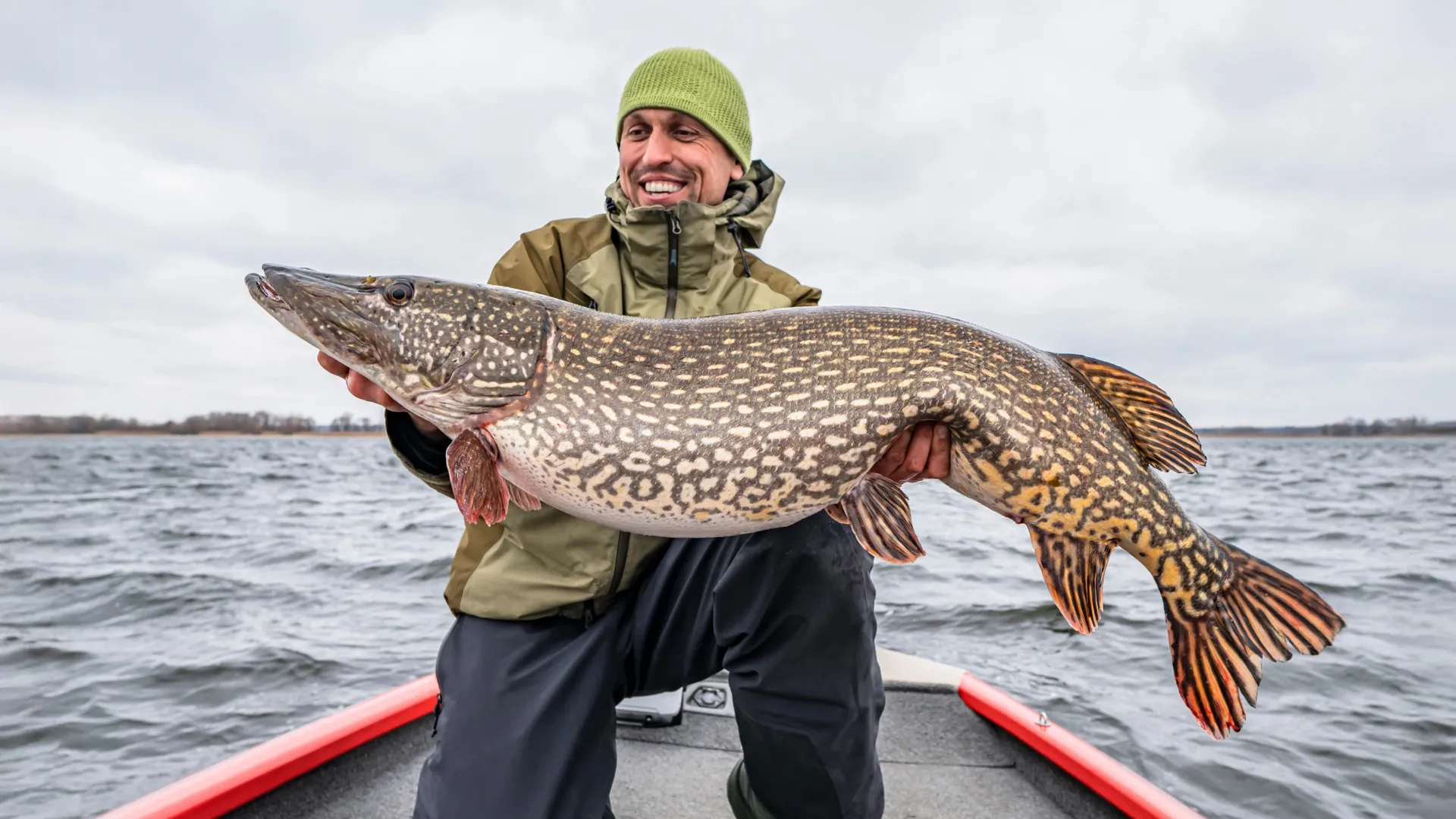
Conversely, species that do not rely exclusively on sight are thriving in the brown-water era. Northern pike and walleye are emerging as the dominant beneficiaries of this shift.
- The Walleye Advantage: Walleye possess a specialized retinal structure called the tapetum lucidum, a reflective layer behind the retina that acts like an internal mirror, intensifying available light. This biological "night vision" allows them to hunt effectively in water conditions that would render a bass or trout nearly blind.
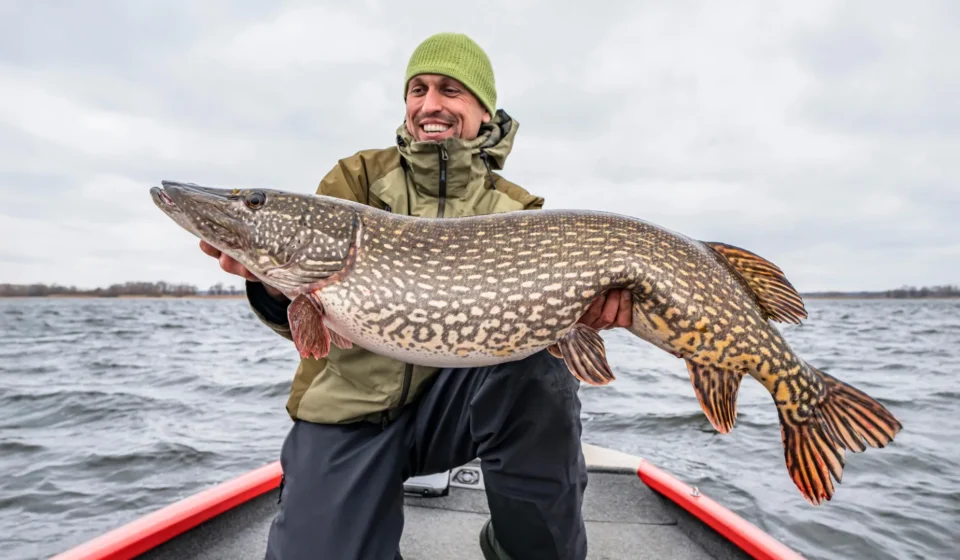
- The Pike Advantage: Northern pike utilize a highly developed "lateral line"—a sensory organ running along the length of their body that detects minute vibrations, pressure waves, and movement in the water. In the murkier, brown environments, the pike’s ability to "feel" their prey makes them apex hunters, regardless of light levels.
Official Responses and Ecological Implications
Environmental agencies and fisheries departments are beginning to take note of these shifts. The primary concern among conservationists is the potential for a "regime shift" in smaller, unstocked lakes. If browning continues at its current rate, we may see the permanent loss of certain salmonid (trout/whitefish) populations in ecosystems that were previously their strongholds.
Dr. Sarah Jenkins, an aquatic ecologist involved in the recent collaborative research, notes: "We are observing a fundamental reorganization of aquatic communities. It isn’t just about whether fish are catching prey; it’s about the entire food web. When visual predators decline, the ripple effects can change everything from zooplankton populations to nutrient cycling in the lake bed."
Fisheries managers are currently debating whether stocking programs need to be adjusted. In areas where browning is irreversible, the focus may shift from maintaining legacy populations of trout to supporting the resilient, vibration-sensitive species that are better suited to the "new normal" of our waters.
Implications for the Angler: Adapting to the Murk
For the recreational fisherman, the science of browning provides a roadmap for adapting techniques to maintain success on the water. The old adage of "match the hatch" is no longer enough; in a brown-water lake, you must "match the sense."
1. Ditch the Flash, Add the Thump
In clear water, a shiny, silver-plated spoon or a bright, neon-colored spinner is a staple. In brown water, these visual stimuli are lost within a few feet. Anglers should pivot toward baits that create a significant displacement of water. Bladed baits, such as spinnerbaits with large Colorado blades, create a heavy "thump" that can be felt by a fish’s lateral line from a distance.
2. The Power of Scent
If the fish can’t see the lure, they must be able to smell it. The use of high-quality scent attractants—oils, pastes, or naturally scented soft plastics—is becoming increasingly important. In dark, stained water, an olfactory trail acts as a beacon, guiding the fish to the lure long before they actually encounter it.
3. Precision Placement
Since predators like pike are relying on vibration and pressure, they are often lurking in structure where they can feel the movement of prey. Targeting the edges of weeds or drop-offs with noisy, vibrating lures allows the angler to capitalize on the fish’s sensory adaptations rather than fighting against their visual limitations.
Conclusion: The Future of Our Waters
The browning of our freshwater ecosystems is a reminder that our lakes and streams are not static snapshots in time. They are dynamic, responsive systems, constantly reflecting the changes happening on the land surrounding them. While the shift toward darker water poses challenges for many beloved fish species, it also provides a fascinating window into the adaptability of nature.
For the community of anglers and scientists alike, the path forward is one of observation and adjustment. By monitoring the "tea-staining" of our lakes and acknowledging the shifting dominance of species like walleye and pike, we can better manage these resources. We are witnessing an evolutionary story unfold in real-time, one where the hunters that learn to listen, rather than look, will dictate the future of the depths. Whether you are an enthusiast casting a line or a researcher mapping the change, the message is clear: the water is changing, and it is time we change our approach with it.