Nineteen years ago, Ko Lipe was a whisper in the backpacker circuit—a remote speck of sand in the Andaman Sea that demanded grit, patience, and a willingness to disconnect from the modern world. Today, that whisper has become a roar of construction machinery, exhaust fumes, and the relentless hum of mass tourism. Returning to the island after nearly two decades, the experience was not the nostalgic pilgrimage I had envisioned; it was a sobering encounter with the devastating reality of unsustainable development.
The Evolution of an Island: A Chronology of Change
To understand the current state of Ko Lipe, one must look at its trajectory over the last two decades. In 2006, the island was defined by its limitations. Electricity was a luxury provided by generators for only a few hours each evening. Accommodations were rudimentary—simple wooden bungalows perched directly on the sand, costing roughly $2 USD per night. There were no paved roads, no convenience stores, and the "last boat" of the season was a genuine deadline for those who didn’t want to be stranded during the monsoon.
Life was slow by design. The daily rhythm consisted of snorkeling, reading, enjoying a singular beach bar, and rotating through a handful of local family-run restaurants. It was an idyllic backpacker’s dream, a place where days bled into weeks because the outside world felt irrelevant.
However, the late 2000s and early 2010s marked a turning point. As Thailand’s tourism industry expanded, Ko Lipe’s "untouched" status became its primary marketing asset. Infrastructure followed rapidly. Dirt footpaths were widened and paved with concrete to accommodate vehicles and construction equipment. The demand for "Western-style" comfort led to a surge in concrete high-end resorts, which, ironically, required massive water consumption on an island with no natural water supply, forcing a reliance on expensive, energy-intensive desalination and shipping.
The Anatomy of Overdevelopment
The physical transformation of the island is now undeniable. The "Ko Phi Phi model"—characterized by rapid, unchecked construction and high-density tourism—has taken hold.
Infrastructure and Resource Strain
The island is currently a patchwork of ongoing construction sites. Large swaths of native palm trees have been cleared to make way for swimming pools and luxury suites. This development is not merely an aesthetic concern; it is an ecological disaster. The lack of a robust waste management system means that the influx of thousands of tourists places an unbearable strain on the island’s limited sewage and garbage disposal capabilities.
Environmental Degradation
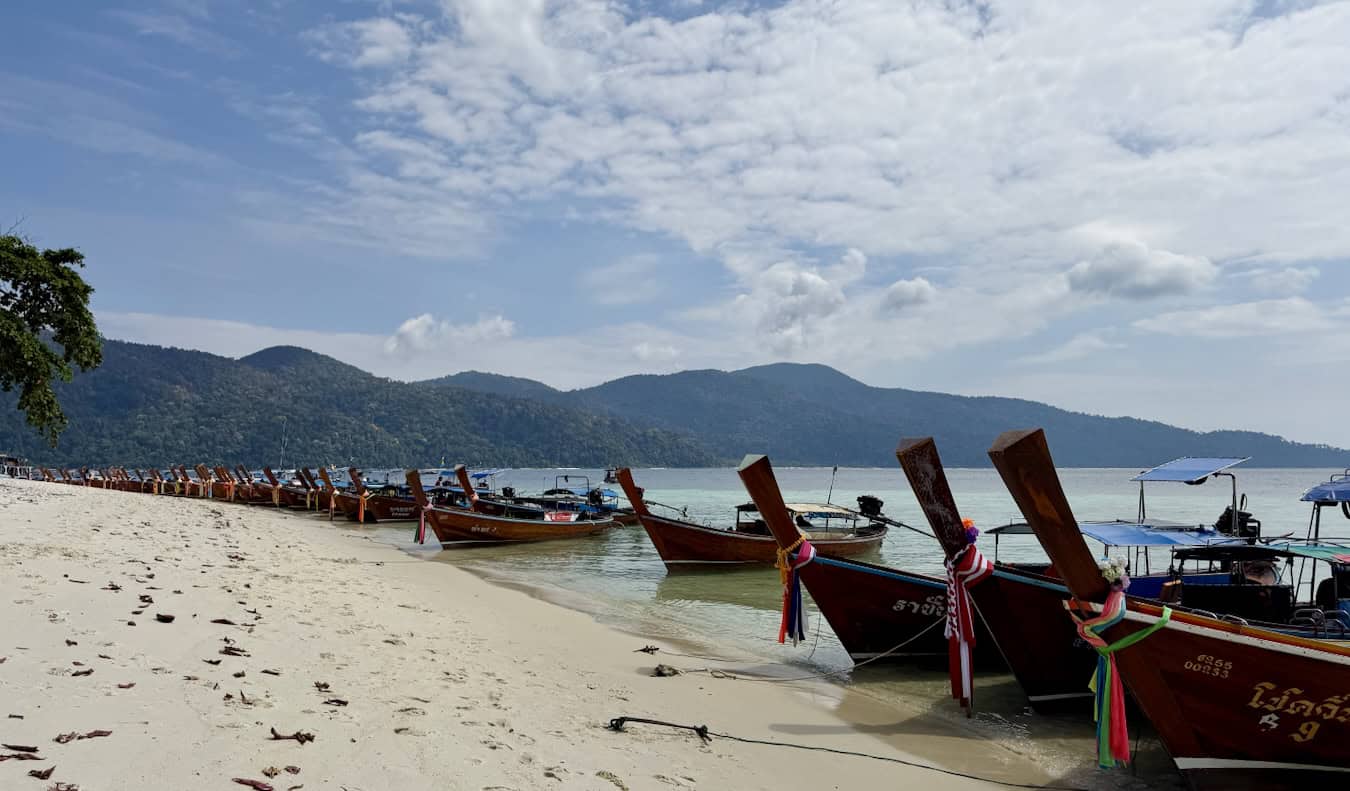
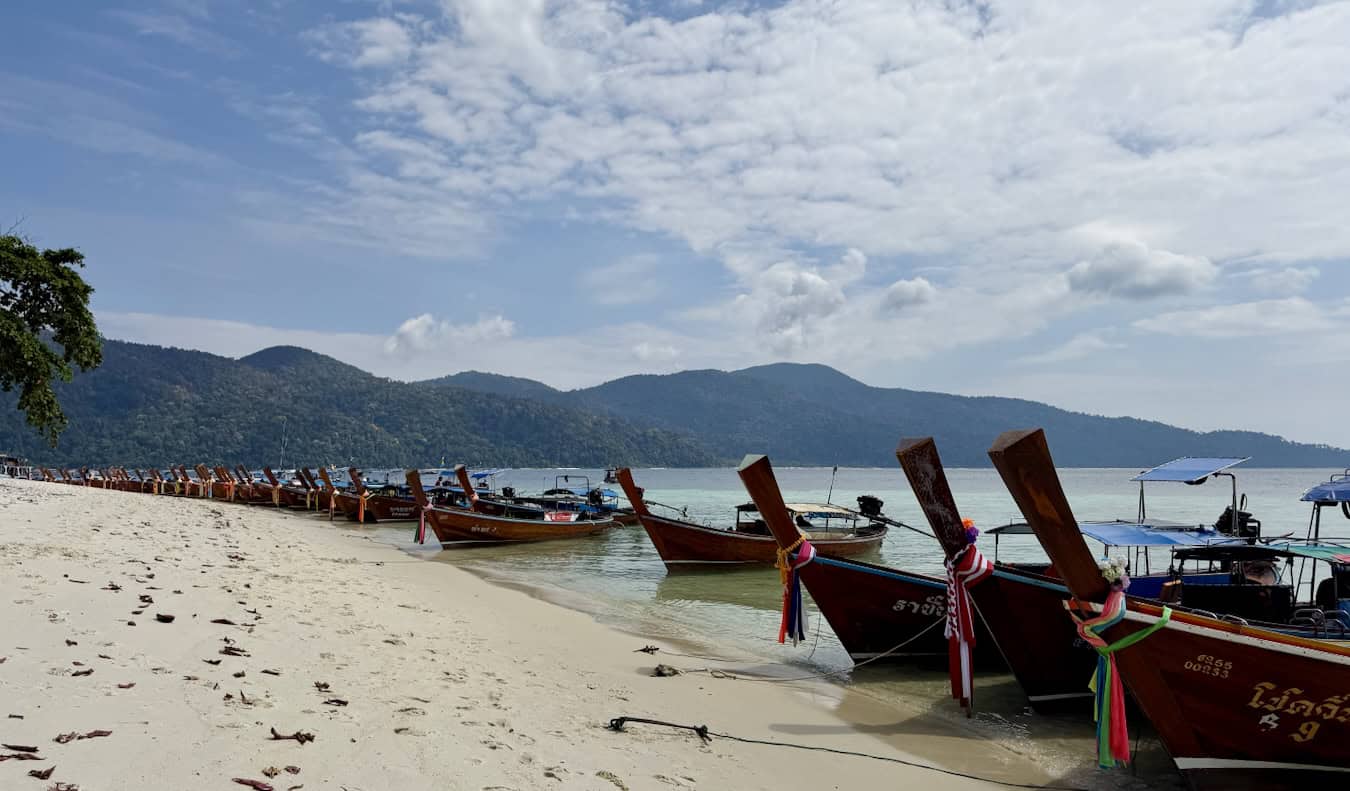
Perhaps most heartbreaking is the state of the surrounding marine environment. The coral reefs, once vibrant and pristine, are suffering from the cumulative impact of heavy boat traffic. Anchors damage the seafloor, while the exhaust from hundreds of longtail boats creates a visible, iridescent film of oil and fuel on the water’s surface—the very water where visitors go to snorkel. Overfishing to satisfy the menus of dozens of restaurants has further disrupted the delicate balance of the local ecosystem.
Socio-Economic Displacement
The human cost is equally severe. Many original inhabitants have been priced out or pressured into selling their land to mainland developers. Consequently, the island’s workforce is now largely composed of migrant labor from the mainland, individuals who often see very little of the wealth generated by the tourism boom. The local culture, which once defined the island’s character, has been marginalized in favor of a homogenized, tourist-centric service industry that emphasizes "bad Western food" over authentic Thai cuisine.
Supporting Data: The Global Context of Overtourism
Ko Lipe is not an isolated case; it is a symptom of a systemic issue within the Thai tourism sector. According to the Thai Department of Tourism, the country has seen a steady rise in international arrivals, but the infrastructure on smaller islands like Lipe has struggled to keep pace with this exponential growth.
Studies on "island carrying capacity"—a metric used to determine how many people an ecosystem can support without degradation—frequently highlight that small islands are the most vulnerable to over-tourism. Unlike mainland cities, islands have finite land mass and limited freshwater aquifers. Once these are compromised, the environmental recovery period can take decades, if not centuries. The visible pollution and the loss of biodiversity on Ko Lipe are quantifiable indicators that the island has far exceeded its carrying capacity.
The Perspective of the Industry: Official and Local Responses
While the environmental and social impacts are clear, the tourism industry often presents a different narrative. Local business owners and tour operators argue that the development has brought essential employment opportunities and infrastructure to a previously neglected region. From a macroeconomic standpoint, the rise in tax revenue and foreign exchange is often cited as a net positive for the national economy.
However, there is an increasing pushback from environmental NGOs and even some government agencies, such as the Department of National Parks, Wildlife and Plant Conservation. In recent years, they have implemented temporary closures of various Thai islands to allow for ecological recovery. While these closures provide temporary relief, critics argue they are "band-aid solutions" that do not address the fundamental issue: the prioritization of short-term tourism profit over long-term environmental sustainability.
The Ethical Traveler: Implications and Choices
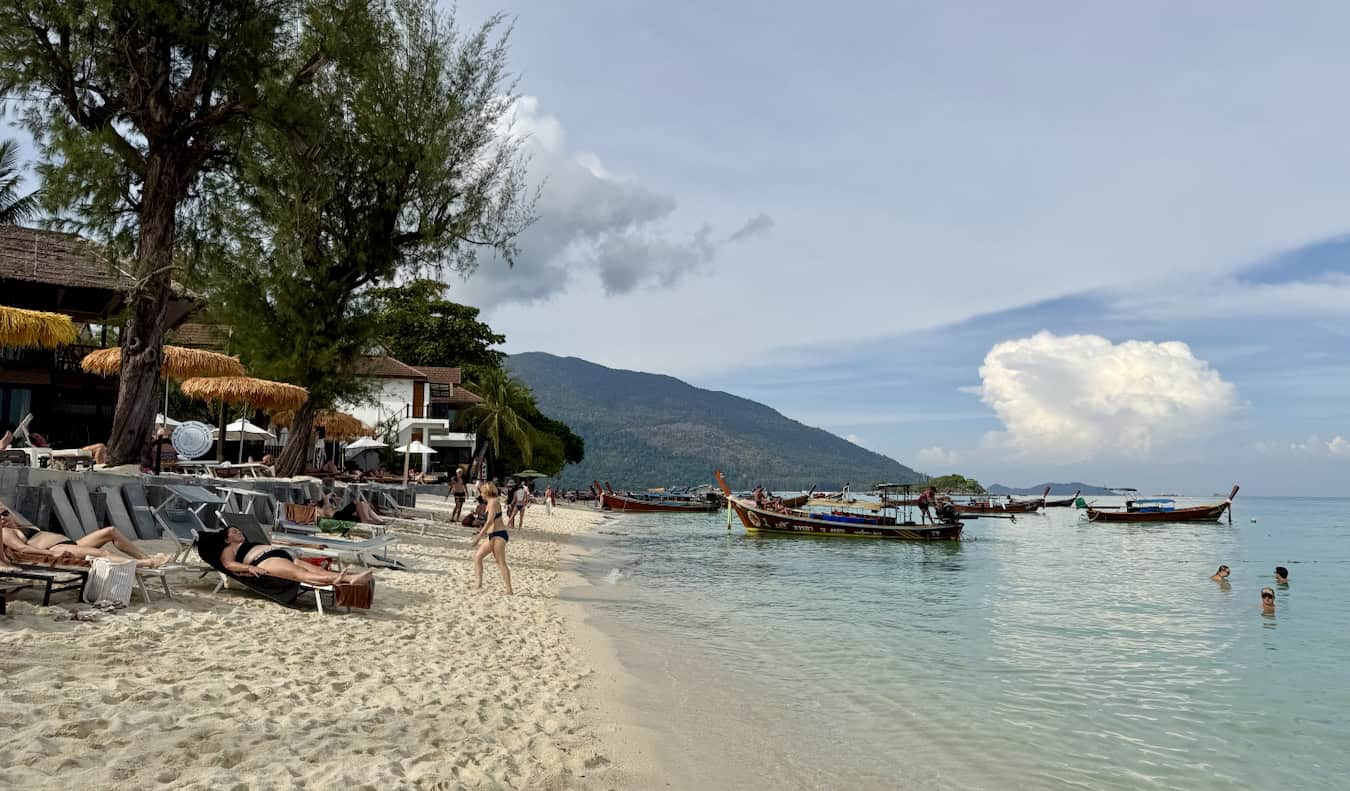
Returning to Ko Lipe was an attempt to revisit a memory, but instead, it served as a wake-up call. The island remains "postcard perfect" at first glance, which is exactly why tourists continue to flock there. The azure water and white sand are still beautiful, and for a first-time visitor, the experience might still feel magical. But as seasoned travelers, we must ask ourselves: what is the cost of our "wow" moment?
Why We Should Rethink Our Travel
If we are to be good stewards of the planet, we must acknowledge that our choices have consequences. Choosing to visit an over-taxed destination is a vote for its continued exploitation. When we patronize establishments that contribute to environmental degradation, we provide the economic incentive for more of the same.
There are, fortunately, alternatives. Nearby islands such as Ko Lanta, Ko Jum, and Ko Mook currently operate with more manageable levels of tourism and a stronger focus on sustainable practices. By shifting our travel patterns to these destinations, we distribute the economic benefits more equitably and alleviate the pressure on "hotspot" islands.
A Call for Conscious Consumption
The history of travel is marked by shifting consumer consciousness. We have seen the decline of elephant riding in Thailand, a direct result of public outcry and informed consumer choice. We have seen the rise of eco-lodges that prioritize conservation. Overtourism is the next great challenge, and it requires a similar shift in perspective.
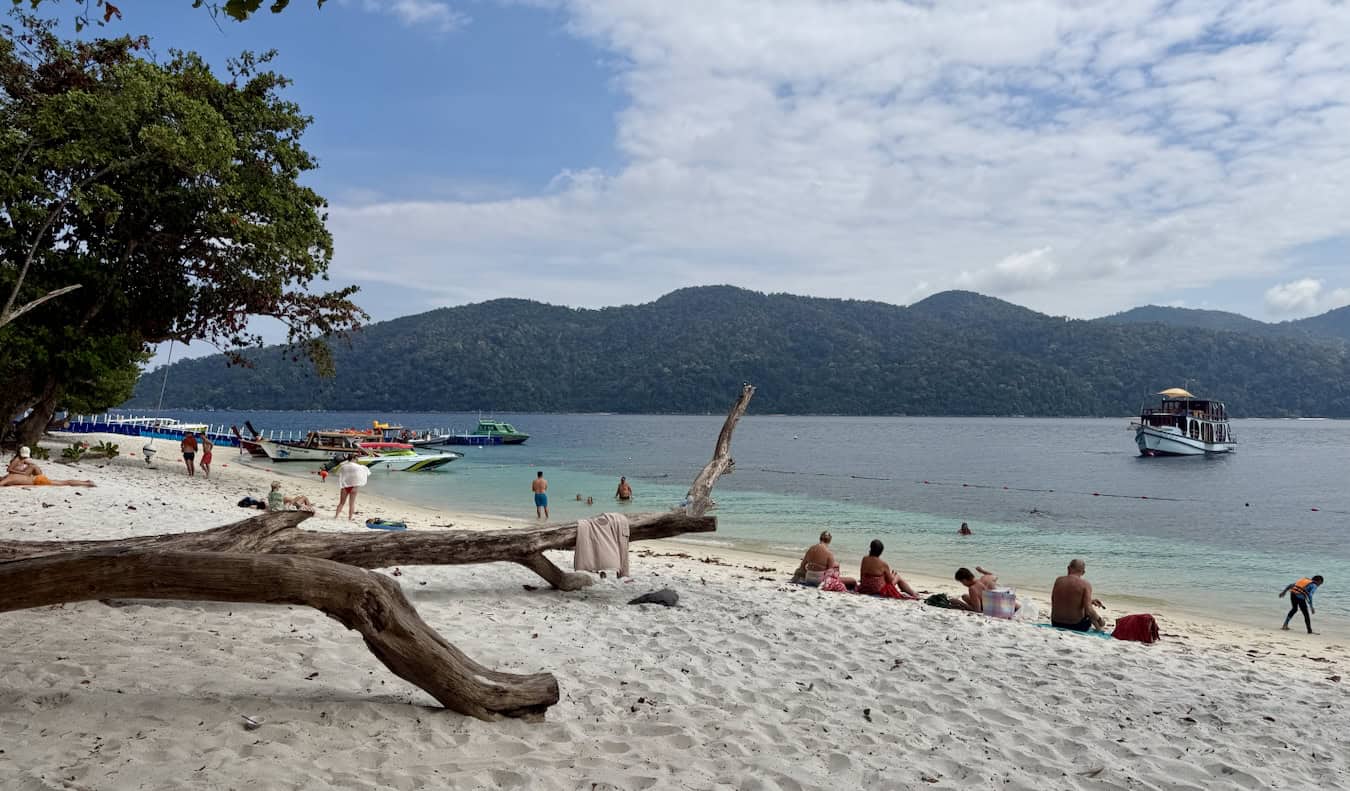
It is painful to admit that a place once so impactful to my own life should no longer be visited, but sometimes, the most responsible action is to stay away. We cannot put the genie back in the bottle, but we can stop feeding the system that continues to deplete it.
Conclusion: Stewardship Over Self-Interest
Ko Lipe stands as a cautionary tale of what happens when the beauty of a destination is treated as a commodity to be consumed rather than a resource to be protected. For those of us who have seen the world change, the temptation to chase "travel ghosts"—to seek out the magic of the past—is strong. But in doing so, we often become part of the problem.
If you are planning a trip to Thailand, I urge you to look beyond the popular, over-marketed destinations. Support islands that are investing in sustainable waste management, protecting their reefs, and empowering local communities. Your choice of destination is a powerful tool for change. Sometimes, saying "no" to a place is the greatest act of love a traveler can offer. Let Ko Lipe be the place where we draw the line, prioritize our planet, and commit to a more sustainable future for travel.