
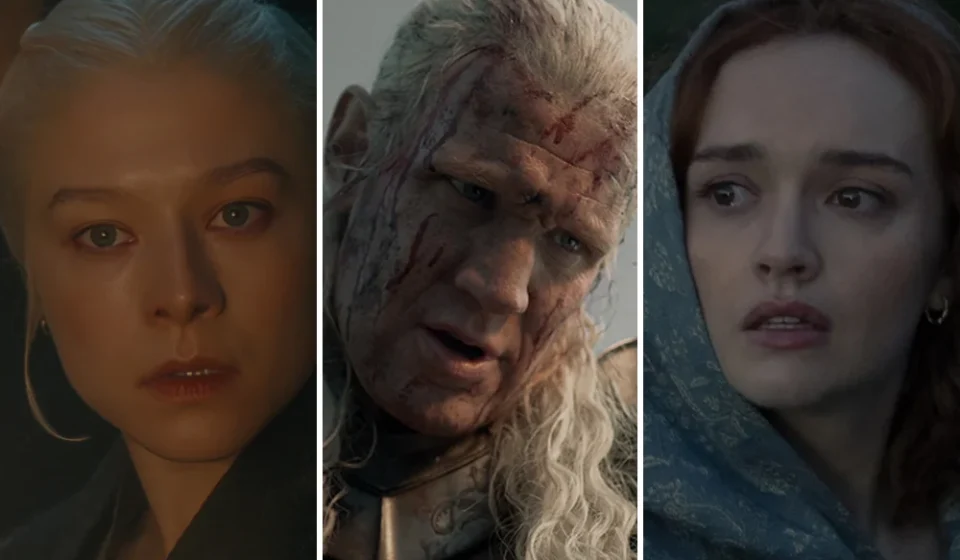
The Dance Intensifies: A Comprehensive Guide to House of the Dragon Season 3

After a grueling two-year hiatus that left fans of the Seven Kingdoms pacing the battlements of their own lives, HBO’s House of the Dragon returns this Sunday. The epic Game of Thrones prequel series, which has meticulously chronicled the slow-burn descent of House Targaryen into self-destruction, is poised to shift gears from political maneuvering to total, unadulterated warfare. As Season 3 debuts, the realm stands on the precipice of the "Dance of the Dragons," a civil war that will reshape the map of Westeros and leave the Iron Throne tarnished by the blood of kin.

The State of the Realm: From Rook’s Rest to the Gullet
Season 2 concluded on a note of simmering tension, having masterfully navigated the lead-up to the conflict. However, fans who felt the pacing was deliberate have reason to celebrate: the showrunners have signaled that the gloves are finally coming off. The most immediate hook for the Season 3 premiere is the long-awaited "Battle of the Gullet."

In George R. R. Martin’s seminal history, Fire and Blood, the Battle of the Gullet is not merely a skirmish; it is a naval catastrophe of epic proportions. It represents the first major, multi-pronged clash between the "Blacks" (the faction loyal to Rhaenyra Targaryen) and the "Greens" (the faction backing the claim of Aegon II Targaryen). As the naval forces of the Triarchy collide with the Velaryon fleet, the sky will inevitably fill with dragonfire. For viewers, this represents the transition from the boardroom of the Small Council to the scorched-earth reality of open warfare.

The Fractured House Targaryen
The dynamics of the primary players have shifted seismically:

- Rhaenyra Targaryen (Emma D’Arcy): No longer the hesitant claimant, Rhaenyra has spent the last season consolidating power, most notably through the recruitment of "dragonseeds"—bastards of Targaryen blood capable of bonding with the riderless beasts of Dragonstone. Her position is bolstered by the tactical necessity of the war, yet she remains haunted by the heavy moral cost of the throne.
- King Aegon II Targaryen (Tom Glynn-Carney): Having been maimed at the Battle of Rook’s Rest—where his own brother, Aemond, appeared to attempt his assassination—Aegon is a broken sovereign. His flight from King’s Landing alongside Larys Strong marks a transition from a king who wanted to rule to a man fighting simply to survive the machinations of his own kin.
- Aemond Targaryen (Ewan Mitchell): With Aegon sidelined by his injuries, the one-eyed Prince Regent has seized the Iron Throne. His cold, calculated, and often reckless command of Vhagar has made him the deadliest piece on the board, yet his lack of political nuance threatens to alienate his remaining allies, including his mother, Alicent.
- Daemon Targaryen (Matt Smith): After a season of psychological purgatory at the haunted fortress of Harrenhal, Daemon’s arc has been one of the most compelling. His visions—including haunting glimpses of the future, such as the White Walkers and his descendant Daenerys—have seemingly unified his purpose. He has moved from a rogue prince to a committed, albeit dangerous, champion for Rhaenyra’s cause.
Chronology of the Conflict: A Timeline of Escalation
To understand where we are, one must look at the trajectory of the Dance:

- The Succession Crisis: The death of King Viserys I ignited the spark. Rhaenyra’s coronation at Dragonstone and the Greens’ counter-coronation in King’s Landing split the realm.
- Blood and Cheese: The brutal murder of Prince Jaehaerys marked the point of no return. The "tit-for-tat" nature of the violence ensured that reconciliation became impossible.
- The Battle of Rook’s Rest: The death of Rhaenys Targaryen and her dragon, Meleys, proved that even the greatest dragons are vulnerable. This battle decimated the Green dragon force but left Aegon II permanently incapacitated.
- The Dragonseeds: Rhaenyra’s decision to open the dragon-taming process to those outside the immediate royal line has fundamentally altered the power balance.
- The Current Horizon: Season 3 opens with the naval blockade of King’s Landing. The Battle of the Gullet is expected to test the loyalty of the Velaryons and the sheer destructive power of the dragonseeds.
Supporting Data: The Cost of War
The scale of the production in Season 3 has reportedly surpassed previous entries, with HBO investing heavily in practical effects and massive set pieces to capture the scale of the naval conflict. Industry reports indicate that the budget per episode has climbed significantly, reflecting the show’s status as the crown jewel of the Warner Bros. Discovery portfolio.

In terms of narrative weight, Fire and Blood provides a blueprint, but the show has frequently diverged to provide more psychological depth to characters like Alicent Hightower (Olivia Cooke). The "secret meeting" between Rhaenyra and Alicent in the Season 2 finale serves as the primary pivot point for the coming episodes: a desperate, final attempt at diplomacy that, if it fails, leaves the total annihilation of the opposing house as the only remaining logical conclusion.

Official Responses and Creative Direction
Showrunner Ryan Condal has spoken at length about the shift in tone for the third season. "We are moving away from the cold, clinical politics of the Red Keep and into the visceral reality of a continent-spanning war," Condal stated in recent press junkets. "The dragons are not just symbols of power anymore; they are the primary weapons of mass destruction. In Season 3, we see the consequences of using these weapons against one another."

Regarding the character of Alicent, Olivia Cooke has noted the tragedy of her role: "She is a mother who has lost everything—her sense of purpose, her relationship with her children, and her influence over the crown. She is a woman untethered."

The production team has also confirmed that the series will continue to lean into the "prophetic" elements established by Daemon’s visions, connecting the civil war more deeply to the long-term threat of the Night King, ensuring that the stakes feel existential rather than merely dynastic.

Implications: The Legacy of the Dance
What does this mean for the future of the Game of Thrones universe? The implications of Season 3 are profound. As the "Dance of the Dragons" reaches its zenith, the population of dragons will dwindle toward extinction. The show is effectively writing the obituary for the magical era of Westeros.

Why This Matters for the Viewer
For the casual viewer, the appeal lies in the high-stakes drama—a Shakespearean tragedy played out with swords and fire. For the dedicated fan, the importance of Season 3 cannot be overstated. It is the bridge between the glory of the Targaryen dynasty and the state of the world seen in the original series. Every death, every burned city, and every betrayal in these upcoming episodes directly contributes to the decline that leads to the eventual collapse of the Targaryen influence.

As we head into the premiere, the question is no longer who deserves the throne, but what will be left of Westeros once the fire stops falling from the sky. With the Battle of the Gullet looming, the message is clear: the age of dialogue is over. The age of the dragon has truly arrived, and it promises to be as destructive as it is magnificent.

Whether you are a loyalist to the Black Queen or a supporter of the Green King, the upcoming season promises a spectacle of narrative ambition that few other television productions could ever hope to replicate. Prepare your banners—the dance is far from finished.