In an era defined by infinite digital storefronts and algorithmic convenience, the average consumer often feels trapped by the very abundance intended to serve them. However, a growing cohort of mindful shoppers is rejecting the passive, "store-centered" consumption model—where one chooses the "best of what’s available"—in favor of a proactive, highly intentional strategy known as "self-centered shopping." This methodology, which prioritizes the user’s specific functional requirements over the limitations of retail inventory, is fundamentally altering how individuals engage with the marketplace, reduce impulse spending, and cultivate long-term product loyalty.
The Architecture of Consumer Choice
Historically, consumer behavior has been dictated by proximity and availability. In the pre-internet age, the "thneed"—a catch-all term for any required item—was limited by the geographic reality of local merchants. Whether shopping at a small-town variety store or a large department store, the shopper’s universe was defined by the inventory on the shelf. The task was simple: identify the need, enter the retail environment, and select the best available option from a curated set.
This "store-centered" approach, while convenient, often leads to a phenomenon psychologists call the "paradox of choice." When faced with forty or fifty variations of a product, the consumer becomes paralyzed. They frequently settle for a "good enough" compromise, leading to long-term dissatisfaction and the eventual need to replace the item prematurely. This cycle of mediocre consumption fuels a perpetual state of searching and buying, which rarely results in a sense of ownership or utility.
Chronology of a Behavioral Shift
The transition from store-centered to self-centered shopping does not happen overnight; it is a gradual evolution of personal standards.
Phase 1: The Recognition of Compromise
The shift typically begins with a realization of frustration. For many, this occurs during the routine replacement of everyday items, such as wallets, footwear, or office furniture. The consumer notices that the "default" options offered by major retailers simply do not align with their daily habits.
Phase 2: The Definition of Parameters
Instead of heading to a store, the self-centered shopper starts with a blank slate. They define their requirements before entering the marketplace. For instance, rather than looking for "a wallet," they look for "a slim, lightweight, non-leather carry solution that accommodates six cards and fits in a front pocket."
Phase 3: The Targeted Search
Armed with a specific list of requirements, the shopper shifts from passive browsing to active scouting. This process utilizes the vast reach of the internet, niche forums, and specialized manufacturers. While this requires more time and, in some cases, a higher initial financial investment, it eliminates the "noise" of irrelevant products.
Phase 4: The Evaluation and Purchase
Once the perfect match is found, the purchase is made with high confidence. Because the item was vetted against strict personal criteria, the buyer is significantly less likely to regret the decision, even if the price point is higher than an impulse-bought alternative.
Supporting Data and Psychological Implications
The effectiveness of this method is rooted in the reduction of cognitive load. By setting rigid constraints before entering the market, the consumer narrows their field of view. Instead of being overwhelmed by an infinite catalog, they are looking for a needle in a haystack. Once the needle is found, the search concludes. This process effectively bypasses the emotional exhaustion associated with modern shopping.
Furthermore, self-centered shopping acts as a powerful barrier against impulse spending. Data suggests that impulsive consumption is most prevalent when a consumer lacks a clear objective. By maintaining an index card or digital list of "requirements for the ideal item," the shopper creates a barrier to entry for products that do not fit their lifestyle. If a product does not meet the pre-defined criteria, it is ignored, regardless of marketing pressure or "sale" pricing.
The Impact on Product Loyalty
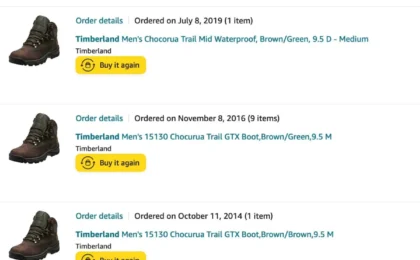
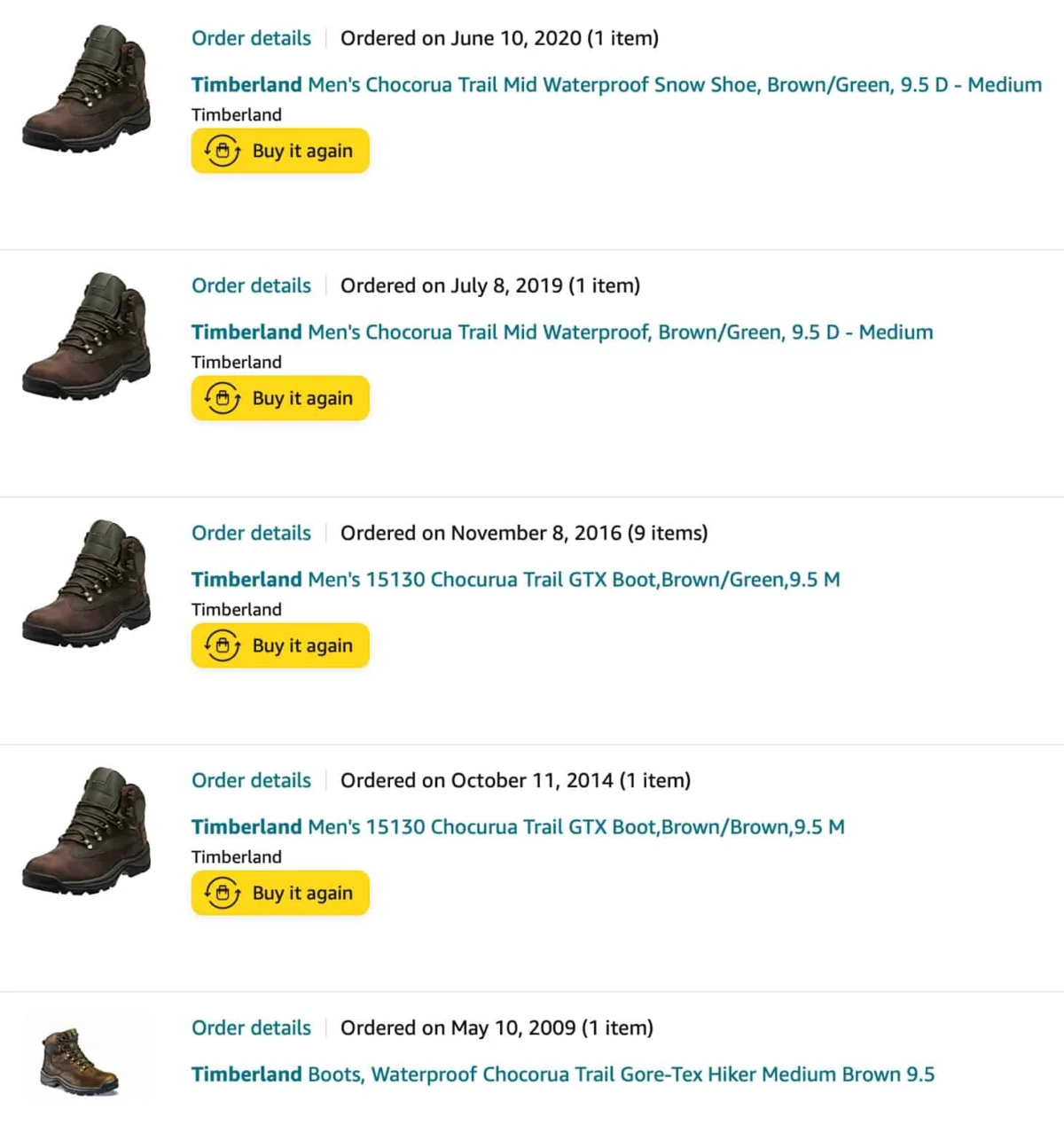
A secondary, yet equally significant, outcome of this strategy is the rise of extreme product loyalty. When a consumer puts in the work to find the perfect tool, they are unlikely to switch brands in the future. They become "lifetime users" of that specific item. This is evident in the behavior of those who stick to one specific model of hiking boot or backpack for decades. The loyalty is not to a corporation, but to the utility that the product consistently provides.
Expert Perspectives on Intentional Consumption
While "self-centered shopping" may sound like a modern buzzword, it aligns with broader trends in minimalist philosophy and intentional living. Financial experts and productivity coaches often cite this method as a superior way to allocate capital. By spending more on an item that is "exactly right," the consumer saves money in the long run by avoiding the "buy-replace-buy" cycle.
"The goal is to move away from being a consumer of things and toward being a curator of your own life," says one retail analyst. "When you define your needs, you stop being a target for marketing departments and start being a partner in the supply chain."
The "self-centered" approach also encourages manufacturers to prioritize quality over mass-market appeal. As consumers become more discerning and specific in their demands, companies that focus on niche, high-quality, and functional design find themselves with a more dedicated, resilient customer base.
Implications for the Future of Retail
The implications of this shift are profound for the retail sector. The traditional department store model, which relies on high foot traffic and "impulse" browsing, faces a significant challenge. If consumers are increasingly entering stores with a clear "shopping list" of precise requirements, the generic, one-size-fits-all inventory becomes increasingly obsolete.
The Role of Technology
The internet has been the great equalizer in this transition. It has dismantled the geographic monopolies of small-town retailers, allowing individuals to source the best product from anywhere in the world. As AI-driven search tools become more sophisticated, the ability for a consumer to find a product that meets their exact, idiosyncratic needs will only grow easier.
The Environmental and Economic Impact
Beyond personal satisfaction, there is an environmental dimension to this change. By purchasing items that are built to last and that truly fit one’s needs, consumers significantly reduce the volume of goods sent to landfills. It is a transition from a "fast-consumption" economy to a "durable-goods" economy.
Conclusion: The Joy of the "Right" Choice
Ultimately, self-centered shopping is an exercise in self-knowledge. It requires the consumer to take a moment of introspection to ask: What does my life actually require?
When one stops allowing the marketplace to dictate their options, they reclaim a sense of agency. Whether it is a wallet that fits perfectly in a pocket, a desk that facilitates efficient work, or boots that last a decade, the items acquired through this method carry a weight of satisfaction that mass-market products cannot replicate. As Marie Kondo famously posited, the goal is to surround oneself with things that "spark joy." By adopting a self-centered shopping strategy, we are not just buying products—we are building a life that is functional, intentional, and, most importantly, our own.
As we look toward the future of consumption, the message is clear: the most efficient way to shop is to stop looking for what is available, and start looking for what is necessary.