
Bridging Time and Tradition: ‘Sumpa Kingdom’ Brings the Mystique of Xizang to the Shanghai International Film Festival

The 28th Shanghai International Film Festival (SIFF), a cornerstone of global cinema, recently turned its spotlight toward the rugged, high-altitude beauty of Xizang with the screening of Sumpa Kingdom. Featured in the festival’s prestigious "Belt and Road Film Week" sidebar, the film has emerged as a meditative exploration of identity, history, and the enduring spiritual resonance of the Tibetan plateau.
The post-screening event, which drew a capacity crowd, featured director Lhapal Gyal, producer Sonam Gyal, and key cast members Tenzin Tsundue, Joy, and Sonam Wangmo. Together, they offered a glimpse into the arduous yet rewarding creative journey of bringing a piece of ancient, enigmatic history to the silver screen.
The Narrative Tapestry: A Dual-Timeline Odyssey
Adapted from the novel of the same name by acclaimed writer Miaolian, Sumpa Kingdom is a film defined by its bifurcated structure. It weaves together two distinct temporal threads that mirror the evolution of the region itself.
The first strand, set against the stark, ethereal landscapes of 1995 Nagqu, introduces the audience to a rural doctor. His life is transformed when he takes in an orphaned Tibetan baby girl, an act of altruism that sets the foundation for the film’s emotional core. This segment serves as a slow-burn study of paternal devotion and the quiet, often uncelebrated life of healers in isolated communities.
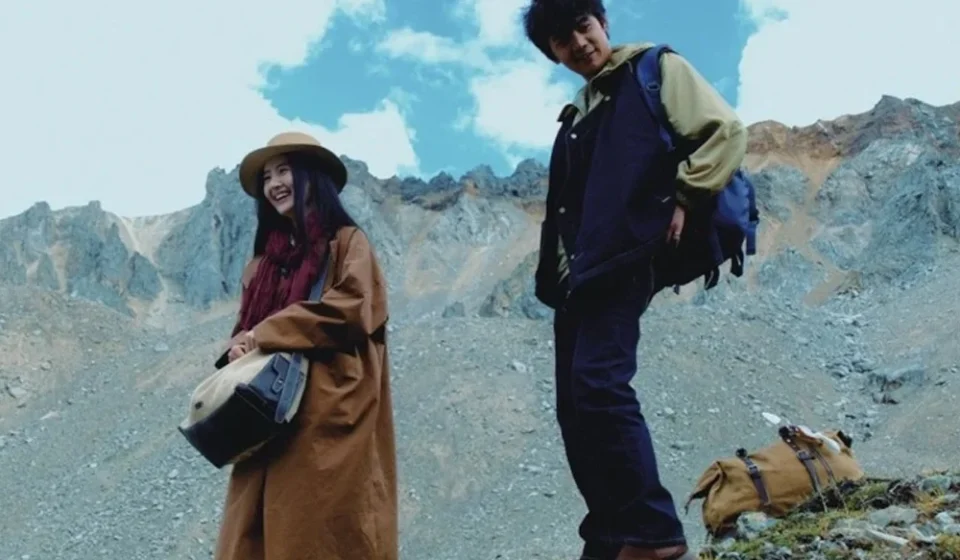
The narrative then leaps to 2024. The orphaned girl, now a young woman, embarks on a quest that is as much about self-discovery as it is about archaeology. With the blessing of her adoptive father, she joins forces with a wealthy merchant. Their journey—a physical trek across the breathtaking expanse of Xizang—becomes a metaphor for excavating the past. Together, they seek to unravel the historical enigmas of the ancient Sumpa Kingdom, a civilization that has long existed on the periphery of historical records.
Director Lhapal Gyal emphasized that while the team was deeply faithful to the spiritual essence of Miaolian’s original text, they felt a creative imperative to refine the narrative structure. "We wanted to ensure that the character dynamics felt organic," Gyal explained during the post-screening discussion. "By drawing upon our own direct experiences with the landscapes, the customs, and the contemporary pulse of Xizang, we were able to breathe a new, visceral life into the prose."
The Art of Casting: Authenticity Over Artifice
One of the most discussed elements of the production was the selection of Tenzin Tsundue for the role of Baima, the enigmatic guide who shepherds the protagonists through the harsh terrain. For Lhapal Gyal, the casting process was remarkably intuitive.
"When we met in Chengdu, there was an immediate consensus," Gyal recalled. "Tenzin possessed a natural presence—a gravity—that made the character of Baima feel tangible. I knew he was fully capable of embodying the role; an audition felt redundant, even unnecessary."
This decision highlights a growing trend in contemporary Chinese cinema toward authenticity in regional casting. Tenzin Tsundue, making his feature film debut, brought a unique layer of reality to the screen. His previous professional background as a tour guide allowed him to navigate the physical demands of the role with an ease that a less experienced actor might have struggled to replicate.
However, Tsundue remains humble about his contribution. "Even though I am Tibetan, I am portraying a different individual," he noted. "The character’s personality is a delicate balance—half of it is me, the other half is Baima. It was a conscious effort to ensure I didn’t just play ‘myself,’ but rather created a vessel for the story’s requirements."
Crafting the Romantic Dimension
In an era where cinema often defaults to high-octane melodrama, Sumpa Kingdom opts for a more restrained, atmospheric approach to interpersonal relationships. When asked about the romantic undertones between the leads, Lhapal Gyal was firm in his artistic vision.
"We did not intend for the characters to be trapped in a cycle of intense, cinematic romantic entanglement," the director stated. "In the context of the environment and the characters’ backgrounds, understated and pure affection feels far more honest. It mirrors the vastness of the land—it is expansive, quiet, and profound, rather than loud or chaotic."
Supporting actress Sonam Wangmo echoed this sentiment, reflecting on the experience of filming at the foot of the Sapu Sacred Mountain. "Though my screen time is relatively limited, being in that location was an incredibly romantic experience in its own right," she said. "The land itself is a character in this film, and it dictates the pace of the human heart."
Cultural Significance and Regional Identity
Sumpa Kingdom is more than just a drama; it is a cultural document. By highlighting the ancient history of the Sumpa people, the film taps into a growing interest in the multi-ethnic heritage of the Belt and Road region. The Shanghai International Film Festival, through its "Belt and Road Film Week," provides the ideal platform for such stories to reach a wider, international audience.
Actress Joy, who plays the central female role, expressed the deep emotional investment of the cast. "I feel profoundly honored to be the conduit for this story," she said. "To convey my love for my hometown—to show the world the beauty, the mystery, and the resilience of Xizang—is a privilege. This film is a love letter to the place that shaped us."
The production’s commitment to location-based storytelling serves as a bridge, allowing viewers who may never visit the high altitudes of Nagqu to experience the spiritual weight of the region. The interplay between the 1995 narrative, which grounds the film in the past, and the 2024 quest, which looks toward modern exploration, suggests that the mystery of the Sumpa Kingdom is not just a relic of history, but a living part of the region’s current identity.
Implications for Future Tibetan Cinema
The success of Sumpa Kingdom at the festival underscores the rising influence of regional Chinese cinema on the global stage. As audiences grow weary of homogenized, studio-driven blockbusters, films that offer specific, localized, and deeply researched cultural narratives are finding an enthusiastic reception.
The production team’s emphasis on "direct encounters" with the landscape suggests a shift toward a more immersive style of filmmaking. By integrating the physical reality of the Tibetan plateau—the weather, the altitude, the sacred geography—the film achieves a level of immersion that CGI-heavy productions often fail to capture.
As the 28th Shanghai International Film Festival continues through June 21, Sumpa Kingdom stands as a testament to the power of storytelling that balances the intimacy of human relationships with the scale of historical discovery. It sets a high bar for upcoming features in the Belt and Road sidebar, signaling that the future of regional cinema lies in its ability to marry ancient tradition with a modern, sophisticated visual language.
For the cast and crew, the journey has only just begun. As the film moves toward wider distribution, it carries with it the hope that audiences everywhere will see the Sumpa Kingdom not as a distant myth, but as a vibrant, breathing testament to the complexity of the human experience. In the quiet, expansive, and often mysterious terrain of Xizang, Lhapal Gyal and his team have managed to capture something timeless—a reminder that no matter how much time passes, the pursuit of truth remains the most essential journey of all.