Chicago has always possessed a singular, magnetic quality. It is a city of superlatives: the birthplace of the skyscraper, a titan of the American industrial age, and a cultural powerhouse that refuses to be overshadowed. From the shimmering, mirrored surface of the "Bean" in Millennium Park to the rhythmic clatter of the "L" train winding through historic neighborhoods, Chicago offers a rare alchemy of big-city ambition and deeply rooted, small-town character.
For those currently searching for a home in Chicago, or for the curious observer looking to understand the Midwest’s crown jewel, the allure is multifaceted. To understand Chicago is to understand a city that balances its grit with immense grace.
1. The Architectural Narrative: A Skyline That Defines History
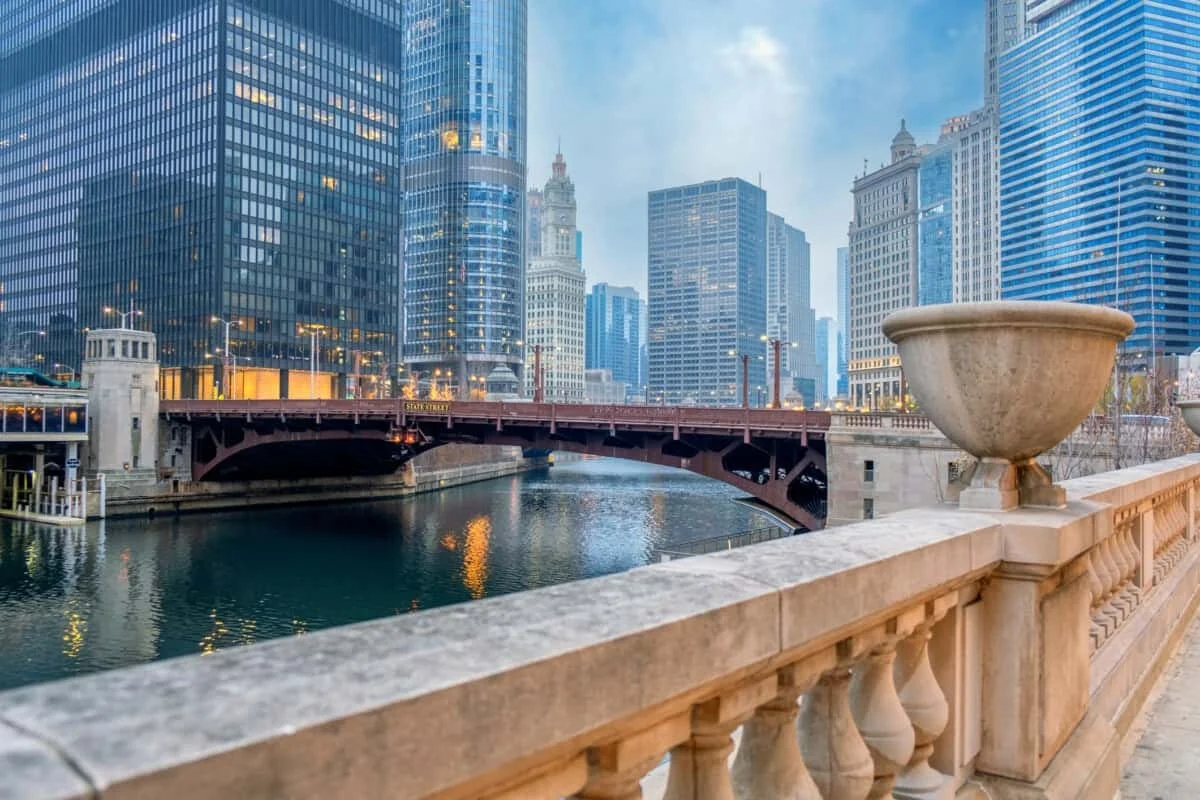
Chicago’s global reputation is anchored in its skyline, which serves as a living museum of architectural evolution. As Mersudin Velic of Urban Media Chicago notes, "The city is known worldwide for its architectural heritage, blending historic character with world-class design. From the classic terra-cotta facades of the Loop to the modern glass towers along the river, the city’s design history is visible at every street corner."
The city’s architecture is not merely aesthetic; it is civic. Carol Ross Barney of Ross Barney Architects emphasizes that "Chicago is defined by a deep commitment to shared urban life." This philosophy is best embodied by the Chicago Riverwalk, an engineering marvel that transformed a neglected industrial canal into a vibrant, pedestrian-first public corridor. This commitment to design extends from cultural landmarks like the Searle Visitor Center at Lincoln Park Zoo to the hyper-modern aesthetics of the Morgan Station in the Fulton Market district.
2. The Chicago River: From Industrial Spine to Public Oasis
The Chicago River has undergone a remarkable metamorphosis. Once the churning, industrial heartbeat of the city’s meatpacking and manufacturing sectors, it has been reclaimed for the public good. Today, the river provides a natural vantage point to appreciate the city’s dense collection of landmarks. Walking the Riverwalk, residents interact with the water through curated dining experiences, public art installations, and lush, landscaped paths. It serves as both a functional transit artery and a leisure destination, proving that urban centers can successfully reintegrate nature into their concrete frameworks.
3. The Neighborhoods: The Soul of the City
While the skyscrapers capture the postcards, the true heart of Chicago beats in its neighborhoods. Pete Lauer of Strong Towns Chicago describes the city’s unique fabric: "It’s a place where a three-flat, a corner store, a taqueria, and an ‘L’ stop sit on the same block."
This neighborhood-centric model is what sets Chicago apart from more car-dependent metropolises. Residents often rely on foot or bicycle travel, fostering a profound sense of community ownership. Whether in the vibrant streets of Pilsen, the cultural tapestry of Chinatown, or the historic charm of Andersonville, local shops remain owned by neighbors, keeping economic resources circulating within the community.
Dolores Vlad of Luminous Blooms suggests that the suburban periphery is equally compelling. "When visiting Chicago, you must stroll our quaint North Shore suburbs such as Downtown Highland Park. You will find an ample number of women-owned boutique stores. Stop by That Little French Guy for great-tasting food, or Town and Oak in Winnetka for excellent coffee and atmosphere."
Kpoene’ Kofi-Bruce from Ette the Wedding Tailor echoes this sentiment for food enthusiasts. "If you’re a food lover, Chicago is your paradise. From the authentic Mexican cuisine of Pilsen on the South Side to the Little Vietnam strip on Argyle Street in the North Side, the city has something for every palate."
4. Iconic Landmarks and Cultural Collaboration
Chicago’s cultural scene is fueled by an active, supportive community of artists. While Cloud Gate (the "Bean") remains the city’s most recognizable public art piece, the deeper cultural value lies in the local galleries. West Town serves as the current epicentre for contemporary exhibitions, with collectors flocking to spaces like the Carl Hammer Gallery or 65GRAND Gallery in Humboldt Park. Events like the monthly openings at the Chicago Fine Art Salon ensure that the city’s creative pulse remains steady, inclusive, and forward-thinking.
5. The Soundtrack of the City: Blues, Jazz, and Beyond
Chicago’s musical heritage is not a relic of the past; it is a living, breathing component of modern nightlife. The city remains the spiritual home of electric blues, with iconic venues like Buddy Guy’s Legends and Kingston Mines providing an intimate look at the legends who keep the genre alive.
For a more atmospheric experience, Ronnie Frey of Doorways of Chicago suggests the Tortoise Supper Club. "On Friday and Saturday nights, they offer live jazz, creating an unforgettable experience paired with their unparalleled Beef Wellington." Meanwhile, for those seeking the high-octane energy of a grand ballroom, the Aragon Ballroom remains a non-negotiable pilgrimage for concertgoers.
6. Culinary Staples: A Gastronomic Geography
The culinary landscape of Chicago is as hardworking and diverse as its population. As noted by Northern Fork, a local catering powerhouse, "Chicago is an incredible food city, with countless cuisines represented and iconic dishes like deep-dish pizza and the Chicago-style hotdog."
However, the local scene goes far beyond the tropes. Lauren Caruso of Chicago Wick Stop highlights the depth of the dining scene: "We have some of the best food at restaurants like Apollonia in the South Loop, serving fresh house-made pasta and black truffle puff bread, to the tavern-style pizza at Tortorice’s." After dinner, the city offers a historic nightlife scene, such as the California Clipper in Humboldt Park—a bar that has been serving patrons since 1937.
7. The "City in a Garden": Urban Parks and Greenery
Despite its industrial roots, Chicago is a triumph of urban planning. Julia Bachrach, author of The City in A Garden: A History of Chicago’s Parks, notes that the city possesses one of the nation’s most magnificent park systems. With over 2,000 acres of lakefront parkland, two glass conservatories, and Prairie-style landscapes like the Alfred Caldwell Lily Pool, the city lives up to its motto, Urbs in Horto. These spaces provide a necessary respite from the dense urban grid, ensuring that nature is never more than a short walk away.
Frequently Asked Questions
What is the defining feature of Chicago?
Chicago is defined by a unique triangulation: its historic architectural legacy, its expansive and accessible lakefront, and its neighborhood-centric design. While the skyline is world-famous, the city’s true strength lies in the distinct identity and fierce community pride found in every local district.
Is Chicago a walkable city?
Yes. With a Walk Score of 77, Chicago is the second most walkable city in the state. Its structural reliance on "L" stops and dense, mixed-use blocks allows residents to navigate daily life on foot or by bike, reducing the reliance on private vehicles.
How does Chicago’s weather impact its identity?
Chicago’s climate has forged a resilient and creative culture. The "Windy City" reputation has influenced its architecture—specifically the use of weather-resistant materials—and a lifestyle that maximizes indoor-outdoor transitions. During the summer months, residents flock to the lakefront and riverwalk, while winter encourages a cozy, interior-focused social life in the city’s many historic pubs and restaurants.
Conclusion: A City of Enduring Appeal
Chicago is more than just a destination; it is an experience that demands participation. Whether you are moving here for the professional opportunities in the Loop, the culinary exploration of the neighborhoods, or the artistic energy of the West Side, the city provides a sense of belonging that is rare in modern urban centers. It is a city that acknowledges its past while constantly iterating on its future, making it, without question, one of the most compelling places to call home in the United States.