

As we approach the midway point of 2026, the global gaming industry finds itself in a state of unprecedented creative fertility. While the calendar was long circled by industry analysts and enthusiasts alike for its promised "tentpole" releases—namely Grand Theft Auto 6, Resident Evil Requiem, and Marvel’s Wolverine—the true story of the year has been the remarkable quality of the gaps between these blockbusters.
What we are witnessing is not merely a collection of successful products, but a profound expansion of genre boundaries and a reaffirmation of the medium’s artistic potential. From the polished, high-budget aspirations of IO Interactive’s spy thrillers to the eccentric, genre-defying experiments of independent studios, 2026 has already delivered a library of titles that, in any other year, would individually define the "Game of the Year" conversation.
The State of Play: Defining the 2026 Standard
The criteria for this mid-year assessment are stringent. To be considered, a title must have maintained its momentum for at least three weeks post-launch, ensuring that the critical reception is more than just a "flash in the pan" reaction. Furthermore, these selections represent a consensus of excellence across our editorial team, reflecting games that have not only garnered critical acclaim but have also resonated deeply with the broader player base.
The following list, presented in reverse-chronological order, serves as a testament to a year where innovation and execution have converged.

1. Mina the Hollower (May 29)
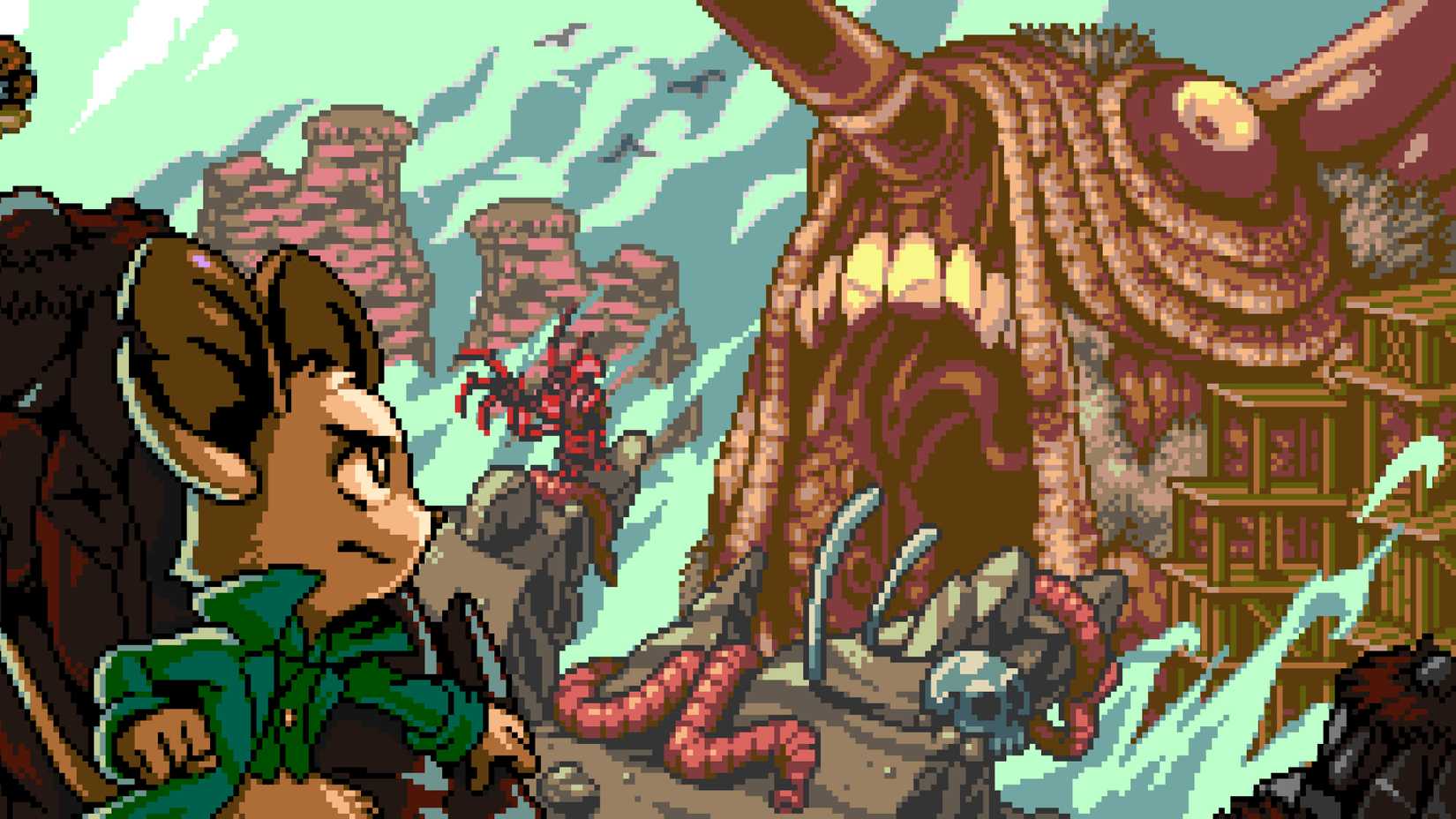
Yacht Club Games has long been a standard-bearer for retro-inspired design, but with Mina the Hollower, they have transcended simple nostalgia. The game acts as a bridge between the foundational principles of 80s top-down adventure games and the modern, rigorous combat mechanics popularized by FromSoftware. By injecting Bloodborne-esque tension into a 2D, Game Boy-inspired aesthetic, the developers have crafted a masterclass in risk-reward loops that feels both ancient and refreshingly modern.
2. 007 First Light (May 27)
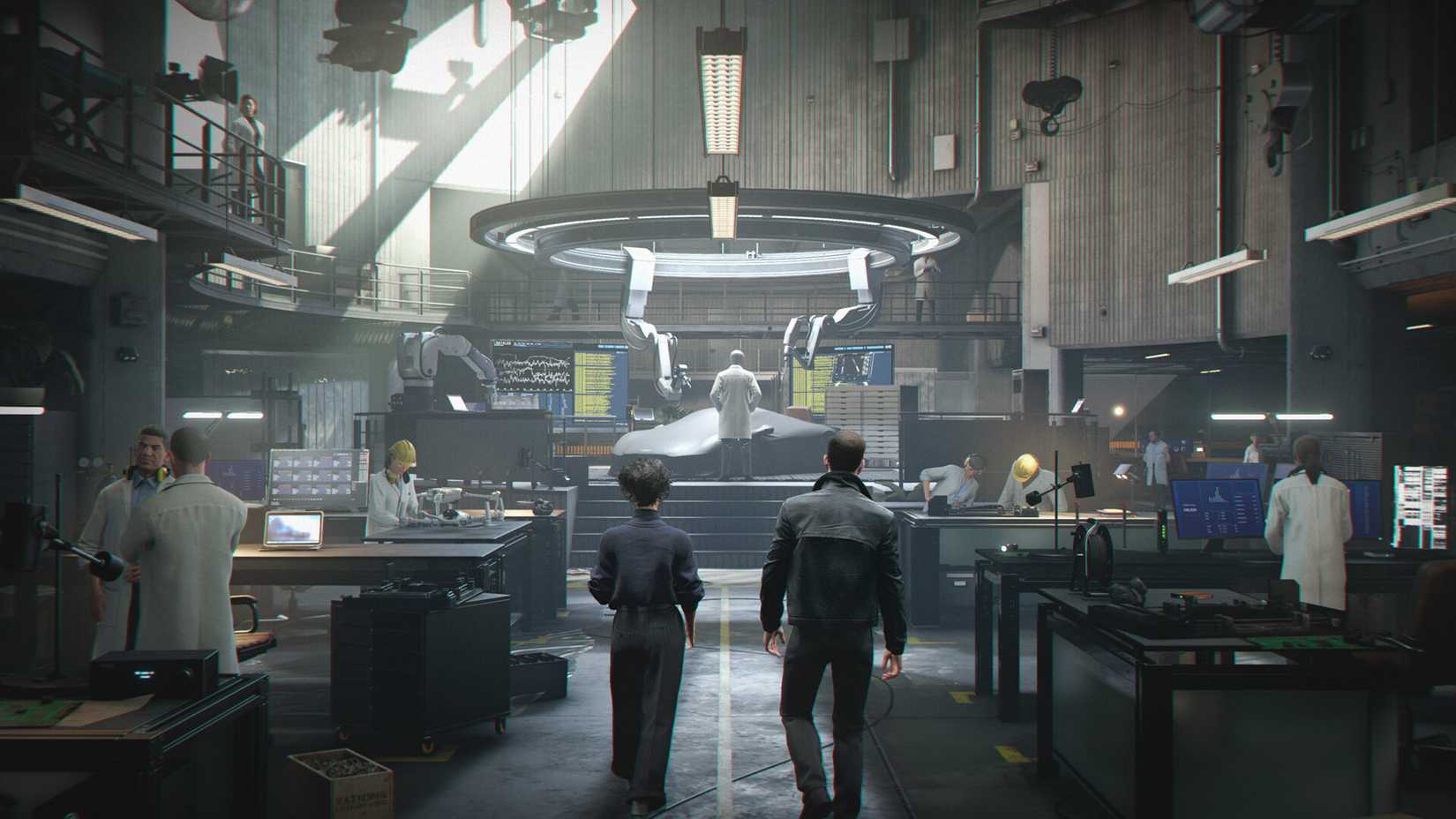
IO Interactive has effectively ended the long, dry spell for James Bond titles. 007 First Light succeeds by blending the cinematic, high-octane set pieces of the Uncharted series with the systemic, player-driven immersive simulation that IO perfected with Hitman. Patrick Gibson’s performance as a younger, defiant Bond serves as the perfect anchor for this origin story, proving that the secret agent genre still has room for evolution.
3. Titanium Court (April 23)
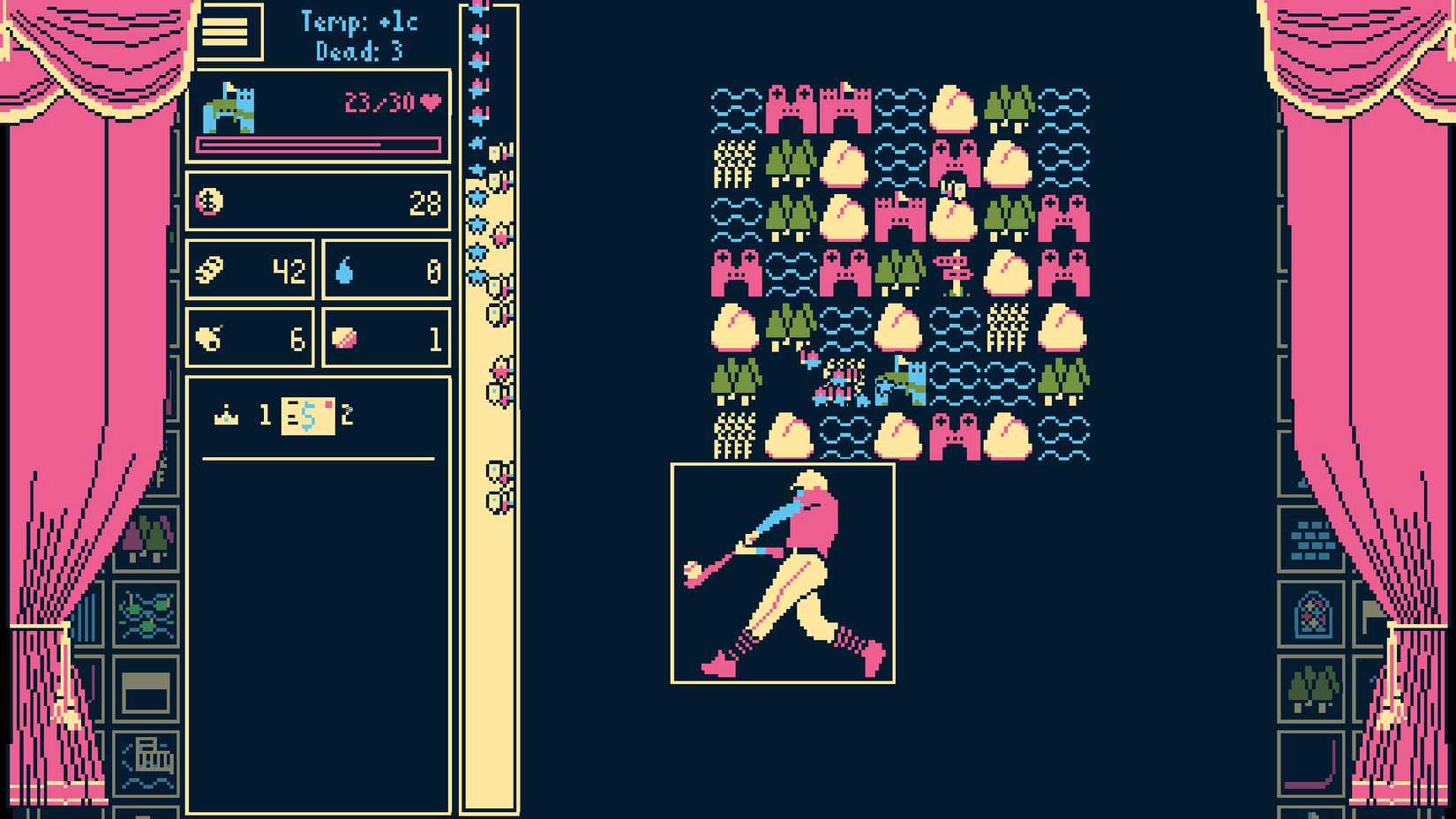
The winner of the Seumas McNally Grand Prize is perhaps the most enigmatic entry on our list. Titanium Court defies easy categorization, merging match-three mechanics, roguelike structures, and tower defense strategy into a cohesive, hilarious experience. It is a work of intellectual comedy that challenges the player’s game-design literacy while consistently surprising them with its absurdist humor—a feat often compared to a Shakespearean play viewed through the lens of a mobile puzzle game.
4. Pragmata (April 17)
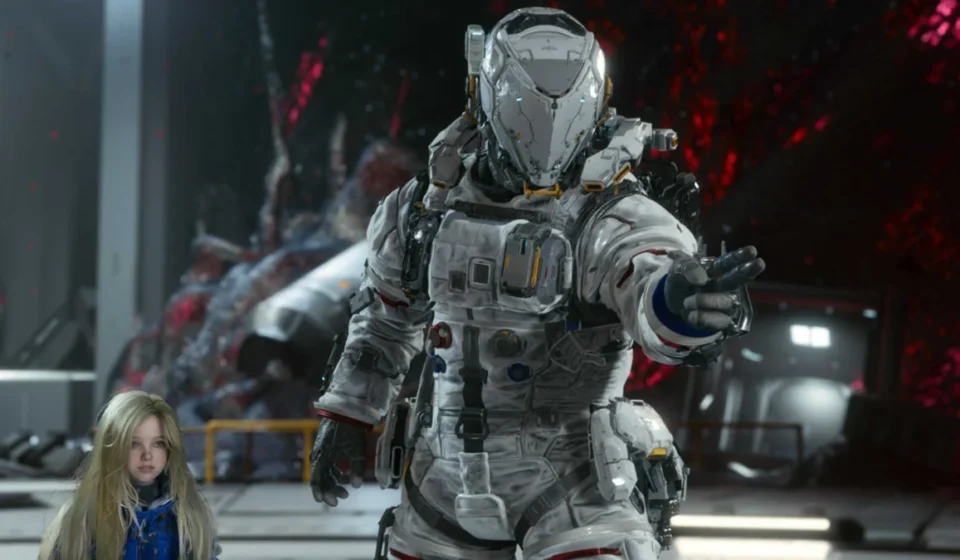
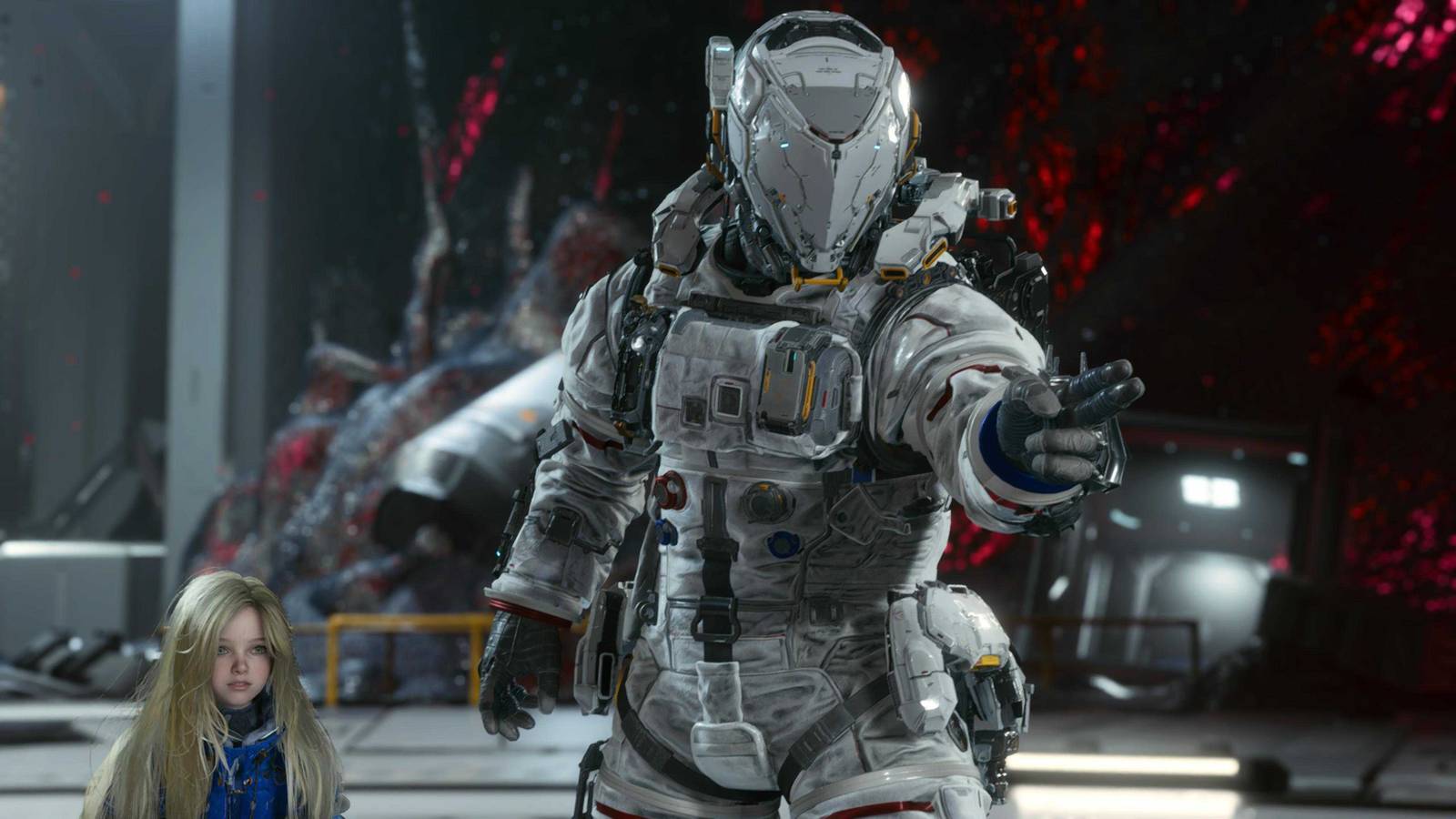
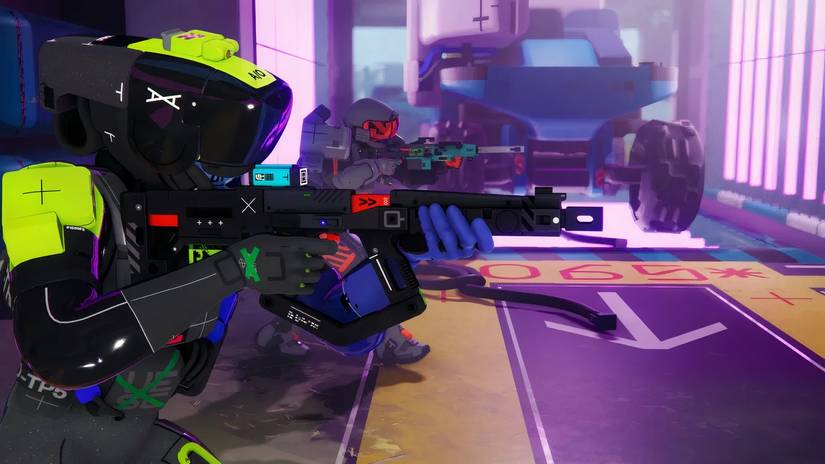
Capcom’s 2026 dominance is perhaps best exemplified by Pragmata. At a glance, the title suggests a generic sci-fi shooter, but it quickly reveals itself as a deeply inventive mechanical experiment. The game’s standout feature—a bot-hacking mechanic that requires the player to solve spatial maze puzzles while under the pressure of active combat—transforms standard gunplay into a high-intensity cognitive exercise.
5. Tomodachi Life: Living the Dream (April 16)
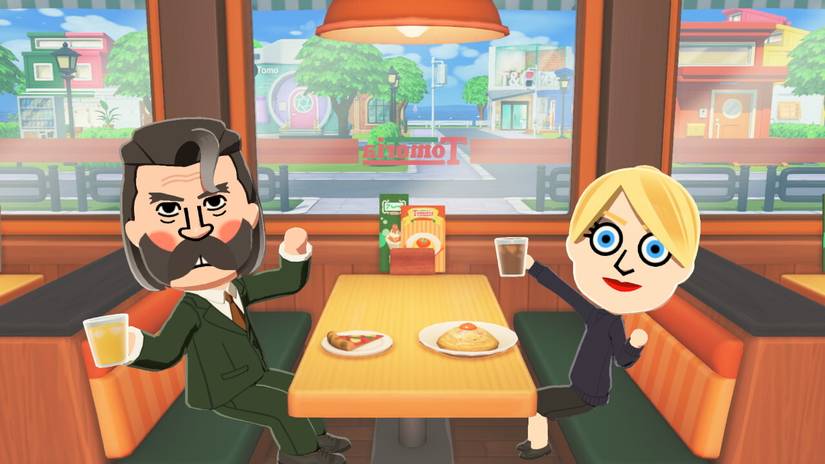
Nintendo’s latest entry in the Tomodachi series has evolved from a simple life simulation into a chaotic, unscripted reality television generator. By providing players with the tools to insert their own Mii creations into absurd scenarios, the game encourages a style of play that is less about "winning" and more about "outsmarting" the machine. It is a sandbox where the joy is found in the unintended consequences of one’s own creative inputs.
6. Marathon (March 5)
Bungie’s Marathon represents the high-water mark for the extraction shooter genre. While its initial hours are daunting—characterized by a complex UI and dense, opaque systems—the experience rewards patience. It is a game of high stakes, where every tactical decision in the field carries the weight of total loss, perfectly capturing the "high-risk, high-reward" thrill that many competitors have attempted but failed to replicate.
7. Pokémon Pokopia (March 5)
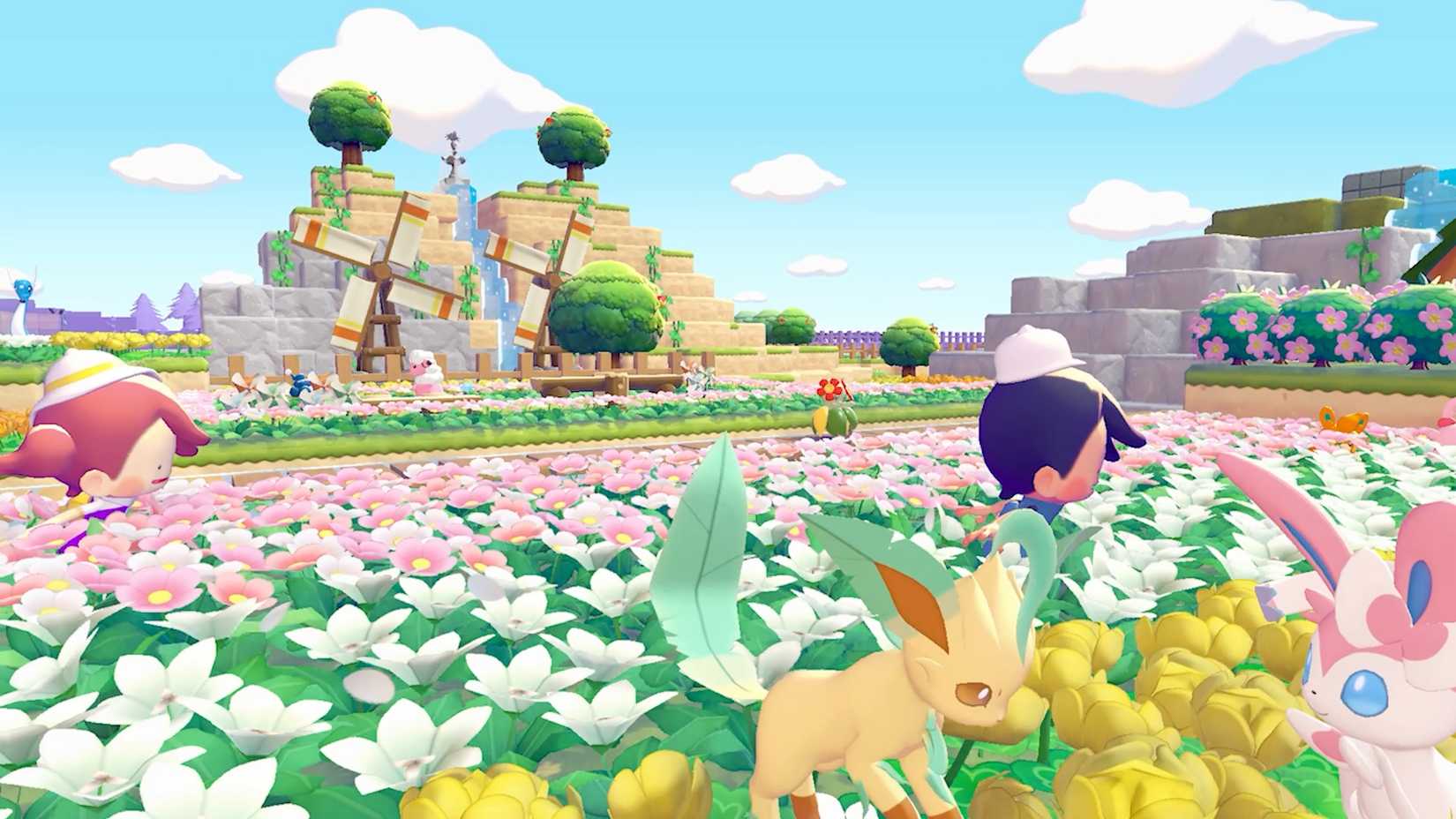
Developed by Omega Force and Game Freak, Pokémon Pokopia is a cozy life simulation that successfully pivots the franchise away from its traditional "battle-first" focus. By emphasizing habitat building and the protection of the creatures rather than just their capture, the game fundamentally shifts the player’s emotional relationship with the Pokémon roster. It is a sincere, quiet experience that highlights the potential for the series to explore new mechanical horizons.
8. Resident Evil Requiem (February 27)
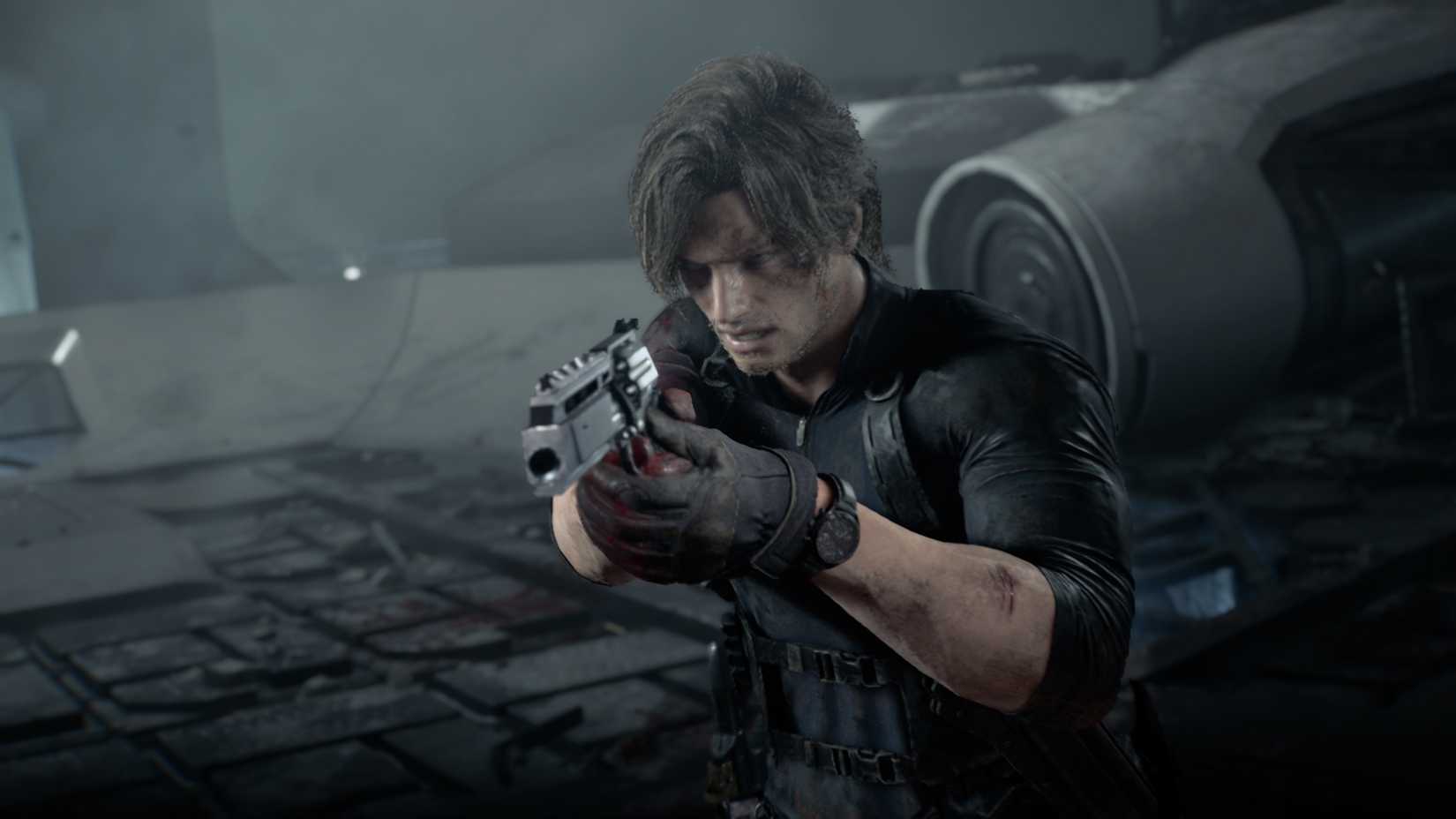
Resident Evil Requiem functions as two distinct, masterful horror experiences. It bridges the gap between the classic, claustrophobic survival horror of the series’ past and the modern action-horror iterations. By revisiting the Raccoon City incident, it allows characters like Leon S. Kennedy to finally unpack years of survivor’s guilt, turning a high-action game into a surprisingly poignant exploration of trauma.
9. Reanimal (February 13)
Tarsier Studios has returned to the atmospheric, surreal horror that made them famous, but with Reanimal, they have refined their craft to a terrifying degree. The co-op focus adds a layer of shared vulnerability that elevates the experience, making the nightmarish journey through their grotesque world feel both more intimate and more harrowing.
10. Mewgenics (February 10)
Edmund McMillen’s cat-breeding, tactics-roguelike is a testament to the power of the "passion project." It is a bottomless well of creativity, balancing juvenile humor with complex tactical depth. Players report being genuinely consumed by the process of optimizing their "cat armies," proving that even the most niche concepts can find widespread success when executed with enough mechanical care.
Implications for the Industry
The success of these titles, particularly the independent and AA projects, carries significant implications for the industry. First, it demonstrates that "Double-A" development is experiencing a renaissance. By avoiding the bloated budgets and development cycles of AAA blockbusters, these mid-sized projects have the freedom to take genuine risks.
Second, the success of genre-mashing—as seen in Pragmata and Titanium Court—suggests that players are becoming increasingly receptive to complex, multi-layered gameplay systems. The appetite for "traditional" experiences is not gone, but there is a clear, growing demand for games that challenge the player to think in new ways.
Finally, the longevity of these titles is being driven by player-generated narratives. Whether it is the emergent, chaotic stories of Tomodachi Life or the high-stakes extraction tales in Marathon, the most successful games of 2026 are those that provide a framework for players to create their own unique experiences, rather than simply guiding them through a pre-ordained narrative.
Looking Forward: A Legacy in the Making
As we look toward the second half of 2026, the question is not whether the year will be remembered as a success, but rather how much higher the bar can be raised. The industry is currently in a "Golden Age" of variety, where a high-budget spy thriller can coexist with a whimsical cat-breeding simulator, and both can be considered among the best of the year.
The developers, from the veterans at Capcom to the indie teams at Tarsier and Yacht Club, have proven that the medium is far from stagnation. If the current trajectory holds, the year-end "Best of 2026" list will not just be a summary of the best games—it will be a map of a landscape that has been irrevocably changed by a twelve-month period of relentless, high-quality output.
As we continue to monitor these titles and the ones still to come, one thing is certain: 2026 is a year that will be discussed by gamers and industry historians for a long time to come.