A Week of Contrasts: Fireworks, Political Firestorms, and Fiscal Fortitude Grip Washington

WASHINGTON D.C. – June 19, 2026 – The nation’s capital, often a crucible of policy and power, experienced a week of stark contrasts and intense activity, even as the House of Representatives was in recess. From an unprecedented display of fireworks over the National Mall following a White House-hosted UFC event to high-stakes Senate maneuvers concerning judicial nominations and national security surveillance, the past seven days offered a vivid snapshot of America’s political and economic landscape. Storm clouds gathered both literally and metaphorically, setting a dramatic backdrop for the D.C. primary and a contentious battle over the Foreign Intelligence Surveillance Act (FISA).
CQ Roll Call photojournalists captured these moments, illustrating a capital where political theater often unfolds against a canvas of everyday life and natural spectacle. The Senate, in particular, bore the brunt of legislative and nomination battles, while the Federal Reserve made a crucial decision impacting the national economy.
Main Facts: A Capital Ablaze with Activity and Debate
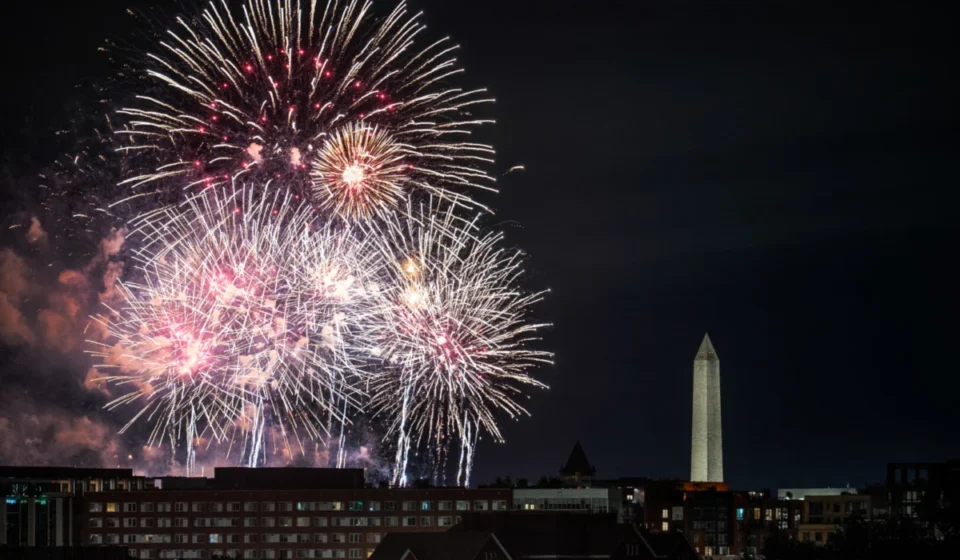
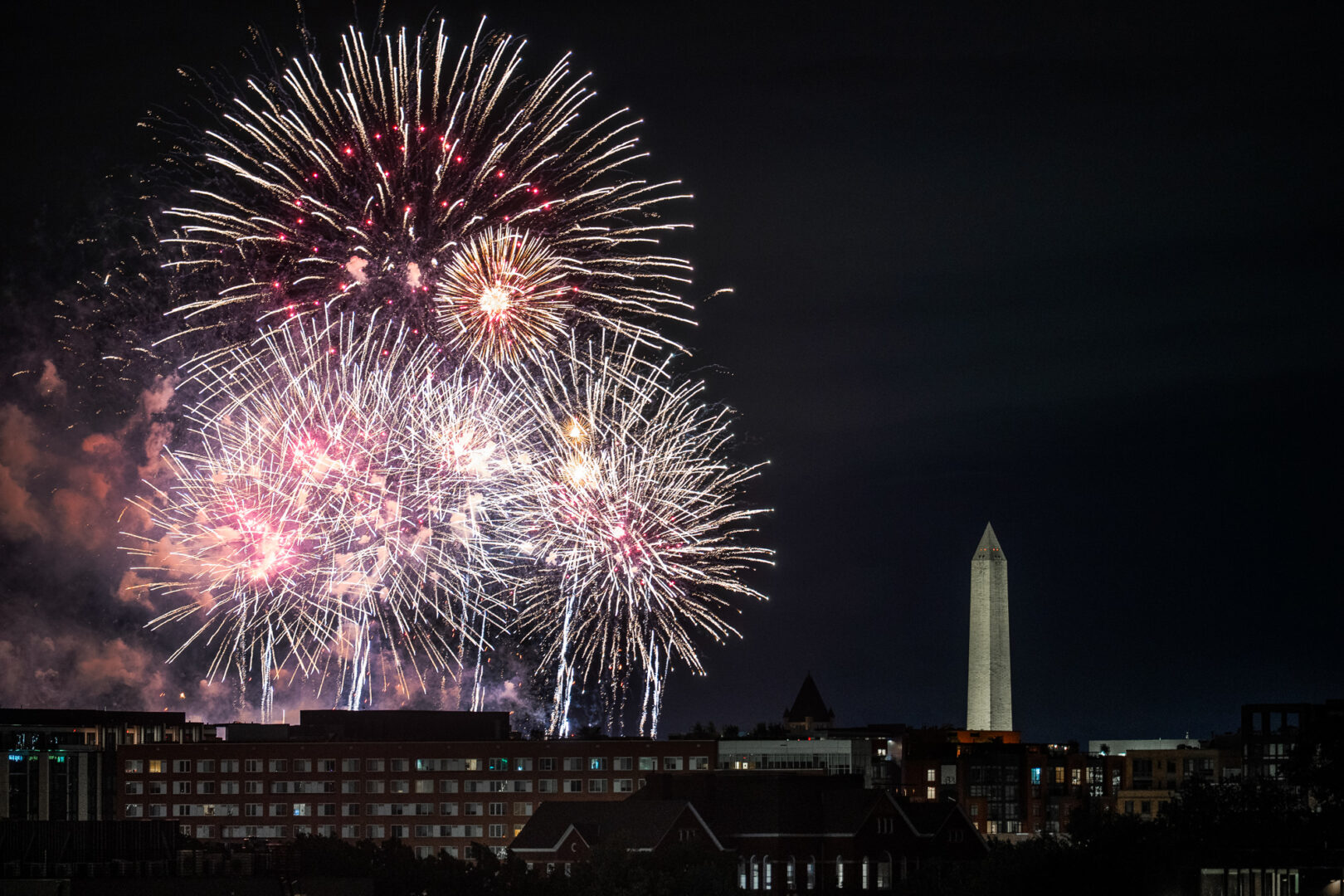
The week of June 12-19, 2026, was defined by a series of high-profile events and simmering political tensions. Kicking off with an unusual, celebratory flourish, fireworks lit up the skies over the National Mall in the early hours of Monday, June 15, following the "UFC Freedom 250" event held at the White House. This spectacle, a blend of sport and presidential engagement, provided an unexpected start to a week that quickly descended into more traditional, yet equally dramatic, political skirmishes.
Central to the week’s narrative were significant developments in presidential nominations and legislative standoffs. President Donald Trump’s nominee for Attorney General, Todd Blanche, began the arduous confirmation process with crucial meetings on Capitol Hill. Simultaneously, the Senate was grappling with the perennial and increasingly fraught debate over the reauthorization of key provisions of the Foreign Intelligence Surveillance Act (FISA), particularly Section 702. This national security debate escalated dramatically when President Trump controversially linked the extension of FISA authorities to the passage of a voter identification bill, simultaneously pulling his nominee for Director of National Intelligence (DNI), Jay Clayton, from a scheduled confirmation hearing.
Amidst these federal-level dramas, the District of Columbia held its primary election, offering a glimpse into local democratic processes. Meanwhile, the nation’s economic stewards at the Federal Reserve concluded a critical meeting, announcing a decision on interest rates that would ripple through financial markets. The convergence of these events—from the celebratory and ceremonial to the deeply contentious and consequential—underscored the multifaceted nature of governance in Washington.
Chronology of Events: A Week in Washington
The events of the past week unfolded with a rhythm of their own, punctuated by political maneuvers, legislative work, and moments of natural beauty.
Friday, June 12: A Serene Start to a Stormy Week
As the week drew to a close on Friday evening, Washington D.C. was treated to a breathtaking display of nature’s artistry. Passing thunderstorm clouds, remnants of an afternoon downpour, were dramatically illuminated by the setting sun, casting a golden-orange glow across the capital’s iconic skyline. This serene, albeit dramatic, sunset served as an unwitting prelude to the political storms that would soon dominate the discourse on Capitol Hill. The image, captured by Bill Clark of CQ Roll Call, offered a moment of calm before the whirlwind of legislative and executive action.
Monday, June 15: From Octagon to Oval, and a Crucial Nomination
The early hours of Monday morning brought an unusual spectacle to the nation’s capital. Following the "UFC Freedom 250" event, hosted by the White House, fireworks erupted over the National Mall. This high-profile event, part of a presidential initiative to engage with diverse segments of the American public and promote physical fitness and national pride, saw top mixed martial arts fighters gather for demonstrations and discussions, culminating in a celebratory pyrotechnic display. While some hailed it as a unique blend of culture and civic engagement, others questioned the appropriateness of such an event at the Executive Mansion, particularly given the nation’s pressing political agenda.

Later that day, the more traditional gears of Washington began to grind. Todd Blanche, President Donald Trump’s nominee to be the next Attorney General, arrived on Capitol Hill to begin his confirmation circuit. Blanche, a prominent legal figure known for his recent high-profile defense work, met with Senate Judiciary Chairman Charles E. Grassley, R-Iowa, in the Hart Senate Office Building. This initial meeting marked the formal commencement of what is expected to be a rigorous confirmation process. Given the highly politicized nature of the Justice Department and the controversies that have often surrounded the Attorney General’s office in recent years, Blanche’s nomination is anticipated to face intense scrutiny from both sides of the aisle, focusing on his legal philosophy, independence, and past professional affiliations.
Tuesday, June 16: Legislative Insights and Local Democracy
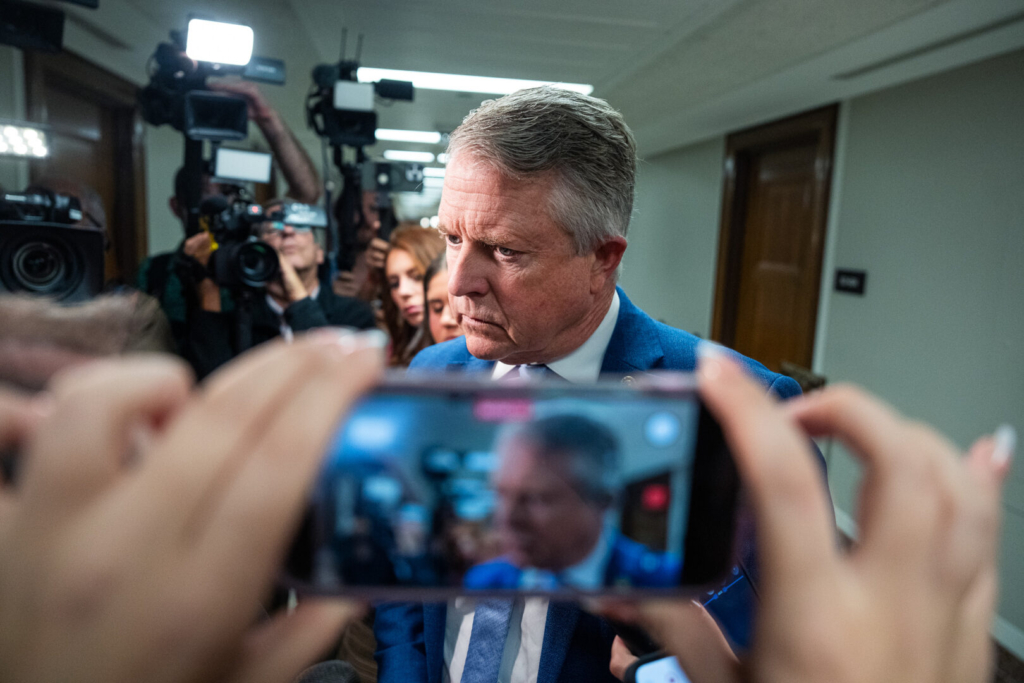
Tuesday saw continued activity in the Senate and a significant exercise in local democracy. Senator Roger Marshall, R-Kan., was seen conversing with reporters outside a Senate Budget Committee hearing in the Dirksen Senate Office Building. While the specifics of his remarks were not widely disseminated, his presence underscored the ongoing legislative work, particularly concerning the nation’s fiscal health and budgetary priorities. The Senate Budget Committee regularly tackles contentious issues ranging from federal spending and debt ceilings to economic policy, placing Senator Marshall at the forefront of these critical discussions.
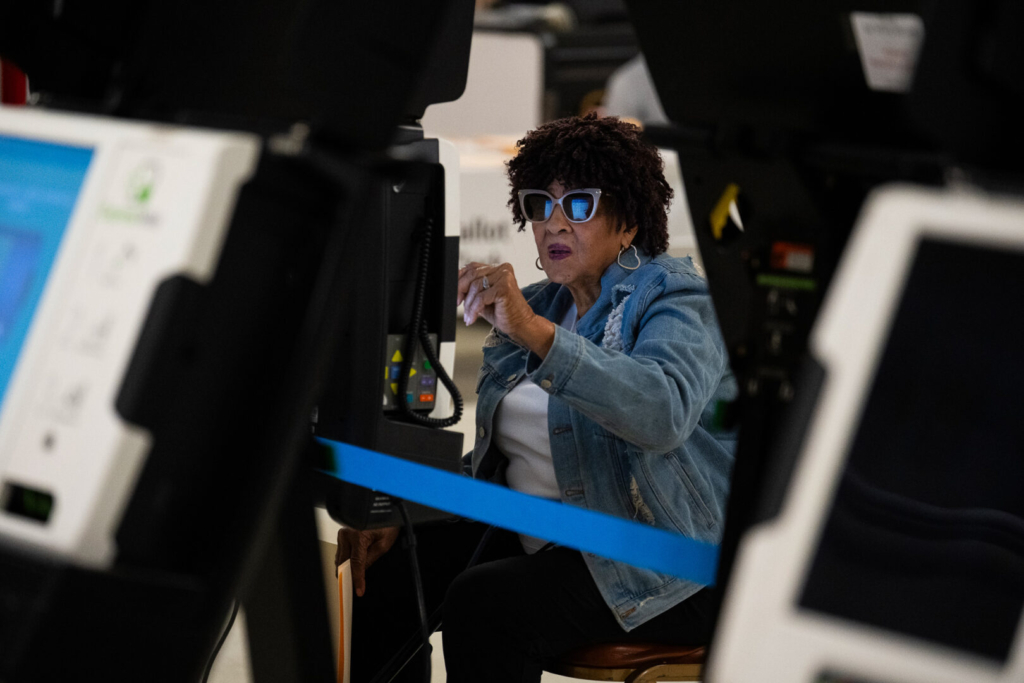
Concurrently, citizens of the District of Columbia headed to the polls for their primary election. A voter was captured filling out her ballot at the Calvary Episcopal Church in Washington, participating in the vital local process of selecting candidates for various municipal offices, including mayoral, council, and delegate races. D.C. primaries are often keenly watched for their implications on local governance and can serve as a bellwether for broader urban political trends. The election, while focused on local issues, also highlighted the ongoing debate surrounding D.C. statehood and the unique political status of the nation’s capital.
Wednesday, June 17: Committee Work, Leadership, and the FISA Flashpoint
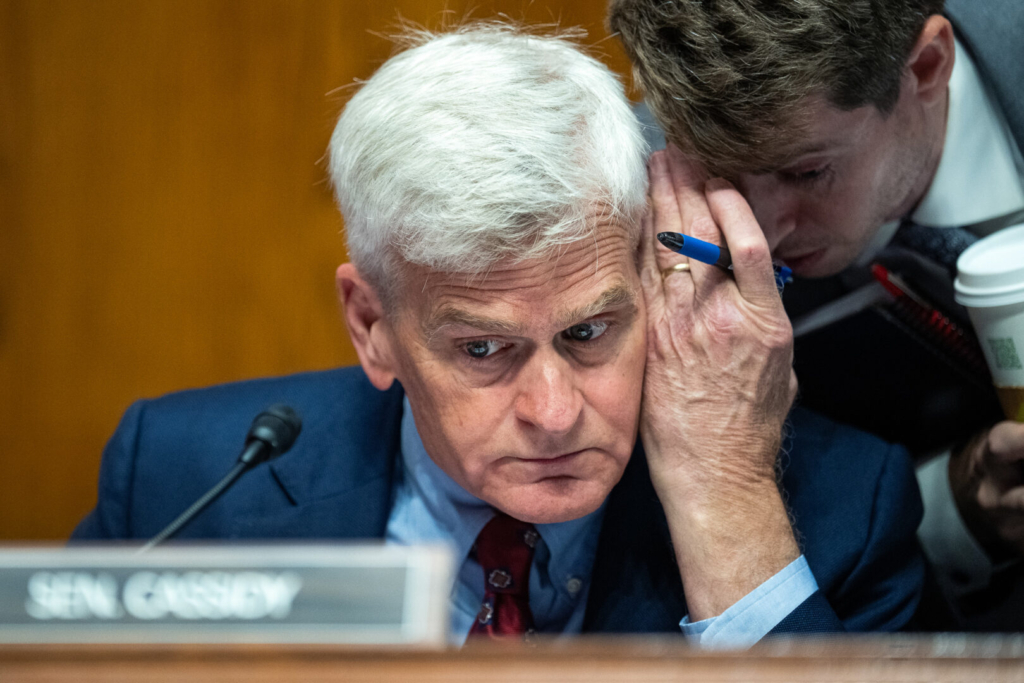
Wednesday proved to be a pivotal day, encapsulating the legislative grind, the mechanics of leadership, and a dramatic standoff over national security. In the Dirksen Senate Office Building, Chairman Bill Cassidy, R-La., was seen conferring with an aide during a Senate Health, Education, Labor and Pensions (HELP) Committee markup. The HELP Committee is a vital legislative body, responsible for a broad range of policies affecting nearly every American, from healthcare access and educational funding to labor rights and retirement security. Markups are critical stages where bills are debated, amended, and prepared for a full Senate vote, highlighting the detailed, often behind-the-scenes work of Congress.
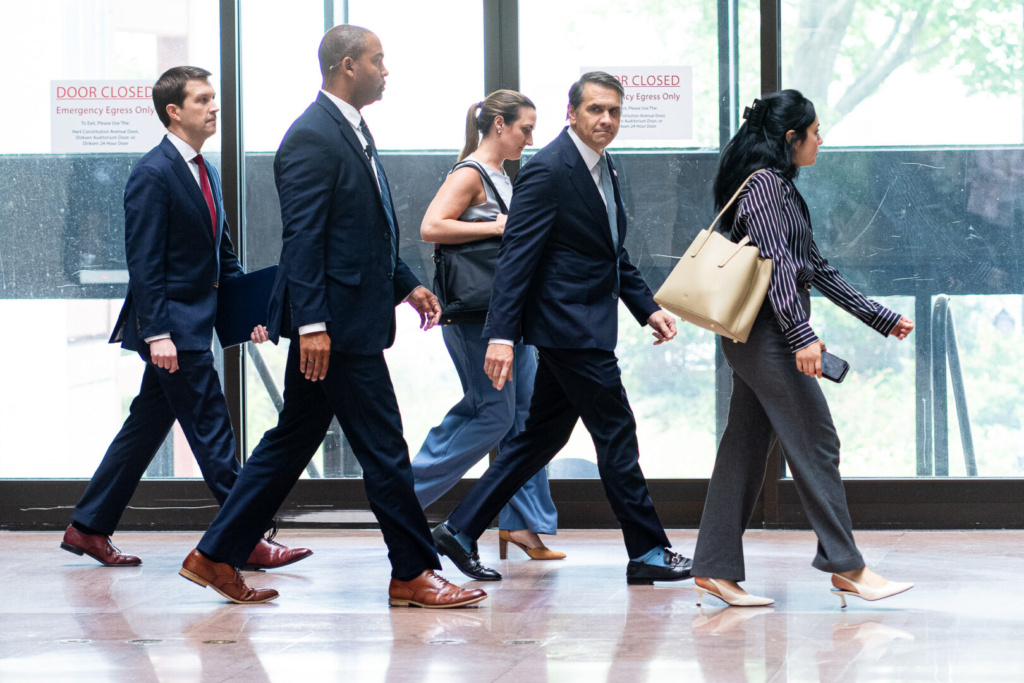
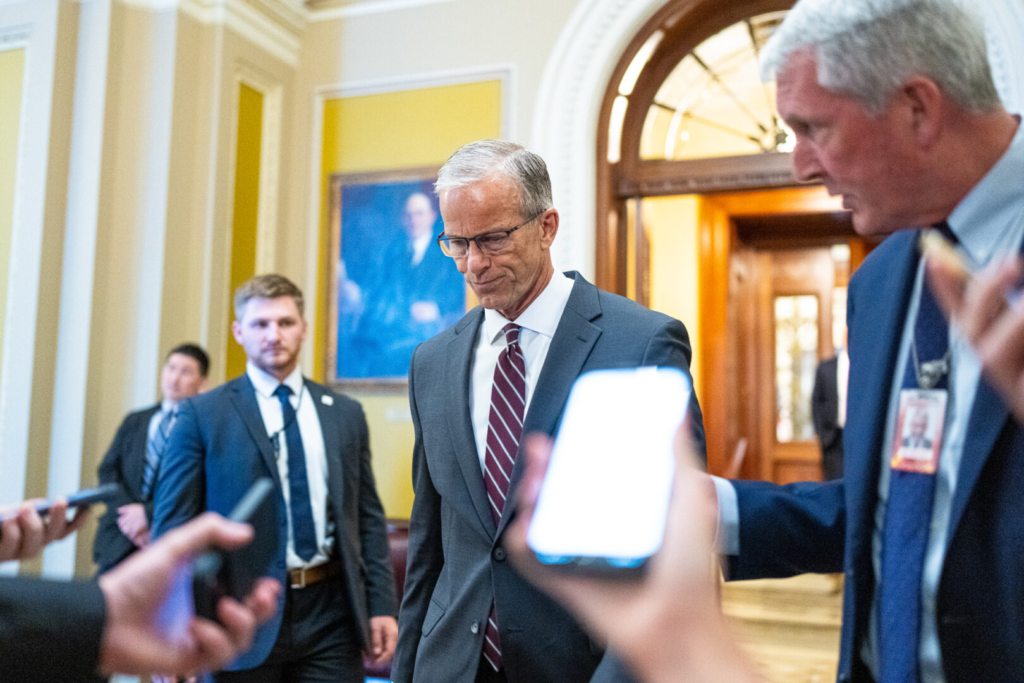
Across Capitol Hill, Senate Majority Leader John Thune, R-S.D., was observed walking from the Senate floor to his office. As a key Republican leader, Thune’s movements often signal the pulse of the Senate’s agenda, reflecting his constant engagement in strategy, negotiation, and guiding the legislative priorities of his caucus. His visible presence underscored the Senate’s active role while the House was on recess.
However, the day’s most explosive development centered on the Foreign Intelligence Surveillance Act (FISA) and a surprising presidential intervention. Democratic Senators Mark Kelly, D-Ariz., Mark Warner, D-Va., Minority Leader Charles E. Schumer, D-N.Y., and Ron Wyden, D-Ore., held an urgent news conference in the Capitol. Their gathering was in response to President Trump’s sudden decision to pull Jay Clayton, his nominee for Director of National Intelligence, from his planned confirmation hearing. Even more controversially, the President announced that any extension of critical foreign surveillance authorities under FISA would need to be coupled with a voter identification bill. This move sparked immediate outrage among Democrats, who decried it as an unprecedented and dangerous politicization of national security and a cynical attempt to attach a divisive electoral issue to vital intelligence legislation. The DNI vacancy, particularly in a period of complex global challenges, also raised concerns about national security leadership.
Finally, Wednesday also saw the Federal Reserve conclude its Federal Open Market Committee (FOMC) meeting. Federal Reserve Chairman Kevin Warsh announced that interest rates would remain unchanged. This decision, following careful consideration of inflation data, employment figures, and broader economic indicators, signaled the Fed’s assessment of the current economic stability and its cautious approach to monetary policy amidst ongoing domestic and global uncertainties. The announcement was closely watched by financial markets and businesses alike, given the profound impact of interest rates on borrowing costs, investment, and economic growth.
Supporting Data and Context: The Threads of Washington
The week’s events did not occur in a vacuum but were interwoven with the broader political, economic, and social fabric of the nation.
The Executive’s Assertiveness: President Trump’s actions regarding the DNI nomination and the linkage of FISA reauthorization to a voter ID bill underscore a presidency unafraid to employ aggressive tactics to achieve its agenda. The "UFC Freedom 250" event, while ostensibly a public engagement effort, also fits into a pattern of unconventional presidential events designed to connect directly with specific demographics and project an image of strength and dynamism. These moves reflect a White House willing to challenge established norms and leverage executive power to push its priorities.
FISA Section 702 Debate: The Foreign Intelligence Surveillance Act, particularly Section 702, allows the U.S. government to collect the communications of non-Americans located outside the United States for foreign intelligence purposes, even if those communications involve Americans. Proponents argue it is an indispensable tool for national security, crucial for detecting terrorist plots and cyber threats. Critics, however, raise significant concerns about potential abuses, privacy violations, and the "incidental" collection of American citizens’ data. The debate over its reauthorization is a perennial struggle between national security imperatives and civil liberties, and President Trump’s attempt to link it to a voter ID bill introduced an entirely new, highly contentious dimension.
The Attorney General’s Role: The Attorney General is the chief law enforcement officer of the United States and the head of the Department of Justice. The position is critical for upholding the rule of law, overseeing federal investigations, and shaping criminal justice policy. The nomination of Todd Blanche comes at a time when the Justice Department has been under intense scrutiny, and its independence has been a frequent subject of public and political debate. His confirmation process is therefore not just about his qualifications but also about the perceived integrity and impartiality of federal law enforcement.
Economic Prudence: The Federal Reserve’s decision to hold interest rates steady reflects a nuanced assessment of the American economy. While inflation might have shown signs of cooling, employment figures could indicate steady, but not overheating, growth. The Fed’s cautious stance aims to maintain economic stability, support sustainable growth, and prevent inflationary pressures without stifling economic activity, all while navigating global economic headwinds. Chairman Warsh’s remarks would have likely emphasized the Fed’s data-dependent approach and commitment to its dual mandate of maximum employment and price stability.
Official Responses and Political Fallout
The week’s developments elicited sharp reactions from across the political spectrum, particularly regarding the FISA and DNI controversies.
The White House’s Stance: While no immediate comprehensive statement was issued directly after the DNI withdrawal and FISA linkage, administration sources, speaking on background, indicated that the President’s move was intended to force Congress to address what he views as critical election integrity issues. They argued that a robust voter ID system is essential for fair elections and that linking it to FISA reauthorization was a legitimate exercise of presidential leverage to secure both national security and domestic priorities. The administration likely defended the UFC event as a successful public engagement initiative, showcasing American strength and cultural reach.
Democratic Outcry: Democratic leaders were unified in their condemnation of President Trump’s actions on FISA. Minority Leader Charles E. Schumer labeled the move as "reckless and dangerous," accusing the President of jeopardizing national security for partisan gain. Senator Warner, a senior member of the Intelligence Committee, expressed grave concerns about leaving the DNI position vacant during a period of heightened global threats, emphasizing the importance of consistent intelligence leadership. Senator Wyden, a staunch advocate for privacy, criticized the politicization of FISA, arguing that its reauthorization should be debated on its merits concerning surveillance reform, not as a bargaining chip for unrelated legislation. Senator Kelly echoed these sentiments, highlighting the potential harm to the nation’s intelligence capabilities.
Republican Divisions: The President’s move on FISA also created palpable tension within the Republican ranks. While some conservatives may have welcomed the push for voter ID, many national security hawks and traditional Republicans expressed unease about linking it to FISA and the DNI nomination. Senate Majority Leader John Thune, while publicly supporting the President’s broader agenda, would have faced the challenge of uniting his caucus on the path forward, balancing presidential demands with the legislative realities and national security imperatives. Some Republicans might have privately voiced concerns about the precedent set by such a linkage.
Implications and Outlook
The events of the past week have significant implications for the legislative agenda, executive-legislative relations, and the political climate heading into the latter half of 2026.
FISA’s Uncertain Future: The standoff over FISA reauthorization now faces an even more precarious path. The President’s linkage to voter ID could either force an uncomfortable compromise or lead to a lapse in critical surveillance authorities, which intelligence agencies have warned would severely hamper national security. The debate is likely to intensify, potentially consuming significant legislative time and energy, and its outcome will have profound consequences for U.S. intelligence gathering.
Executive-Legislative Strain: President Trump’s willingness to withdraw a DNI nominee and attach unrelated conditions to vital legislation signifies a heightened level of executive assertiveness and a willingness to confront Congress. This approach could further strain an already often contentious relationship between the White House and Capitol Hill, potentially leading to more legislative impasses and a more combative political environment.
National Security Leadership: The vacancy at the Director of National Intelligence position, particularly under such circumstances, raises concerns about the continuity and effectiveness of intelligence coordination. The DNI plays a crucial role in overseeing the 18 agencies of the U.S. Intelligence Community. A prolonged vacancy could leave a leadership void at a critical time for global security.
Impact on 2026 Elections: The push for a national voter ID bill, even if ultimately unsuccessful, will undoubtedly energize both sides of the political spectrum. It will become a rallying cry for some and a point of fierce opposition for others, likely playing a significant role in the narratives leading up to the 2026 midterm elections. The D.C. primary results will also offer early indicators of local political currents and potential shifts in urban voter sentiment.
Economic Stability vs. Political Turbulence: The Federal Reserve’s steady hand on interest rates offers a degree of economic predictability amidst political turbulence. However, should political gridlock or national security concerns escalate, they could introduce new uncertainties that even a stable monetary policy might struggle to counteract. The interplay between political stability and economic confidence remains a delicate balance.
In essence, the past week in Washington was a microcosm of contemporary American governance: a blend of high-stakes political maneuvering, the solemn duties of public service, local democratic engagement, and the ever-present drama of a capital perpetually in motion. As the fireworks faded, the political firestorms continued to rage, promising an eventful path forward for the nation.