Introduction: A Visionary’s New Chapter
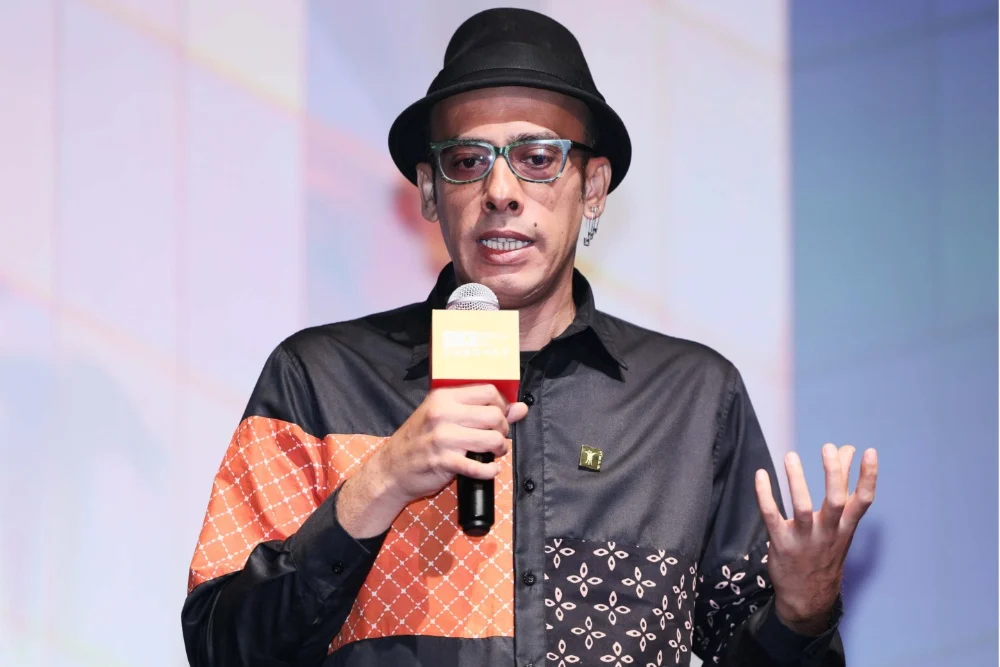
Acclaimed Indonesian filmmaker Ismail Basbeth, a prominent voice in contemporary Southeast Asian cinema, has officially unveiled his next directorial endeavor, Love Letters of Our Life. The announcement comes at a pivotal moment in Basbeth’s career as he stands on the global stage at the Shanghai International Film Festival (SIFF). Currently, the director is premiering his latest work, My Own Last Supper, which is contending for top honors in the festival’s prestigious main competition.
Love Letters of Our Life promises to be a departure from the starker thematic explorations often found in Basbeth’s filmography, shifting toward a poignant, character-driven narrative that explores the enduring power of memory, nostalgia, and the complex identity of the Chinese diaspora in Indonesia.
Main Facts: The Anatomy of a Period Romance
According to Cecile Suciadi, Chief Operating Officer of Kami Sinema, the production house behind the project, Love Letters of Our Life is a romantic drama firmly anchored in the cultural landscape of 1995 Indonesia. The narrative arc focuses on a rekindled romance—a love story that, having been lost for over three decades, finds its way back to the surface.
The film serves as a love letter to a bygone era of communication. Set in a time predating the ubiquity of high-speed internet and instant messaging, the film aims to capture the deliberate, often agonizing, but ultimately romantic nature of analog correspondence. By centering the story in 1995, Basbeth intends to tap into a specific frequency of nostalgia—a time that feels both proximate and profoundly distant in the digital age.
The project is deeply rooted in Indonesian pop culture, drawing its primary thematic inspiration from the iconic 1995 ballad “Cintaku Tak Terbatas Waktu” (Unlimited Love), popularized by singer Anie Carera. The song’s title serves as a thematic thesis for the film, suggesting that love, when authentic, remains immune to the erosive nature of time and separation.
Chronology and Production Roadmap
The journey of Love Letters of Our Life is moving at an ambitious pace. With the project now in its advanced pre-production phase, Kami Sinema has outlined a tight, focused production schedule:
- Pre-Production (Current): The team is currently finalizing casting and location scouting, while simultaneously integrating the creative team that worked on My Own Last Supper.
- Principal Photography: The production is slated to commence in August, with an 18-day shooting window spanning through September.
- Post-Production (Projected): Given the creative continuity provided by returning crew members, the studio anticipates a streamlined post-production process, aiming for a festival circuit run throughout 2025.
This timeline reflects a growing trend in independent Southeast Asian cinema—the transition from festival darling to a sustainable, high-quality production model that relies on established creative synergies to optimize limited shooting schedules.
Supporting Data: The Creative Engine
The success of any film directed by Basbeth is often attributed to his collaborative approach. Love Letters of Our Life is, in many ways, a reunion of the creative force behind My Own Last Supper. This continuity is expected to provide the new film with a cohesive aesthetic and emotional depth.
Key personnel confirmed for the project include:
- Charlie Meliala: The veteran music producer, whose long-standing partnership with Basbeth has yielded scores for four previous features, will return to craft the film’s sonic identity. Given the film’s reliance on the 1995 song “Cintaku Tak Terbatas Waktu,” Meliala’s role in balancing period-accurate soundscapes with contemporary scoring will be vital.
- Olivia Irawan Chen: Having portrayed the daughter of the protagonist in My Own Last Supper, Chen is expanding her involvement. She will transition into a scripting and creative production capacity, signaling a deeper integration of talent behind the camera.
This "reunion" model ensures that the delicate, often nuanced visual language Basbeth is known for remains consistent, allowing the team to hit the ground running during their brief 18-day shoot.
Official Responses and Strategic Vision
Cecile Suciadi of Kami Sinema expressed both pride in the current international recognition and optimism for the future. "It’s set in 1995, so it’s not so old, but not new either," Suciadi remarked during the SIFF press events. "Without the internet back then, it’s a bit more romantic. We want to emphasize the nostalgic romance of the period."
The strategic vision for the film is not merely to capture a local audience but to participate in the growing international appetite for Southeast Asian stories. "We hope next year, we can still come here [to Shanghai] again," Suciadi added, underscoring the importance of international film festivals in providing a global platform for Indonesian narratives. By securing a presence at SIFF, Kami Sinema is positioning Love Letters as an exportable, high-art cultural product.
Implications: The Chinese Diaspora in Southeast Asian Cinema
One of the most significant aspects of Love Letters of Our Life is its exploration of Chinese heritage in Indonesia. This subject matter is not merely incidental; it is central to the film’s cultural weight.
In recent months, the global film industry has witnessed a surge in interest regarding the Chinese diaspora in Southeast Asia. This trend was catalyzed by the unexpected box-office success of Dear You, a film that chronicled the historical trauma and enduring familial bonds of Chinese migrants in Thailand following the Second World War. By tackling similar themes, Basbeth positions his work within a broader, urgent conversation about identity, displacement, and the reclamation of history.
For Indonesian audiences, this represents a crucial exploration of the multi-faceted nature of their national identity. For international audiences, it provides a window into the nuanced realities of a demographic that has historically been underrepresented or simplified in global cinema. Basbeth’s approach—blending the personal (a romance) with the political (diasporic identity)—is a sophisticated maneuver that elevates the film from a simple love story to a socio-historical document.
Conclusion: A Reflective Future
As Ismail Basbeth prepares to transition from the premiere of My Own Last Supper to the production of Love Letters of Our Life, the industry remains watchful. His ability to weave intimate, personal narratives into the fabric of broader historical and cultural contexts has established him as a filmmaker of consequence.
Love Letters of Our Life arrives at a time when the world is re-evaluating the role of memory and connection. By setting his lens on the analog romance of the mid-90s, Basbeth is not just telling a story about the past; he is challenging modern audiences to consider what has been lost—and what can still be recovered—in an age of rapid digital acceleration.
As the production team readies their cameras for the upcoming August shoot, the anticipation for this project continues to build. If the dedication of the creative team and the thematic depth of the script are any indication, Love Letters of Our Life is poised to be another milestone in the renaissance of Indonesian cinema, ensuring that the dialogue between the past and the present remains as unlimited as the love it seeks to portray.