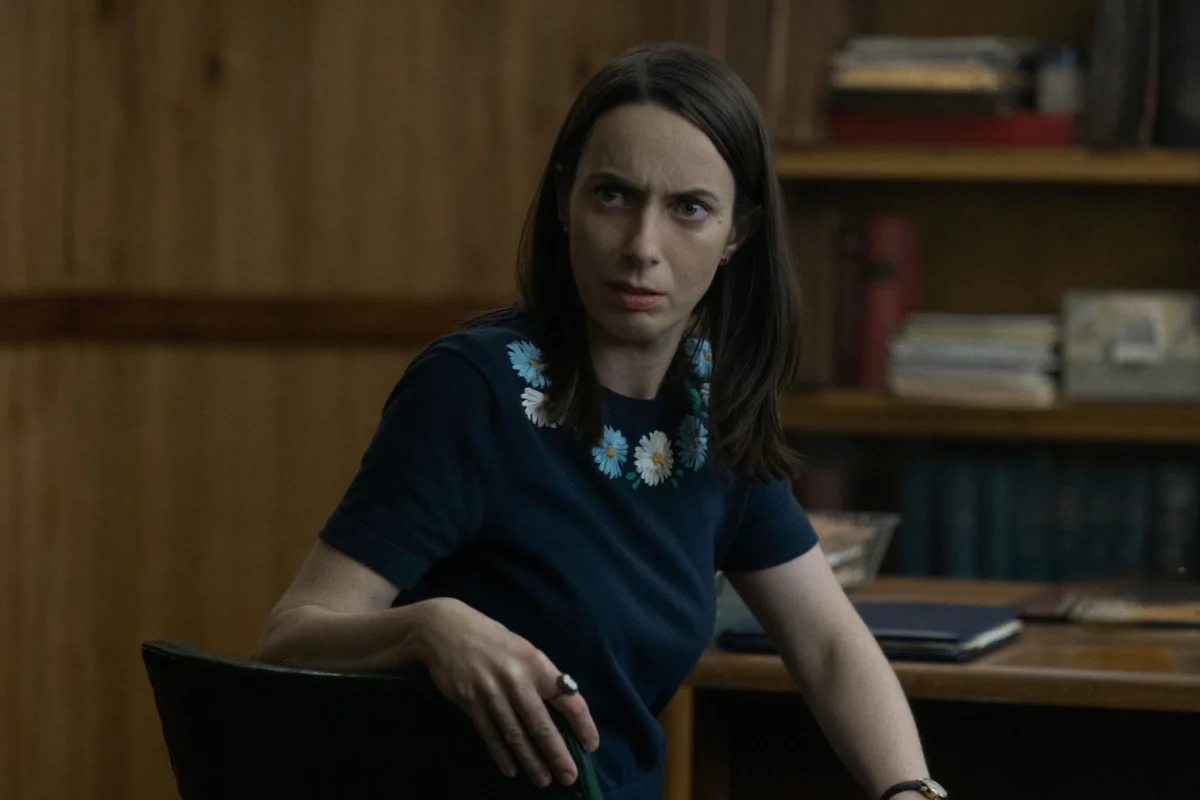
The final installment of Apple TV’s breakout horror-comedy Widow’s Bay, titled "We Hope You Enjoyed Your Time!", serves as a masterclass in tonal balancing. For those residing within the fictional, beleaguered island town—a locale plagued by sea hags, occult cults, and a slasher who would make Michael Myers blush—the summer has been anything but "chill." However, for the audiences watching the series unfold from the safety of their living rooms, the season has been a resounding triumph.
As Widow’s Bay cements its status as a leading contender for the best new television series of 2026, its season one conclusion offers more than just jump scares; it provides a profound, character-driven exploration of moral compromise. To unpack the intricate finale, we sat down with executive producer and director Hiro Murai, who helmed five of the season’s ten episodes, to discuss the weight of the town’s history and the unsettling secrets that remain buried in the sand.
The Mythology of the Bay: A Chronology of Cursed Roots
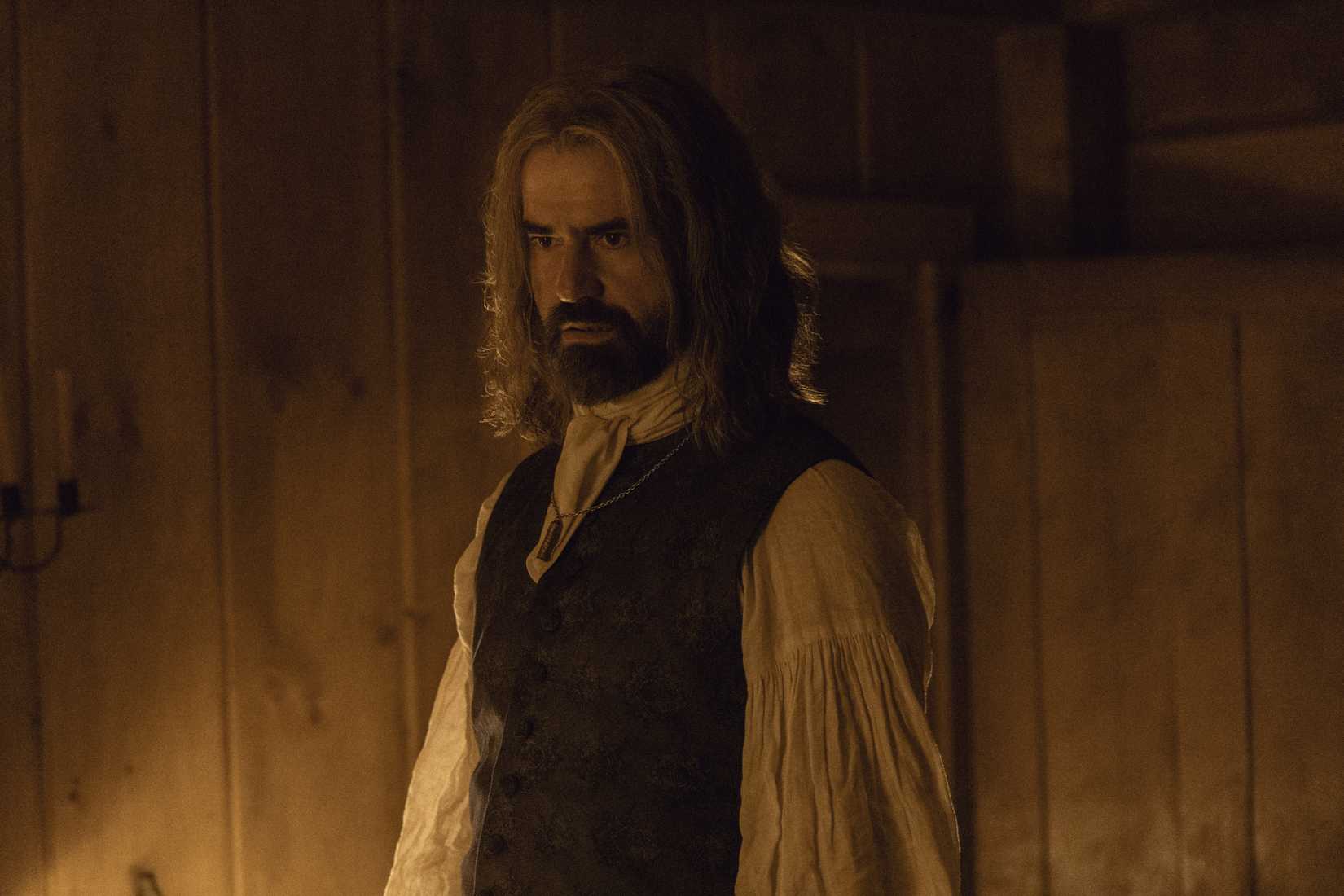
To understand the weight of the finale, one must revisit the foundational rot of the town. By the sixth episode, the narrative veil was lifted: the supernatural chaos terrorizing the island was traced back to a 400-year-old pact between the Devil and the town’s original founder, Richard Warren (played with chilling intensity by Hamish Linklater). This bargain granted Warren a grotesque, blood-soaked immortality, tethering the town’s fate to his survival.
The Failed Exorcism
In episode seven, the plot took a drastic turn. Mayor Tom Loftis (Matthew Rhys) and Wyck Crawford (Stephen Root) successfully located and exhumed Warren’s undead remains, ultimately destroying the physical vessel of the founder. The residents of Widow’s Bay breathed a collective sigh of relief, assuming the curse had been severed.
However, the finale revealed the catastrophic error in their logic: the curse was not tied solely to the body of the founder, but to his bloodline. As long as a descendant of Richard Warren walked the earth, the island would remain a playground for the infernal.
The Final Revelation
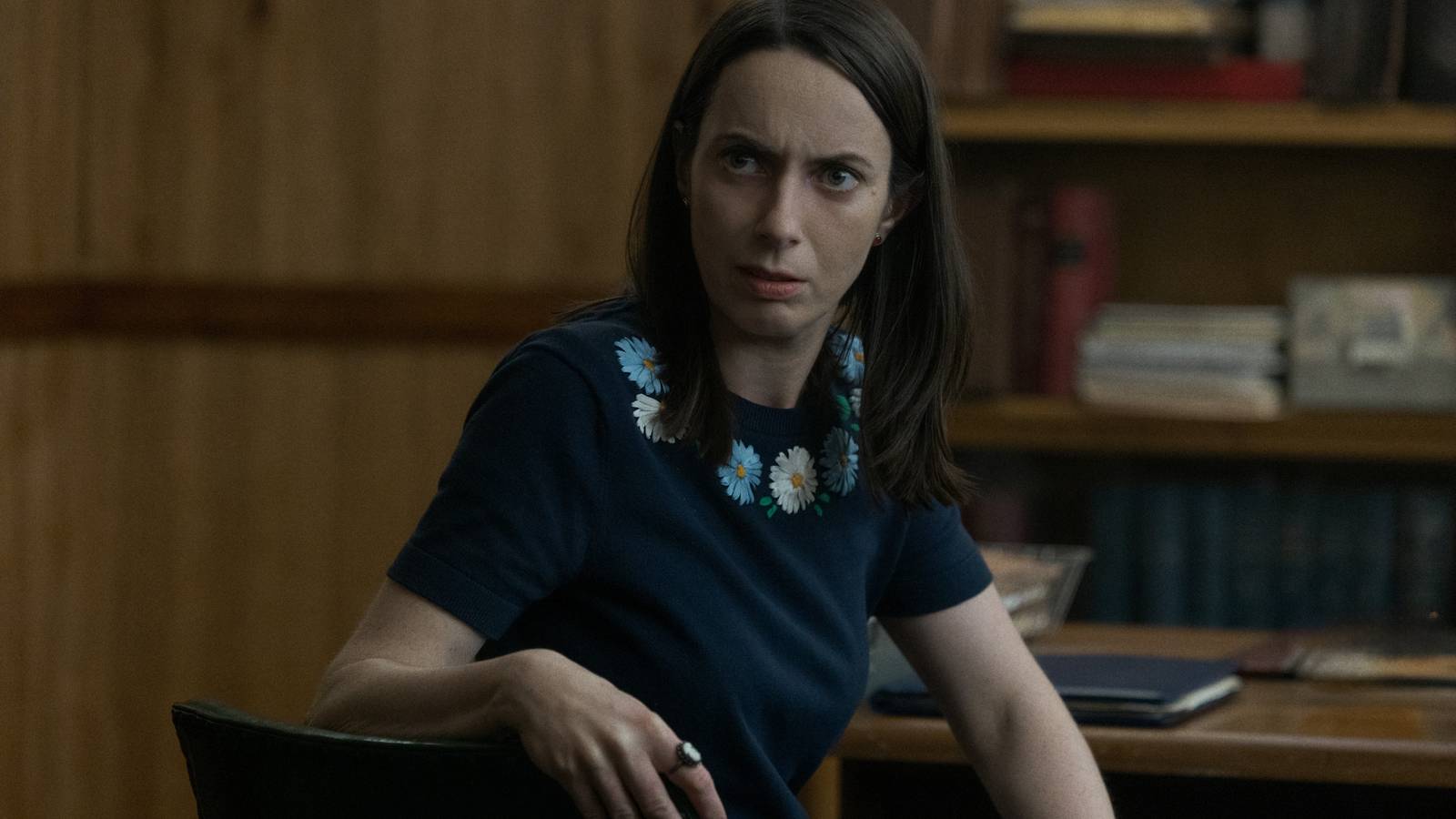
The tension in the finale centers on the revelation of the Warren lineage. Through a series of desperate maneuvers, Mayor Loftis tracks the bloodline to his own unassuming, elderly secretary, Ruth Livingston (K Callan). While she claimed to have no heirs, the final act of the season delivers a gut-wrenching twist: Ruth’s secret daughter was, in fact, Tom’s late wife. This means that Tom’s son, Evan (Kingston Rumi Southwick), is the final living descendant of the cursed founder.
In a moment of brutal pragmatism, Sheriff Bechir Clemmons (Kevin Carroll) executes Ruth to protect his own family, effectively ending the immediate threat but leaving the town’s future—and the secret of Evan’s lineage—resting on the shoulders of a guilt-ridden Mayor.
Supporting Data: The Craft Behind the Chaos
The production of Widow’s Bay was as intense as the narrative it depicted. Hiro Murai, known for his distinct visual style, emphasized that the finale was an exercise in "anti-spectacle." While previous episodes leaned into genre-specific homages—such as the Halloween-esque slasher sequences or the Jaws-inspired tension of the mid-season—the finale shifted focus to internal, psychological horror.
Immersive Filmmaking
The conditions on set mirrored the claustrophobia of the narrative. Murai described a two-week shoot where the cast and crew were confined to the town’s emergency shelter and Ruth’s residence.
"We were doing the Halloween episode or the Jaws episode earlier in the season," Murai explained. "But for the finale, we wanted to trap these characters in confined spaces and add pressure until they popped. The crew was stuck in these sets with rain effects running constantly. It was very immersive. I think everybody felt a little tense. The scenes are tense, the locations are tense, and being in a set with 200 other people is tense. That energy is in the show."

Official Responses: Hiro Murai on Character Arcs
For Murai, the season finale was never intended to be a traditional cliffhanger, but rather a conclusion to a specific character journey. The director views the entire season as a meditation on Mayor Tom Loftis’s relationship with his home.
"I’ve always thought about this show as a story about Tom’s relationship to the town," Murai noted. "The throughline for the whole season is Tom accepting that this place is what it is. Even though we don’t get into the minutia of what the thing underneath the island is, the arc is whether Tom can accept the reality of this place, and if he’s willing to do what it takes to protect it. To me, it felt like a satisfying character arc."
Regarding the cyclical nature of the horror, Murai is careful not to promise a permanent solution. "This island has gone through cycles. There were periods that were really bad, and then it settled down and it would become mythology, and then it would rear its head again. So even if we ended the story here, it was about this cycle of haunts."
Implications for Season 2: Resetting the Table
With Apple TV having officially greenlit a second season just last week, speculation regarding the future of the series is rampant. Murai maintains a diplomatic distance from the writing room, deferring to showrunner Katie Dippold, but he is enthusiastic about the thematic territory ahead.
Unresolved Threads
The primary hook for the upcoming season is the precarious secret held by Mayor Loftis. Having witnessed the death of his secretary and the revelation regarding his son, Tom is now forced to operate in a moral gray area.
"We’re kind of resetting the table," Murai said. "But Tom has the secret that he has to keep from the rest of the town, and he and Bechir have this complicated relationship now. There’s a lot to play with."
The Evolution of the Genre
The success of Widow’s Bay suggests a growing audience appetite for "prestige horror-comedy." By blending the high-stakes, life-or-death tension of a slasher with the mundane political bureaucracy of a small town, the show has created a unique ecosystem. As Dippold and her team begin to "tool around" with ways to extend the universe, the implication is that the horror will not merely return—it will evolve.
The transition from a mystery about "what" is causing the curse to a character study about "who" is willing to pay the price to keep it hidden marks a significant maturation for the show. If the first season was about surviving the island, the second season promises to be about the cost of living there.
Conclusion: The Long Shadow of the Bay
As the storm lifts in the final frame of season one, the viewer is left with a sense of unease that is characteristic of the series. The town of Widow’s Bay is "saved," but the cost has been high, and the foundation remains built on blood.
Whether the curse of the Warrens has truly been extinguished or is merely waiting for the next cycle to begin remains the central question for the future. For now, audiences are left to process the chilling realization that in Widow’s Bay, the most dangerous thing isn’t the ghost in the water—it’s the man in the Mayor’s office who knows exactly what it takes to keep the town afloat.

Widow’s Bay is currently streaming on Apple TV.