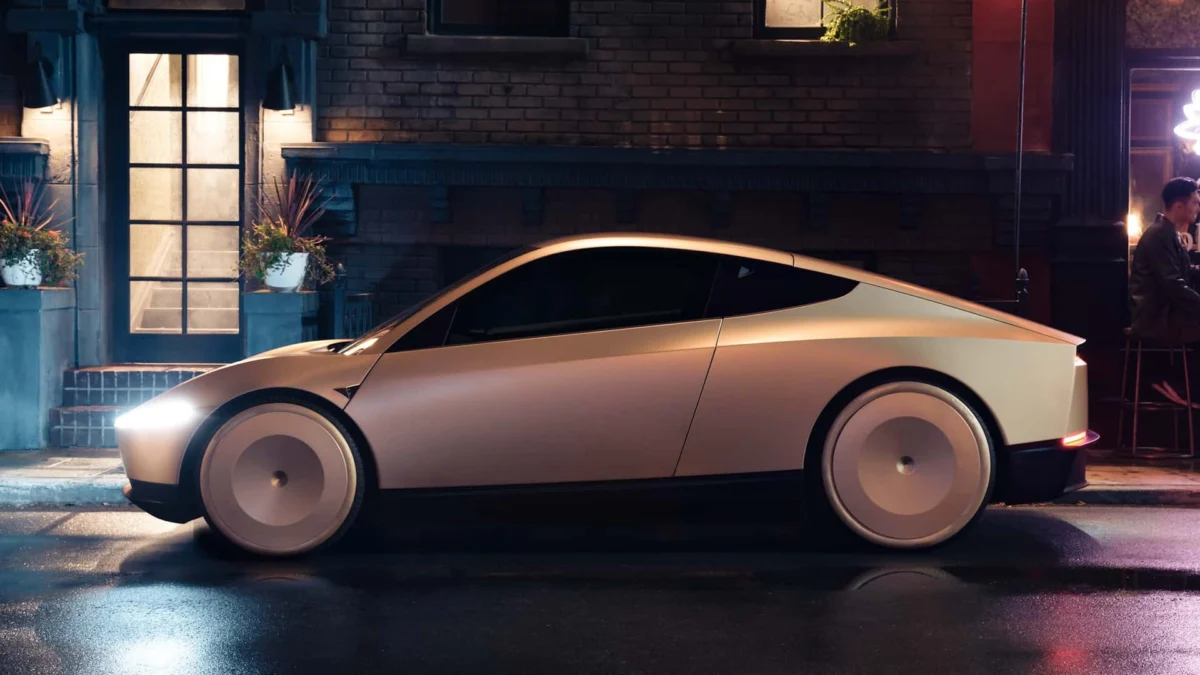
While the Tesla Cybercab remains in the pre-production phase, the veil of mystery surrounding its engineering has begun to lift. A recent filing with the U.S. Environmental Protection Agency (EPA)—a Certificate of Conformity application—has provided the public with the first concrete technical specifications for the autonomous robotaxi. This document offers a rare, granular look at the powertrain, battery architecture, and design philosophy behind Tesla’s vision for a driverless future.
Main Facts: The Anatomy of a Robotaxi
The Tesla Cybercab represents a radical departure from the brand’s existing lineup. Unlike the Model 3, Model Y, or the upcoming Cybertruck, the Cybercab is designed specifically for autonomous service, eliminating the need for traditional driver-centric controls.
According to the EPA documentation, the vehicle is built around a single-motor, front-wheel-drive configuration. This setup likely prioritizes energy efficiency and mechanical simplicity over the performance-oriented dual-motor layouts seen in Tesla’s consumer fleet. The motor is a three-phase permanent-magnet AC unit capable of producing 219 horsepower.
Perhaps the most significant revelation is the vehicle’s weight. The Cybercab registers at 3,113 pounds, placing it in an elite tier of lightweight electric vehicles. By stripping away steering columns, pedal assemblies, and the complex interior ergonomics required for human drivers, Tesla has achieved a curb weight that rivals, and often beats, traditional internal combustion engine compact sedans like the Honda Civic or Toyota Corolla. This weight reduction is the primary lever allowing for impressive efficiency from a relatively modest 48.0 kWh lithium-ion battery pack.
A Chronology of the Cybercab Project
The trajectory of the Cybercab—often referred to in internal Tesla communications as the "Robotaxi"—has been a central pillar of Elon Musk’s "Master Plan Part Deux" and subsequent strategic pivots.
- 2016–2019: Tesla begins to signal a shift toward fully autonomous transport, with Musk suggesting that Tesla owners would eventually be able to add their vehicles to a "Tesla Network," allowing cars to operate as autonomous taxis when not in use.
- 2023: As the development of "Full Self-Driving" (FSD) software matures, reports emerge that Tesla is designing a dedicated vehicle built from the ground up without human controls.
- October 2024: Tesla officially unveils the Cybercab prototype at its "We, Robot" event. The reveal showcased a sleek, two-door coupe with butterfly doors, confirming the absence of a steering wheel and pedals.
- Late 2024–Early 2025: The filing of the EPA Certificate of Conformity marks the transition from conceptual prototyping to the regulatory validation phase. This stage is critical for any manufacturer intending to bring a new vehicle platform to the U.S. market.
Supporting Data: Efficiency and the EPA Paradox
One of the most intriguing aspects of the EPA document is the range testing data. While the agency’s testing procedures resulted in a figure of 418.2 miles during the depletion cycle, it is essential for consumers to understand that this is not the final "window sticker" range.
The EPA uses rigorous laboratory testing on dynamometers to simulate city and highway driving. Because real-world variables—such as extreme temperatures, high speeds, and the use of climate control—can significantly impact an EV’s range, the agency applies an adjustment factor (typically 0.7) to ensure the stated range is representative of actual user experience. Even with this conservative adjustment, the Cybercab’s combination of low curb weight and aerodynamic design positions it to comfortably meet Tesla’s initial target of a 300-mile range.
Comparison Table: Weight and Efficiency Metrics
| Vehicle Model | Curb Weight (lbs) | Battery Capacity (approx.) |
|---|---|---|
| Tesla Cybercab | 3,113 | 48.0 kWh |
| Tesla Model 3 (RWD) | ~3,800 | ~60.0 kWh |
| Chevrolet Bolt (2027) | ~3,200 | ~65.0 kWh |
| Honda Civic Sedan | ~3,150 | N/A (ICE) |
This data suggests that Tesla is optimizing the vehicle for high-utilization environments. By reducing the battery size while maintaining long range, the company lowers the cost of production and decreases the vehicle’s "weight tax," creating a more sustainable cycle for fleet operations.
Official Responses and Strategic Context
Tesla has remained characteristically tight-lipped regarding the commercial rollout of the Cybercab. While the EPA filing confirms the technical specifications, it does not confirm a production date or a specific manufacturing facility.
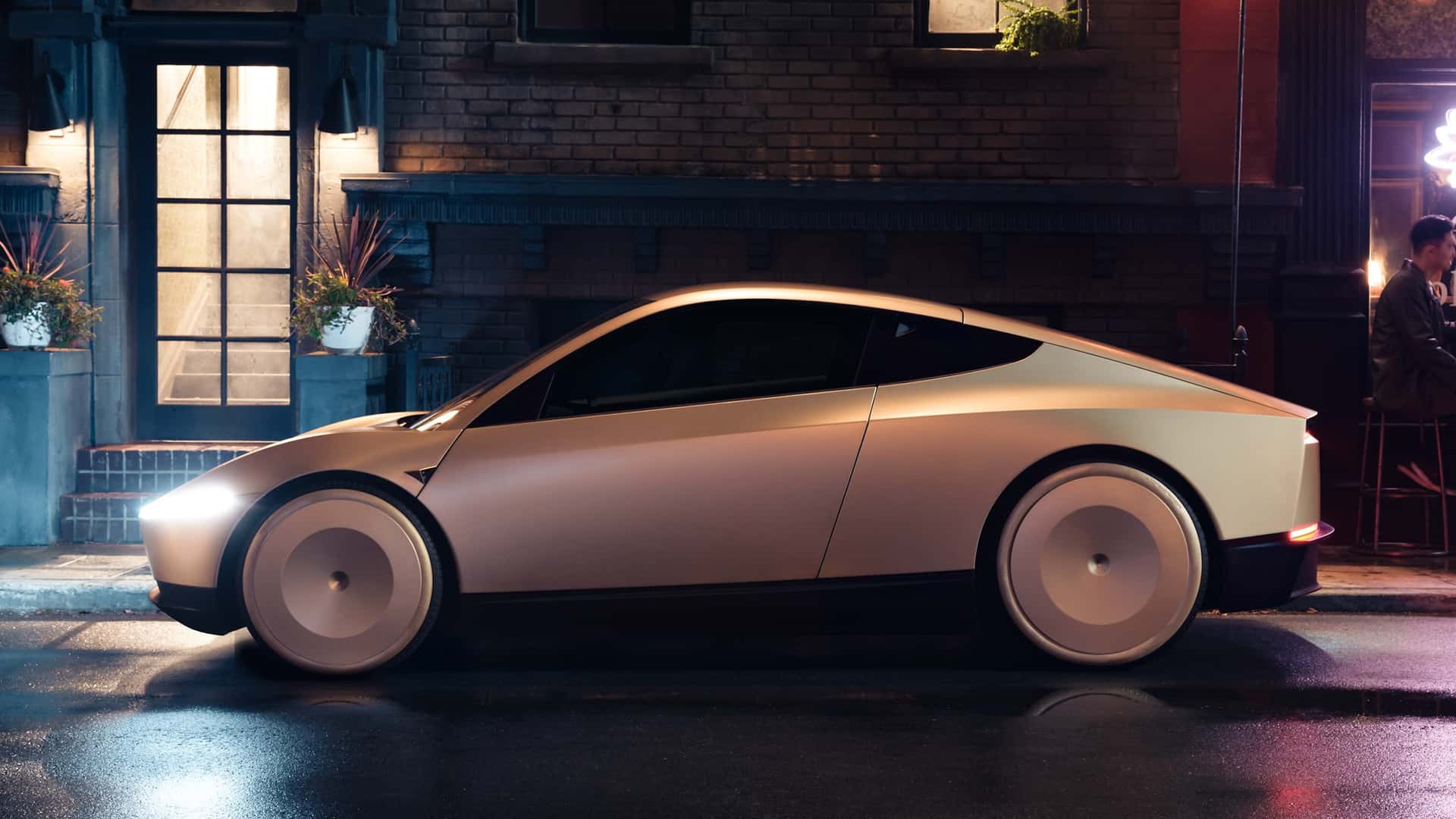
Industry analysts suggest that the Cybercab’s success is inextricably linked to the performance of Tesla’s "Unsupervised FSD" software. During the vehicle’s reveal, Tesla executives emphasized that the Cybercab would rely solely on vision-based AI—avoiding the LiDAR arrays used by competitors like Waymo or Cruise. This choice represents a massive bet on the efficacy of Tesla’s neural network training, which relies on data harvested from millions of existing Tesla vehicles globally.
The regulatory landscape remains the final hurdle. For a vehicle without a steering wheel to operate on public roads, the National Highway Traffic Safety Administration (NHTSA) must grant exemptions or finalize new safety standards for autonomous vehicles. Tesla’s ability to secure these approvals will dictate the timeline for the Cybercab’s mass production.
Implications: The Future of Urban Mobility
The implications of the Cybercab’s specifications are profound for the automotive industry.
1. The Death of the "One-Size-Fits-All" EV
For years, the electric vehicle market has been dominated by sedans and SUVs that mimic their gasoline-powered predecessors. The Cybercab demonstrates that when the human driver is removed, the vehicle architecture changes fundamentally. The "small, lightweight commuter" returns as a viable, highly efficient form factor.
2. Cost-Efficiency in Fleet Management
With a 48.0 kWh battery, the Cybercab is significantly cheaper to produce than the long-range batteries found in the Model S or Cybertruck. If Tesla can scale this vehicle at a price point near or below $30,000, it could become the gold standard for ride-hailing fleets, potentially driving the cost of a mile of travel below that of public transit or private car ownership.
3. Urban Planning and Parking
A vehicle that does not require a driver can "drop and go." The widespread adoption of Cybercabs could reduce the demand for inner-city parking, allowing urban planners to repurpose vast swaths of concrete into green spaces or housing.
4. The Performance Ceiling
While 219 horsepower is modest by modern Tesla standards, it is more than sufficient for urban transport. The focus here is on "performance efficiency"—the ability to move a passenger from A to B with the lowest possible expenditure of electricity.
Final Thoughts: A New Chapter for Tesla
The leaked EPA documents serve as a reminder that the Cybercab is no longer a science fiction render; it is a piece of hardware currently undergoing the rigorous scrutiny of federal regulators. While the lack of a steering wheel remains a psychological hurdle for the public, the engineering data suggests a vehicle that is balanced, efficient, and well-suited for its intended purpose.
Tesla has proven that it can manufacture electric vehicles at scale. The question now is whether it can navigate the regulatory and software-reliability challenges required to turn this small, lightweight coupe into the backbone of a global, autonomous taxi network. For now, the automotive world watches, waits, and prepares for a future where the steering wheel may eventually become an artifact of the past.