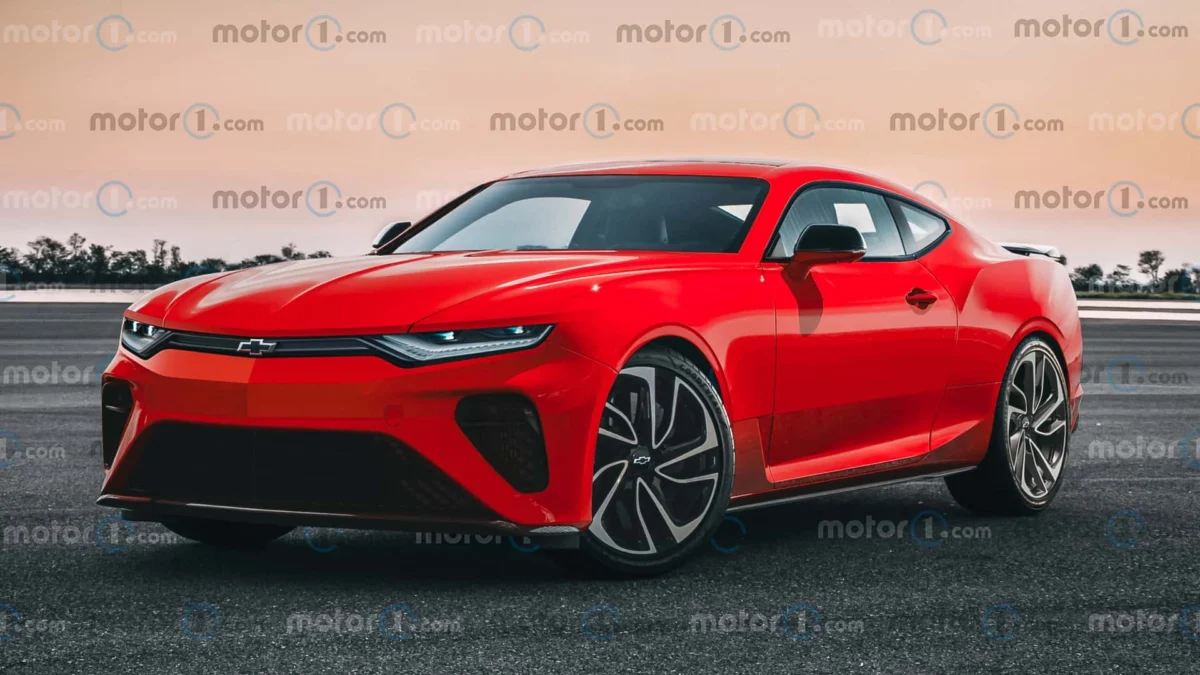
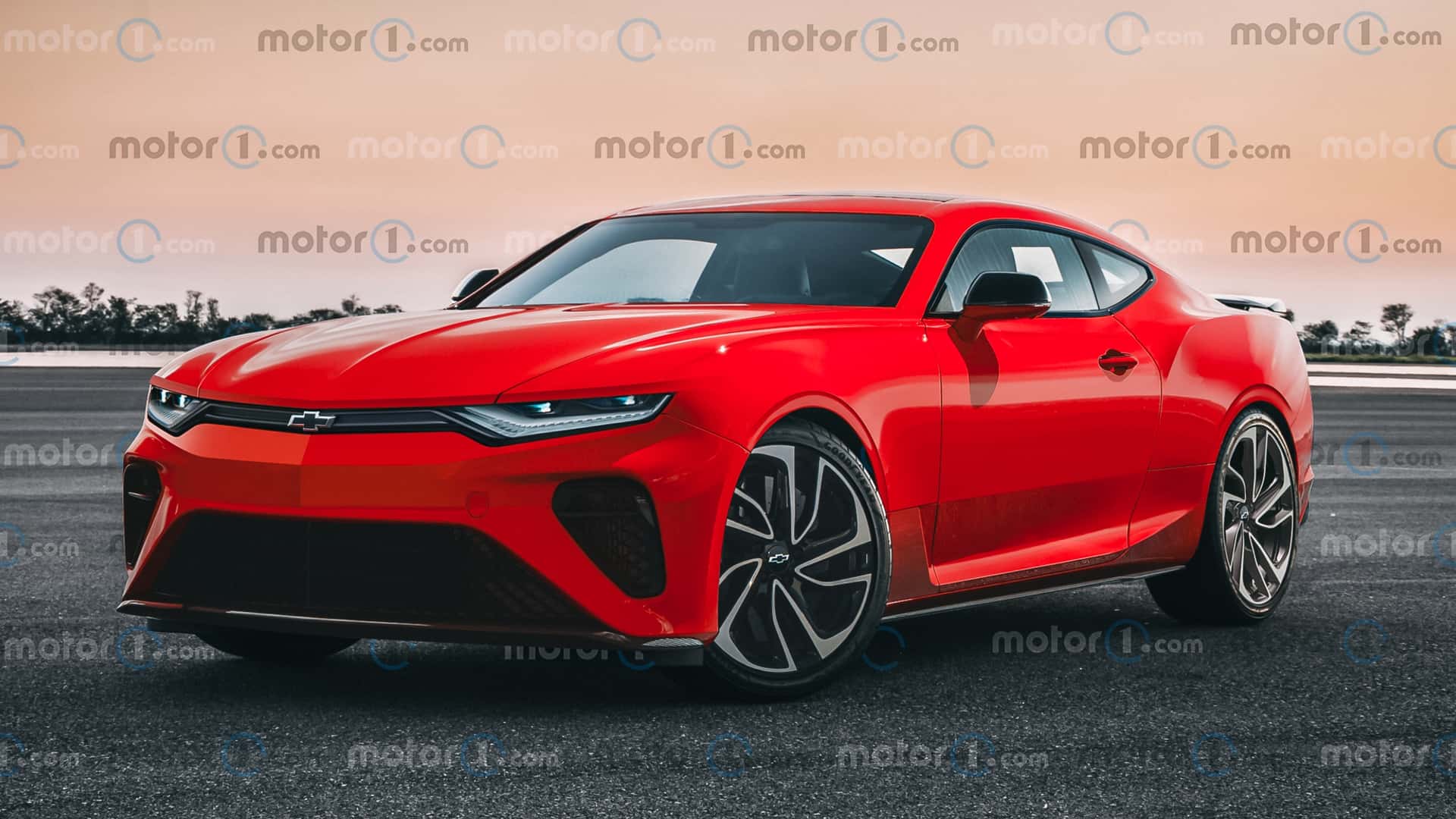
The automotive world is buzzing with renewed speculation regarding the future of one of America’s most storied nameplates: the Chevrolet Camaro. After the sixth-generation model bowed out of production, leaving a void in the performance coupe segment, new reports suggest that General Motors is preparing a strategic comeback. Leveraging the next-generation architecture currently being developed for the Cadillac CT5, Chevrolet appears to be positioning a seventh-generation Camaro to reclaim its throne in the pony car wars.
The Strategic Foundation: Architecture and Engineering
The backbone of this potential revival lies in the modular vehicle platforms currently being finalized within the General Motors engineering ecosystem. According to recent intelligence surfacing from GM Authority, the next-generation Camaro will not be built on a standalone, legacy platform. Instead, it will share its structural DNA with the highly anticipated next-generation Cadillac CT5.
This transition to a shared, modern architecture is a significant departure from the Alpha platform that underpinned the previous iteration. By utilizing the Cadillac-derived foundation, Chevrolet stands to benefit from advanced weight-reduction techniques, improved chassis rigidity, and a more sophisticated electrical architecture capable of supporting modern driver-assistance features and high-performance infotainment systems—all while maintaining the rear-wheel-drive dynamics that define the Camaro experience.
A "Spicy" New Variant: Reimagining High Performance
Perhaps the most tantalizing detail in the emerging reports is the mention of a "spicy" high-performance variant. While industry veterans might initially assume this refers to a traditional SS or a track-focused ZL1 successor, insider descriptions suggest a vehicle that transcends the performance benchmarks of its predecessors.
The conversation surrounding this variant focuses on the utilization of Chevrolet’s new 6.7-liter V8 engine. Currently generating 535 horsepower and 520 pound-feet of torque in the Corvette Grand Sport, this powertrain is a masterpiece of naturally aspirated engineering. However, industry analysts believe this is merely the baseline. By incorporating forced induction—specifically a high-output supercharger—Chevrolet could easily push the power output of this new "spicy" Camaro well beyond the 700-horsepower threshold.
For context, the previous-generation Camaro ZL1—a car that dominated road courses and drag strips alike—topped out at 650 horsepower. A move to 700+ horsepower would signal a clear intent by Chevrolet to challenge the upper echelons of the supercar segment, moving the Camaro from a traditional "pony car" into the realm of true high-performance sports cars.
Chronology of the Revival: From Rumors to Reality
The timeline for this project has begun to coalesce into a concrete narrative. Following the conclusion of the sixth-generation Camaro’s production cycle, there was significant anxiety among the enthusiast community regarding whether the nameplate would be relegated to a battery-electric crossover or simply phased out entirely.
- Mid-2024: Internal discussions at General Motors regarding the future of the Cadillac CT5 sedan began to align with the need for a flagship performance coupe.
- Early 2025: Engineering teams began the integration of the 6.7-liter V8 platform, ensuring that the engine architecture could be successfully adapted for the chassis requirements of the next-generation coupe.
- Late 2026: Prototyping is expected to shift from virtual modeling to real-world testing at the Milford Proving Ground.
- Fall 2027: Current industry projections point to a production launch window, where the new Camaro will join the Cadillac CT5 on the assembly line, marking a triumphant return to form for the Bowtie brand.
Supporting Data: Why Now?
Why would Chevrolet choose to invest in a new internal-combustion Camaro when the industry is aggressively pushing toward electrification? The answer lies in the unique positioning of the Corvette.
Since the debut of the C8, the Corvette has shifted to a mid-engine layout, exclusively utilizing a dual-clutch automatic transmission. While the C8 is objectively faster and more technologically advanced than any previous Corvette, it has fundamentally changed the driving experience. There is a distinct, vocal segment of the market that craves a front-engine, manual-transmission experience—a "row-your-own" engagement that the current Corvette no longer provides.
The new Camaro is positioned to fill this void. By maintaining a traditional front-engine, rear-drive layout and continuing to offer a manual transmission, Chevrolet creates a two-pronged attack: the C8 Corvette for the high-tech, mid-engine supercar buyer, and the next-gen Camaro for the traditionalist who values mechanical connection, tire-shredding torque, and the classic muscle car aesthetic.
Official Responses and Corporate Strategy
While General Motors has remained tight-lipped regarding specific model announcements, the company’s broader product strategy provides a clear roadmap. Executives have frequently emphasized a "customer-centric" approach, acknowledging that the demand for high-performance internal combustion engines remains robust in the North American market.
The move to share the CT5 architecture is also a masterclass in cost efficiency. By amortizing the development costs of the platform across both a premium sedan and a high-volume performance coupe, Chevrolet can justify the R&D investment for a segment that might otherwise be deemed too niche in an era of electrification.
Implications for the Performance Market
The return of the Camaro as a 700-horsepower titan has massive implications for the automotive landscape:
- The Pony Car Wars Renewed: With the Dodge Challenger undergoing a major transformation and the Ford Mustang continuing to dominate with the Dark Horse and GT500 variants, the re-entry of a high-performance Camaro restores the "Big Three" rivalry that has defined American automotive history for over 50 years.
- Technological Benchmarking: The inclusion of a 6.7-liter engine indicates that Chevrolet is leaning into displacement and mechanical power, standing in stark contrast to the trend of downsizing to turbocharged four-cylinder and V6 engines.
- Enthusiast Engagement: By explicitly aiming for a "spicy" variant, Chevrolet is signaling that they are listening to the feedback of the enthusiast community. The brand appears to recognize that the Camaro is more than just a car; it is a cultural icon that requires a certain "edge" to maintain its relevance.
Motor1’s Take: A Calculated Risk
Looking at the current market trajectory, a hotter, high-performance Camaro is not just a "nice to have"—it is a strategic necessity for Chevrolet. The C8 Corvette is an incredible piece of machinery, but it occupies a specific, elevated space in the market. The Camaro, by contrast, has always been the "attainable" hero.
By keeping the Camaro in the lineup, Chevrolet maintains its connection to a massive, loyal demographic. The engineering team has a clear mandate: take the proven reliability of the 6.7-liter architecture, wrap it in a modern, lightweight chassis, and ensure that the manual transmission remains a primary feature. If the engineers can deliver on these promises, the seventh-generation Camaro will not only satisfy the long-time faithful but potentially win over a new generation of buyers who have been waiting for a reason to return to the brand.
As we look toward the 2027 production window, one thing is clear: Chevrolet is not done with the muscle car. In fact, they may just be getting started. Whether it carries the ZL1 badge or a new, more aggressive nomenclature, the next Camaro is poised to be one of the most significant performance releases of the decade. For now, the automotive world waits with bated breath to see if the "spicy" rumors hold true, but all signs point to a revival that could prove to be the most exciting chapter in the Camaro’s history yet.