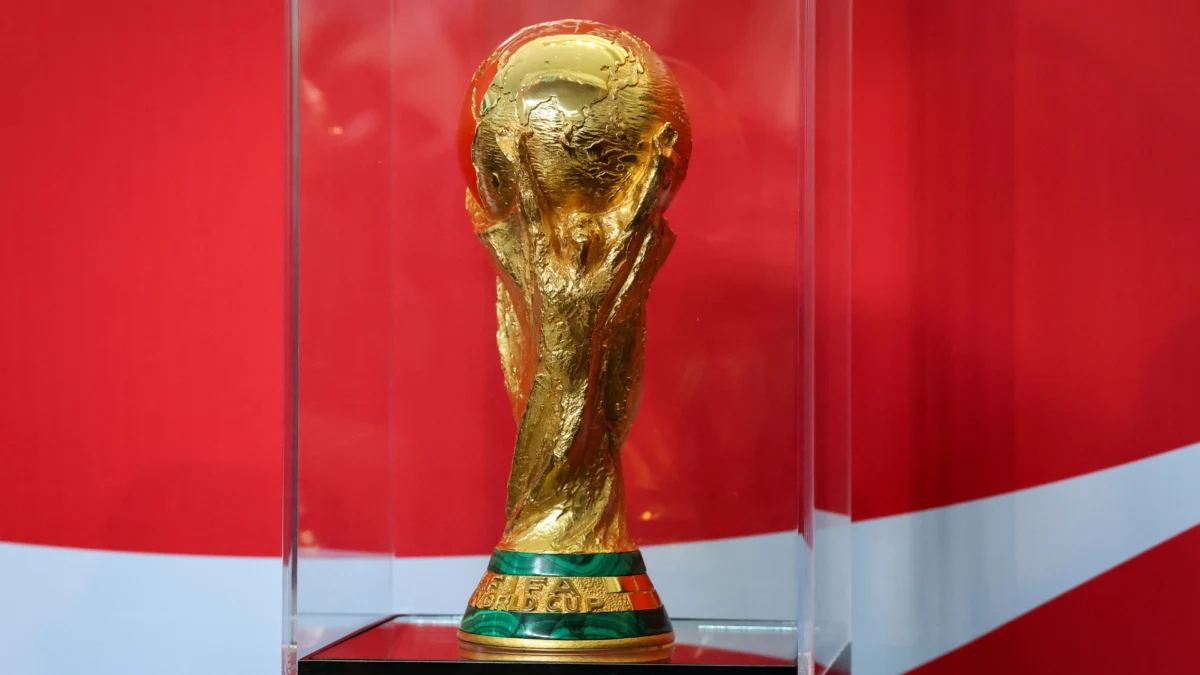
The 2026 FIFA World Cup has officially arrived, marking a paradigm shift in the history of international sports. As the world’s eyes turn toward North America, the scale of this tournament is unprecedented. Spanning 38 days, 104 matches, and 16 host cities across the United States, Mexico, and Canada, the event is not merely a sporting competition—it is a monumental logistical and cultural undertaking that seeks to redefine what a global mega-event can achieve.
With a sprawling field of 48 teams, the tournament welcomes a new generation of footballing nations to the world stage. While traditional powerhouses remain the focal point, the inclusion of debutants such as Cabo Verde, Curacao, Jordan, and Uzbekistan signifies the ongoing democratization of the sport. As the road to the final in July begins, the footballing world braces for a summer defined by high-stakes drama, generational transitions, and the quest for supremacy.
The State of the Tournament: A New Era
The expansion to 48 teams has fundamentally altered the competitive landscape. By increasing the number of participants, FIFA has opened the doors to regions historically underrepresented, creating a unique tapestry of talent. Yet, the core narrative remains anchored in the hunt for the trophy. Every former champion except Italy is present, ensuring that the road to glory is paved with the ghosts of past triumphs and the hunger of future legends.
For the co-hosts, the stakes could not be higher. The United States Men’s National Team (USMNT) enters the tournament under the intense spotlight of a "golden generation" that has promised much but has yet to deliver a definitive statement on the global stage. Their 4-1 victory over Paraguay in the opening days served as a morale boost, but the pressure to capture the imagination of an American public—one increasingly savvy to the nuances of the game—remains a daunting challenge. Similarly, Mexico and Canada face the dual burden of performance and hosting, with national pride hanging in the balance.
The Last Dance and the Changing of the Guard
This tournament serves as a poignant intersection of eras. For many of the game’s greatest icons, 2026 represents the final curtain call. Lionel Messi, the talisman of reigning champions Argentina, is embarking on his final World Cup campaign. His presence continues to define the sport, yet he is flanked by a new generation eager to prove that they are more than just supporting actors.
The same sentiment applies to Cristiano Ronaldo, whose rivalry with Messi has defined two decades of football history. With other veterans like Luka Modric and Neymar approaching the twilight of their illustrious careers, the 2026 World Cup serves as a farewell tour for a pantheon of legends. Meanwhile, nations like France, Spain, and England are fielding squads that blend experience with explosive youth, looking to dethrone the holders and assert a new continental dominance.
Chronology of the Group Stages
The opening week of the tournament has been characterized by explosive offense and surprising resilience. Below is the breakdown of the initial group stage results and the upcoming calendar.
The Opening Salvo (June 11–14)
The tournament kicked off with a statement of intent from the hosts. Mexico asserted their dominance with a 2-0 victory over South Africa, while the USMNT electrified their home crowd with a resounding 4-1 win against Paraguay. Germany delivered the most clinical performance of the opening days, dismantling Curacao 7-1, signaling their intent to rebound from previous cycles.
Mid-June Fixture Intensity
As the tournament moves into its second week, the calendar becomes increasingly congested. Notable upcoming fixtures include:
- June 15: Spain faces a determined Cabo Verde, while Belgium tests their mettle against Egypt.
- June 16: France’s campaign begins in earnest against Senegal, followed by an Argentina side looking to prove their staying power against Algeria.
- June 17: A "Group of Death" flavor emerges as England takes on Croatia in a clash of European titans.
(Note: The full schedule continues through June 27, leading directly into the high-stakes knockout rounds.)
The Knockout Pathway
The transition from the group stage to the Round of 32 represents the most volatile phase of the tournament. The inclusion of the "best third-place" teams creates a complex bracket, rewarding consistency while allowing for the "Cinderella stories" that make the World Cup so compelling.
The Road to the Final
The knockout phase commences on June 28. From that point forward, the margin for error evaporates. The schedule is structured as follows:
- Round of 32: June 28 – July 3
- Round of 16: July 4 – July 7
- Quarterfinals: July 9 – July 11
- Semifinals: July 14 – July 15
- Third-Place Match: July 18
- Final: July 19
The final, held on July 19, will determine the successor to the current champions, marking the conclusion of what promises to be the most watched sporting event in human history.
Official Perspectives and Organizational Implications
FIFA’s decision to expand the tournament has been met with both acclaim and skepticism. Proponents argue that the 48-team format increases inclusivity and grows the game in emerging markets. Critics, however, point to the potential dilution of quality and the immense strain on player welfare due to the increased match volume.
In official statements, tournament organizers have emphasized the infrastructure legacy. The 16 host cities have invested billions into stadium upgrades, public transportation, and fan zones, aiming to leave a permanent mark on the sporting landscape of North America. "This is not just about 90 minutes on the pitch," said a tournament spokesperson. "It is about the global connectivity of sport and the infrastructure of the future."
Implications for the Sport
The 2026 World Cup is poised to be a watershed moment for several reasons:
- Economic Impact: With 104 matches, the commercial opportunities for broadcasters, sponsors, and local economies are staggering. The tournament is projected to generate record-breaking revenue that will be reinvested into FIFA’s development programs worldwide.
- Cultural Diplomacy: Hosting a tournament across three countries forces a unique cross-border cooperation. It highlights the potential for joint-bidding as the new standard for mega-events, given the scale of the logistical requirements.
- The "Soccer" Shift in the USA: Success for the USMNT is viewed as critical for the long-term growth of the sport in the United States. A deep run would likely cement soccer as a premier tier sport, competing directly with the NFL and NBA for cultural dominance.
- Technological Innovation: This tournament is utilizing the most advanced VAR and tracking technology in history. From semi-automated offside technology to real-time player biometric tracking, the 2026 World Cup is serving as a testing ground for the future of officiating and sports science.
How to Follow the Action
For fans across the globe, access has been prioritized to ensure maximum reach. In the United States, every match is available via live stream on Fubo, with comprehensive coverage provided by Fox (English) and Telemundo (Spanish). The breadth of the broadcast schedule ensures that no matter the time zone, the drama of the World Cup remains accessible.
As we look toward the final whistle on July 19, the narrative is clear: this is a tournament defined by expansion, legacy, and the eternal search for greatness. Whether it is a new nation rising to prominence or an old guard solidifying their place in the history books, the 2026 FIFA World Cup is, in every sense, the pinnacle of the beautiful game.
The stage is set. The actors are in place. The world is watching.