The European automotive landscape has developed an insatiable appetite for the crossover segment, a trend that has forced manufacturers to constantly refine their offerings to maintain relevance in a crowded market. Hyundai, a brand that has masterfully navigated this shift, is doubling down on its commitment to the subcompact space with the introduction of the second-generation Hyundai Bayon. Despite the presence of the Kona—which once served as the brand’s entry-level SUV—the Bayon has carved out a unique niche. With its latest iteration, Hyundai is not merely updating the model; it is aggressively expanding its dimensions, sharpening its aesthetic language, and integrating advanced powertrain technology to ensure the Bayon remains a formidable contender through 2027 and beyond.
A Design Language for the Modern Era
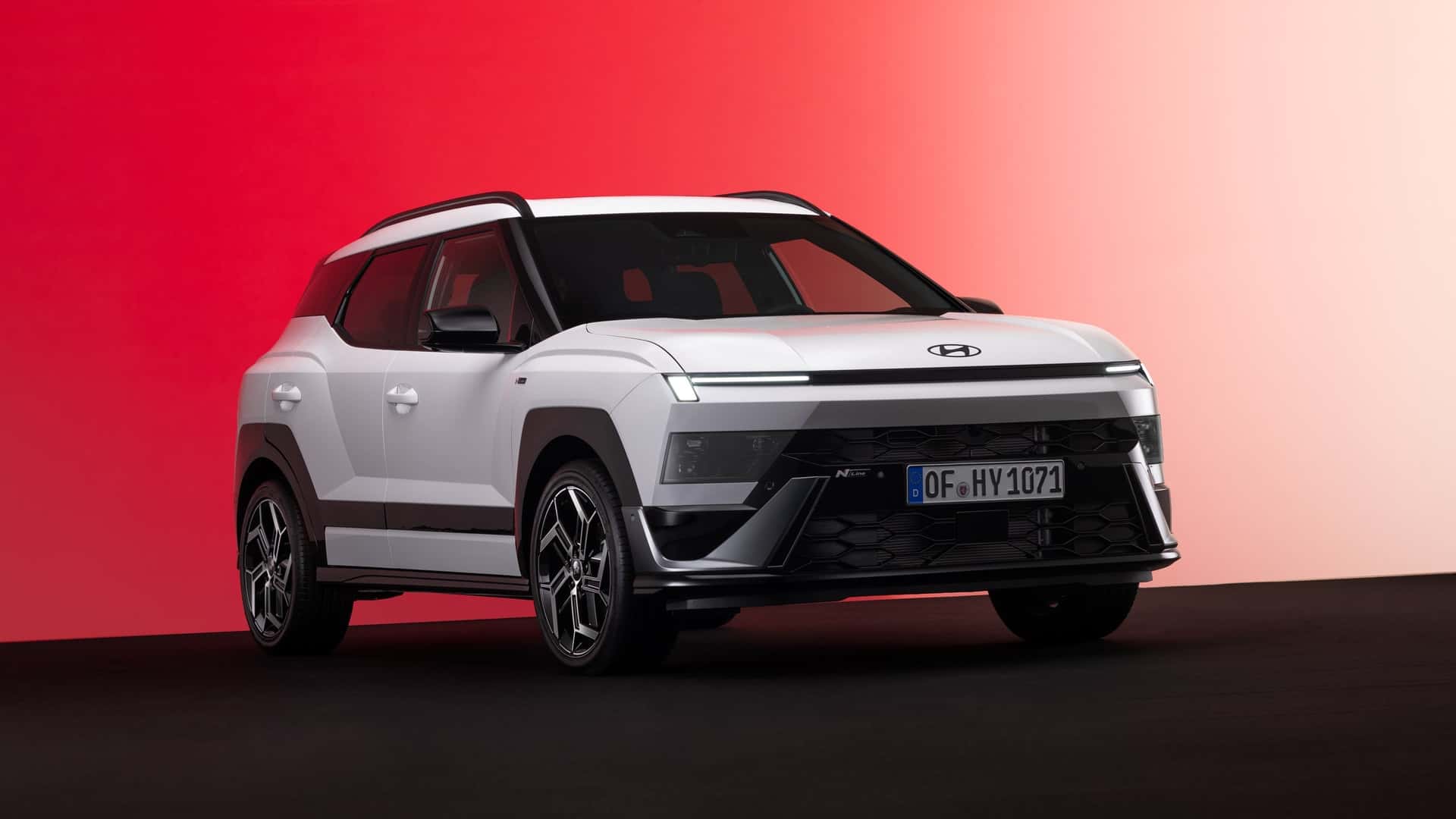
The first thing that strikes the observer regarding the 2027 Bayon is its visual departure from the soft, rounded forms of its predecessor. Drawing significant design inspiration from a stylistic synthesis of the current Kona and the upcoming next-generation Elantra, the new Bayon adopts a more assertive, angular posture.
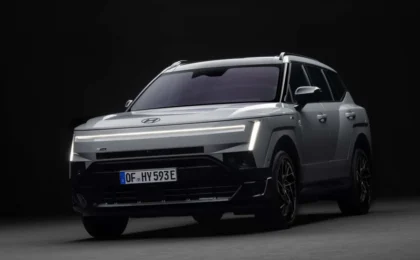
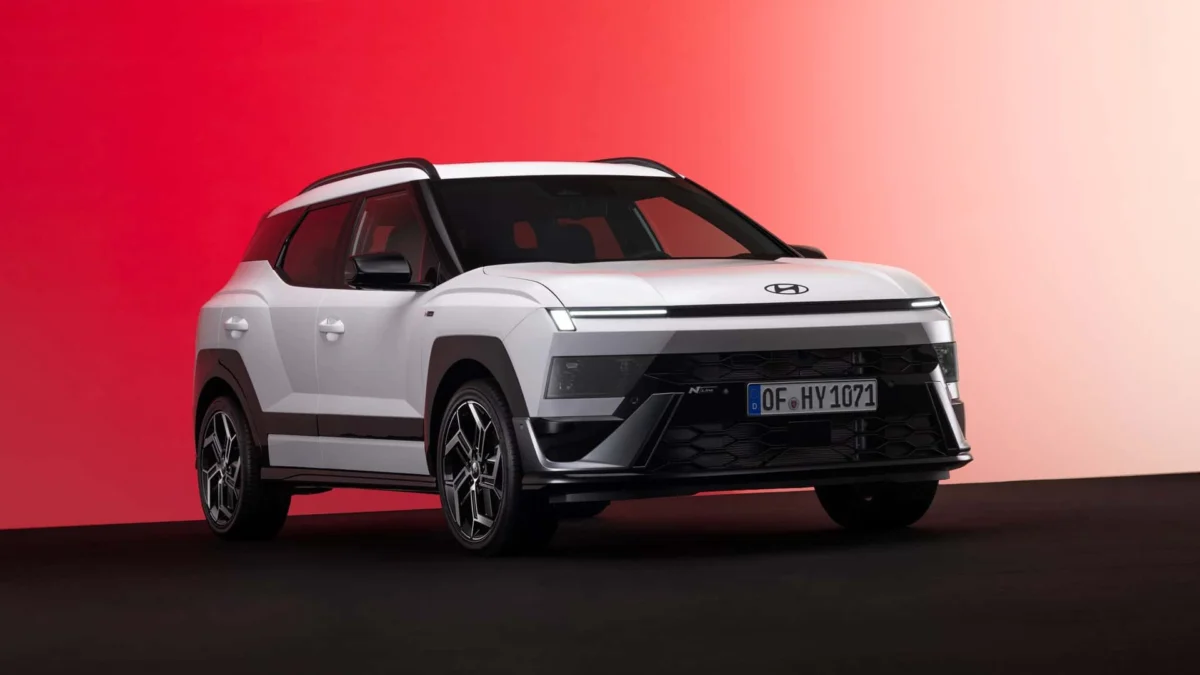
The front fascia is defined by a full-width horizontal lighting signature that imparts a futuristic, “Robocop-esque” aesthetic. This is complemented by high-intensity projection LED headlights that feature static bending technology, ensuring superior visibility on winding European backroads. Moving toward the flanks, the designers have implemented deeper, more pronounced creases that draw the eye toward widened fenders. The addition of chunky, high-contrast body cladding and an aggressive, angular skid plate serves to reinforce the vehicle’s newfound ruggedness, signaling to consumers that the Bayon is as capable in light off-road environments as it is in urban centers.
Chronology of Growth: Scaling Up for Comfort
Hyundai’s strategic decision to increase the footprint of the Bayon is a direct response to customer feedback seeking a more spacious cabin without sacrificing the maneuverability required for city living. The 2027 model is noticeably larger in almost every dimension compared to the outgoing generation.
- Length: The vehicle now measures 4,245 millimeters (167.1 inches), representing a growth of 65 mm (2.6 inches).
- Width: The width has been increased to 1,810 mm (71.3 inches), an addition of 35 mm (1.4 inches).
- Wheelbase: The platform now sits on a 2,600 mm (102.4-inch) wheelbase, which contributes significantly to interior legroom and high-speed stability.
This dimensional shift creates a more planted, upright stance that translates into improved passenger ergonomics and cargo utility. While the ground clearance remains variable depending on the specific wheel and powertrain configuration chosen, the increased physical footprint positions the Bayon as a more versatile "do-it-all" vehicle for small families and urban professionals alike.
The N Line: Aesthetic and Performance Aggression
Recognizing the demand for sportier styling, Hyundai is launching the N Line trim from the very first day of production. This trim package is designed to provide a more dynamic presence on the road. It features bespoke 18-inch alloy wheels, intricate technical mesh details in the grille, and high-gloss black cladding that replaces the standard matte finish.
The rear of the N Line is particularly distinct, featuring a specialized diffuser that houses a functional twin-exhaust outlet setup. Inside, the cabin receives a sport-oriented treatment, characterized by seats upholstered in a combination of premium cloth and suede, accented with subtle red stitching and piping. This trim level is aimed at buyers who prioritize a more energetic aesthetic without necessarily requiring the heavy-duty performance upgrades of a full-fledged "N" high-performance model.
Interior Technology and Human-Machine Interface
The interior of the 2027 Bayon is a testament to Hyundai’s commitment to digitizing the driving experience. The dashboard is now dominated by a massive, curved panoramic display that houses a 12.3-inch infotainment touchscreen and a matching 12.3-inch digital instrument cluster.
Despite the digital-first approach, Hyundai has resisted the trend of hiding all vehicle functions within menus. The center console remains refreshingly tactile, featuring a suite of physical buttons for primary climate and media controls. These are framed by unusually long, vertical air vents that emphasize the width of the dashboard.
Beyond the screens, the equipment list is expansive for a vehicle in this segment:
- Connectivity: Wireless Apple CarPlay and Android Auto are standard, alongside wireless phone charging and the "Hyundai Digital Key" system, allowing users to unlock and start the car using a smartphone or smartwatch.
- Comfort: The cabin offers heated and ventilated front seats, heated rear seats, and reclining rear backrests—a rarity in the subcompact crossover class.
- Convenience: For those in the rear, dedicated air vents are provided to ensure consistent cabin temperature.
- Luxury Touches: The available Bose sound system and an expansive opening panoramic sunroof elevate the Bayon from a budget-friendly option to a near-premium experience.
Powertrain Evolution: From Gas to Hybrid
The powertrain strategy for the 2027 Bayon is bifurcated to appeal to both traditionalists and those looking to transition toward electrification.
The Internal Combustion Lineup
At launch, the Bayon retains the turbocharged 1.0-liter three-cylinder gasoline engine. It is available in two output configurations: 90 horsepower and 115 horsepower. In a move that will please driving enthusiasts, Hyundai continues to offer a six-speed manual transmission alongside a seven-speed dual-clutch automatic. Performance is modest but sufficient for its class, with the 115-hp variant capable of reaching a top speed of 112 mph (180 km/h).
The Full-Hybrid Pivot
The most significant news for the 2027 model year is the transition from a mild-hybrid system to a full-hybrid architecture. Arriving shortly after the initial launch, this system pairs a 1.6-liter naturally aspirated gasoline engine with a potent electric motor and a six-speed dual-clutch transmission. With a combined output of 136 horsepower, this hybrid system is designed to provide better low-end torque and improved fuel efficiency. A key feature is the inclusion of adaptive regenerative braking, which can be managed via steering-wheel-mounted paddles, allowing the driver to adjust the level of energy recuperation on the fly.
Practicality and Storage Solutions
Despite the added hardware of the hybrid battery, the Bayon maintains a commendable level of utility. Internal-combustion models offer 440 liters (15.5 cubic feet) of luggage space, with a clever dual-floor system providing hidden storage beneath the cargo floor. The hybrid model sees a slight reduction in volume to 397 liters (14.0 cubic feet) to accommodate the battery pack, yet it remains highly competitive within its segment.
Implications for the Market
The launch of the 2027 Bayon presents an interesting dilemma for Hyundai’s internal sales strategy. With the Bayon encroaching on the size and feature set of the Kona, some market analysts have questioned whether the two models will cannibalize one another’s sales. However, Hyundai views this as a "good problem to have." By offering a broader spectrum of small crossovers, the company ensures that it captures every segment of the market—from those seeking the maximum value-per-dollar to those looking for a slightly more upscale, feature-rich experience.
The shift toward a full-hybrid model also aligns with tightening European emission standards. As urban centers continue to introduce low-emission zones, having a full-hybrid option ensures that the Bayon remains a viable choice for city dwellers who might otherwise be forced into more expensive, fully electric alternatives.
Conclusion: A Sophisticated Small SUV
The 2027 Hyundai Bayon is a clear signal that the era of the "entry-level" car being stripped of features is over. By integrating a bold, high-tech design with a practical, hybrid-capable powertrain, Hyundai is setting a new benchmark for what customers should expect from a small crossover. While the company has yet to release specific pricing or market-by-market availability, the message is clear: the Bayon is no longer just a budget-conscious alternative. It is a sophisticated, well-rounded vehicle designed to compete at the very top of its class, offering the comfort and technology of much larger vehicles in a compact, city-friendly package. As the market continues to evolve, the Bayon’s combination of style, utility, and hybrid efficiency makes it one of the most anticipated small vehicles of the coming model year.