A devastating highway accident in Pennsylvania has claimed the life of a veteran state trooper, thrusting the complex intersection of commercial trucking regulations, state licensing loopholes, and federal immigration enforcement back into the national spotlight.
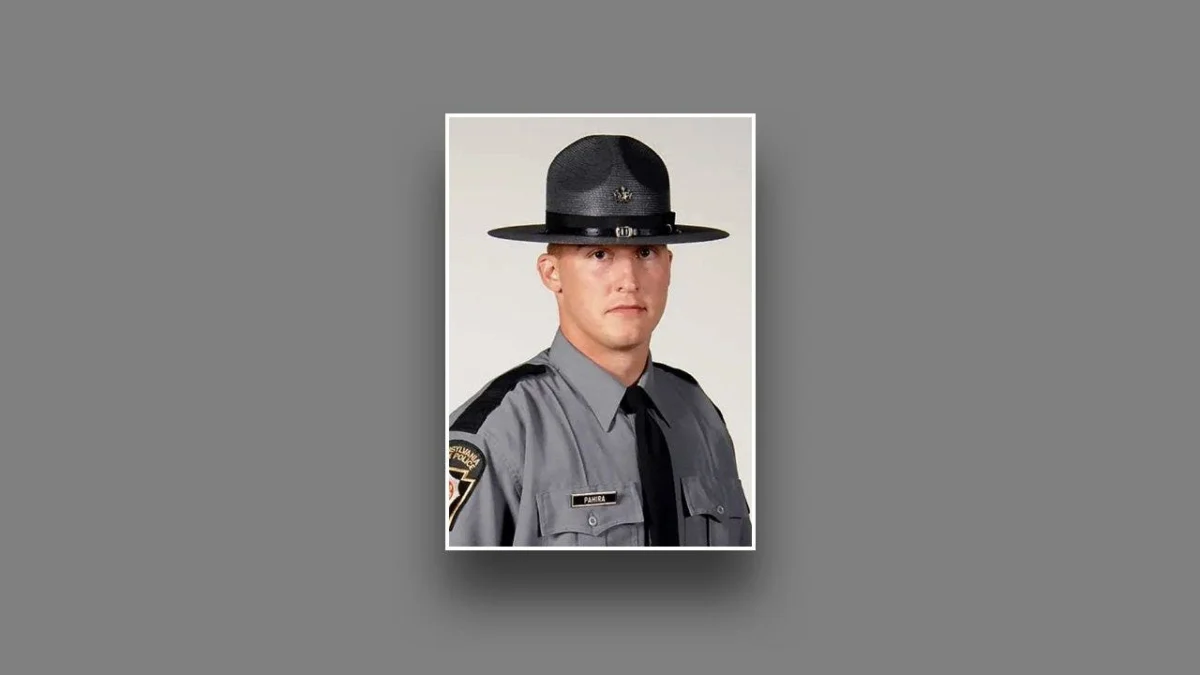
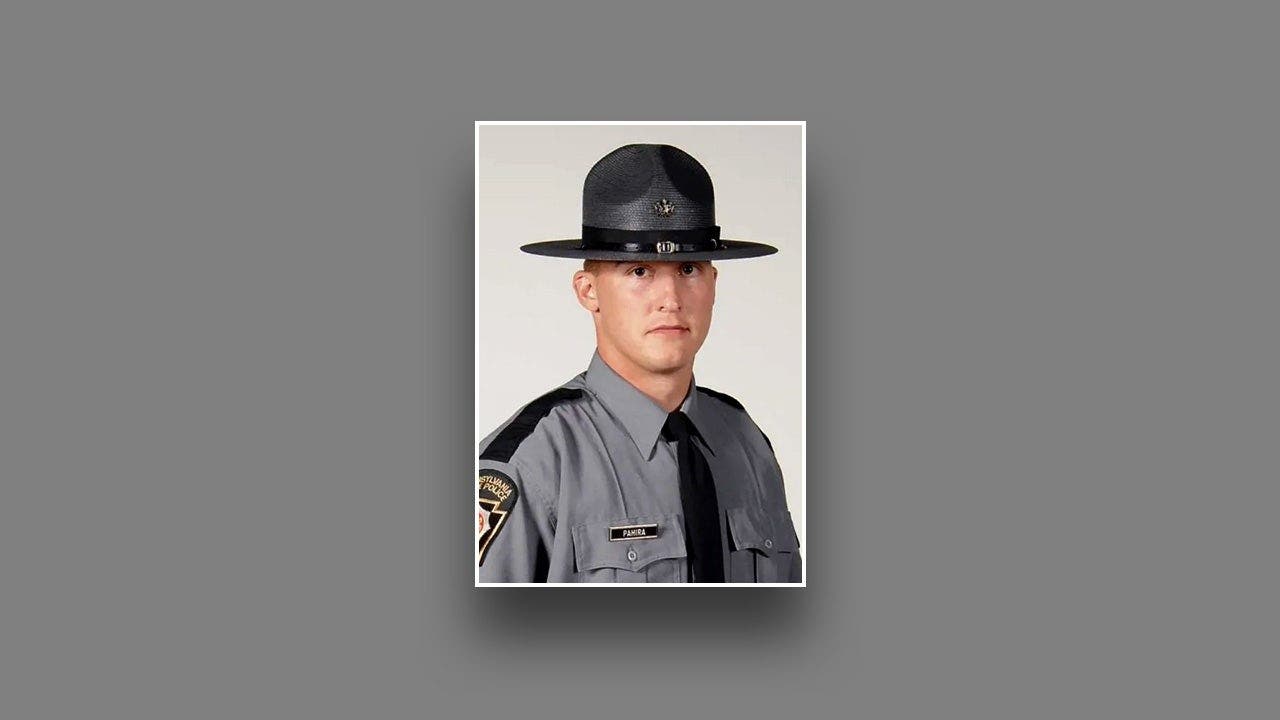
On Wednesday morning, Pennsylvania State Police Trooper Michael E. Pahira Jr., 44, was struck and killed while conducting a routine commercial vehicle safety inspection along Interstate 81 in Schuylkill County. The driver of the semi-truck that struck him, identified as 33-year-old Haitian national Michael Bon, was operating the vehicle despite having been ordered to leave the United States more than a year prior.
The tragedy is the latest in a series of fatal collisions involving noncitizen commercial truck drivers. These incidents have galvanized the Trump administration and Department of Transportation (DOT) officials to implement a aggressive crackdown on "non-domiciled" commercial driver’s licenses (CDLs) and demand sweeping legislative reforms to protect American roadways.
Main Facts of the Incident and Charges
The fatal collision occurred during the morning hours of Wednesday on Interstate 81 in rural Schuylkill County, Pennsylvania. Trooper Michael E. Pahira Jr., a dedicated member of the Pennsylvania State Police (PSP) since 2007, was serving in his capacity as a Motor Carrier Enforcement Inspector. He had pulled over a commercial semi-truck to conduct a safety inspection on the shoulder of the highway.
According to the Pennsylvania State Police, a second semi-truck, driven by Michael Bon, veered off the roadway for reasons still under investigation. Bon’s truck violently struck Trooper Pahira’s marked patrol vehicle and the stationary truck undergoing inspection before striking Pahira himself. The force of the impact triggered a massive fire, engulfing both commercial trucks. Trooper Pahira was rushed to a local hospital, where he was pronounced dead.
       [I-81 Shoulder]
+---------------------------+
|  Inspected Semi-Truck     | <-- Impacted by Bon's Truck
+---------------------------+
|  Trooper Michael Pahira   | <-- Struck and Killed
+---------------------------+
|  Marked PSP Patrol Car    | <-- Impacted by Bon's Truck
+---------------------------+
              ^
              | [Errant Path]
      +---------------+
      |  Bon's Truck  | (Veered off highway)
      +---------------+
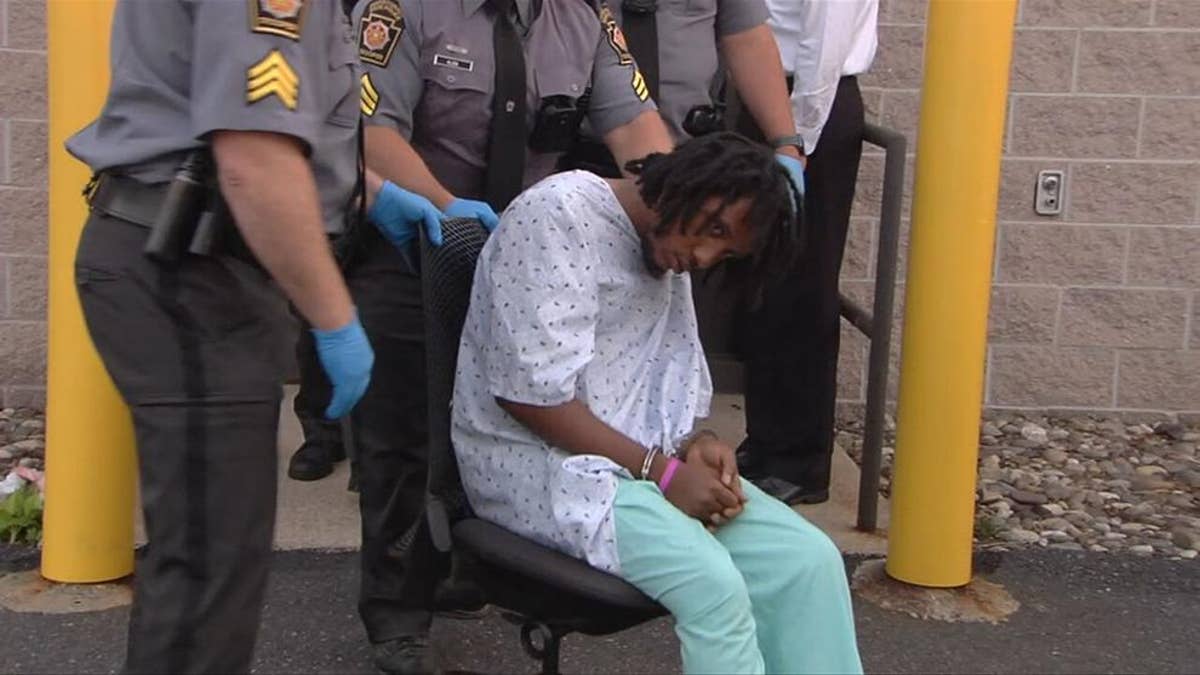
The driver, Michael Bon, who resided in Brockton, Massachusetts, survived the crash with minor injuries. Following an initial investigation, authorities arrested Bon and charged him with multiple offenses, including:
- Homicide by vehicle
- Involuntary manslaughter
- Reckless driving
- Six additional lesser traffic and safety violations
Bon is currently being held at the Schuylkill County Prison on a $700,000 cash bail, with his preliminary hearing scheduled for mid-July. Following his arrest, the Department of Homeland Security (DHS) immediately lodged an immigration detainer against him, signaling intent to take custody of Bon for deportation proceedings should he be released from local state custody.
Detailed Chronology of Events
The circumstances leading to the fatal crash on Interstate 81 reveal a complex timeline spanning several years, involving federal immigration programs, state licensing procedures, and policy shifts at the highest levels of government.
[July 2024] Bon enters U.S. via Humanitarian Parole Program
   │
[March 2025] Bon obtains non-domiciled CDL in Massachusetts
   │
[June 2025] DHS terminates parole; orders Bon to depart U.S. (Bon remains)
   │
[Feb 2026] Massachusetts RMV renews Bon's CDL
   │
[July 2026] Fatal I-81 crash kills Trooper Pahira; Bon arrested
The Suspect’s Immigration and Licensing Timeline
- July 2024: Michael Bon entered the United States through the Fort Lauderdale-Hollywood International Airport. His entry was facilitated under the Biden administration’s humanitarian parole program, which allowed select nationals from countries experiencing severe crises, including Haiti, to reside and work temporarily in the U.S.
- March 2025: While residing in Brockton, Massachusetts, Bon applied for and received a "non-domiciled" commercial driver’s license (CDL) from the Massachusetts Registry of Motor Vehicles (RMV). At the time, Bon possessed valid federal work authorization, making him legally eligible for the license under state guidelines.
- June 2025: Following a denial of his application for Temporary Protected Status (TPS), the Department of Homeland Security formally terminated Bon’s parole and ordered him to self-deport. Bon did not comply with the order and remained in the country illegally.
- February 2026: Despite his lack of legal status and the active deportation order, Bon successfully renewed his Massachusetts-issued CDL. The renewal occurred shortly before the Trump administration issued strict directives ordering states to halt the issuance and renewal of non-domiciled CDLs to individuals without verified, ongoing federal work authorization.
- July 2026: Bon, operating a commercial vehicle on a renewed but federally non-compliant license, drifted off Interstate 81 in Pennsylvania, causing the crash that killed Trooper Pahira.
Parallel Cases and Regulatory Milestones
The timeline of Bon’s case closely mirrors several other high-profile incidents that have driven recent federal policy changes:
- 2023: Manveer Singh, an undocumented immigrant, was apprehended and subsequently released by federal authorities at the Arizona border.
- Late 2025: Singh was involved in a deadly semi-truck collision in Lodi, California, resulting in vehicular manslaughter charges. This incident became a primary catalyst for the legislative push behind "Delilah’s Law."
- Early 2026: Transportation Secretary Sean Duffy initiated a comprehensive, nationwide audit of state registries of motor vehicles to identify how many non-domiciled CDLs had been issued to individuals lacking legal status or valid work authorization.
- April 2026: The Department of Transportation took the unprecedented step of withholding over $73 million in federal highway transit funding from the State of New York, citing the state’s failure to revoke commercial licenses for drivers who had lost their federal eligibility.
Supporting Data and National Safety Concerns
The death of Trooper Pahira has highlighted a growing body of data regarding highway safety and the regulation of commercial drivers. During his State of the Union address, President Donald Trump presented figures indicating that in 2025 alone, at least 17 fatal crashes resulting in 30 deaths involved undocumented immigrants operating commercial vehicles under state-issued CDLs.
| Metric | Details |
|---|---|
| Total Fatal Crashes (2025) | 17 incidents nationwide |
| Total Fatalities (2025) | 30 individuals killed |
| Key States Affected | Wyoming, Florida, California, Virginia, Pennsylvania |
| Federal Funding Sanctions | $73M+ withheld from New York State (April 2026) |
Federal authorities point to systemic vulnerabilities in how states manage "non-domiciled" CDLs. These licenses are designed for individuals who reside in a foreign country but are temporarily authorized to work in the United States, or whose home nations do not have reciprocal commercial testing agreements with the U.S.
However, federal audits have revealed significant communication gaps between the Department of Homeland Security and state Registries of Motor Vehicles. When an individual’s legal status or work authorization is revoked or expires, states frequently fail to receive timely notification, allowing drivers to retain or even renew commercial licenses.

Additionally, language barriers have emerged as a significant regulatory concern. Transportation Secretary Sean Duffy highlighted a major commercial bus crash in Virginia that resulted in five fatalities, noting that the operator did not speak or read English—a direct violation of federal motor carrier safety regulations, which require commercial drivers to be able to read and speak English sufficiently to converse with the public and understand highway traffic signs.
Official Responses and Tributes
The loss of Trooper Pahira has drawn profound grief and sharp criticism from state and federal officials alike.
State Tributes
Pennsylvania Governor Josh Shapiro expressed deep sorrow over the loss, describing Pahira as an exemplary public servant who represented "the very best of us." In a moving press conference, Shapiro highlighted Pahira’s deep commitment to his family, noting that the veteran trooper had recently requested a transfer back to his home region specifically to assist in caring for his mother, who is currently undergoing intensive cancer treatments.
"I spent time with Mike’s parents, Patti and Mike, his sister, Jen, and some of his friends and fellow troopers," Governor Shapiro said. "They told me about Mike — about how great a man he was, about his high school wrestling record, his love of cooking, and his commitment to caring for his mother as she battles cancer. Just in the last few days, he helped her shave her head as she is going through her treatments."
Federal Policy Demands
At the federal level, the incident has fueled demands for systemic reform. Transportation Secretary Sean Duffy re-emphasized his department’s commitment to eliminating regulatory gaps in the commercial trucking sector.
"Secretary Duffy is laser-focused on restoring integrity to America’s trucking industry by ensuring truck drivers on our roadways are qualified and vetted," a Department of Transportation spokesperson said. "The Department is going after every link in the chain to root out bad actors, fraudsters, and chameleon carriers who put American families at risk."
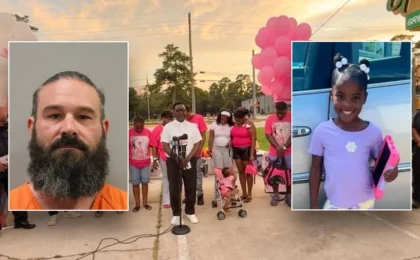
In response to the recurring accidents, federal lawmakers and transportation officials are advocating for the passage of "Delilah’s Law." Named in memory of a victim of a previous commercial crash involving an undocumented driver, the proposed legislation would establish an absolute federal prohibition against issuing or maintaining commercial driver’s licenses for any individual who does not possess permanent legal residency or verified, active work authorization in the United States. It would also mandate real-time data integration between DHS and state DMVs to automate the immediate suspension of commercial driving privileges upon the expiration or revocation of a driver’s legal immigration status.
Policy Implications and the Future of Commercial Licensing
The fatal collision on Interstate 81 represents a critical flashpoint in the ongoing debate over state sovereignty, immigration policy, and highway safety. The case of Michael Bon exposes a regulatory disconnect: a driver can be ordered deported by federal immigration authorities while simultaneously holding a valid, state-issued commercial license to operate an 80,000-pound semi-truck on interstate highways.
The Enforcement Divide
This tragedy underscores the friction between federal mandates and state-level DMV operations. While the Trump administration has directed states to immediately cease issuing or renewing non-domiciled CDLs to ineligible noncitizens, enforcement has been inconsistent. States with sanctuary policies or more lenient licensing frameworks have faced intense federal pressure. The withholding of $73 million from New York serves as a warning of the financial penalties the DOT is willing to impose on non-compliant states.
Reforming the Commercial Supply Chain
The logistics and trucking industries are also facing scrutiny. Federal regulators are targeting "chameleon carriers"—trucking companies that shut down after safety violations only to reopen under a different name—and carriers that hire drivers without conducting thorough background and immigration status checks.
As "Delilah’s Law" gains momentum in Congress, transport companies may soon face stricter compliance requirements, including mandatory electronic verification of immigration and work authorization status for all commercial operators. For the family of Trooper Michael Pahira and the communities mourning victims of similar accidents, these legislative efforts represent a vital, overdue step toward ensuring that those entrusted with navigating the nation’s heavy transport vehicles are fully authorized, vetted, and legally permitted to be on the road.