If you have walked onto a dealership lot lately and felt that the sticker prices were bordering on the absurd, take comfort in the fact that your instincts are backed by hard, cold data. The era of the "affordable new car" is rapidly receding into the rearview mirror, as the United States automotive market has officially crossed a psychological and financial threshold that has been building for years.
According to the latest Catalyst IQ Vehicle Price and Inventory Tracker, the average transaction price (ATP) for a new vehicle in the United States has shattered a record that stood for nearly three years. As of June 2026, the American consumer is paying more than ever to put a new set of keys in their pocket, marking a significant shift in the landscape of personal mobility.
A Chronology of Record-Breaking Costs
The upward trajectory of vehicle pricing has been relentless, but June 2026 served as a flashpoint. On June 26, the Catalyst IQ index hit $51,820. This figure edged past the previous all-time high of $51,819—a record that had been firmly in place since July 7, 2023.
However, the market did not stop at that milestone. In a display of sustained momentum, prices continued their climb throughout the final days of the month. Just four days after setting the initial record, the average transaction price surged another $154, peaking at $51,974. To put this in perspective, this represents a $314 increase over the preceding month of May and a staggering $2,421 jump compared to June 2025.
This rapid acceleration suggests that the inflationary pressures on the automotive industry are not merely transitory. They are embedded within a complex web of logistics, manufacturing shifts, and shifting consumer preferences that show little sign of easing in the short term.
Segment-Specific Impacts: Where the Money is Going
While the average transaction price is a useful headline metric, it masks the uneven distribution of these price hikes across different vehicle segments. Not every buyer is feeling the squeeze in the same way, though the data confirms that almost no corner of the market has been left untouched.
The Luxury Premium
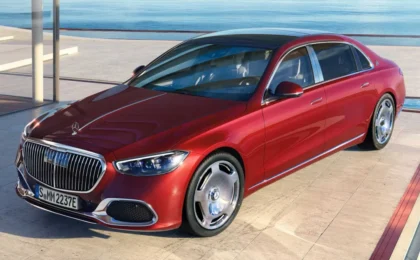
The most significant financial strain is being felt by those in the market for premium and luxury vehicles. Mid-size luxury crossovers and SUVs have seen an astronomical average transaction increase of $3,204 over the past twelve months. This reflects a broader trend in the industry: as manufacturers face higher input costs, they are increasingly prioritizing the production and sale of high-margin, high-tech luxury vehicles over entry-level models.
The Utility Gap
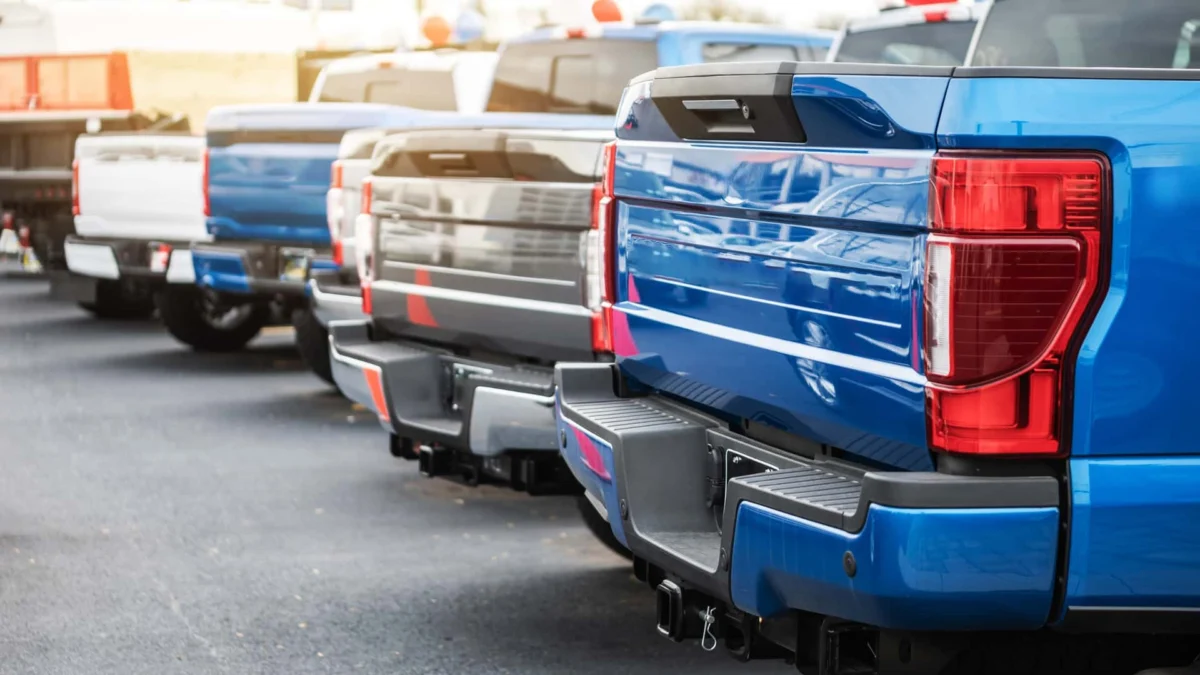
Full-size pickups, long the bread and butter of the American automotive industry, have also seen a substantial price increase of $2,296 year-over-year. As these vehicles have transitioned from basic work tools to high-tech, leather-lined family haulers, their price tags have followed suit. Conversely, mid-size mainstream crossovers and SUVs—the most popular segment for average families—saw a more modest, yet still significant, increase of $952.
The Rare Wins
Not every segment is experiencing hyper-inflation. Rick Wainschel, vice president of analytics at Catalyst IQ, notes that five specific segments actually saw price decreases. Convertibles led the way with a 9.8 percent decline, likely driven by lower demand and a shift toward more practical, all-weather vehicles. Minivans also saw a 3.2 percent dip, joined by full-size SUVs, extra-large luxury SUVs, and luxury vans. These decreases are largely attributed to inventory adjustments and a cooling of the "panic buying" that characterized the post-pandemic market.
The Factors Driving the Surge
Why are prices rising despite the industry moving further away from the supply chain bottlenecks of 2021 and 2022? The answer is multifaceted, involving a complex interplay of global politics, trade policy, and corporate strategy.
The Impact of Tariffs
Tariffs have emerged as a primary catalyst for the current price environment. As the U.S. government implements stricter trade policies, automakers are scrambling to reconfigure their supply chains. The cost of these adjustments—which often involve moving production from overseas facilities to North American soil—is inevitably being passed down to the consumer.
For instance, manufacturers like Subaru have opted to move production of the Outback from Indiana to Japan to optimize global output, while Buick is in the process of shifting production of the Envision from China to the United States. While these moves are designed to insulate brands from future trade volatility, they carry massive capital expenditures that hit the bottom line of the retail price.
Inflation vs. Wages
The core of the affordability crisis lies in the decoupling of vehicle prices from wage growth. According to data from the Bureau of Labor Statistics, average weekly wages in the United States are currently failing to outpace inflation. When a vehicle’s price rises by several thousand dollars in a single year, while household income remains relatively stagnant, the "accessibility gap" widens. This makes the purchase of a new vehicle a luxury reserved for a shrinking demographic, potentially pushing millions of potential buyers into the used car market or forcing them to hold onto aging vehicles for longer than they might prefer.
The Paradox of Sales: Why Prices Rise While Volume Holds
Perhaps the most counterintuitive finding in the latest Catalyst IQ report is that the record-high prices have not yet caused a collapse in sales volume. One might expect that a $52,000 average price would stifle demand, but the data suggests the market remains resilient.
"Even with automakers and dealers that are out there discounting, you still have prices heading upwards," says Wainschel. "But our data shows that overall, turn rate is up and days-to-move is down."
In industry terms, this means that vehicles are not sitting on dealership lots as long as they were a year ago. They are selling faster, despite their higher price tags. This indicates that there is still a robust layer of consumer demand—fueled, perhaps, by a combination of pent-up demand, high employment, and the increasing necessity of personal vehicle ownership in a sprawling U.S. infrastructure. However, experts warn that this velocity may be a temporary phenomenon before the reality of high interest rates and elevated MSRPs finally forces a market correction.
Implications for the Future of Mobility
As we look toward the remainder of 2026 and into 2027, the trajectory of the automotive market remains uncertain. We are witnessing a fundamental transformation in how cars are sold and bought. The "entry-level" new car is effectively disappearing, as manufacturers find that the margins on compact, inexpensive sedans are too thin to justify in an era of expensive safety technology, electrification, and supply chain re-shoring.
For the American consumer, the implications are profound:
- Longer Loan Terms: To manage higher monthly payments, buyers are increasingly opting for 72- or 84-month loan terms, effectively locking themselves into vehicle debt for the better part of a decade.
- The "Used" Pivot: As new cars become unattainable, the used vehicle market will likely see continued price pressure, as buyers who were priced out of the new market compete for high-quality pre-owned inventory.
- Shift in Ownership Models: We may see a rise in subscription services or long-term leasing, as consumers look for ways to access modern vehicles without the burden of a massive, long-term asset purchase.
Conclusion
The milestone of $51,974 is not just a number on a chart; it is a signpost of an industry in transition. As automakers balance the need for profitability with the realities of global trade and manufacturing, the American consumer is left navigating a market where the cost of entry is rising faster than the ability to pay.
While the market currently maintains its momentum, the divergence between wage growth and vehicle pricing is a ticking clock. Whether the industry can find a way to reintroduce affordability into the market, or whether we are entering a long-term period where new car ownership is reserved for the affluent, remains the defining question for the automotive sector in the years ahead. For now, buyers should prepare for a landscape where value is harder to find, and where the price of admission to the world of new mobility continues to reach for the clouds.