In the digital age, the homebuying journey almost invariably begins with a thumb-flicking scroll through online property portals. With high-definition photography, 3D walkthroughs, and carefully curated descriptions, listings are designed to be the ultimate "hook." They are crafted to generate immediate interest and traffic, painting a picture of an aspirational lifestyle. However, seasoned real estate professionals often warn that the most important details of a home are frequently those left unsaid.
Understanding how to read between the lines of a property listing is a critical skill that separates savvy investors from those who face "buyer’s remorse" and costly repairs mere months after closing. Whether you are hunting for a compact condo in Miami or a single-family home in Seattle, learning to identify the subtle—and sometimes glaring—red flags in online listings is the first line of defense against an unwise investment.
The Anatomy of a Listing: What Isn’t Being Said?
When a listing hits the market, it represents the property at its absolute best. Yet, the absence of information is often as telling as the information provided. Vague marketing language, the strategic omission of key home areas, and unrealistic pricing are not just stylistic choices; they are often calculated maneuvers to downplay maintenance burdens or structural concerns.
The Problem of Vague Descriptors
Listing descriptions are meant to be a map for the buyer, detailing the condition, upgrades, and unique features of a home. When a seller or agent relies heavily on "fluff" phrases—such as "lots of potential," "blank canvas," "a handyman’s dream," or "sold as-is"—it is a signal to slow down.
These terms frequently act as a shroud for deferred maintenance, outdated electrical systems, or plumbing that has reached the end of its functional life. While these properties can occasionally be diamonds in the rough, they require a methodical approach. Buyers must pivot from the emotional appeal of the listing to the objective reality of the home’s mechanical health. Ask direct, pointed questions: When was the roof last replaced? Has the HVAC system been serviced annually? Are there known issues with the plumbing or foundation?
The "Omission" Strategy in Photography
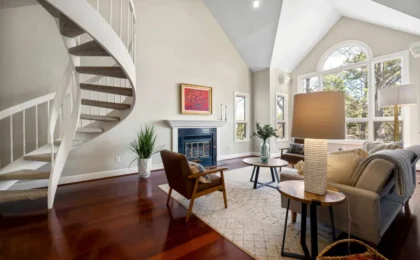
Listing photos are a marketing tool, not a diagnostic report. Professional photographers are experts at capturing a home’s most photogenic angles while steering the lens away from trouble spots.
"One of the most overlooked red flags in online listings is not always what the photos show, but what they seem to avoid," says Wesley Upchurch, a Certified Professional Inspector (CPI) at Upchurch Inspection. "Buyers should pay attention to tightly cropped images, missing exterior angles, limited views of the roofline, or photos that skip over normal details like flooring transitions, ceilings, corners, trim, and areas around windows. Those missing details can point to staining, uneven floors, patched drywall, drainage concerns, or worn exterior materials."
If a listing showcases the staging of a living room but provides zero photos of the basement, garage, or utility room, the buyer should assume the worst until proven otherwise. Cross-referencing listing photos with satellite imagery or Google Street View can provide a more grounded perspective on the property’s actual surroundings and exterior wear.
The Pricing Paradox: Why "Cheap" Can Be Expensive
In an era of high interest rates and tight housing inventory, a home priced significantly below market value often triggers a sense of urgency. However, an unrealistically low price is frequently a red flag of a deeper, underlying issue.
Unmasking Hidden Costs
Pricing anomalies often stem from one of three sources: a desperate seller looking for a quick exit, a property that has been deemed unfinanceable by traditional lenders, or a home that carries significant structural or environmental liabilities. If a home is priced far below comparable sales in the area, it may be because the seller knows it won’t pass a conventional inspection, or it may have major defects such as foundation cracks, septic system failure, or hazardous materials like asbestos or mold.
In some cases, agents use low pricing as a marketing tactic to trigger a bidding war. While this is a standard industry practice, it can lead to buyers waiving contingencies in the heat of the moment—a mistake that leaves them vulnerable to whatever hidden damage the home may harbor. Buyers should always cross-reference the asking price with local market data and use home valuation tools to determine if the price reflects the property’s true condition or merely a marketing strategy.
The Lifecycle of a Listing: When Time Becomes a Signal
In a fast-moving real estate market, a home that lingers on the market for an unusually long period is a flashing neon sign. While a property might stay on the market due to a high price, it can also indicate that previous deals have fallen through due to inspection failures, appraisal gaps, or title issues.
When a home remains unsold for 60, 90, or 120 days in a market where the average "days on market" is 20, buyers have a right to ask: "Why?" The answer might be a simple case of overpricing, but it could also be a warning that the home has already "scared off" other buyers during their due diligence phase.
Cosmetic Upgrades as a Distraction
There is an old saying in real estate: "Paint is the cheapest way to hide a multitude of sins." Freshly painted walls, staged furniture, and trendy light fixtures can make a home feel move-in ready, but these superficial upgrades often mask the reality of aging infrastructure.
"Cosmetic updates can make a home feel move-in ready while older roofing, drainage problems, foundation movement, moisture intrusion, or aging HVAC and electrical systems remain unresolved," explains Aaron West, CPI at Keystone Castle Inspections. "Before becoming emotionally invested, buyers should review seller disclosures carefully, look at property history, ask direct questions about major systems, and budget for a professional inspection before waiving or shortening contingencies."
Buyers must learn to distinguish between a home that has been cared for and a home that has been flipped. A home that features high-end granite countertops but still has a 30-year-old water heater and original, ungrounded electrical outlets is a classic example of "lipstick on a pig."
The Importance of Professional Due Diligence
Ultimately, no amount of online research can replace a professional home inspection. The listing is a sales brochure; the inspection is a medical exam.
A licensed inspector is trained to look where the camera doesn’t go. They are looking for moisture patterns behind drywall, checking the flow of a furnace, testing the grounding of outlets, and observing the slope of the roof. Beyond the standard inspection, buyers in certain regions or with specific property types should consider specialized inspections, such as:
- Sewer Scope Inspections: Essential for older homes to check for collapsed, cracked, or root-infested pipes.
- Foundation Inspections: Necessary if there are signs of structural shifting, such as diagonal cracks in drywall or doors that don’t close properly.
- Environmental Testing: Checking for mold, radon, or lead paint, especially in older homes or those with evidence of water damage.
Implications for Today’s Buyer
The real estate market is inherently asymmetrical: the seller knows almost everything about the property, while the buyer knows almost nothing. The online listing is the primary tool used to bridge that gap, but it is also the primary tool used to influence the buyer’s perception.
To navigate this landscape successfully, buyers must adopt a "trust but verify" mindset. This means treating every listing as a hypothesis that must be proven through data, documentation, and on-site expertise.
- Demand Documentation: Ask for seller disclosures, permit records for past renovations, and maintenance logs for major systems.
- Analyze the Market: Use data-driven tools to understand if the pricing aligns with neighborhood trends.
- Prioritize the Inspection: Never view the inspection as a hurdle to clear, but as the most critical step in the entire financial transaction.
By looking beyond the polished photography and the enticing, vague language of online listings, buyers can protect their financial future. The goal is not just to find a house that looks good on a screen, but to ensure that the home you purchase is as solid on the inside as it appears on the outside. In the high-stakes game of real estate, the most successful buyers are those who refuse to take a listing at face value.