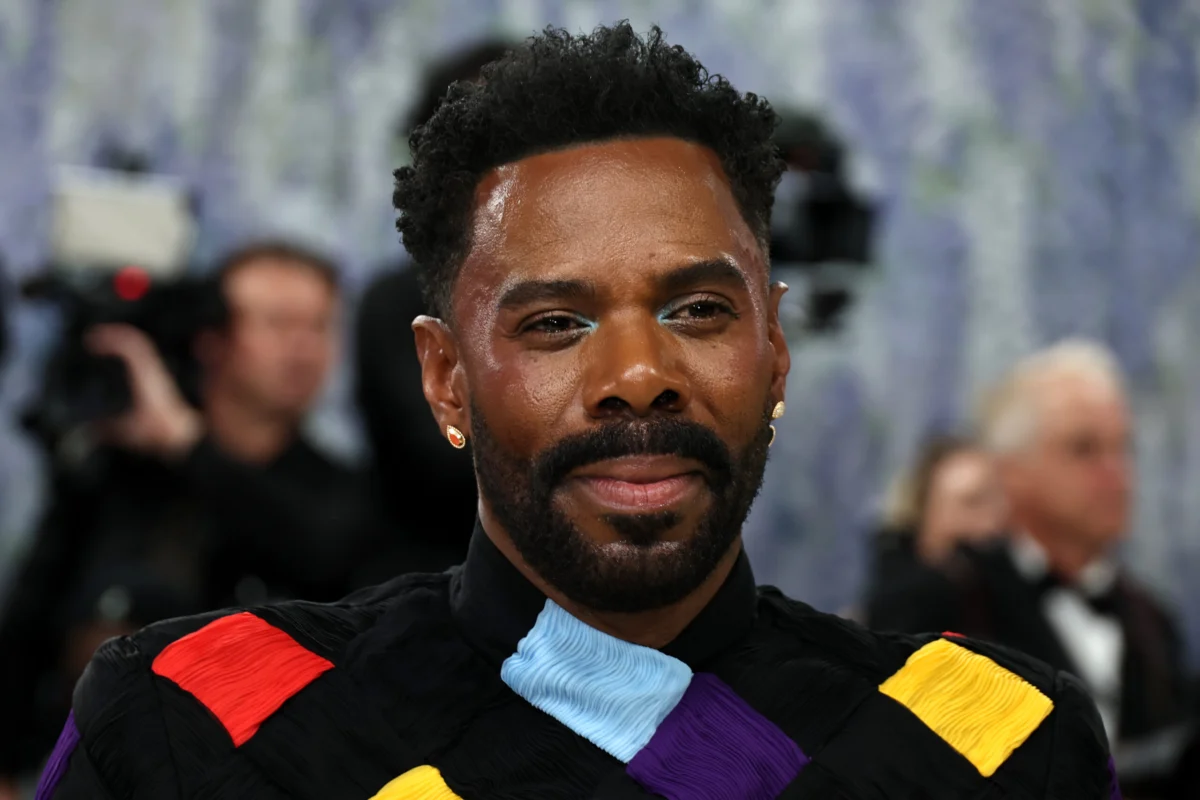
For Colman Domingo, the journey from a struggling stage performer in the 1990s to one of Hollywood’s most sought-after leading men is not merely a trajectory of professional milestones; it is a spiritual return to the city that forged his creative identity. From 1991 to 2001, San Francisco served as the crucible for Domingo’s artistic development, a decade he describes as the period where he “became of age.”
On June 27, that decade-long circle will close in a moment of profound significance. In partnership with the Frameline Film Festival, Variety will honor the Academy Award-nominated actor with the Creative Conscience Award at the historic Castro Theatre. For Domingo, the venue is as vital as the accolade itself—a site of pilgrimage where he once sat in the audience, dreaming of the possibilities of the silver screen.
The Pillars of Art: Frameline and the Formative Years
To understand the weight of this honor, one must understand the role that Frameline—the world’s longest-running and largest showcase for LGBTQ+ cinema—played in Domingo’s early life. During his ten-year tenure as a San Francisco resident, the festival was not an extracurricular activity; it was a mandatory education in the power of storytelling.
“I would go to Frameline every single year, in particular to see the shorts program,” Domingo reflects. For the young artist, these short films were more than mere entertainment. He describes them as “ambitious and giving slices of life,” pieces of cinema that provided a mirror for his own experiences and aspirations.
“They gave you a reflection of who you are, and who you aspire to be—whether it’s about love, trials and tribulations, or joy,” he explains. “I looked at it as part of my pilgrimage every single year, so the idea of coming home and going back to the Castro Theatre is extraordinary to me. I owe a lot of my artistic foundation to Frameline.”
Chronology: A Career Built on Intentionality
Colman Domingo’s career is a study in calculated risk and artistic integrity. While his current status as an A-list talent is cemented by a string of high-profile projects, the path to this point was marked by a rigorous, almost philosophical approach to project selection.
1991–2001: The San Francisco Crucible
During his formative decade in the Bay Area, Domingo immersed himself in the local theater and film scenes. It was here that he learned to cultivate his voice, developing the nuanced approach to performance that would eventually define his screen presence.
2001–2015: The Rise of the Character Actor
Following his departure from the Bay Area, Domingo navigated the competitive landscapes of New York and Los Angeles theater, eventually transitioning into television and film roles that demanded a high level of emotional intelligence and transformative ability.
2016–2023: The Euphoria and Beyond
His role as Ali in HBO’s Euphoria brought his craft to a global audience, showcasing a rare ability to anchor chaotic narratives with steady, humanistic gravitas. This period saw him evolve from a supporting actor into a centerpiece of prestige cinema.
2024 and The Future: The Multihyphenate Era
The current year represents a pinnacle of his career. Domingo is a pivotal figure in the Michael Jackson biopic Michael, a key player in Steven Spielberg’s Disclosure Day, and has recently wrapped up his work on the critically acclaimed The Four Seasons for Netflix. Beyond acting, his transition into directing and producing—specifically for the upcoming Nat “King” Cole biopic, Unforgettable—signals a new chapter where he exerts creative control over the stories he tells.
The Philosophy of the "North Star"
When asked how he manages a workload that spans multiple major studio films and television series, Domingo’s answer is characteristically precise: “It’s a matter of taste. I’m very incisive when it comes to distilling what I think is useful to me.”
This incisiveness is not just about the quality of the script; it is about the humanity of the collaboration. Domingo reveals that he has historically turned the tables on directors, interviewing them just as they interview him. Before signing on to a project, he asks the hard questions: What is this experience going to be like? How is it going to fuel me? How am I going to fuel it? Do I have anything to give?
This philosophy was echoed in his meetings with industry titans like Steven Spielberg and Michael director Antoine Fuqua. Both filmmakers, in a gesture that Domingo found deeply moving, asked him if he felt he had something to offer the role and the environment of the set.
“What a great question to be asked as an artist!” Domingo says. “It forces you to think: What can I offer—not only as an actor and artist but as a human being? How are we going to create the sets and treat each other? I’m very clear about that. I think that’s why my career looks the way it does, and maybe that’s why I’ve had such beautiful successes.”
Supporting Data: Why "Creative Conscience" Matters
The Variety Creative Conscience Award is not merely a recognition of box-office performance. It acknowledges an artist who uses their platform to influence the industry’s culture. Domingo’s career is defined by a "North Star" directive: To pursue great work, foster a good atmosphere, and achieve meaningful success.
This directive has led to the difficult, often counter-intuitive decision to turn down roles that might offer financial security but lack alignment with his values. “I’ve been following that directive for a long time—never just doing something for the money or the opportunity,” he notes. “Sometimes I’ve had to let roles go because they may not feel right for me at the moment, and I have to trust that there’s more.”
This trust in the abundance of the industry is a hallmark of his resilience. He operates with the firm belief that there is always more, provided one remains authentic to one’s own creative vision. “You’re dealing with someone who always feels there’s plenty for me out there. So it’s OK to let things go and navigate with that North Star, because it will lead me to great moments and great collaborations.”
Implications: The Evolution of a Creator
The significance of Domingo receiving this award at the Castro Theatre extends beyond his personal history. It represents a validation of the "Bay Area spirit"—an ethos of community, inclusion, and bold artistic expression that Frameline has championed for decades.
As Domingo prepares to take on the multifaceted role of director, producer, and star for Unforgettable, the lessons he learned in the small, ambitious short-film programs of the 90s are coming to fruition. He is no longer just a performer interpreting a character; he is a curator of the entire cinematic experience.
His trajectory suggests a shift in how modern stars view their power. By prioritizing the atmosphere of the set—the human element of the creative process—Domingo is helping to reshape the industry from the inside out. He is proving that an actor’s greatest contribution is not just their performance, but the standard of humanity they bring to the collaborative process.
A Final Homecoming
As the June 27 ceremony approaches, the buzz surrounding the event is palpable. For the local community, it is a chance to welcome back a son of the city who never lost his footing. For the industry, it is a moment to recognize that the most enduring careers are those built on more than just talent—they are built on conscience.
Colman Domingo’s return to the Castro Theatre is not just a visit to the past. It is an acknowledgment that the young man who once sat in those seats, seeking reflection and inspiration, has become the very thing he was looking for: a beacon of creative, and moral, conscience in an industry that desperately needs it. In his own words, he has "never lost sight of my Bay Area roots," and in doing so, he has found the clearest path to his future.