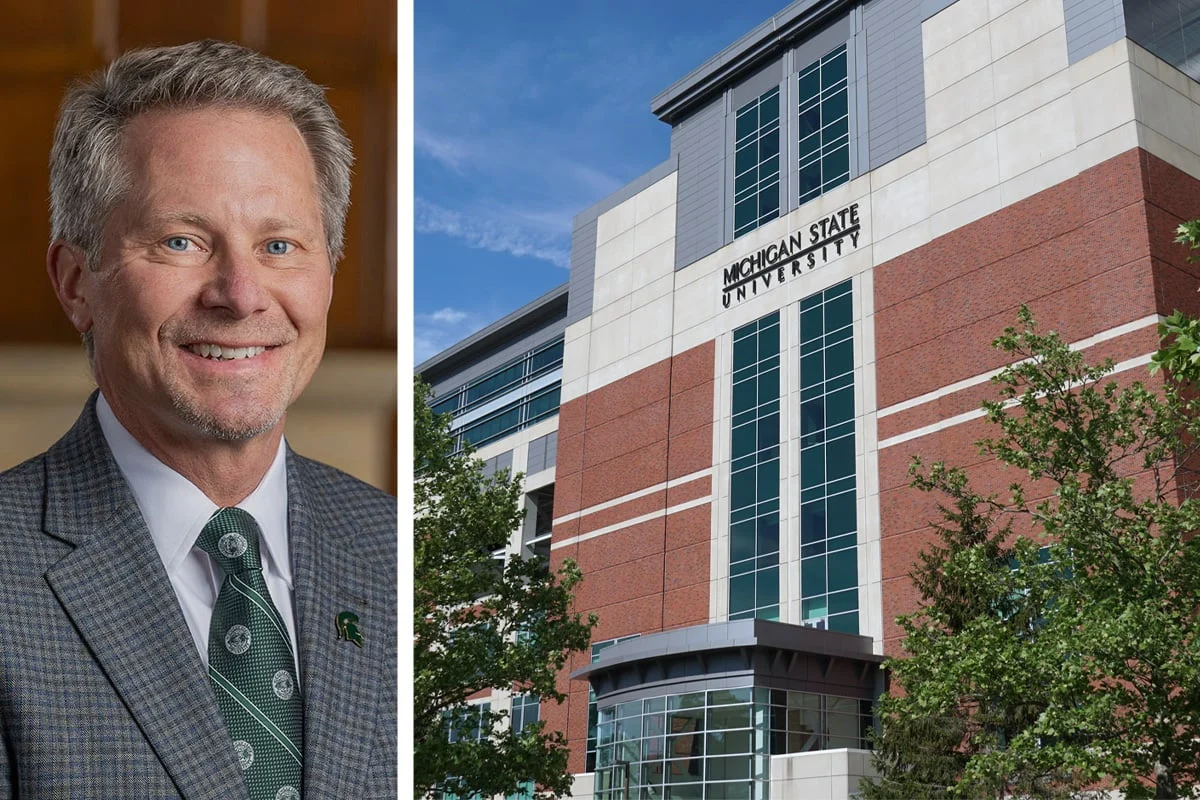
In a dramatic reversal that has sent shockwaves through the landscape of American higher education, Michigan State University (MSU) President Kevin Guskiewicz announced on Monday that he will remain at the helm of the institution. The decision, delivered via a formal message to the Spartan community, comes just over a month after the university confirmed his departure to assume the presidency at Clemson University.
The abrupt pivot marks the conclusion of a tumultuous period of institutional instability, characterized by intense public outcry, political intervention, and an unprecedented level of scrutiny regarding the internal governance of one of the nation’s largest public research universities.
The Chronology of a High-Stakes Departure and Return
The saga began in late May 2026, when Guskiewicz, who has led MSU for two years, stunned the academic world by announcing he would step down to accept the top post at Clemson. At the time, his resignation was framed as a direct consequence of a toxic environment fostered by the MSU Board of Trustees.
The May Resignation
In his May 27 letter of resignation, Guskiewicz offered a candid assessment of the dysfunction within the Board. He lamented that institutional leadership was being undermined by trustees who appeared more interested in "revisiting past conflicts and internal disagreements" than in focusing on the university’s future. He specifically accused certain board members of prioritizing personal agendas over the needs of the students, faculty, and the broader Spartan community.
The Period of Uncertainty
Following the announcement, the university entered a state of limbo. While Guskiewicz indicated he would remain for a transition period, the Board of Trustees failed to establish a concrete timeline for his departure or name an interim successor. Throughout June, the campus and the state of Michigan watched as the university’s governance crisis deepened. Critics pointed to the lack of a transition plan as evidence of the very instability Guskiewicz had decried.
The Intervention and Outreach
According to recent statements, the weeks following the resignation announcement were marked by "productive conversations" between Guskiewicz and the Board’s leadership. Recognizing the existential threat that the president’s departure posed to the university’s stability, the board chair and vice chair engaged in extensive dialogue with the president, reportedly committing to a comprehensive overhaul of the Board’s governance structure and the implementation of more rigorous ethical standards.
The Official Reversal
On July 6, 2026, Guskiewicz confirmed that he had rescinded his acceptance of the Clemson position. In his statement to the community, he cited a newfound confidence in the Board’s willingness to reform. "The board has demonstrated a commitment to implementing a more robust governance structure, including recent improvements to the Code of Ethics and Conduct," Guskiewicz wrote. "I am grateful for the patience the board extended as I worked through this deeply personal decision."
A Groundswell of Public and Institutional Support
The path to Guskiewicz’s return was paved by a massive, grassroots campaign that transcended the typical boundaries of campus politics. The public outcry against the Board of Trustees was swift and vocal.
Political and Cultural Pressure
Michigan Governor Gretchen Whitmer took the rare step of publicly rebuking the Board, labeling their behavior "antics" and calling for a restoration of decorum. Simultaneously, the sports world—often the loudest megaphone in collegiate life—weighed in. Tom Izzo, the legendary men’s basketball coach at MSU, became an unlikely advocate for administrative stability. Izzo publicly expressed his "disgust" with the board’s infighting, famously urging alumni to "stand up because what happened with our president is ridiculous."
The Grassroots Movement
The "I Stand with Guskiewicz" sentiment manifested in signs, petitions, and social media campaigns that flooded the East Lansing campus throughout June. This collective pressure proved vital. Guskiewicz acknowledged that this outpouring was not merely background noise, but a deciding factor in his reflection. "The outpouring of support played an important role in my reflection and my conviction that this is where my wife, Amy, and I are meant to be," he stated.
Financial Realignments and Contractual Details
The reversal has necessitated a complex recalibration of the president’s compensation package, which had previously been subject to aggressive negotiations.

The Compensation Shift
Prior to the initial resignation announcement, the Board had moved to double Guskiewicz’s salary to $2 million annually in a bid to secure his commitment. Following his decision to stay, the terms were adjusted. Reports from the Lansing State Journal indicate that the president will now receive a salary of $1.5 million, effective October 1, with his contract extended through 2031. This adjustment reflects a middle-ground compromise intended to show fiscal responsibility while retaining high-level executive talent.
The Athletic Department Ripple Effect
The uncertainty surrounding the presidency also caused collateral damage in the athletic department. Athletic Director J Batt had recently been hired for a similar role at the University of Kentucky. Under the terms of his agreement, his buyout clause was significantly impacted by the status of the MSU presidency. As of this writing, while the university is not seeking to retain Batt, his dual-listing on both MSU and University of Kentucky websites underscores the chaotic nature of the last six weeks.
Implications for Governance and Institutional Culture
While Guskiewicz’s return is viewed as a victory by many, the long-term implications for Michigan State University are profound.
Restoring Trust
Guskiewicz was clear-eyed about the work ahead. "I recognize that some members of our community may have questions about my commitment," he admitted. "That is understandable. Trust is not restored through words alone. It is earned through consistency, transparency, and action."
This admission highlights the precarious nature of his leadership moving forward. He has effectively tied his reputation to the Board’s ability to adhere to its new Code of Ethics. If the "revisiting of past conflicts" resumes, Guskiewicz will find himself in a position where his credibility is again at risk.
A Test for the Board of Trustees
For the Board of Trustees, this incident serves as a wake-up call. The public shaming they received from the governor, the faculty, and iconic figures like Izzo has stripped away the veil of institutional privacy. The Board is now under a microscope. Their success will no longer be measured by internal maneuvering, but by their ability to provide the "robust governance" they have promised.
The Future of University Leadership
The situation at MSU serves as a cautionary tale for universities nationwide regarding the intersection of politics, donor pressure, and academic leadership. The difficulty of recruiting and retaining top-tier presidents in an era of hyper-politicized boards is a growing concern for higher education advocates. By successfully "re-hiring" their own president, MSU has avoided a costly and potentially disastrous search process, but they have also entered a new phase of accountability.
Conclusion: A New Chapter for the Spartans
The return of Kevin Guskiewicz to the Michigan State presidency is a rare moment of resolution in an often-unpredictable field. As the university moves into the latter half of 2026, the focus will inevitably shift from the boardroom to the classroom and the field.
The "Spartan community" has made it clear that they value stability and leadership that prioritizes the institution over political theater. Whether the Board of Trustees can honor the renewed trust placed in them remains to be seen. For now, however, the university has secured the leader it spent the last month fighting to keep, setting the stage for what many hope will be a period of healing, focus, and long-term strategic growth.
As Guskiewicz prepares to lead through 2031, his tenure will be defined by his ability to bridge the divide between a legacy of conflict and the promise of a more transparent, collaborative future. The stakes, both for the university’s academic reputation and for the morale of its students and staff, have never been higher.