The landscape of British academia, long considered a bastion of intellectual inquiry and free expression, is currently facing an unprecedented digital assault. A series of sophisticated cyberattacks targeting independent academic blogs has triggered a profound alarm, suggesting that foreign state actors are actively attempting to export censorship into the U.K. higher education sector.
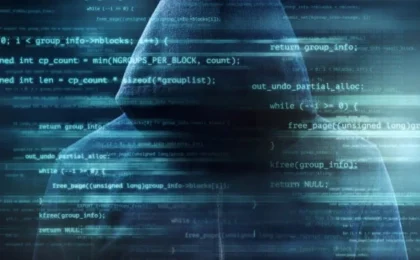
These incidents, which range from distributed denial-of-service (DDoS) attacks to probing attempts for sensitive personal data, are not merely technical glitches. They represent a targeted effort to suppress research into human rights abuses, state-sponsored violence, and institutional corruption. As digital borders blur, the U.K.’s academic community finds itself on the front line of a global struggle for free speech.
The Catalyst: The Roshaan Khattak Case
The current wave of aggression was brought into sharp focus on September 10, when The 21 Group—a blog renowned for its critical stance on bullying and toxic cultures within academic life—published a feature on Roshaan Khattak. Khattak, an exiled Pakistani scholar formerly associated with Wolfson College, Cambridge, has become a lightning rod for state interference. His research, which centers on enforced disappearances and state-sanctioned killings in Pakistan’s restive Balochistan province, has made him a target of significant intimidation, including credible death threats.
Within sixty minutes of the post going live, The 21 Group’s servers were hit with a staggering volume of traffic—tens of thousands of hits originating from internet protocol (IP) addresses based in Pakistan. This was not a random spike; it was a surgical strike. The frequency of these attacks has since intensified, with organizers reporting persistent harassment “two or three times a day, every day.”
"This attack has a very distinctive signature," a representative from The 21 Group told Times Higher Education. "It is consistent with automated monitoring of the internet for mentions of an individual, followed by determined efforts to take the story down. They are looking for any weakness in our defenses, moving from Pakistani servers to distributed cloud servers in the Netherlands to evade detection."
A Chronology of Escalating Hostility
The campaign against the discourse surrounding Khattak is part of a broader, months-long pattern of digital warfare.

- April 2023: The Index on Censorship, a premier global organization dedicated to protecting free expression, suffered a brief but successful takedown of its online magazine following the publication of an investigative piece concerning Khattak.
- July 2023: A secondary attempt to cripple the Index on Censorship website was launched but failed to breach the site’s upgraded security protocols.
- August 2023: The 21 Group was hit by a massive, sustained attack totaling 1.3 million site requests over seven days. These requests were routed through Singaporean server blocks. Interestingly, observers suggest this specific attack may have been orchestrated by a U.K.-based academic, highlighting that the threat to academic freedom is coming from both domestic and foreign adversaries.
- September 2023: The current, ongoing campaign against The 21 Group intensified immediately following the publication of the Khattak profile, marking a transition from general harassment to specific, state-aligned censorship.
The Geopolitical Context: Why U.K. Universities are Targets
The attacks on these blogs do not occur in a vacuum. They are emblematic of a growing anxiety within the British government and the higher education sector regarding "foreign interference."
Arif Ahmed, the Office for Students’ (OfS) newly appointed champion for free speech, has issued stark warnings that foreign governments are proactively seeking to "chill" discourse within U.K. universities. The tactics are varied: from pressuring institutions to suppress research to the reported monitoring of Chinese students in seminars, with recordings allegedly being funneled back to Beijing’s security services.
This climate of fear has led to high-profile institutional failures. In November, Sheffield Hallam University issued a formal apology to Professor Laura Murphy, a leading expert on modern slavery. The institution admitted it had suppressed her research into Uyghur forced labor under pressure from Chinese authorities, a move that critics argue set a dangerous precedent for the sacrifice of academic integrity at the altar of international relations.
Understanding the "Signature" of State Actors
Cybersecurity experts note that the technical complexity of these attacks points toward state-sponsored actors rather than amateur hackers. The ability to pivot from regional servers in Pakistan to global cloud providers indicates a well-funded, persistent operation.
Wyn Evans, professor of astrophysics at Cambridge and founder of The 21 Group, is unequivocal about the source. "It’s clear that state actors are behind these cyberattacks," Evans stated. Evans himself has been a focal point for institutional retaliation, having been the subject of an employment tribunal that found Cambridge had penalized him for whistleblowing on the systemic bullying of female staff.
For Evans, the current attacks are particularly chilling because they represent an attempt to project the power of a foreign government onto a domestic, independent platform. "This is an independent blog on U.K. academic affairs, but Pakistan is obviously monitoring it and wanted to see this story offline. This should seriously concern anyone who cares about academic freedom in the U.K."
Implications for Academic Freedom
The implications of these cyber-campaigns are far-reaching. If independent scholars and platforms are unable to publish research without facing the risk of digital destruction, the result is a "silent chilling effect." Academics may choose to self-censor, avoiding controversial topics like human rights abuses, modern slavery, or state-sanctioned violence to protect themselves, their institutions, and their digital infrastructure from harm.
Furthermore, the targeting of researchers like Khattak—who have already sought refuge from persecution—demonstrates that the "long arm" of authoritarianism now reaches across international borders. The inability of some scholars to secure PhD positions or research funding, even when supported by supervisors, adds a layer of systemic exclusion that mirrors the digital suppression. While institutions maintain that admissions are handled by independent committees based on merit, critics argue that the institutional fear of "offending" foreign partners is creating a hostile environment for scholars working on sensitive topics.
Moving Forward: Protecting the Digital Commons
The threat posed by these cyberattacks requires a multifaceted response.
- Institutional Defense: Universities must bolster their cybersecurity infrastructure, not just for central systems, but for the independent research outlets and blogs that often host critical academic discourse.
- Governmental Oversight: The OfS and the Department for Education must move beyond rhetoric and provide concrete resources for universities to combat foreign interference. This includes training on identifying state-sponsored cyber threats and protecting staff from external harassment.
- Collaborative Protection: Academic unions and free speech organizations must form a united front to provide legal and technical support for scholars who are targeted. As the Index on Censorship and The 21 Group have shown, isolation makes these platforms vulnerable; collective resilience is the only viable deterrent.
The struggle for academic freedom has moved from the lecture hall to the server room. The U.K. academic community must recognize that the digital siege on independent blogs is a canary in the coal mine. If these attacks continue to go unchecked, the cost will be paid in the currency of truth—as research is buried, silenced, or simply never written at all. Protecting the digital integrity of these platforms is no longer a technical preference; it is an essential duty for the preservation of democratic inquiry.