The 78th Primetime Emmy Awards, broadcast live on NBC this past Monday, offered a fascinating snapshot of the current state of traditional television. Pulling in 6.7 million viewers, the ceremony underscored the persistent challenge of capturing mass audiences in an era of fragmented entertainment, while simultaneously demonstrating the enduring power of live, event-driven programming.
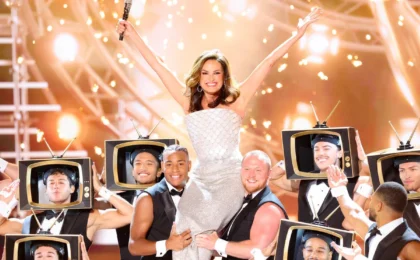
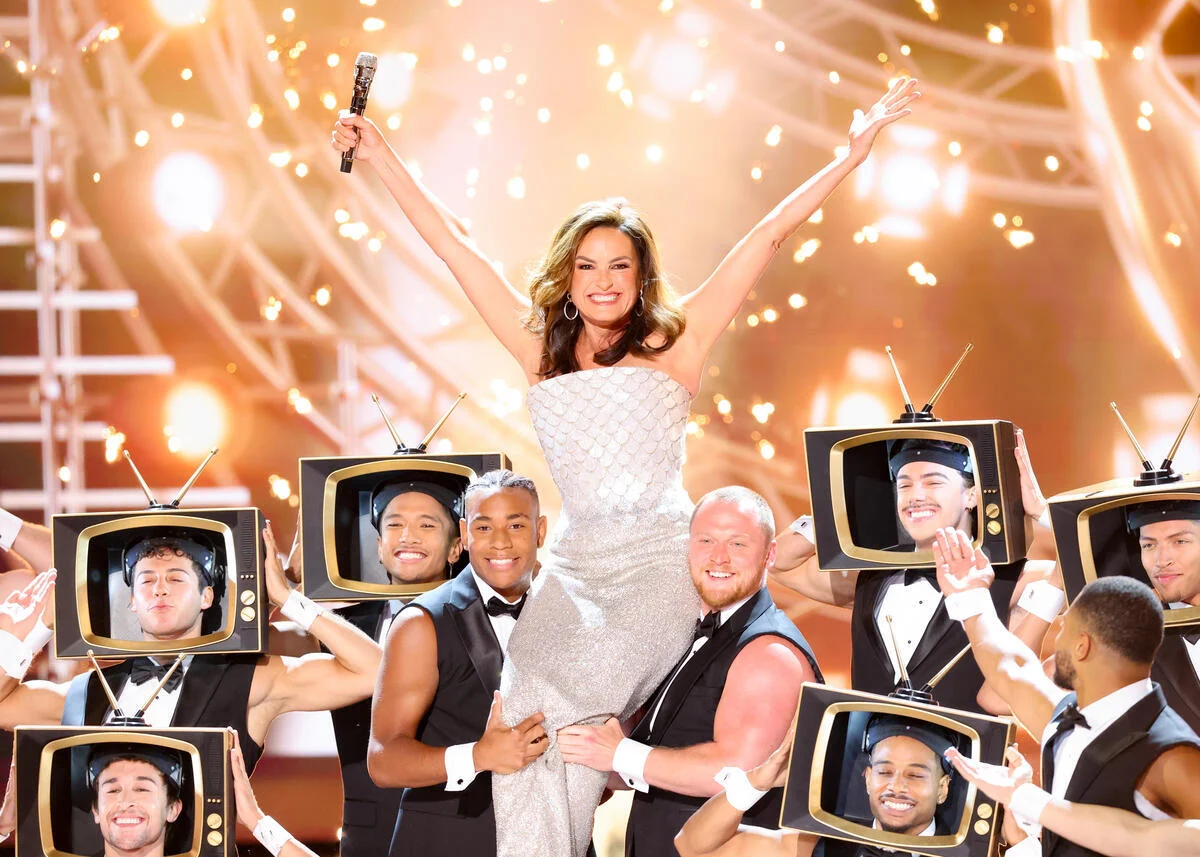
As the industry pivots away from the traditional broadcast model, this year’s telecast—hosted by Law & Order: Special Victims Unit icon Mariska Hargitay—served as both a celebration of television excellence and a potential swan song for the rotating network era.
Main Facts: Decoding the Numbers
According to data provided by Nielsen, the 78th Emmys telecast reached an audience of 6.7 million viewers. On its face, this figure represents a 9% decline from the 2025 ceremony, which aired on CBS and captured 7.4 million viewers—the program’s highest viewership count since 2021.
However, industry analysts suggest that a direct year-over-year comparison is reductive, given the varying days of the week and competitive landscapes in which these ceremonies occur. When placed in the context of recent Monday night broadcasts, the narrative shifts toward growth. NBC’s performance represents a 41% increase over the 2024 Fox broadcast, which saw a dismal 4.4 million viewers—a low point exacerbated by an unfortunate scheduling conflict with an NFL playoff game. Furthermore, when compared to NBC’s own Monday night broadcast in 2022, this year’s show saw a 10% improvement, rising from 5.9 million to 6.7 million viewers.
Despite the stiff competition of a Monday night NFL game between the Kansas City Chiefs and the Denver Broncos, the Emmys secured a significant victory: it ranked as the most-watched non-sports, non-news Monday telecast of 2026, both in total viewers and within the coveted 18-49 demographic.
A Chronological Perspective: The Emmys in Context
The history of the Emmy Awards on network television has been defined by a rotating carousel of broadcasters—NBC, CBS, Fox, and ABC—a system that has been in place for over three decades. To understand the 78th Emmys, one must look at the trajectory of the last few years:
- 2022 (NBC): A Monday night broadcast that yielded 5.9 million viewers. It set a baseline for the current era of "Monday night challenges."
- 2024 (Fox): A historic low of 4.4 million viewers, largely blamed on the unprecedented decision to pit the ceremony directly against an NFL playoff game.
- 2025 (CBS): A Sunday night broadcast that saw a resurgence to 7.4 million viewers, proving that the weekend slot remains the "gold standard" for attracting viewers to a three-hour awards show.
- 2026 (NBC): The 78th Emmys, which faced the logistical hurdle of a Monday night slot, yet managed to outperform previous non-Sunday attempts, signaling a resilient, if niche, core audience.
The decision to host the event on a Monday night has historically been viewed as a deterrent, as it forces the ceremony to compete with the work week and a crowded landscape of prestige television. Nevertheless, the 2026 iteration proved that strong hosting and high-profile cameos can still drive engagement.
Mariska Hargitay and the Strategy of "Viral Moments"
The selection of Mariska Hargitay as host was widely perceived as a move to ground the ceremony in familiar, beloved television royalty. Hargitay’s presence brought a steady hand to the proceedings, balancing the gravity of the awards with the levity required for a major telecast.
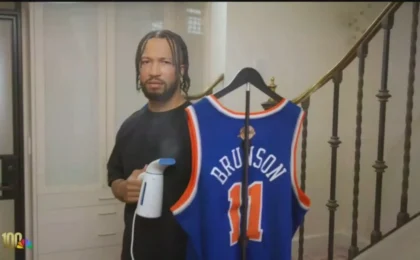
A standout moment of the evening was a pre-recorded sketch that leaned into the current cultural zeitgeist. Featuring a surprise cameo from Taylor Swift, the segment addressed the "elephant in the room": the overlap with the NFL. Hargitay’s playful musings about Swift’s inability to attend due to her support for husband Travis Kelce and the Chiefs served to humanize the broadcast, bridging the gap between the worlds of high-stakes sports and television prestige.
By leaning into pop culture humor, NBC was able to capitalize on the "second screen" experience. According to NBCUniversal, the 78th Emmys generated 133 million social views across Facebook, Instagram, X, and YouTube—a staggering 90% increase from the 2025 ceremony. This data point is critical; while linear ratings are declining, the "cultural footprint" of the Emmys is actually expanding through digital distribution.
Supporting Data and the Digital Shift
The 133 million social views statistic provides a vital clue regarding the future of awards shows. Traditional Nielsen ratings only measure the "live" linear audience, a metric that is increasingly insufficient for measuring the success of an event. Modern viewers, particularly those in the younger demographics, often consume awards shows through clips, highlight reels, and social media commentary rather than sitting through a three-hour linear broadcast.
The 90% surge in social engagement suggests that the Television Academy’s content is more "shareable" than ever. By integrating celebrities like Taylor Swift and utilizing the social media followings of industry icons like Hargitay, the Academy has successfully turned a traditional awards ceremony into a multi-platform digital event.
Official Responses and Industry Implications
The implications of these numbers extend far beyond NBC’s boardroom. The most significant takeaway from the 78th Emmys is that the 31-year-old rotation agreement between the four major networks appears to be nearing its conclusion.
Reports indicate that the Television Academy is currently in advanced talks with Amazon Prime Video. Such a move would be a seismic shift in the history of the awards. Moving the Emmys to a streaming platform like Prime Video would solve several problems:
- Flexibility: Streaming platforms are not tethered to the rigid linear schedules of the broadcast networks, potentially allowing for more innovative formats.
- Global Reach: A platform like Amazon offers a global audience that the four major broadcast networks cannot match.
- Data Analytics: Unlike broadcast TV, which relies on Nielsen, a streamer has direct access to viewer data, allowing for a more granular understanding of audience behavior.
However, the move to a streaming partner is not without its risks. The prestige associated with being a "broadcast network event" has historically provided the Emmys with a sense of cultural legitimacy. Critics wonder if the move to a subscription-based streaming service might further silo the awards, making them less accessible to the general public and potentially lowering the "water cooler" effect that broadcast television inherently provides.
Conclusion: The Road Ahead
The 78th Emmy Awards were, in many ways, a microcosm of the television industry itself: struggling to maintain the traditions of the past while desperately trying to adapt to the realities of the future. With 6.7 million viewers and a massive spike in social media engagement, the event proved that television still has the power to command attention.
As the industry prepares for a potential transition to Amazon Prime Video, the legacy of the network-broadcast era remains strong, but the limitations are clear. The era of the "three-hour live telecast" is evolving. Whether the Emmys can maintain their status as a marquee cultural event in the streaming age will depend on their ability to continue producing the viral, high-energy moments that drove this year’s social engagement.
For now, the 78th Emmys stand as a testament to the fact that while the medium of delivery may be changing, the hunger for collective celebration of the arts remains as potent as ever. As we look toward the future of the Television Academy’s partnership with streaming giants, one thing is certain: the Emmys are no longer just a broadcast—they are a global content property in a digital-first world.