
The Digital Revolution in Travel Insurance: Why the Industry is Finally Catching Up to the Smartphone Era

For nearly two decades, the travel insurance industry has operated with the sluggish, bureaucratic momentum of a retreating glacier. For the veteran traveler, the ritual was painfully familiar: purchase a policy, stow it in a carry-on, pray for a smooth trip, and—should catastrophe strike—prepare for an arduous, months-long marathon of paperwork, faxing receipts, and chasing down claims adjusters. The payout, if it ever arrived, often materialized long after the sting of the initial financial loss had faded.
However, a fundamental shift is occurring. Driven by consumer demand for frictionless digital experiences, the travel insurance sector is pivoting from a reactive, "hope-for-the-best" model to a proactive, tech-integrated service. Leading this charge is Faye, a digital-first insurer that is attempting to redefine how travelers interact with their safety nets while abroad.
The Evolution of Travel Protection
The traditional insurance model was built on an adversarial relationship between the provider and the customer. Insurance companies were essentially banks that sold promises; if you needed to cash in on that promise, you were met with a maze of fine print and antiquated communication channels.
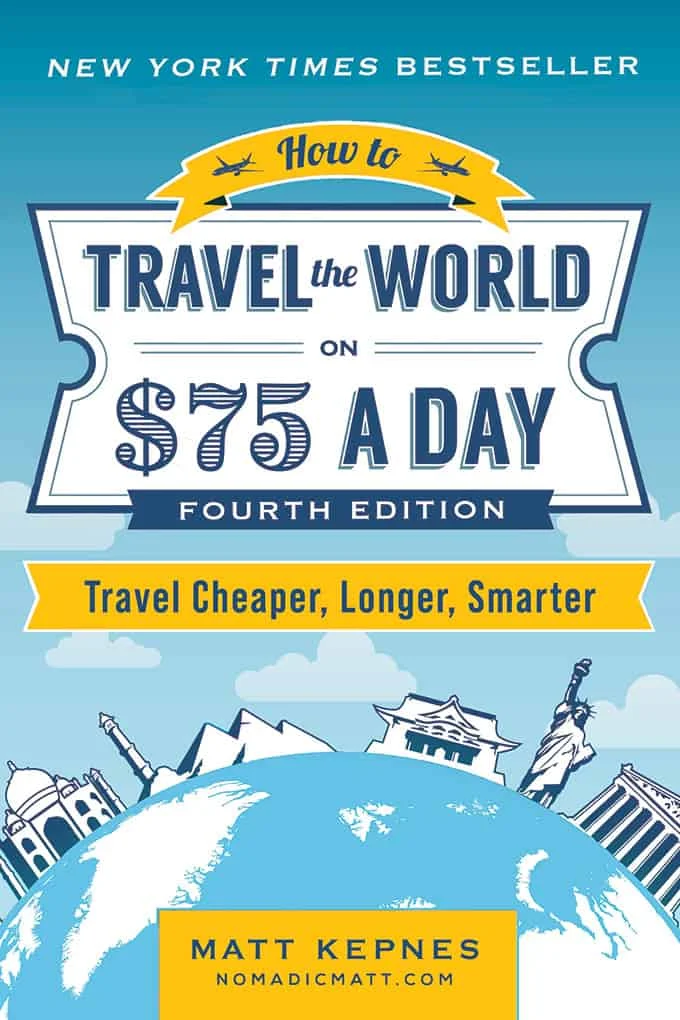
"I’ve spent twenty years navigating this space, and for most of that time, the pitch remained static," says travel expert Matt Kepnes. "You buy insurance because you don’t want a GoFundMe page to become your primary emergency fund. You don’t want to be the person stuck in a foreign hospital with a five-figure bill. But the experience of actually using that insurance was, frankly, abysmal."
Companies like World Nomads and Allianz have dominated the market for over two decades, setting the industry standard. While reliable, these legacy players often rely on legacy systems. Faye, which entered the U.S. market in 2022, represents a new wave of "insurtech" that treats insurance not as a static document, but as a dynamic travel companion.
Chronology of a Modern Claim: The Faye Model
To understand why Faye is gaining traction, one must look at the "Faye Wallet" ecosystem. In the old model, if your baggage was delayed or your flight canceled, you paid out of pocket, saved every crumpled receipt, and waited for a reimbursement check to be mailed to your home—sometimes months later.
In the Faye ecosystem, the process is compressed into days, or in some cases, hours:

- The Incident: A flight is delayed, or luggage is lost.
- Notification: The app’s real-time tracking detects the issue before the traveler even reaches the customer service desk.
- Filing: The traveler opens the app, uploads a photo of the receipt or the airline notice.
- Disbursement: The claim is processed, and funds are loaded directly into the "Faye Wallet," a digital payment card integrated into the app that can be added to Apple Pay or Google Pay.
- Resolution: The traveler uses the funds instantly to buy a fresh outfit, a hotel room, or a meal.
For more complex claims—such as medical emergencies—the company aims for resolution within 48 hours of documentation receipt. This represents a seismic shift from the industry average of weeks or months.
Supporting Data and Technical Infrastructure
What separates Faye from the legacy providers isn’t just speed; it’s the breadth of its digital utility. Available in all 50 states, the company has consolidated the fragmented "menu" of insurance plans into one comprehensive offering.
Core Coverage and Flexibility
Instead of forcing travelers to navigate complex coverage tables, Faye provides a singular plan that covers trip cancellation, health, belongings, and even pets. This simplification is vital in an era where "bleisure" (business-leisure) travel is rising and families are increasingly bringing pets on long-term trips.
Unique to their offering is the ability to purchase "Cancel For Any Reason" (CFAR) insurance as an add-on. In traditional insurance, CFAR is often baked into the price of high-end, expensive policies. By allowing it as an affordable, elective add-on, Faye offers a level of customization that reflects the modern, unpredictable nature of post-pandemic travel.
The App as a Concierge
The Faye app functions as a centralized command center, offering features that go beyond insurance:
- Telemedicine: Access to a network of 20,000 doctors in 21 languages. This is a critical safety feature for travelers facing minor illnesses in non-English speaking regions where navigating a local hospital system could be daunting.
- Proactive Alerts: Real-time monitoring of gate changes, baggage carousels, and local emergency numbers.
- Safety & Navigation: Geolocation tools to find the nearest pharmacy, hospital, or ATM, eliminating the panic of searching for services in a city you arrived in hours prior.
- Connectivity: Integration with eSIM technology allows travelers to purchase international data plans directly within the app, solving the "first-hour" problem of landing in a new country without a working phone.
Official Stance: The Industry Response
While traditional insurers have been slow to respond to the "app-first" movement, the market is signaling that change is mandatory. Legacy firms are currently under pressure to modernize their claims processing interfaces, as the "digital native" generation (Gen Z and Millennials) is increasingly unwilling to tolerate paper-based bureaucracy.
However, critics of the "insurtech" model often point to the stability of long-standing insurance giants. Legacy firms argue that their decades of historical data allow for more precise risk modeling. Faye’s leadership, conversely, argues that data is only as good as the infrastructure that processes it. By utilizing machine learning to handle routine claims, they argue they can reduce human error and speed up the experience without sacrificing the rigor of the review process.

Implications for the Future of Travel
The rise of digital-first insurance has profound implications for how we prepare for trips. We are moving toward a future where travel insurance is a "living" product—a utility that you interact with, much like a maps app or a banking app.
A Lower Barrier to Entry
With pricing starting at approximately $5.16 per day for international trips, the cost-to-value ratio is becoming increasingly difficult for legacy firms to ignore. As more travelers realize that they can gain access to an entire suite of emergency services for less than the price of a coffee, the "I’ll just risk it" mentality—the most dangerous mistake a traveler can make—is likely to decline.
The Rise of the "Global Citizen"
This technology also supports the rise of the digital nomad and the remote worker. These individuals are not taking one-week vacations; they are moving across borders, often with expensive equipment and complex medical needs. For this demographic, a static insurance policy that requires a paper check and a phone call to a call center is obsolete. They require a mobile-native solution that can adapt to their location and needs in real-time.
Final Assessment: Is it Time to Switch?
For the traveler who has spent years frustrated by the "paperwork marathon," the shift toward companies like Faye is a welcome evolution. While traditional providers still hold a massive market share, the competitive pressure is mounting.
The insurance industry is finally learning that in the 21st century, customers do not want to be "protected" in a vacuum; they want to be empowered. Whether it is through instant digital wallets, 24/7 telemedicine access, or the ability to buy a policy in 60 seconds, the goal is the same: to keep the traveler moving.
As we look toward the future of global tourism, the lesson is clear: if an insurance provider is not offering a seamless digital experience, they are effectively offering a product from a bygone era. Travel is unpredictable, but the way we handle that unpredictability should be as fast, efficient, and mobile as the travelers themselves. If you are planning a trip, the modern landscape suggests that your insurance should be as smart as your smartphone.