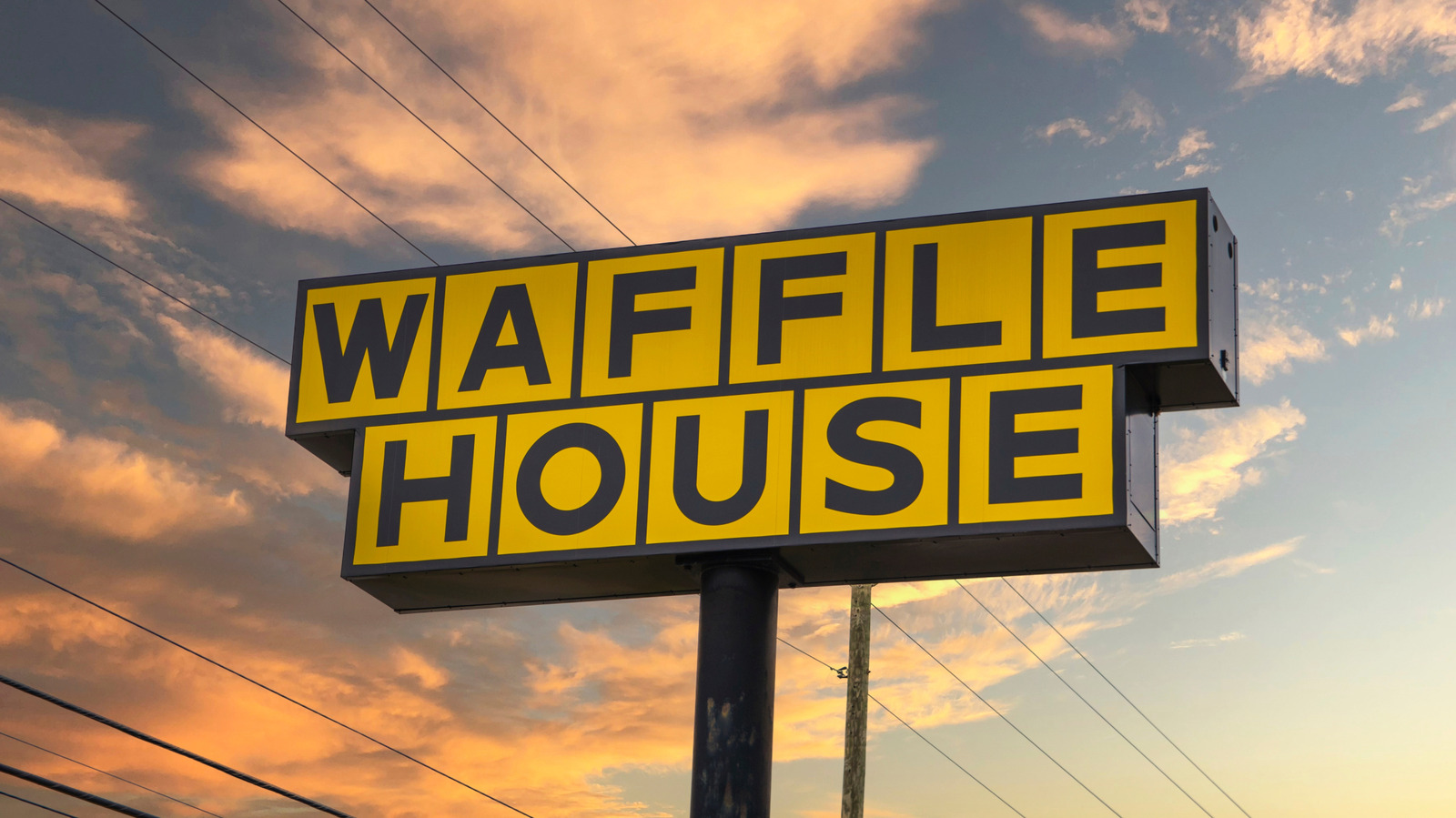
For millions of Americans, the glowing yellow "Waffle House" sign isn’t just a beacon for breakfast; it is a cultural touchstone. Whether it is the post-football game ritual, the late-night academic sanctuary, or the "last stop" after a long night out, Waffle House has etched itself into the American culinary identity. However, as the brand continues to dominate the Southern diner landscape, a growing chorus of loyalists—and casual diners alike—is asking: Is it time for this legendary institution to evolve?
While the "WaHo" experience is defined by its consistency and rugged charm, the modern consumer landscape is shifting. From technological advancements in point-of-sale systems to the growing demand for fair labor practices, the chain faces a crossroads. Below, we examine eight strategic shifts that could modernize the Waffle House experience while preserving its iconic soul.
1. Modernizing the Transaction: Beyond the Register
The "Waffle House Rule" regarding payments is one of the most eccentric quirks in the restaurant industry. Unlike almost every other sit-down chain in the United States, Waffle House requires diners to physically walk their bill to the register near the front door to settle up.
While there is a certain nostalgic charm to this process, it creates a bottleneck during busy shifts and confusion for first-time visitors. In an era where "pay-at-the-table" technology—such as Ziosks or mobile app integration—has become the gold standard for efficiency, Waffle House remains stuck in the analog past. Implementing a streamlined, table-side payment system would not only improve customer flow but also free up staff to focus on food delivery and table maintenance, ultimately creating a more frictionless experience.
2. Culinary Innovation: Expanding the Waffle Repertoire
The irony of a restaurant named "Waffle House" is that its namesake item is surprisingly limited in variety. While the classic golden waffle is a masterclass in simplicity, the menu often feels stagnant compared to competitors like IHOP, which frequently rotates seasonal pancake flavors and specialty toppings.
The potential for growth here is vast. By introducing curated toppings—such as fresh seasonal fruit compotes, elevated nut butters, or even savory-sweet combinations—the chain could breathe new life into its menu without sacrificing its "diner" identity. Simple additions, like offering banana slices for peanut butter waffles or high-quality chocolate drizzles, would provide the "novelty" factor that keeps diners returning to try the latest iteration.
3. Raising the Standards: Hygiene and Dining Environments
Waffle House is not fine dining, and no one expects it to be. However, there is a clear distinction between "rustic charm" and "neglect." One of the most common complaints among frequent patrons is the prevalence of sticky tables and questionable surface hygiene.
When a customer rests their arms on a table, they shouldn’t be met with the residue of a previous patron’s meal. This is a maintenance issue that impacts the overall perception of food safety. A renewed commitment to high-standard sanitation protocols—perhaps through updated cleaning schedules or better-designed, non-porous table surfaces—would go a long way in ensuring that the only thing "stuck" on a customer’s mind is the quality of their meal, not the state of their surroundings.
4. The Inflation Dilemma: Maintaining Accessibility
Historically, Waffle House has been a sanctuary for the budget-conscious. It has served as a reliable, affordable meal for students, laborers, and families in crisis. However, as the cost of living has surged, so have the prices at Waffle House.
The implication of these price hikes is significant: the chain risks alienating its core demographic. While inflation is a macro-economic reality, Waffle House must be careful. If the price of an All-Star Special continues to climb, the chain loses its status as the "great equalizer" of American dining. Preserving affordability is not just a business strategy; it is a brand identity that, if lost, could cause long-term damage to the company’s reputation as a community staple.
5. Labor Practices: Investing in the Backbone of the Brand
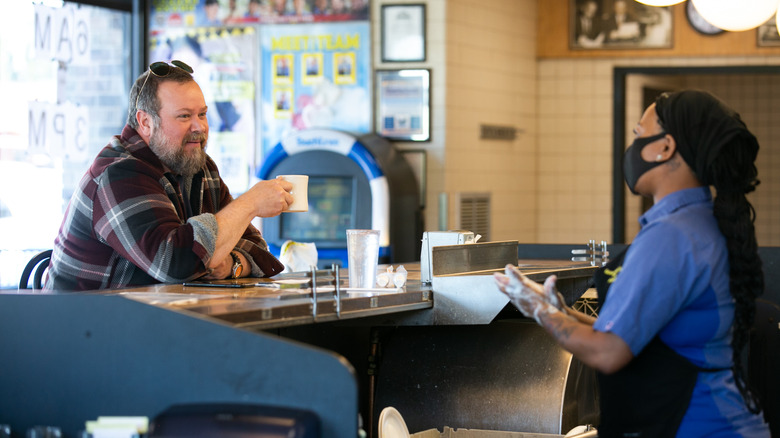
The "open kitchen" concept at Waffle House is its greatest asset, putting the hard work of the cooks and servers on full display. Yet, the wage disparity in the service industry remains a glaring issue. With average hourly wages often hovering near $14 depending on the region, the compensation does not always reflect the intensity of the work, which often includes handling high-stress, late-night shifts and difficult customer interactions.
Raising employee wages is not merely an ethical imperative; it is a retention strategy. In a competitive labor market, higher compensation attracts more skilled staff, leading to better service, increased efficiency, and a more positive atmosphere for the customer. If the chain wants to maintain its high-tempo, 24/7 service model, it must treat its staff as the high-value professionals they are.

6. Security and Patron Conduct: Creating a Safe Atmosphere
The 24-hour nature of Waffle House makes it a haven for night owls, but it also invites unpredictable behavior. There are far too many documented instances of rowdy, intoxicated, or belligerent individuals disrupting the peace for other diners and staff.
Implementing a stricter "zero-tolerance" policy regarding harassment and rowdy behavior is essential. While the chain has a reputation for being the "Wild West" of breakfast spots, the brand would benefit from a more consistent enforcement of codes of conduct. Ensuring that both staff and customers feel safe at 3:00 AM is the only way to ensure the long-term viability of the late-night business model.
7. The Takeout Tax: A Point of Contention
The recent decision by Waffle House to impose a 20% surcharge on to-go orders has been met with significant backlash. The structure—splitting the fee between the server and the house—feels punitive to the customer who chooses not to occupy a seat.
From a consumer perspective, takeout should be viewed as a way to reduce the load on the front-of-house staff. Charging a premium for the privilege of not being there feels disconnected from the restaurant’s historical value proposition. A more transparent, tiered pricing model or a reduction in the "to-go fee" would restore goodwill with the segment of the customer base that prefers dining at home.
8. Geographic Expansion: A National Ambition
Finally, there is the matter of geography. Waffle House is currently a regional powerhouse with a massive presence in the South and pockets of the Midwest and Southwest. However, vast swaths of the country—particularly the Northeast and the Pacific Northwest—are "WaHo deserts."
For those who have moved away from the South, the absence of a Waffle House is a genuine cultural loss. A strategic expansion into these markets could introduce a new generation of diners to the brand’s unique charm. While logistics and supply chain management for a 24/7 model are complex, the brand equity of Waffle House is so strong that it would likely find immediate success in any market it chooses to enter.
Implications: The Future of the WaHo Brand
Waffle House is at an inflection point. It is a brand that has survived everything from hurricanes to economic downturns, yet it faces the quiet threat of obsolescence if it refuses to adapt to modern consumer expectations.
If the company chooses to implement these changes—investing in staff, updating technology, and standardizing safety—it will not only survive but thrive for another half-century. However, it must balance these modernizations carefully. The "magic" of Waffle House lies in its authenticity. The goal is not to turn it into a sterile, corporate café, but to polish the diamond in the rough. If they can achieve that balance, the yellow sign will continue to shine bright for generations to come.