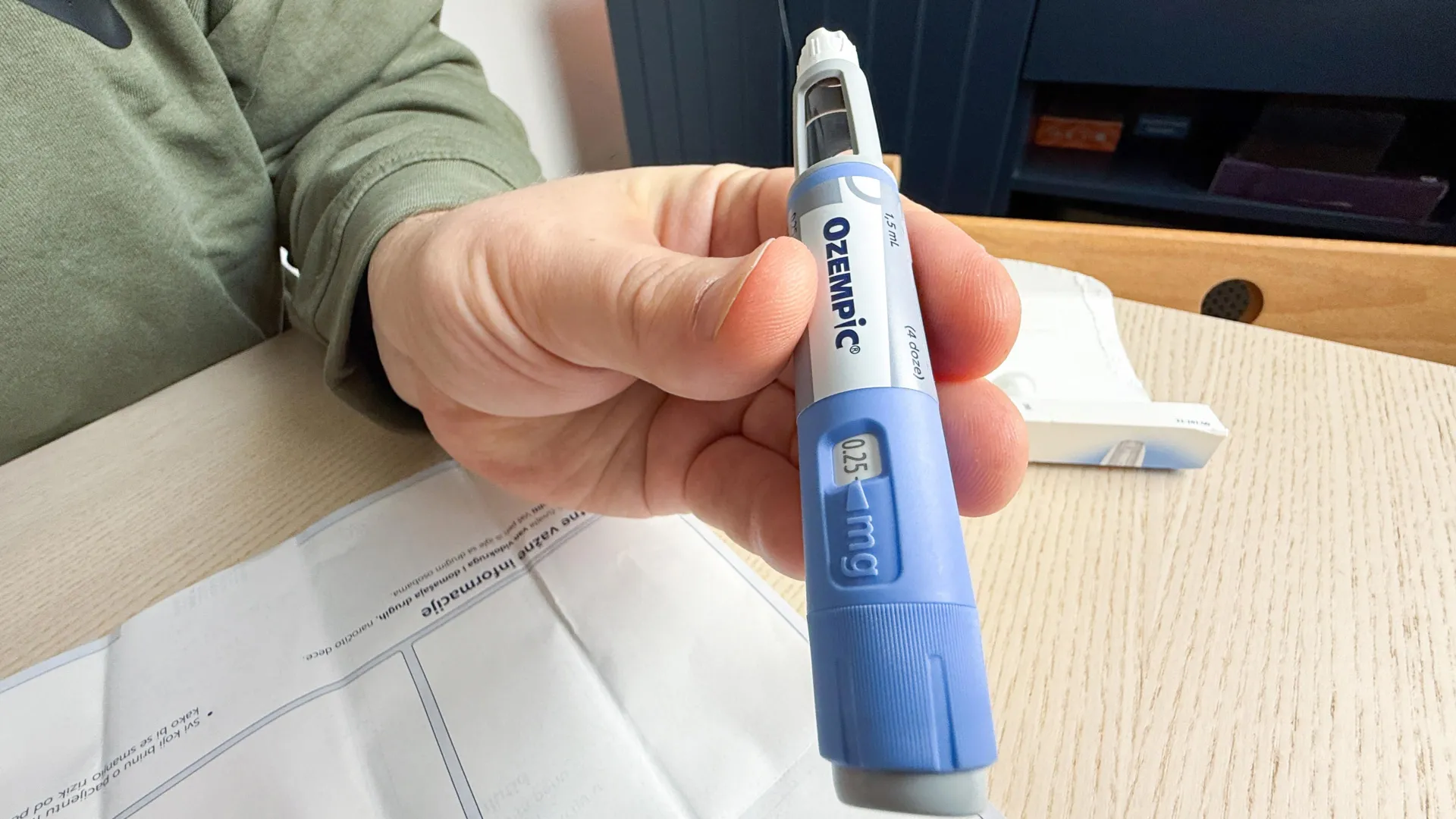
In the rapidly evolving landscape of metabolic medicine, glucagon-like peptide-1 receptor agonists (GLP-1RAs)—a class of drugs including semaglutide (marketed as Ozempic and Wegovy)—have already transformed the treatment of type 2 diabetes and obesity. Now, emerging research suggests these medications may possess an unexpected, secondary utility: the stabilization of mental health in patients living with bipolar disorder.
A groundbreaking study led by Griffith University, published in the journal Acta Psychiatrica Scandinavica, suggests that semaglutide may significantly reduce the risk of psychiatric hospitalization for those grappling with the volatile mood swings associated with bipolar disorder. As the global medical community grapples with the high comorbidity between metabolic syndrome and severe psychiatric illness, these findings offer a potential, albeit cautious, ray of hope for millions.
The Triad of Co-morbidity: Diabetes, Obesity, and Bipolar Disorder
Bipolar disorder is a complex, chronic mental health condition characterized by extreme mood shifts, ranging from emotional highs (mania or hypomania) to lows (depression). According to the World Health Organization (WHO), the disorder affects approximately 37 million people globally—roughly one in 200 individuals.
For decades, clinicians have observed a stark reality: patients with bipolar disorder are disproportionately affected by metabolic disturbances, including type 2 diabetes and obesity. This is not merely a matter of lifestyle; researchers increasingly believe these conditions share deeply rooted biological mechanisms, including chronic systemic inflammation and dysregulated metabolic pathways.
Historically, the treatment of bipolar disorder has focused on mood stabilizers, antipsychotics, and antidepressants—medications that, ironically, often carry side effects such as weight gain and metabolic disruption. This "Catch-22" has long frustrated psychiatrists and patients alike, creating a cycle where managing mental health inadvertently exacerbates physical health, and vice versa.
A Longitudinal Analysis: The Swedish Data Set
To investigate whether the benefits of GLP-1RAs could bridge the gap between metabolic and mental health, a team of researchers led by Professor Mark Taylor of Griffith University’s School of Medicine and Dentistry embarked on a massive data-driven inquiry.
The research team utilized Swedish nationwide health registries, providing a robust, longitudinal perspective spanning 15 years (2009–2024). By analyzing data from nearly 15,000 individuals diagnosed with bipolar disorder who had been prescribed various GLP-1 medications, the researchers were able to conduct a "within-person" comparison. This methodology is particularly valuable in clinical research because it compares the same individual during periods when they were on the medication versus periods when they were not, effectively controlling for confounding variables like genetics and baseline health status.
The Findings: A 21 Percent Reduction in Risk
The results were striking. Professor Taylor and his team found that patients using semaglutide experienced a 21 percent lower risk of psychiatric hospitalization compared to periods when they were off the medication.
"People with bipolar disorder who were taking semaglutide had significantly lower rates of psychiatric hospitalization," Professor Taylor noted in a press release. "The findings add to growing evidence that GLP-1 receptor agonists may have benefits beyond diabetes and obesity treatment, and could represent a promising new avenue for bipolar research."
Nuance in the Drug Class: Why Semaglutide Stands Apart
A critical aspect of the study was the differentiation between specific GLP-1RA medications. While the class as a whole is grouped together, the Griffith University study highlighted a notable discrepancy in clinical outcomes.
While semaglutide demonstrated a clear protective effect against psychiatric hospitalization, other common GLP-1RAs, such as liraglutide and dulaglutide, did not show the same association. This nuance is vital for the medical community to understand. It suggests that the "mental health benefit" may not be a universal trait of the entire drug class.
Researchers hypothesize that the difference may lie in the specific pharmacokinetics of semaglutide—perhaps its ability to cross the blood-brain barrier more efficiently or its unique interaction with receptors in the central nervous system that govern neuroinflammation.
Biological Mechanisms: Protecting the Brain
Why might a weight-loss drug influence mood stability? The answer, according to Professor Taylor, likely lies in the neuroprotective potential of GLP-1 signaling.
Bipolar disorder is increasingly viewed through the lens of neuroinflammation and oxidative stress. Chronic inflammation in the brain can impair synaptic plasticity—the ability of neurons to form new connections—which is essential for mood regulation. GLP-1RAs are known to modulate several pathways that address these issues:
- Reduction of Systemic and Neuro-Inflammation: By lowering systemic inflammation, these drugs may indirectly reduce the "brain fog" and neuro-inflammatory markers that correlate with depressive episodes.
- Cellular Stress Mitigation: GLP-1 signaling helps optimize mitochondrial function, protecting neurons from the cellular stress that occurs during manic and depressive cycles.
- Metabolic Stabilization: By regulating glucose levels and insulin sensitivity, these medications may help stabilize the energy supply to the brain, preventing the "crashes" that can precede psychiatric crises.
While these theories are promising, they remain the subject of active investigation. The ability of these drugs to influence the gut-brain axis is also a burgeoning area of study, suggesting that the peripheral effects of semaglutide on the digestive system may send signaling molecules to the brain that promote psychological homeostasis.
Chronology of Research and Future Steps
The timeline of this discovery reflects the rapid maturation of GLP-1RA research:
- 2009–2015: Initial uptake of GLP-1 agonists for diabetes; anecdotal reports emerge regarding weight loss and systemic health improvements.
- 2016–2020: Increased clinical focus on the metabolic-psychiatric link; researchers begin to query whether diabetes medications could improve neurological outcomes.
- 2021–2023: Rising popularity of semaglutide (Ozempic/Wegovy) for weight management; large-scale data sets become available for retrospective cohort studies.
- 2024: Publication of the Griffith University study in Acta Psychiatrica Scandinavica, providing the first significant evidence of a link between semaglutide and reduced psychiatric hospitalization for bipolar patients.
The Call for Randomized Controlled Trials (RCTs)
Despite the compelling results from the Swedish cohort, Professor Taylor is quick to emphasize the need for caution. Retrospective studies, while powerful, cannot definitively prove causation.
"We hope the findings will now be examined in a randomized controlled trial," Professor Taylor stated. An RCT would be the "gold standard" of evidence, involving a double-blind, placebo-controlled design that would definitively determine whether semaglutide is a viable tool for psychiatric management. Without such trials, clinicians remain hesitant to prescribe these medications for off-label mental health purposes.
Implications for Clinical Practice and Public Health
If future trials confirm these findings, the implications for psychiatry would be profound.
A New Paradigm for Treatment
Currently, the "metabolic burden" of psychiatric medications is a major barrier to treatment adherence. Many patients stop taking their antipsychotics because of rapid weight gain or diabetes risk. If a medication could manage both the psychiatric symptoms and the metabolic health of the patient, it could revolutionize the treatment algorithm.
Policy and Access
The cost and availability of semaglutide are significant hurdles. With current global shortages and high out-of-pocket costs, equitable access remains a primary concern. If these drugs are eventually validated as essential tools for bipolar disorder, health systems will need to reconsider how they prioritize funding and insurance coverage for patients who suffer from this dual-burden of disease.
Personalized Medicine
The finding that semaglutide outperformed other GLP-1RAs points toward a future of "precision psychiatry." Instead of a one-size-fits-all approach, clinicians might one day tailor pharmacological interventions based on a patient’s specific metabolic profile and their brain’s response to different signaling molecules.
Conclusion: A Cautious Optimism
The intersection of metabolic medicine and psychiatry is perhaps one of the most exciting frontiers in modern medical science. The Griffith University study offers a compelling piece of the puzzle, suggesting that the pathways controlling our appetite and metabolism are inextricably linked to the pathways that govern our mood and cognition.
While we are not yet at a point where semaglutide should be considered a standard-of-care treatment for bipolar disorder, the data is too significant to ignore. As researchers move toward the next phase of clinical trials, the medical community will be watching closely. For millions of people living with the challenges of bipolar disorder, this research represents more than just a scientific paper; it represents the potential for a more stable, healthier, and more balanced future.
References:
- Taylor, M., et al. (2024). "Use of glucagon-like peptide 1 receptor agonists and the associated risk of hospitalisation in bipolar disorder, from a nationwide cohort, 2009-2024." Acta Psychiatrica Scandinavica.
- World Health Organization. (2023). "Bipolar Disorder and Mental Health Statistics."
- Griffith University School of Medicine and Dentistry, "Research News: Metabolic pathways and mental health."