For the modern digital nomad, the dream of "working from anywhere" often collides with the harsh reality of "working from nowhere." The romanticized image of a laptop on a beach is quickly dismantled by the practical challenges of sun glare, unstable Wi-Fi, and the crushing isolation of staring at a screen in a crowded, noisy café.
For years, the remote work lifestyle was defined by a series of compromises: the cramped, uncomfortable seating of a hostel common room, or the frustration of booking an Airbnb only to find the "high-speed internet" is incapable of hosting a basic video conference. However, as the post-pandemic labor market continues to shift toward permanent remote flexibility, a new sector has emerged to solve these pain points. Enter the coliving space—a hybrid model that blends the professional infrastructure of a dedicated office with the communal soul of a hostel, minus the bunk-bed chaos.
The State of Remote Infrastructure: A New Paradigm
The shift toward remote work is no longer a temporary experiment; it is a permanent fixture of the global economy. As companies move away from centralized headquarters, employees are reclaiming their location independence. Yet, this freedom brings a hidden tax: the mental and physical toll of constant travel.
The industry is responding with sophisticated, curated environments. At the forefront of this movement is Outsite, a platform that has effectively become the standard-bearer for professional coliving. Founded in 2015, Outsite began with a modest mission in Santa Cruz, California: to provide a home for those who wanted to surf and work. Nearly a decade later, it has scaled into a global network of over 50 locations, serving a growing community of over 5,000 members.
Chronology of a Coliving Experience: A Case Study in Bordeaux
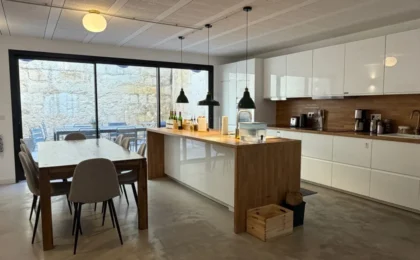
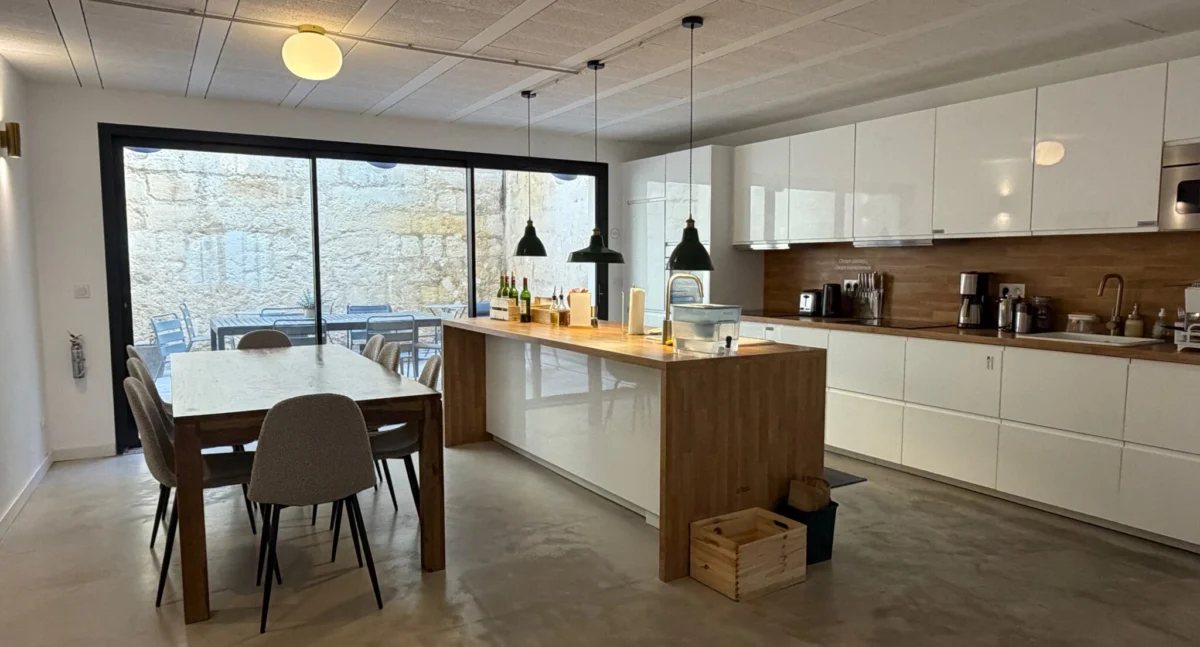
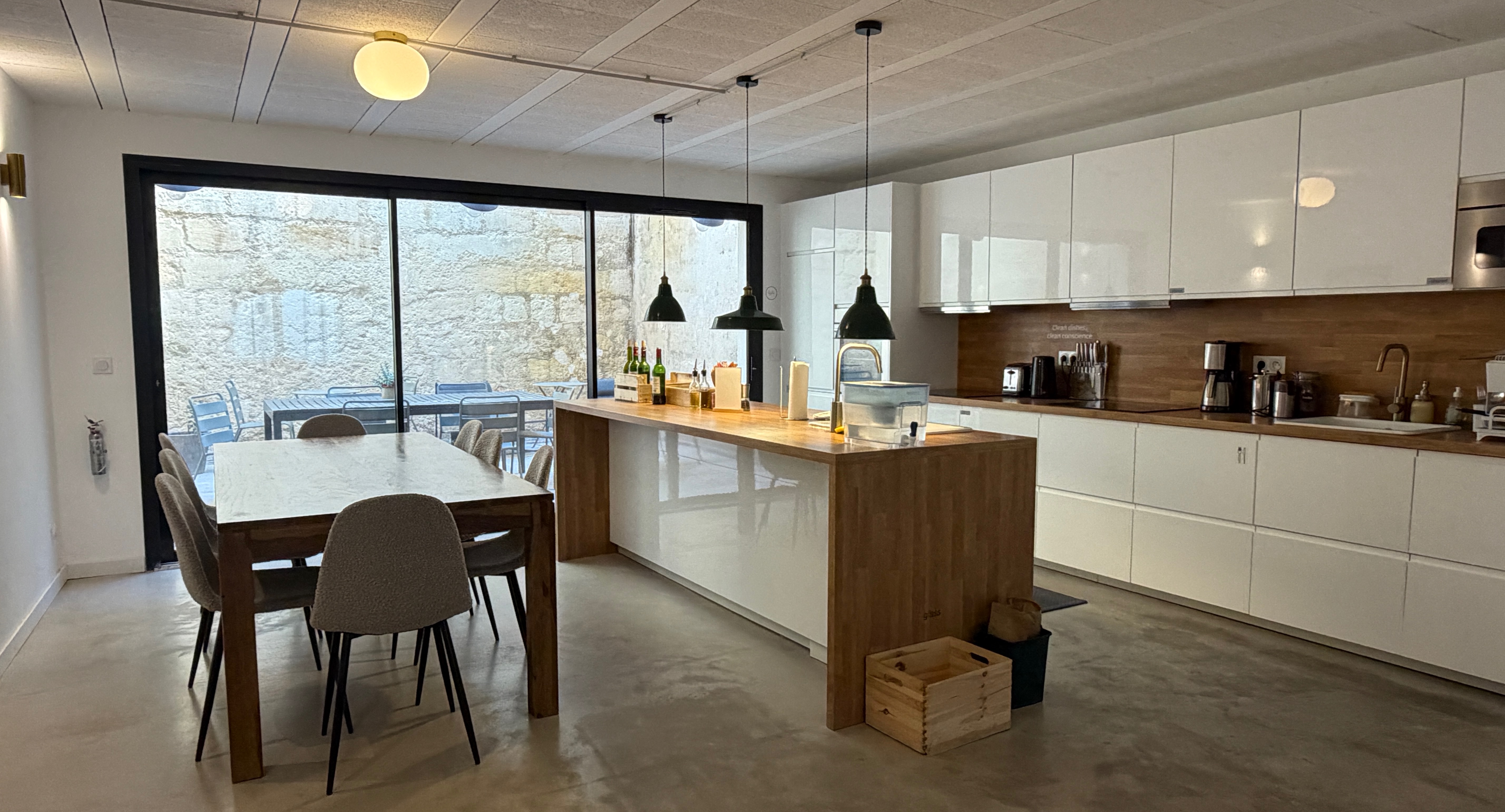
To understand the tangible benefits of this model, it is helpful to examine a typical stay. During a recent excursion to the historic city of Bordeaux, France, the contrast between traditional solo travel and the Outsite experience was stark.
- Day 1: Arrival and Integration. Unlike a hotel, where interaction is limited to the lobby staff, the arrival process at an Outsite location is collaborative. Upon booking, guests are integrated into a local WhatsApp group, allowing for pre-arrival coordination. The Community Manager acts as both a concierge and a social catalyst, ensuring that the "solo" aspect of remote work is mitigated from the moment the bags are dropped.
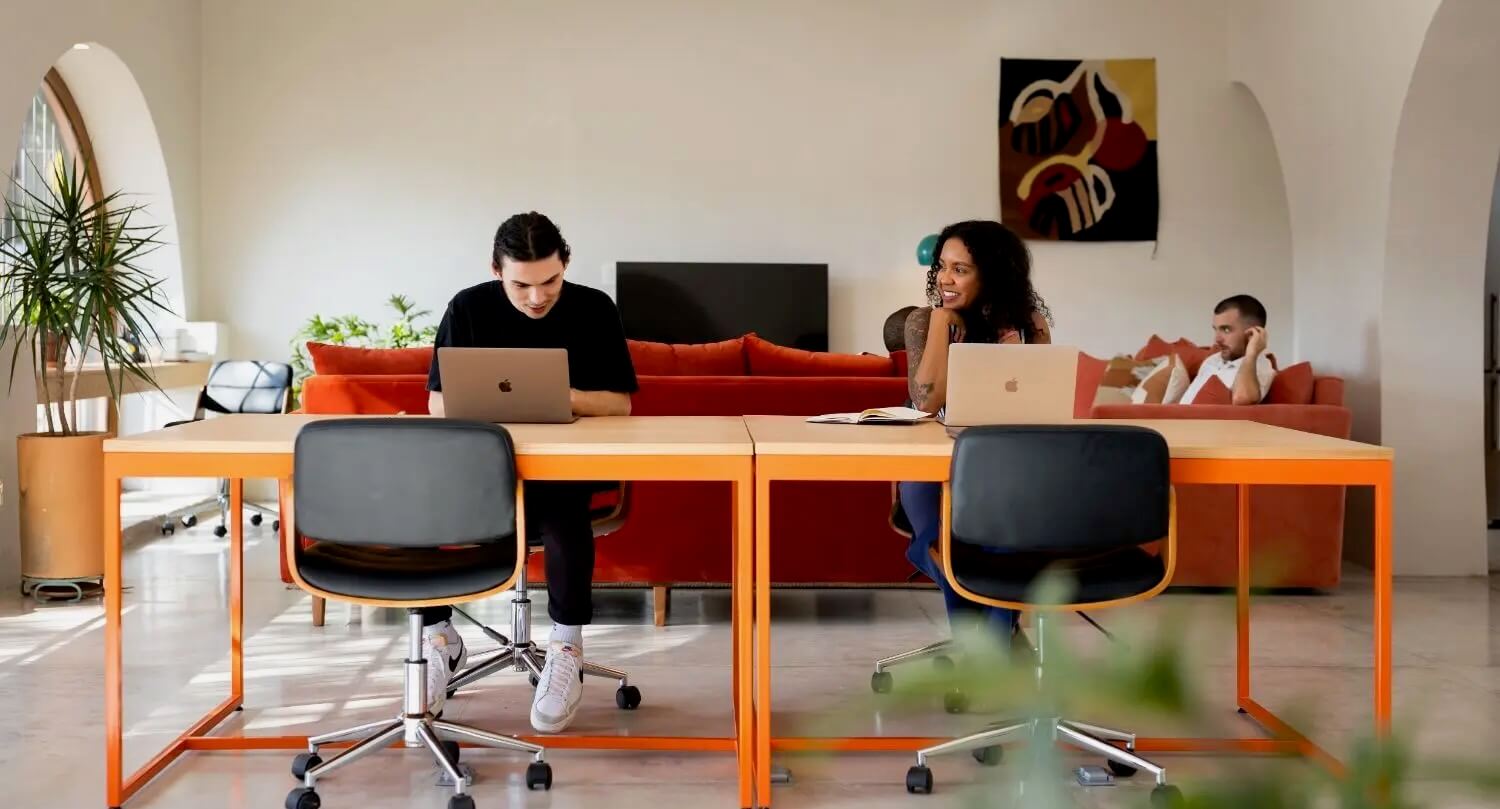
- Day 2: Deep Work and Connectivity. The morning routine reveals the true value of the infrastructure. Where an Airbnb might require a gamble on internet speeds, Outsite properties are purpose-built. Ergonomic chairs, secondary monitors, and enterprise-grade, high-bandwidth Wi-Fi are standard. This allows for a "plug-and-play" productivity cycle that is impossible to replicate in a public coffee shop.
- Day 3-5: The Social Integration. By mid-week, the community aspect takes center stage. Through curated events—ranging from communal family-style dinners and weekend excursions to regional tapas crawls—the isolation typically associated with long-term travel vanishes.
- Day 7: Departure. The transition from worker to traveler becomes seamless. The "wealthy friend’s house" atmosphere—characterized by local art, indoor plants, and clean, modern design—leaves the traveler feeling rejuvenated rather than drained by the friction of nomadic logistics.
Supporting Data: The Economics of the Coliving Model
Critics often point to the price point of coliving as a barrier. It is true that Outsite is not a budget backpacker destination. However, the economic reality changes when one considers the hidden costs of independent travel.
When a digital nomad rents a standard apartment, they often pay a premium for short-term stays, plus the additional expense of a monthly membership at a local coworking hub. When these variables—rent, utilities, desk space, and community events—are consolidated into a single Outsite booking, the price parity becomes clear.
For frequent travelers, the membership model provides further optimization. A yearly investment of $199 or a lifetime access fee of $499 unlocks significant benefits, including:
- Dynamic Pricing: Access to 50% discounts during flash sales and 40% off extended stays.
- Exclusive Access: Entry into members-only properties that aren’t available to the general public.
- Resource Allocation: Access to proprietary job and sublet boards, turning the platform into an internal labor and housing market.
Addressing the Barriers: Frequently Asked Questions
Despite the rise of the sector, prospective nomads often have valid concerns regarding the logistics of living in a shared environment.
Is there an age demographic?
While there is no formal age restriction beyond the legal requirement (18+), the demographic profile skews heavily toward working professionals in their late 20s, 30s, and 40s. It is a space designed for those who have moved past the party-hostel phase of their lives and are prioritizing professional continuity.
How does the booking process handle spontaneity?
This is the primary trade-off. Because the model relies on high-quality, curated experiences, popular locations—such as Lisbon in the summer or Costa Rica in the winter—frequently hit capacity months in advance. The nomad must transition from a "spur-of-the-moment" travel style to a more structured, long-term planning approach.
What about pets and long-term stays?
Most locations maintain a strict "no pet" policy to ensure the cleanliness and comfort of shared kitchens and communal areas. Furthermore, while the minimum stay is often just two nights, specific urban locations—particularly those in major metropolitan centers with stringent zoning and short-term rental regulations—may mandate a 30-day minimum stay.
The Implications: A Shift in Global Work Culture
The rise of platforms like Outsite signals a broader shift in how we define "the workplace." We are moving toward a future where the office is not a building, but a network of optimized, social, and professional spaces.
This model has profound implications for the future of work:
- Combating the "Nomad Loneliness" Epidemic: The greatest risk for a remote worker is the erosion of social capital. By providing an environment where individuals are surrounded by peers with similar professional trajectories, these spaces create a "tribe" that is both supportive and intellectually stimulating.
- Productivity vs. Experience: The traditional conflict between being a tourist and being a professional is being reconciled. Because the workspace is integrated into the home, the "commute" is eliminated, effectively gifting the traveler hours of extra time to explore their destination.
- The Professionalization of Travel: As companies continue to support "work-from-anywhere" policies, the demand for high-reliability infrastructure will grow. The "digital nomad" is no longer just a freelancer; they are a corporate executive, a software engineer, and a consultant. These professionals demand the security and standard of a high-end boutique hotel, which the coliving sector is currently uniquely positioned to provide.
Conclusion: Finding Your Tribe
The digital nomad life does not have to be a trade-off between career growth and global exploration. The struggle to find a quiet desk in an unfamiliar city is a relic of a pre-pandemic era.
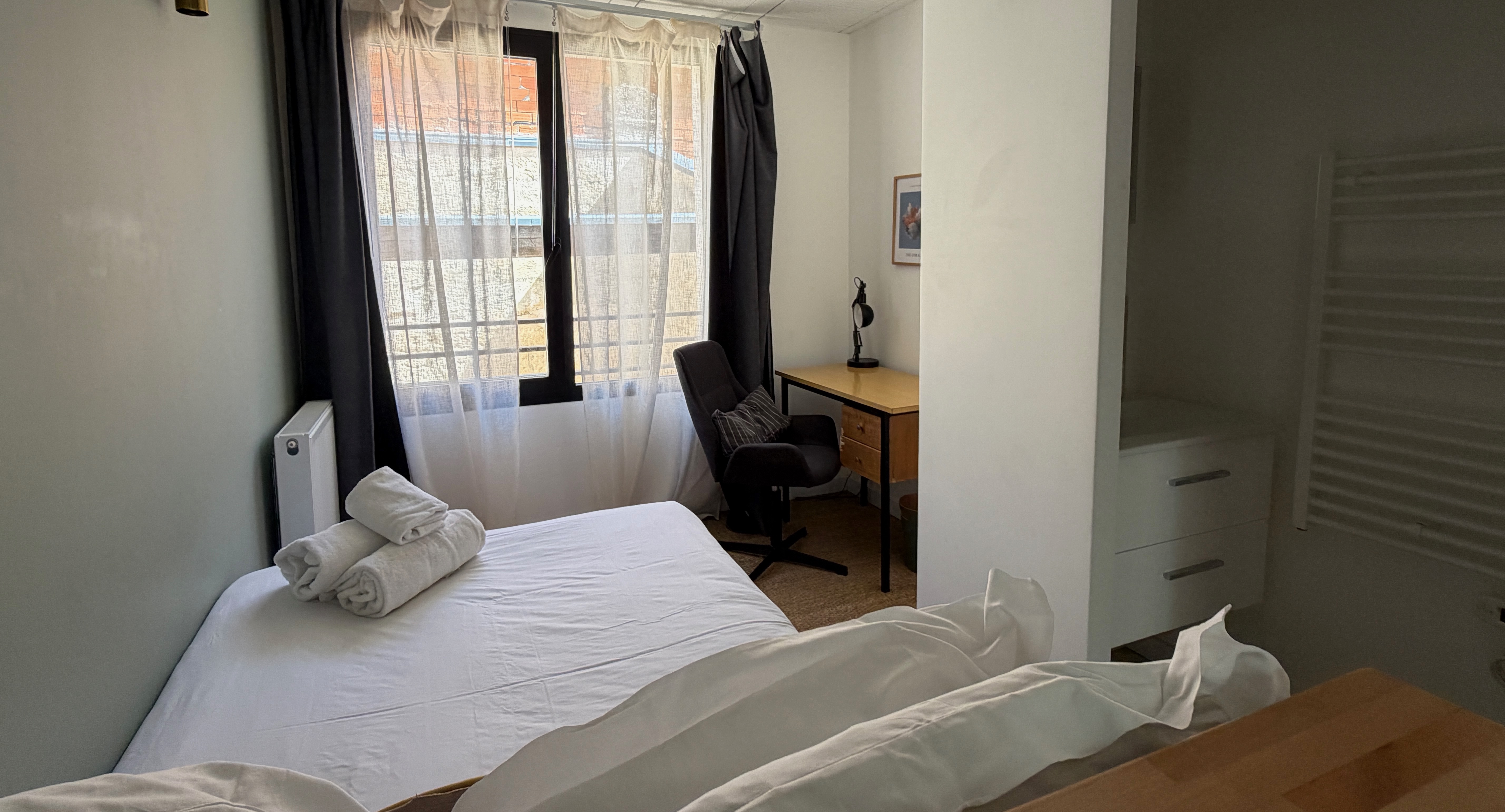
By leveraging spaces that emphasize both productivity and social cohesion, modern remote workers are finding that they can have the best of both worlds. Whether it’s a professional-grade office in Bordeaux or a coastal retreat in California, the goal remains the same: to create a home base that supports your ambition while allowing you to experience the world.
For those looking to transition into a more sustainable, social, and productive way of living on the road, the current landscape of coliving offers not just a room, but a community. It is time to stop searching for the next coffee shop and start looking for your next tribe. The infrastructure is ready—all you have to do is log in.