By International Affairs Desk
In the complex theatre of Mediterranean geopolitics, few relationships are as pivotal—or as volatile—as the one between Spain and Morocco. As of early September 2026, Spanish Prime Minister Pedro Sánchez finds himself once again recalibrating his administration’s foreign policy, seeking a delicate equilibrium that balances strategic partnership with the necessity of avoiding a fresh diplomatic conflagration with Rabat.
The relationship between Madrid and Rabat has long been defined by an intricate web of interdependence, ranging from migration management and counter-terrorism cooperation to trade and energy security. However, recent developments have placed this partnership under renewed strain, forcing the Moncloa Palace to adopt a posture of "pragmatic international relations" designed to insulate the bilateral alliance from the recurring tremors of regional instability.
Main Facts: The Current State of Play
The current diplomatic friction stems from a confluence of unresolved territorial sensitivities, shifting regional alliances in North Africa, and the persistent challenge of irregular migration. Prime Minister Sánchez’s recent diplomatic signaling indicates a concerted effort to de-escalate tensions that have periodically flared since 2021.
At the heart of the matter is the Western Sahara dispute. In a significant shift in 2022, Spain moved to endorse Morocco’s autonomy plan for the territory, a decision that angered the Polisario Front and its primary backer, Algeria. While that shift was intended to secure a "new era" of relations with Morocco, it inadvertently complicated Spain’s standing with Algiers, a key supplier of natural gas to the Iberian Peninsula.
Sánchez’s current strategy is one of calibrated restraint. By emphasizing economic cooperation and border stability, the Spanish government aims to demonstrate that while Spain remains committed to its 2022 policy pivot, it is not looking to engage in provocative regional posturing that might incite further retaliatory measures from Rabat—such as the loosening of border controls or the weaponization of migration flows.
Chronology: A History of Tension and Rapprochement
To understand the current climate, one must view the timeline of Spanish-Moroccan relations as a cycle of strategic necessity interrupted by moments of deep mutual suspicion.
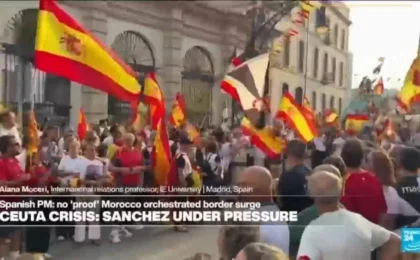
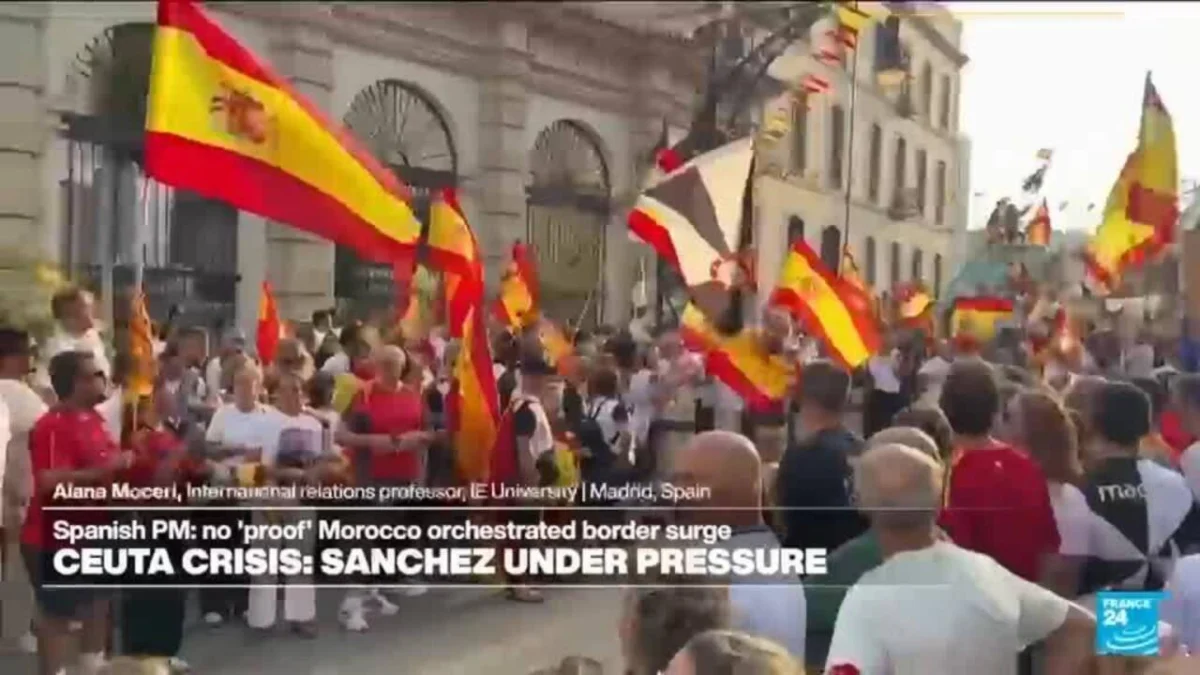
- May 2021: The "Ceuta Crisis." Following the hospitalization of Polisario Front leader Brahim Ghali in Spain for COVID-19 treatment, Morocco allowed thousands of migrants to cross into the Spanish enclave of Ceuta, marking a nadir in bilateral relations.
- March 2022: The Diplomatic Pivot. Pedro Sánchez writes to King Mohammed VI, explicitly supporting Morocco’s autonomy proposal for Western Sahara, calling it the "most serious, realistic and credible" basis for a resolution.
- June 2022: The NATO Summit in Madrid. Morocco is heralded as a vital partner in the "Southern Flank" security strategy, signaling a normalization of military and intelligence cooperation.
- February 2023: High-Level Meeting (RAN). Both nations sign over 20 agreements to boost economic and cultural ties, seemingly burying the hatchet.
- September 2026: The Current Context. Recent months have seen a cooling of rhetoric as both sides navigate the complexities of European Union border policies and the ongoing instability in the Sahel region, which has increased pressure on the Mediterranean migration routes.
Supporting Data: The Pillars of Interdependence
The reluctance of either side to allow a full-blown diplomatic breakdown is rooted in undeniable economic and security data.
1. Trade Volume
Morocco remains Spain’s largest trading partner in Africa. Bilateral trade has seen consistent growth, with Spanish exports to Morocco encompassing automotive parts, textiles, and renewable energy technology. Conversely, Morocco is a primary exporter of agricultural goods to the Spanish market. Disruption in these channels would result in significant inflationary pressure on Spanish food prices and job losses in southern Spanish industrial hubs.
2. Migration and Security
The "migration file" is perhaps the most sensitive. Spain relies heavily on Moroccan intelligence and coastal patrol cooperation to manage the flow of migrants through the Western Mediterranean and the Atlantic route to the Canary Islands. Data from the Spanish Ministry of the Interior indicates that cooperation with Moroccan authorities has prevented thousands of irregular crossings, making the bilateral security pact the cornerstone of Spanish domestic border policy.

3. The Energy Nexus
With the Algeria-Morocco rift complicating regional gas pipelines, Spain’s energy security is tied to its ability to maintain neutral, functional relations with all parties. While Spain still relies on Algerian gas, its transition to green hydrogen and solar energy necessitates massive infrastructure projects that require regional stability, where Morocco plays a central role as a bridge between the European and African power grids.
Official Responses: Navigating the Narrative
The Spanish government’s official stance, as articulated by the Ministry of Foreign Affairs, emphasizes "stability and mutual respect."
"Our relationship with Morocco is not merely a choice; it is a structural necessity," a spokesperson for the Moncloa Palace noted during a recent briefing. "We are committed to a policy that prioritizes long-term stability over short-term political gains. We seek to avoid any action that could be misinterpreted as a challenge to the sovereignty or core interests of our neighbor."
From the Moroccan perspective, the rhetoric is often more guarded. Rabat frequently frames its relationship with Madrid through the lens of "sovereign partnership," expecting unconditional support on the Western Sahara issue. When Spain deviates from this expectation—or appears to vacillate—Moroccan officials are quick to signal their dissatisfaction through the temporary suspension of joint security operations or the tightening of customs inspections at the land borders of Ceuta and Melilla.
Implications: The Risks of the "Pragmatic" Approach
Sánchez’s pursuit of a pragmatic path carries inherent risks. By attempting to appease Rabat, the Spanish government faces domestic criticism from the political left, which remains sympathetic to the Sahrawi cause and critical of Morocco’s human rights record. Furthermore, this approach risks alienating Algeria, which views Spain’s pivot as a betrayal of regional neutrality.
Implications for the European Union
Spain’s balancing act is increasingly becoming an EU concern. As the EU seeks to finalize its New Pact on Migration and Asylum, the "Spanish-Moroccan model" is often cited as a blueprint for externalizing border control. However, critics argue that this model makes the EU hostage to Moroccan domestic political needs, potentially undermining the bloc’s commitment to international human rights standards.
Long-term Regional Stability
The long-term implication is the solidification of a "transactional" era in Mediterranean relations. The traditional emphasis on values-based diplomacy is being replaced by a model where security, migration, and trade are traded like commodities. For Spain, this means that the "conflict-free" goal is likely an illusion; rather, the objective is "managed friction."
As we move through the remainder of 2026, the success of Sánchez’s foreign policy will be measured not by the absence of tension, but by his ability to prevent those tensions from escalating into the crises that defined 2021. The Prime Minister is betting that by prioritizing the functional benefits of the relationship, he can steer Spain through a turbulent geopolitical landscape, ensuring that the southern border remains a bridge rather than a barrier.
In the final analysis, the stability of the Western Mediterranean rests on this fragile consensus. Whether it can hold under the pressures of shifting global alliances and internal political dissent remains the defining question of Sánchez’s current term. The "pragmatic approach" is, at its core, a defensive strategy—a recognition that in the current international climate, avoiding the worst-case scenario is, in itself, a significant diplomatic victory.