For many, the dream of homeownership is increasingly synonymous with the convenience and community of condominium living. Whether you are a first-time buyer looking to break into the market, a professional seeking proximity to urban centers like New York City, or a retiree aiming to downsize in a sunny locale like Jacksonville, the condominium offers a compelling alternative to the traditional single-family home. However, transitioning from renter to condo owner requires a shift in perspective—you are not just buying a property; you are becoming a shareholder in a complex, multi-layered business entity.
Understanding the Condo: A Unique Ownership Structure
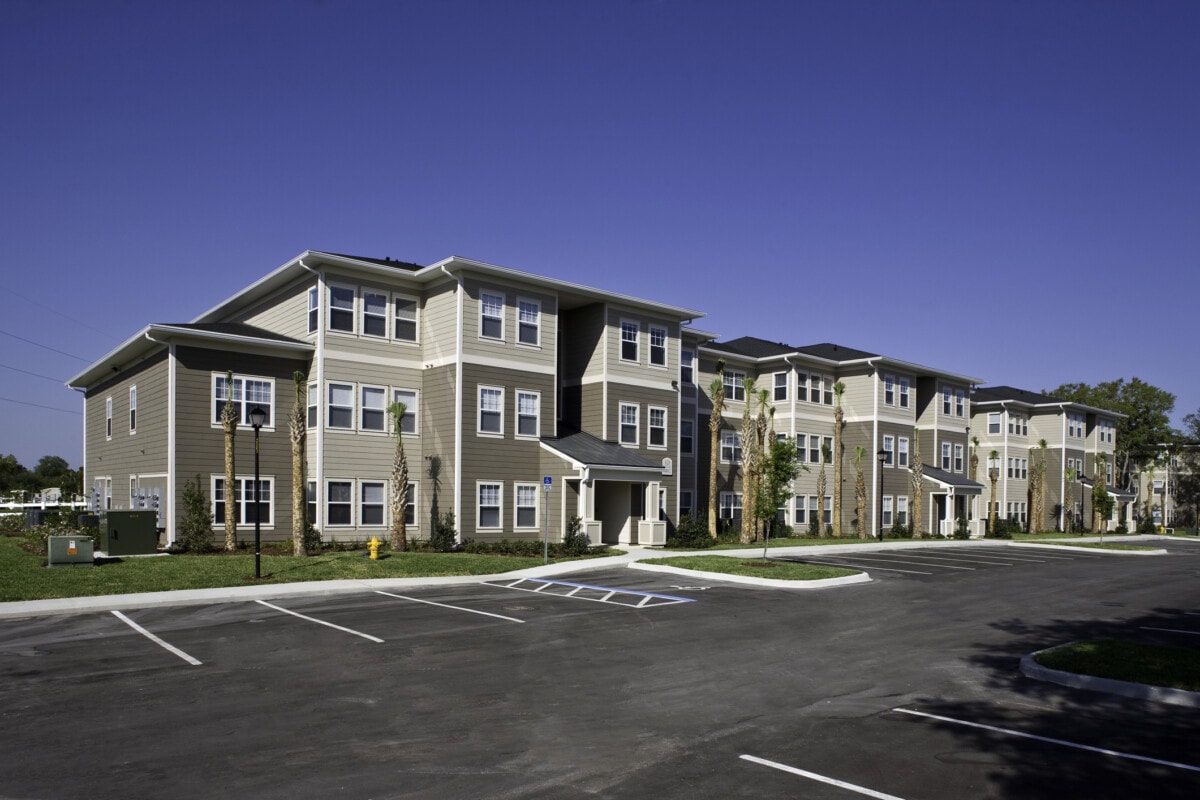
At its core, a condominium is an individual housing unit within a larger complex that can range from a boutique building with two units to sprawling high-rise towers housing hundreds. The defining characteristic of a "freehold" condo—the most common type—is that you possess the title to the interior of your unit, while the exterior, structural components, and common areas are jointly owned by all unit owners.
This joint ownership is governed by a Homeowner’s Association (HOA). Membership in the HOA is mandatory, and with that membership comes the responsibility of monthly dues. These fees are the lifeblood of the community, funding the maintenance of common areas such as parking structures, landscaping, roofs, lobbies, and recreational facilities like swimming pools and fitness centers.
The Role of the HOA
The HOA is more than just a maintenance crew; it is a governing body. Composed of elected residents, the board establishes the rules and regulations that define the community’s lifestyle—from pet policies and noise ordinances to rental restrictions. For those who enjoy community involvement, joining the board provides a direct path to influence how your investment is managed.
The Financial Reality of HOA Fees
One of the most critical variables in your monthly budget will be the HOA fee. On average, owners can expect to pay between $200 and $400 per month, though this figure fluctuates wildly based on geography, building age, and the extent of provided amenities.
The "Low-Fee" Trap
Many buyers naturally gravitate toward properties with the lowest monthly fees. However, seasoned real estate professionals urge caution. An abnormally low fee can be a red flag, signaling an under-managed association or one with insufficient cash reserves. When a building faces a major capital expense—such as a roof replacement or a structural repair—and the reserves are empty, the association will issue a "special assessment." These are one-time, often substantial, fees levied against every unit owner to cover the cost of the project, which can derail a personal budget overnight.

As Nishikwa Brown of Better Homes and Gardens Real Estate Palmetto notes, "Healthy reserves, well-maintained common areas, and transparent communication are positive signs. Conversely, low reserve balances, repeated special assessments, and deferred maintenance are warning signs that you are buying into a financial liability."
Pros and Cons of Condo Ownership
Condo living is a lifestyle choice that balances freedom from exterior maintenance with the loss of total autonomy.
The Advantages
- Maintenance-Free Living: Perhaps the greatest perk is the removal of the "weekend chore" list. The HOA handles lawn care, snow removal, and structural exterior repairs.
- Affordability: Condos are often more accessible for first-time buyers, providing a lower entry price point compared to single-family homes in the same neighborhood.
- Lifestyle Amenities: High-end condos often offer features that would be prohibitively expensive to maintain in a single-family home, such as a concierge, security, pool, or gym.
- Security: Many condo buildings offer enhanced security measures, including locked lobbies, surveillance systems, and a density of neighbors that provides a "safety in numbers" environment.
The Drawbacks
- Lack of Privacy: Shared walls, floors, and ceilings mean that noise from neighbors is an inevitable reality.
- Rules and Restrictions: You may be limited in how you can renovate your unit, what you can keep on your balcony, or whether you are allowed to rent your unit out on platforms like Airbnb.
- Limited Appreciation: Statistically, condos tend to appreciate at a slower rate than detached single-family homes, making them a different type of long-term investment.
- Financial Dependency: You are essentially at the mercy of your neighbors’ and the board’s financial management skills.
The Buying Process: A Step-by-Step Chronology
Buying a condo follows a similar trajectory to buying a house, but with an added layer of "due diligence" focused on the association.
- Lifestyle Assessment: Determine if you are ready for a communal living environment. Experts recommend holding the property for at least five to seven years to maximize your return on investment.
- Mortgage Pre-approval: Know your budget, including the impact of monthly HOA fees on your debt-to-income ratio.
- Agent Selection: Partner with a realtor who specializes in condos. They will know which buildings have healthy finances and which are currently involved in litigation or have poor management reputations.
- Review the "HOA Binder": This is the most important step. Your agent should help you secure the governing documents, meeting minutes, and financial statements.
- The Offer and Contingencies: Submit your offer with a specific contingency for the review of HOA documents. If you find something concerning in the financial records, this allows you to walk away with your earnest money intact.
Essential Questions for the Potential Buyer
When reviewing the HOA documentation, you should treat the process as if you were buying a small business. You are a shareholder, and you need to see the "books." Ask yourself:
- What is the reserve fund status? A healthy association should have a "reserve study" that outlines when major components (like elevators or roofs) will need replacing and how much money is set aside for those future costs.
- Are there pending special assessments? Ask directly if the board has discussed any upcoming large-scale projects that aren’t yet in the budget.
- What is the rental policy? If you ever need to relocate, will the association allow you to rent out your unit?
- Is there ongoing litigation? If the building is suing a contractor or being sued by a resident, it can complicate your ability to secure a mortgage.
Implications for the Future: Condo vs. The Alternatives
Understanding the landscape of housing options is essential to making the right choice.
Condo vs. Apartment
The distinction is ownership. An apartment is a rented space where your rights are governed by a lease; a condo is a property you own, granting you equity and the right to build wealth, albeit with the responsibility for the HOA’s financial health.
Condo vs. House
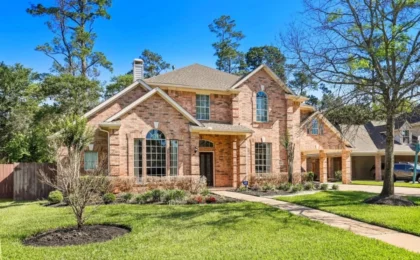
The house is the "gold standard" of property ownership—total control, land ownership, and generally higher appreciation. However, it comes with 100% of the maintenance burden. The condo is the "lifestyle" option, sacrificing land and autonomy for convenience and urban access.
Condo vs. Townhouse
Townhouses occupy a middle ground. They often feature multi-level layouts and small private outdoor spaces, offering more "home-like" square footage than a standard condo. While they often have HOAs, the fees are usually lower, and the rules are often less restrictive, as the structural responsibilities are more clearly defined per unit.
Expert Insight: The "Fannie Mae" Factor
As Stephanie Biello, a real estate professional, points out, lenders are becoming increasingly strict. "Under recently updated Fannie Mae guidelines, unresolved deferred maintenance or insufficient reserve funds can quickly compromise loan approval," she warns. Buyers must ensure that the building they are targeting meets these stringent lender requirements, or they risk losing their financing at the eleventh hour.
In summary, buying a condo is a sophisticated transaction. By prioritizing the financial health of the HOA alongside the aesthetic appeal of the unit, you can enjoy the benefits of a low-maintenance, community-driven lifestyle while protecting your long-term financial security. Don’t just fall in love with the view from the balcony; make sure the foundation—both physical and financial—is built to last.