In the hallowed halls of Omaha, a subtle yet profound transition is underway. After a decade of relative inertia in its equity portfolio, Berkshire Hathaway (BRK.B) is undergoing a structural metamorphosis under the stewardship of CEO Greg Abel. Following a rigorous "housecleaning" of the company’s massive investment holdings during his first three months at the helm, Abel has signaled a shift in capital deployment that characterized the second quarter of the fiscal year.
For the first time in 14 consecutive quarters, the conglomerate emerged as a net buyer of equities. While the broader investment community held its breath for a headline-grabbing new acquisition, the reality revealed in the August 14 Securities and Exchange Commission (SEC) filing was far more nuanced. Rather than chasing the "next big thing," Abel appears focused on refining the existing portfolio, doubling down on conviction plays in technology and housing, and trimming positions that no longer fit the firm’s long-term thesis.
Main Facts: A Shift in Momentum
The headline figures from the Q2 report are striking. Berkshire Hathaway, a company synonymous with the legendary "buy-and-hold" strategy of Warren Buffett, deployed $19.8 billion in fresh capital into equities, while divesting $3.7 billion. This return to net-buying status marks a pivotal departure from the cautious, cash-heavy approach that defined the latter years of the previous administration.
The most significant movement occurred within the technology sector. In a private placement transaction finalized in June, Berkshire injected $10 billion into Alphabet (GOOGL/GOOG). This move substantially increased its footprint in the Google parent company, raising its Class A shareholdings by 45% and its Class B holdings by an eye-watering 650%. These assets have rapidly climbed the internal ranks; GOOGL is now the firm’s fourth-largest holding, representing 9.4% of the U.S. equity portfolio, while the Class B shares have secured a spot as the 10th-largest position.
Chronology of Capital Deployment
The evolution of the portfolio throughout the first half of the year provides a clear roadmap of the current leadership’s priorities:
- Q1 and Early Q2: The initial "housecleaning" phase. Abel began shedding legacy positions that were deemed non-core or underperforming relative to Berkshire’s massive scale.
- June: The $10 billion private placement in Alphabet, signaling a pivot toward high-conviction tech exposure.
- July: The closure of the $6.8 billion acquisition of U.S. homebuilder Taylor Morrison, highlighting a thematic bet on the American residential real estate market.
- Throughout Q2: Tactical adjustments, including the initiation of a stake in D.R. Horton (DHI) and the steady reduction of long-held financial sector assets.
- July (Post-Quarter): Continued aggressive share buybacks totaling $3.3 billion, following a massive $4.5 billion buyback in Q2—the largest quarterly repurchase effort since 2021.
Supporting Data: The Concentration Dilemma
To understand the significance of these moves, one must look at the concentration of Berkshire’s holdings. Despite the recent activity, the portfolio remains a "barbell" of extremes. Berkshire sits on a gargantuan $365 billion cash pile, while its equity portfolio is valued at approximately $325 billion.
The portfolio’s dependency on a handful of "blue-chip" names remains high, though the composition is shifting. Apple (AAPL), while still the dominant titan of the portfolio, has seen its weight decrease from a peak of over 40% to roughly 20%. The top five holdings now account for approximately 68% of the total equity value, while the top 10 represent 88%. This level of concentration is a hallmark of Buffett’s philosophy—that diversification is merely "a protection against ignorance"—and it is clear that Abel intends to maintain this high-conviction style of management.
The Expansion into Transportation and Housing
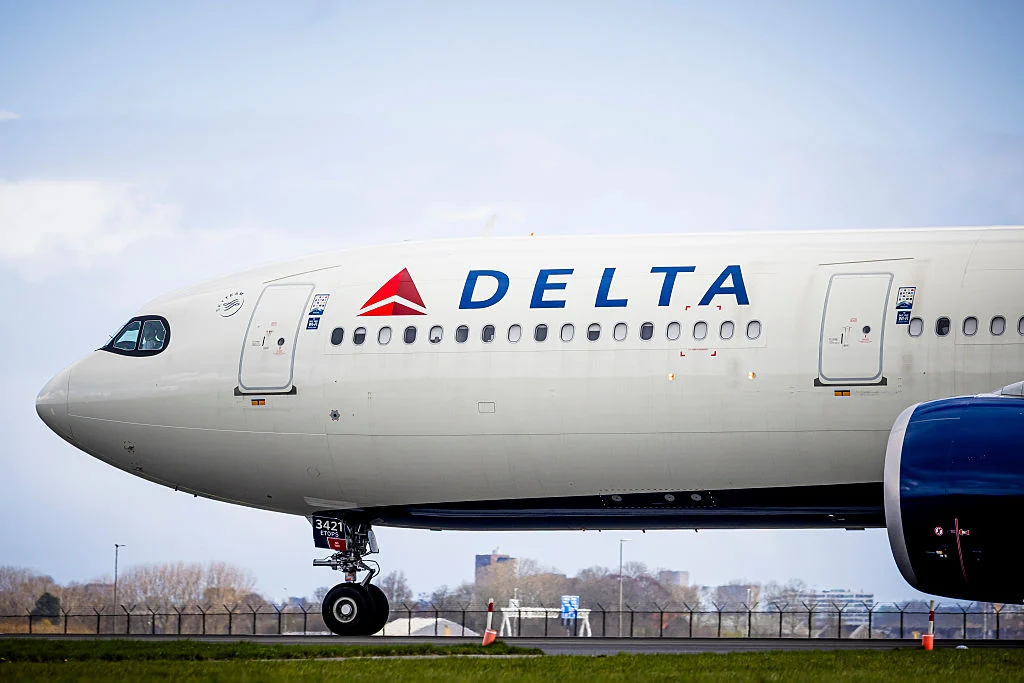
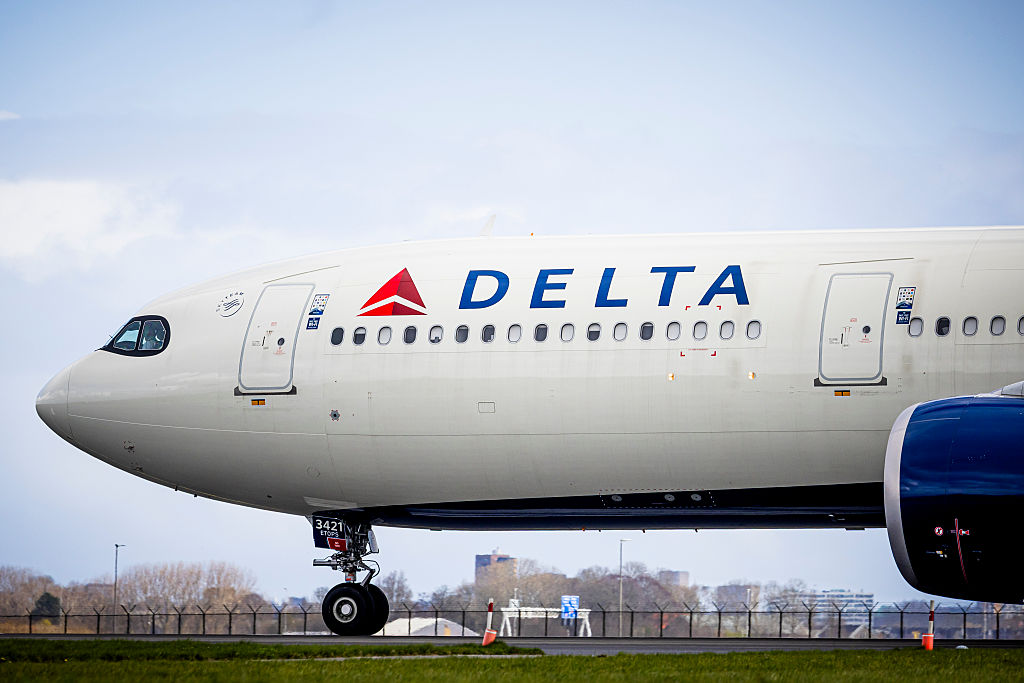
Perhaps the most surprising pivot is the increased exposure to airlines. After a disastrous foray into the sector prior to the pandemic—which led to the liquidation of several major carrier stakes—Buffett had remained wary. Abel, however, seems to have a different outlook. Berkshire increased its stake in Delta Air Lines (DAL) by 44% in Q2, adding 17.5 million shares. With a total valuation of $5.4 billion, Delta is now the 13th-largest holding in the portfolio.
Simultaneously, the homebuilding sector has become a primary target. Beyond the acquisition of Taylor Morrison, Berkshire expanded its positions in Lennar (LEN) by 30%. These moves, coupled with the new stake in D.R. Horton, indicate a strategic bet that the U.S. housing market will remain a critical engine for long-term growth, despite cyclical interest rate pressures.
The Divestment Strategy
Not every move has been an expansion. The "Abel era" is characterized by a pragmatic willingness to prune the edges of the portfolio.
- Financials: The most notable reduction occurred within the financial sector. Bank of America (BAC), a cornerstone of the portfolio since 2017, saw its position trimmed by nearly 6%. While it remains a top-five holding, the signal is clear: the era of holding indefinitely without question is being replaced by active portfolio management.
- Consumer Staples and Services: Kroger (KR) was cut by 22%, sliding from the 12th to the 16th largest holding. Similarly, Ally Financial (ALLY) saw a 7% reduction, and Capital One Financial (COF) was slashed by 58%.
- Industrial and Retail: The company reduced its stake in Nucor (NUE) by 52%, while completely liquidating its position in Constellation Brands (STZ). These exits, while individually small in terms of percentage of total assets, suggest a systemic effort to streamline the portfolio.
Official Responses and Strategic Implications
The shift in capital deployment is not merely a change in ticker symbols; it represents a fundamental change in the "philosophy of the pile." Critics of Berkshire Hathaway have long lamented the company’s inability to deploy its record-breaking cash reserves, arguing that the cash was a drag on returns.
By increasing share repurchases—buying back $4.5 billion of its own stock in Q2—Abel is demonstrating an alternative method of deploying capital: betting on the inherent value of Berkshire itself. When combined with the $3.3 billion in buybacks in July, it is evident that the management team views the current stock price as an attractive entry point.
The "New Image" of Berkshire Hathaway
The implications for shareholders are significant. Under Abel, Berkshire is becoming more responsive to macroeconomic trends. The pivot toward technology—specifically the massive investment in Alphabet—shows that Berkshire is no longer content to sit on the sidelines of the digital revolution.
However, the "barbell" remains. With a market capitalization of $1 trillion, the company still carries the weight of its massive cash reserve, which dropped from a record $380 billion to $365 billion. This reduction is a sign that the management team is finally finding the right "fat pitches" to swing at.
Conclusion: A New Era
Is this still the Berkshire Hathaway that Warren Buffett built? In spirit, yes. The focus remains on long-term value, concentrated positions, and the avoidance of over-diversification. But in execution, the company is undeniably evolving.
Greg Abel is successfully navigating the transition, proving that he can respect the legacy of the past while aggressively positioning the conglomerate for the challenges of the next decade. By doubling down on conviction, trimming the "noise" of smaller, less material positions, and actively managing the company’s cash, Berkshire is preparing for a future that is as bold as its past. For the shareholders, the message is clear: the engine is running, and the strategy is shifting from preservation to proactive growth.