In an economic climate defined by stubborn inflation and rising consumer costs, the weekly grocery trip has transformed from a mundane chore into a high-stakes tactical mission. As household budgets tighten, the appeal of warehouse clubs—specifically Costco—has shifted from a niche convenience to a fundamental survival strategy for the modern family. By trading shelf space for lower price-per-ounce metrics, shoppers are increasingly finding that the key to beating inflation isn’t just clipping coupons; it’s changing the way they procure their pantry staples.
The Economics of Bulk: A Comparative Analysis
To understand the true value proposition of a Costco membership, one must look past the initial "sticker shock" of larger quantities and focus on the cold, hard mathematics of the price-per-ounce. A recent comparative study of Denver-area retailers—including King Soopers (a Kroger subsidiary), Walmart, and Costco—reveals a stark discrepancy in value that persists across snack categories.
The Snack Showdown
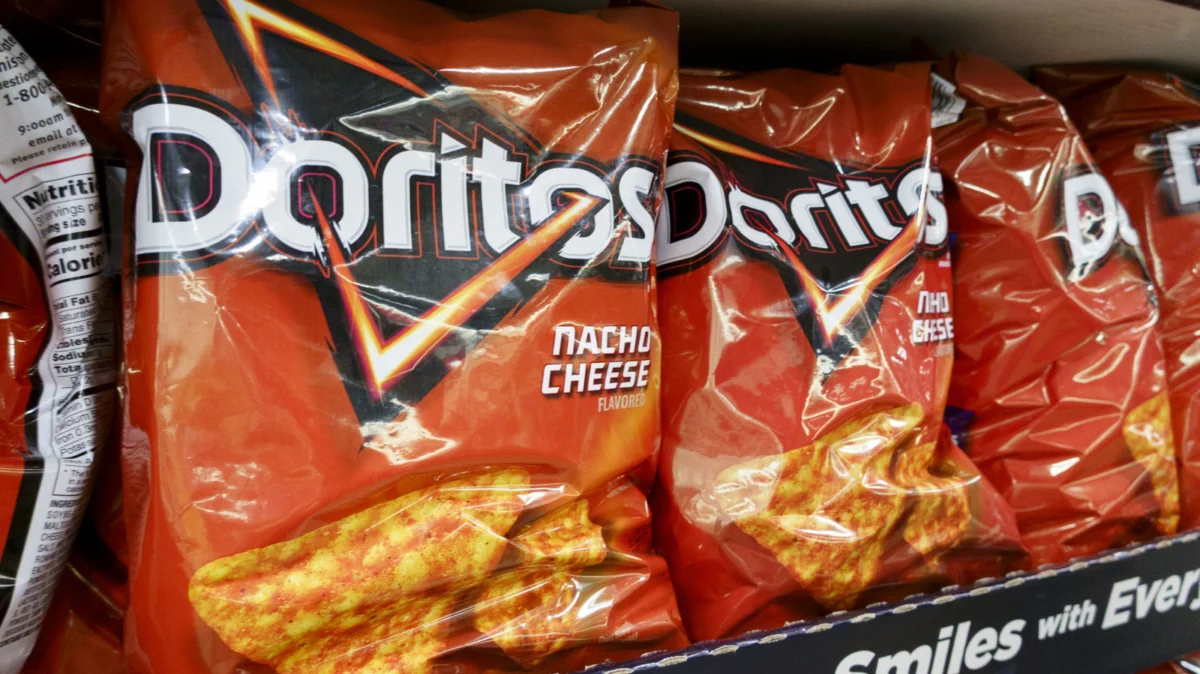
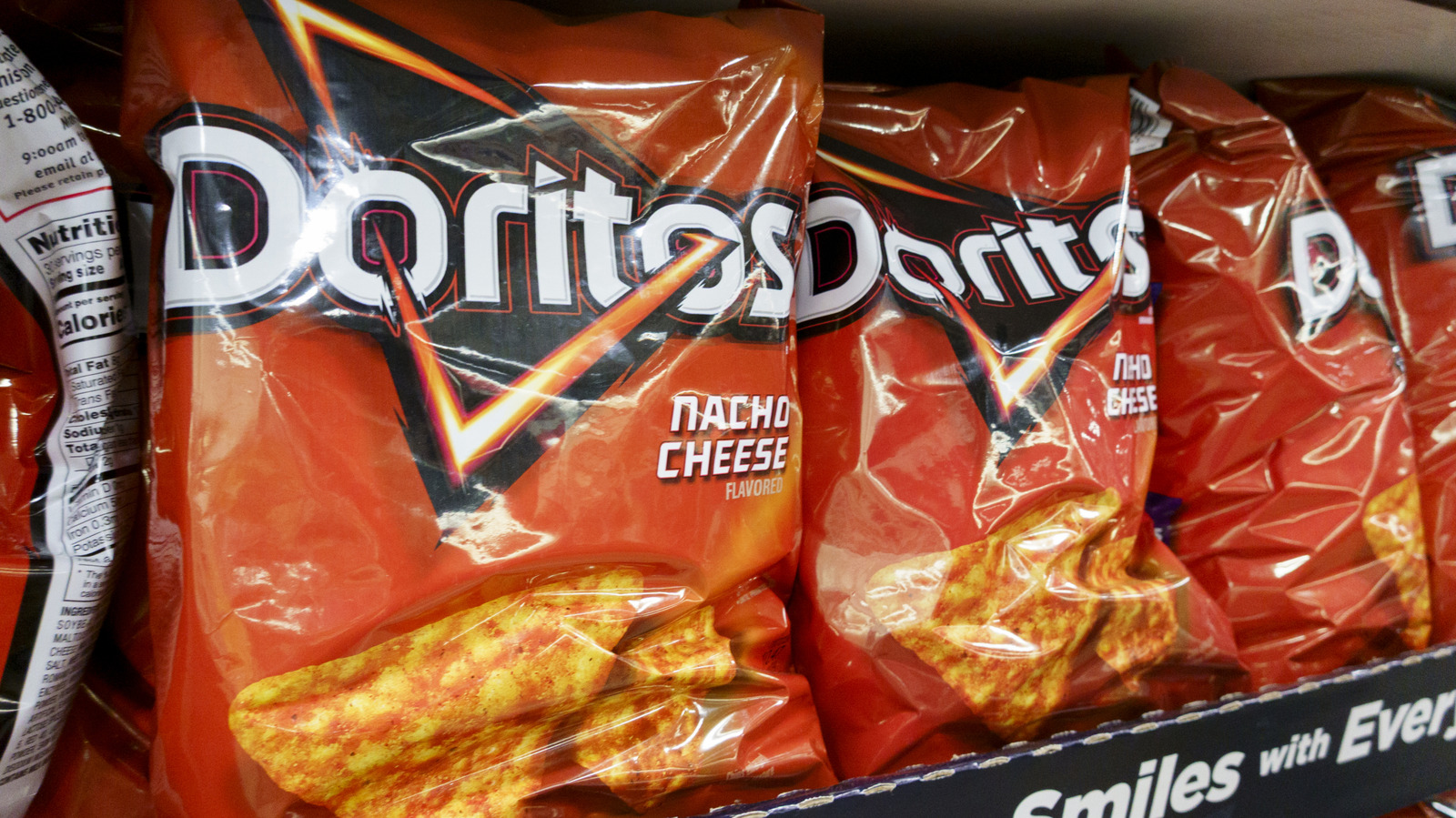
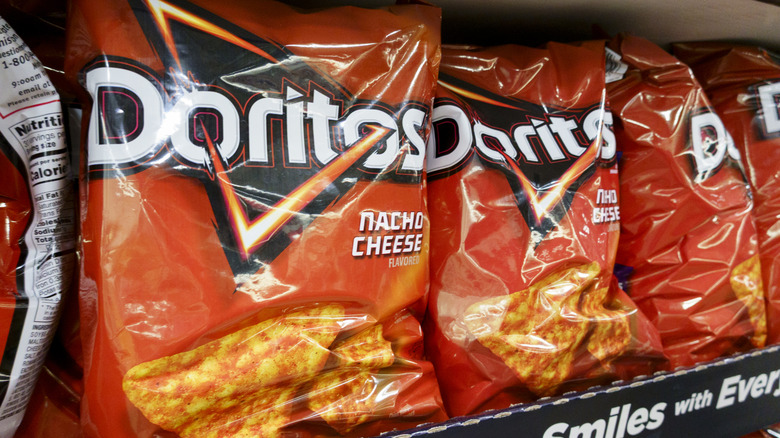
For the average consumer, chips represent a luxury grocery item, one that has seen significant price volatility in recent years. When evaluating the cost of popular items like Doritos, the results are definitive. A standard 14.5-ounce bag of Doritos at a conventional grocery store typically retails for $7.99, or approximately 55 cents per ounce. Moving to a big-box competitor like Walmart, that price drops to 41 cents per ounce. However, at Costco, the math shifts dramatically: a 30-ounce bag retails for roughly $8.27, bringing the cost down to a mere 28 cents per ounce—nearly half the price of the traditional supermarket.
This trend holds true for premium items as well. Take, for example, kettle-cooked chips. A 14-ounce bag of the popular Cape Cod brand fetches 36 cents per ounce at Walmart and 62 cents at King Soopers. Costco, by offering a 30-ounce bag for $8.80, drops that cost to 29 cents per ounce. Even in the niche market of "healthy" snacks like Snack Factory Pretzel Crisps, Costco remains the value leader, offering a 28-ounce bag at 36 cents per ounce, compared to the 38-to-50-cent range found at traditional retailers.
The Chronology of Consumer Shift
The rise of the warehouse club model did not happen overnight. It is the result of a decades-long evolution in retail behavior, accelerated by the global pandemic and subsequent supply chain crises.
- Pre-2020: Bulk shopping was largely viewed as an option for large families or small business owners. The "membership model" was seen by some as a hurdle to casual shopping.
- 2020–2022: The pandemic induced a "stock-up" mentality. As supply chains faltered, the reliability of big-box retailers—who source in massive volumes—became a safety net for households.
- 2023–Present: The focus has shifted from availability to affordability. With the Consumer Price Index (CPI) showing sustained pressure on food-at-home prices, consumers are treating their Costco membership as an investment vehicle to hedge against ongoing inflation.
Beyond the Snack Aisle: A Broader Look at Household Savings
The benefits of the warehouse model extend far beyond the snack aisle, touching on essential household categories where the cumulative savings can reach hundreds of dollars per year.
The Produce and Dairy Defense
Inflation has hit the produce section particularly hard. The once-affordable Honeycrisp apple has seen dramatic price surges, leading many shoppers to seek alternatives. While some retailers price these at nearly $3 per pound, Costco has maintained a more aggressive pricing structure, offering four-pound bags for $7.59—effectively $1.90 per pound.
Similarly, the dairy aisle serves as a bellwether for grocery inflation. A pound of standard store-brand butter often hovers around $3.99. At Costco, purchasing four pounds of Kirkland Signature sweet cream butter for $10.88 represents a significant reduction in the per-pound cost. The savings are even more pronounced with organic goods; a 24-count carton of organic, pasture-raised eggs at Costco ($9.07) provides a much higher value-per-unit than the $4.99 charged for a dozen at conventional grocery stores.
The "Granola Bar" Benchmark
Perhaps the most telling metric of bulk savings is the "staple snack" test. For parents, items like granola bars are non-negotiable. At Costco, a massive 64-count box of chocolate chip granola bars retails for $12.25, or 19 cents per bar. Comparable store brands at traditional retailers often struggle to match this, usually hitting the 25-to-30-cent range. This 30% reduction in cost per item, when scaled across a family’s annual consumption, results in substantial household savings.
Official Retailer Strategies and Implications
Industry analysts note that Costco’s ability to offer these prices is not merely a matter of buying in bulk; it is a fundamental business philosophy. By limiting the number of Stock Keeping Units (SKUs) available, Costco forces higher volume per item, which in turn allows for greater negotiating power with manufacturers.
The "Membership" Psychology
While the membership fee is a barrier to entry, it creates a "sunk cost" effect that encourages members to consolidate their shopping. This consolidation is where the real economic power lies. When a shopper commits to buying pantry staples, paper goods, and bulk snacks in one trip, they reduce fuel consumption and impulse purchases—the two silent killers of a tight budget.
Implications for the Consumer
However, the "Costco Advantage" comes with a caveat. To truly capitalize on these savings, the modern shopper must possess three specific traits:
- Storage Capacity: Bulk buying requires physical space. If a consumer is forced to throw away expired goods because they lack a chest freezer or an organized pantry, the savings are instantly negated.
- Inventory Management: Shoppers must be disciplined. Buying a 30-ounce bag of chips is only "cheaper" if the household actually consumes that amount without falling into the trap of over-snacking.
- The "Hidden" Cost: The temptation to purchase non-essential items—electronics, clothing, or seasonal décor—is the primary way that Costco maintains its profitability. A member who walks in for eggs and leaves with a new television has not, in fact, saved money.
Conclusion: The New Reality of Grocery Shopping
The shift toward warehouse shopping is a direct response to the economic pressures of the 2020s. By leveraging volume to drive down the cost per ounce, shoppers are successfully insulating themselves from the worst of grocery store inflation. While the initial investment of a membership fee and the requirement for storage space may be daunting, the data is clear: for those who manage their inventory wisely, Costco offers a vital lifeline. In an era where every cent counts, the warehouse club is no longer just a luxury—it is a cornerstone of the fiscally responsible household. As we look toward the future, the ability to buy smarter, not just cheaper, will remain the defining characteristic of the successful consumer.