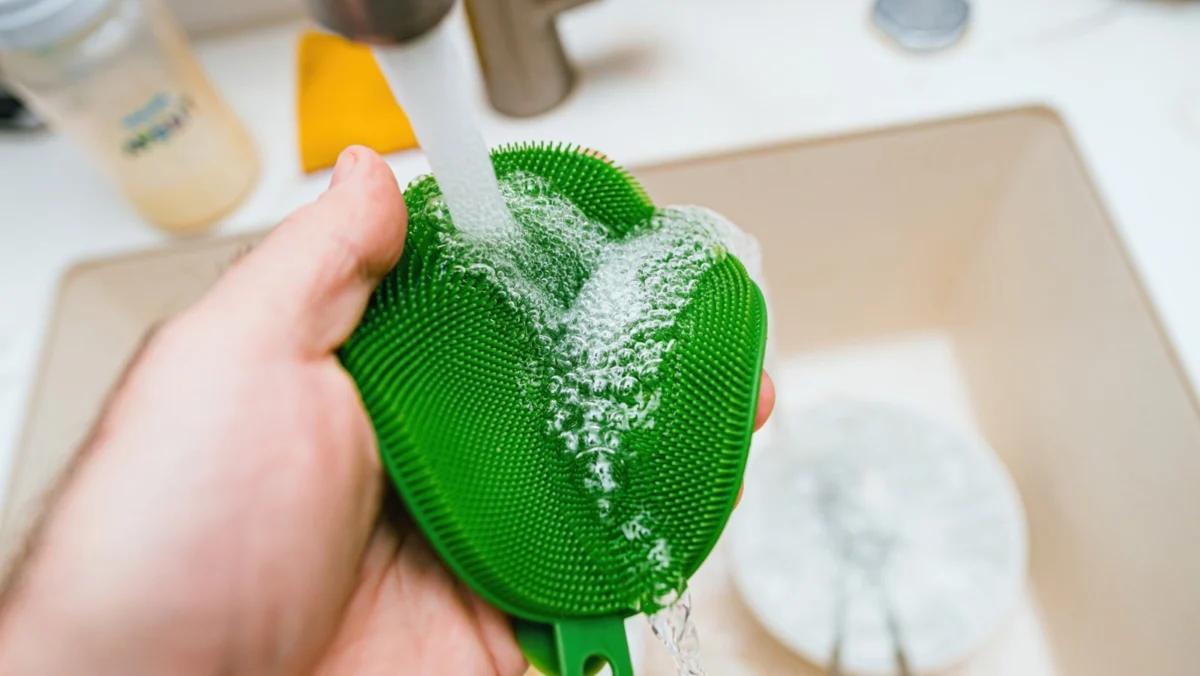
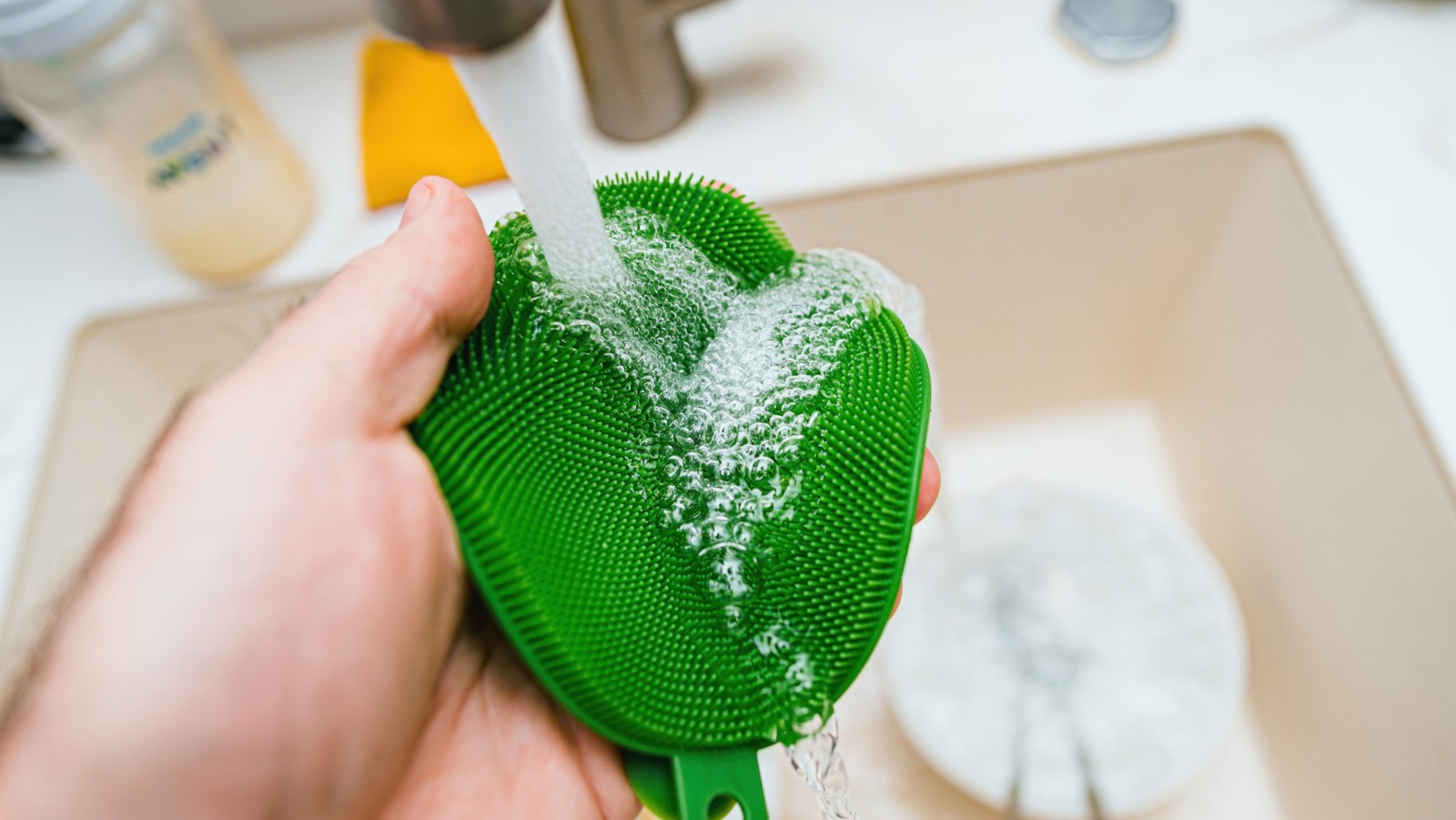
For years, the movement toward a "zero-waste" kitchen has driven consumers to look for alternatives to the humble, disposable cellulose sponge. In this quest for sustainability, silicone sponges have emerged as a frontrunner. They are sleek, colorful, and widely marketed as the long-lasting, hygienic answer to the soggy, bacteria-ridden sponges that end up in landfills by the millions every year.
However, a closer look at the lifecycle, production process, and disposal reality of silicone reveals a much more complex picture. While these tools offer specific functional benefits, they are not the "green" panacea many believe them to be.
The Core Facts: What Are Silicone Sponges Made Of?
To understand why silicone sponges occupy a gray area in sustainability, one must first look at the material itself. Silicone is a synthetic polymer—a hybrid between plastic and rubber—derived primarily from silica, or quartz sand.
While sand is an abundant natural resource, the transformation of that sand into a functional kitchen tool is an energy-intensive industrial process. To create silicone, raw silica is heated to extreme temperatures, often exceeding 3,000 degrees Fahrenheit. This process requires significant fossil fuel consumption and is frequently accompanied by the release of greenhouse gases.
Beyond the energy cost of production, the chemical refinement process is significant. To turn silica into a flexible, durable silicone sponge, manufacturers add chemical catalysts, including hydrochloric acid and silanol. These substances are necessary to ensure the final product is heat-resistant, flexible, and non-stick. Consequently, the production phase of a silicone sponge is inherently carbon-intensive, contradicting the "eco-friendly" label often slapped on them in retail environments.
A Chronology of the Sponge: From Cellulose to Synthetic
The evolution of the kitchen sponge tells a story of convenience versus conscience:
- The Mid-20th Century (The Cellulose Era): Cellulose sponges, made from wood pulp, cotton fiber, and hemp, became the industry standard. They were highly absorbent, biodegradable, and cheap. However, they were also prone to rapid bacterial growth and frequent disposal.
- The Early 2000s (The Rise of Plastics): To combat the "gross" factor of old, smelly sponges, manufacturers introduced synthetic polyurethane sponges with abrasive nylon scouring pads. These were even harder to recycle and added microplastics to our waterways.
- The 2010s to Present (The Silicone Wave): As the environmental movement gained momentum, silicone was introduced as the "forever" alternative. Brands marketed these as the final sponge you would ever need to buy, emphasizing their non-porous surface as a major hygienic upgrade.
Supporting Data: The Durability vs. Biodegradability Trade-off
The primary argument in favor of silicone is its longevity. A single silicone sponge can potentially last for several months—sometimes even a year—with proper care. In contrast, traditional cellulose sponges are often discarded after just a few weeks of use because they harbor mold, mildew, and pathogens.
However, there is a fundamental flaw in the "longevity equals sustainability" equation: non-biodegradability.
When a cellulose sponge reaches the end of its life, it can eventually break down in a landfill or, in some cases, be composted if it is untreated. Silicone, however, is not biodegradable. Because of its high thermal stability and chemical resistance, it persists in the environment for centuries. While it does not shed microplastics in the same way that nylon-based plastic sponges do—which is a major ecological win—it does not simply "go away."
Recycling Reality
The myth that silicone is "easily recyclable" is one of the most persistent misconceptions in modern kitchen cleaning. While silicone is technically recyclable, it cannot be processed at standard municipal recycling facilities. Because silicone is a thermoset plastic, it requires specialized, high-heat industrial processes to break down and repurpose. Most local recycling centers lack this equipment and will simply divert silicone items to a landfill.
Official Responses and Industry Perspectives
Environmental advocates and sustainable living experts often express a "mixed" sentiment regarding silicone. According to waste management data, the best sustainable item is one that minimizes consumption.
Industry analysts point out that while silicone sponges reduce the volume of waste (because you buy fewer of them), they represent a net loss when considering the chemical footprint of their manufacturing. Some environmental groups, such as those focused on plastic reduction, argue that consumers should prioritize natural materials—such as loofah sponges, walnut shell scrubbers, or cellulose derived from FSC-certified wood pulp—over synthetic polymers like silicone.
The Hygienic Implications: Is the Trade-off Worth It?
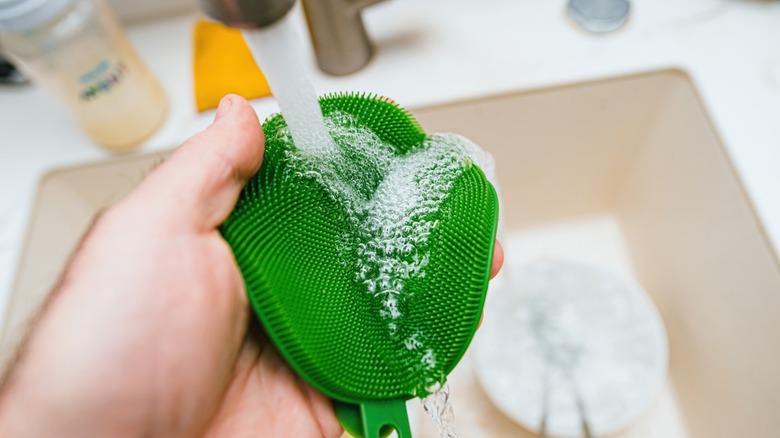
One of the strongest arguments for switching to silicone is its superior hygiene profile. Because silicone is non-porous, it does not provide the same "nook and cranny" environment that allows bacteria and fungi to thrive in a standard kitchen sponge. For households with immunocompromised individuals or those who are particularly sensitive to kitchen sanitation, this is a significant advantage.
However, the efficacy of silicone as a cleaning tool is frequently debated. Many users report that silicone sponges are less effective at scrubbing stubborn, stuck-on food. Because they lack the abrasive texture of traditional scouring pads, they often require more soap, more water, and more "elbow grease" to get dishes clean. If a user has to run the tap longer to rinse a dish because the silicone sponge isn’t removing residue effectively, the water waste generated may outweigh the sustainability gains of the product itself.
Evaluating the Impact: How to Make a Sustainable Choice
If you are looking to balance hygiene, efficiency, and environmental impact, here is how to navigate the current market:
- Prioritize Natural Materials: If you can, opt for biodegradable scrubbers like loofah or coconut husk. These are renewable resources and compostable at the end of their lifecycle.
- Maintain Your Tools: Regardless of what you use, you can extend the life of your sponges significantly. Boiling your cellulose sponges, or running them through a dishwasher cycle, can eliminate bacteria and prevent the need for frequent replacement.
- If You Choose Silicone, Commit to Longevity: If you decide that a silicone sponge is the best fit for your lifestyle, commit to using it for as long as possible. The environmental damage is front-loaded in the production process; the longer you keep that sponge in your sink, the more you amortize that initial carbon cost.
- Seek Out Specialized Recycling: Before tossing your worn-out silicone sponge, check for specialized "hard-to-recycle" programs. Some retailers offer mail-in programs for silicone products that ensure they are properly repurposed rather than sent to a landfill.
Conclusion
The silicone sponge is a classic example of a product that solves one problem—the bacterial, disposable nature of traditional sponges—while creating another: the long-term persistence of synthetic, non-biodegradable waste.
It is not an inherently "bad" product, but it is not the sustainable silver bullet that marketing campaigns often suggest. True sustainability in the kitchen is not found in buying a "better" type of synthetic sponge, but in reconsidering our consumption habits entirely. Whether you stick with cellulose or switch to silicone, the most eco-friendly sponge is the one you already own, cared for properly, and kept in use for as long as humanly possible.