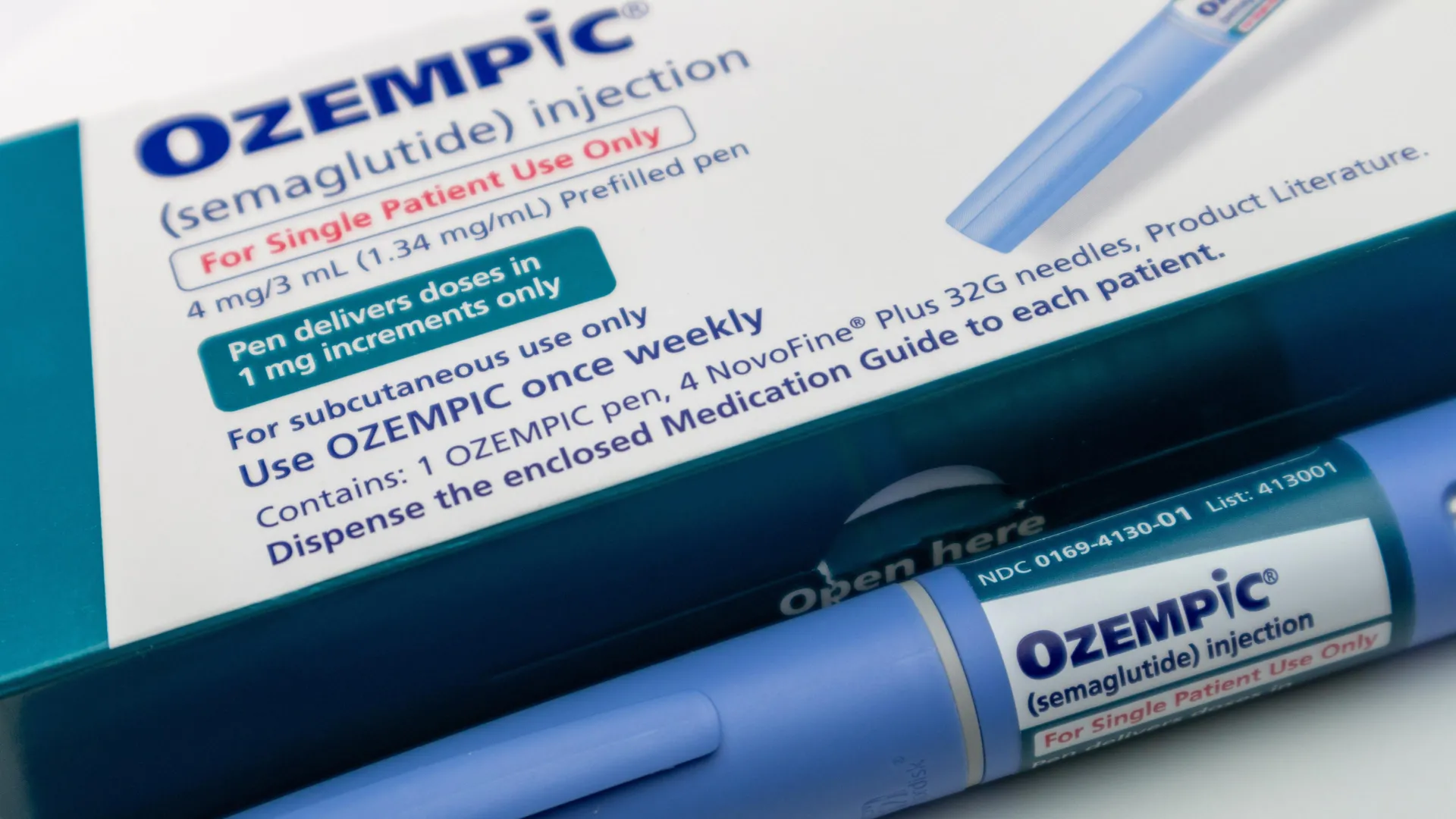
In the landscape of modern medicine, few pharmaceutical advancements have captured the public imagination—and the global market—quite like the rise of Glucagon-Like Peptide-1 Receptor Agonists (GLP-1RAs). Drugs like semaglutide, marketed under the brand names Ozempic and Wegovy, have become household names, heralded as "miracle" treatments for obesity. However, as these medications transitioned from specialized diabetes care to mainstream weight-management tools, a quiet, alarming trend began to emerge in the shadows: a surge in calls to U.S. poison control centers.
A groundbreaking study led by researchers at the University of Texas at San Antonio (UTSA) has now quantified this phenomenon, linking the rapid expansion of semaglutide prescriptions to a dramatic, unprecedented increase in medication-related safety incidents.
The Genesis of a Research Inquiry
The investigation began not in a high-level government laboratory, but in an undergraduate classroom. Jordan Miller, then an undergraduate student at UTSA, noticed a correlation between the skyrocketing popularity of weight-loss injections and the frantic reports appearing in clinical data. Curious whether the timing was purely coincidental or evidence of a systemic failure in patient education, Miller approached her mentor, David Han, the Romo Endowed Professor in the UTSA Department of Statistics & Data Science.
"One of them was this quite odd category of semaglutide," Han recalls. "We suspected that the call volume was skyrocketing because of the misuse and mishandling of this drug and that it may be attributed to the FDA approval of this drug for weight management."
What followed was a rigorous academic pursuit, supported by the Provost’s Undergraduate Research Fellowship. Miller collaborated with a multidisciplinary team, including Robert S. Miller, Pharm.D, a senior specialist in poison information, and Dr. Shawn M. Varney, a professor of emergency medicine and the medical director of the South Texas Poison Center. Their goal was to transform raw, national poison control data into a clear map of public health risk.
A Chronology of Escalating Risks
To understand the scale of the issue, one must look at the timeline of the drug’s regulatory journey. Before 2021, semaglutide was primarily prescribed to manage type 2 diabetes. During this period, poison control centers nationwide handled a relatively stable volume of GLP-1RA-related cases—typically between 1,000 and 1,500 calls annually.
The pivot point arrived in mid-2021, when the FDA expanded its approval of semaglutide to include chronic weight management for a much broader population. As the drugs moved from the niche of endocrinology into the general public’s wellness toolkit, the demand became insatiable. Consequently, the safety data began to reflect this shift:
- Pre-2021: 1,000 to 1,500 annual calls related to GLP-1RAs.
- Late 2021: A noticeable, steep climb begins following FDA weight-management approval.
- 2023: Poison control centers record more than 8,000 GLP-1RA-related calls, nearly an eightfold increase from baseline figures.
For Jordan Miller, the data was jarring. "In that figure that tracks the increase by specific drug, I wasn’t expecting semaglutide to be so incredibly dominant," she said. "I figured that it would lead the pack, but it was staggering."
Dissecting the Data: Why the Surge?
The researchers identified that the vast majority of these incidents were not the result of intentional self-harm or recreational abuse, but rather "therapeutic errors"—accidental overdoses or misinterpretations of complex dosing schedules.
Semaglutide is a complex medication. It requires a precise, escalating "titration" schedule. Patients are intended to start at a low dose to allow their bodies to adjust, gradually increasing the dosage over weeks or months to minimize side effects and prevent toxicity. Furthermore, the drug is designed for a once-weekly injection.
The data revealed two primary failure points:
- Dosing Frequency Errors: Patients mistakenly injecting the medication daily instead of weekly.
- Titration Errors: Patients starting at the maximum dosage immediately, bypassing the critical step-up process required to safely acclimate to the drug.
"Can you imagine something you’re supposed to trickle up to, and you’re going full blast and seven times more often than you’re supposed to?" Miller remarked. Such errors can lead to severe gastrointestinal distress, extreme nausea, vomiting, and, in some cases, severe dehydration requiring emergency intervention.
The Role of Data Science in Public Health
The project’s success serves as a case study for the modern application of data science. By moving beyond simple descriptive statistics, the team utilized analytics to uncover a hidden public health crisis.
"This work demonstrates the quantified impact of these drugs on public health," Professor Han noted. "Statistics, data science, analytics, machine learning, and AI are meant to help people. We use them to transform data from any field into meaningful insight and informed action. Without that focus, it becomes hollow—numbers without real impact."
The study gained significant recognition, eventually being featured as the cover story in Significance, the flagship magazine of the Royal Statistical Society and the American Statistical Association. The findings were also formally published in the Journal of Medical Toxicology, cementing the link between the weight-loss drug boom and the rise in poison control incidents.
Implications for Healthcare and Patient Safety
The research findings present a clear directive for healthcare providers and regulators: the current model of education surrounding GLP-1RAs is insufficient. As these drugs become more ubiquitous, the barrier between the patient and the medication—often mediated by a quick pharmacy visit or a telehealth consultation—may be failing to convey the gravity of the dosing instructions.
The Need for Better Education
The study suggests that the onus for improvement lies across the entire spectrum of the prescribing process. Doctors, pharmacists, and even insurers must ensure that patients have more than just a prescription; they require a comprehensive understanding of the drug’s delivery mechanism.
"When the GLP-1 drugs are being sold to diabetic patients, that’s a completely different story versus when the drug is used for weight management," Han explained. "So, we had to quantify this evidence to show that it stemmed from the FDA approval and how to contain the risk. We need to better educate the public because how this drug behaves in our body and its long-term safety are not yet fully understood."
Potential Policy Shifts
The findings raise questions about whether pharmaceutical companies should be required to implement more robust, foolproof packaging, or if pharmacies should institute mandatory counseling sessions for all first-time semaglutide users. As the landscape of weight-loss medication evolves, the UTSA team’s research provides the necessary baseline for future policy interventions.
A Lesson in Proactive Research
The journey of this project—from a student’s simple question to a cover story in a prestigious journal—also highlights the power of undergraduate research. Miller’s success serves as an inspiration for students and faculty alike, proving that academia can, and should, address real-world problems.
"You lose nothing by asking," Miller said, reflecting on how she approached her professor. "If you have a professor you really get along with or admire, you lose nothing by asking them what they’re working on or if they have space for a research assistant."
Conclusion: Balancing Innovation with Safety
The rise of semaglutide represents a monumental achievement in treating obesity, a condition that has historically been difficult to manage. However, the UTSA study serves as a necessary cautionary tale. Innovation in pharmacology must be matched by equal innovation in patient education and safety protocols.
As the number of prescriptions continues to climb, the findings of Miller and her colleagues act as a critical reminder that even the most effective medications carry significant risks when the human element of error is not adequately mitigated. Moving forward, the medical community must focus on closing the knowledge gap to ensure that the "miracle" of weight loss does not come at the cost of public safety.