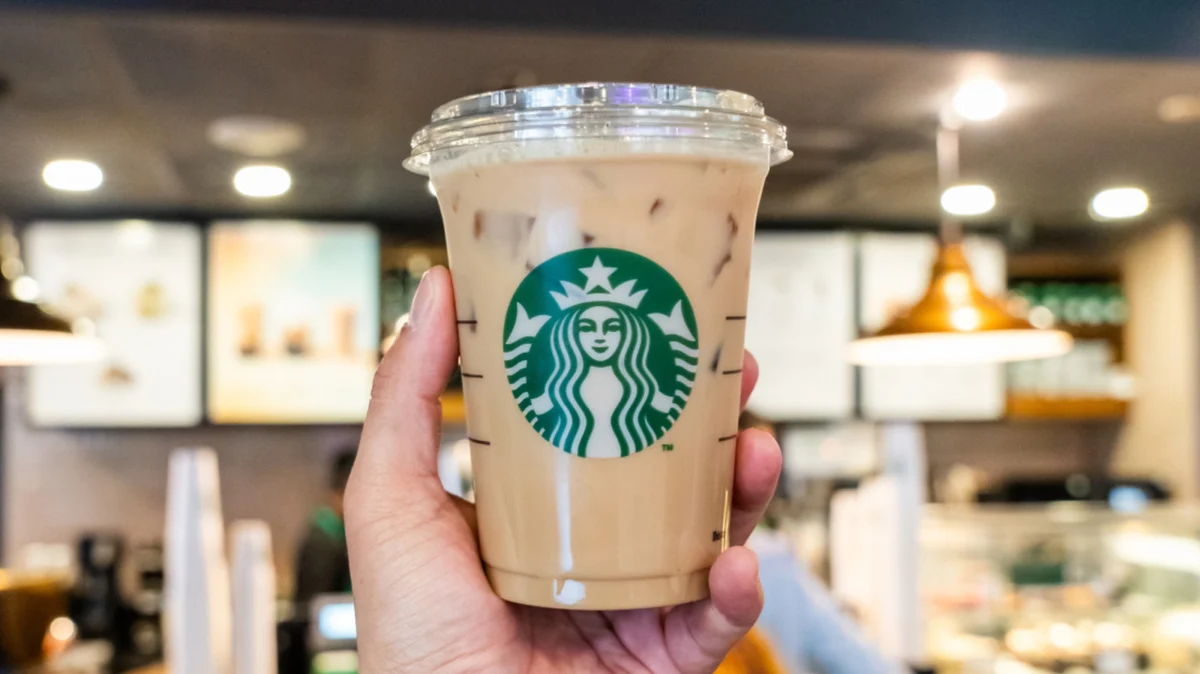
In the high-pressure environment of the morning rush, the local Starbucks is often a theater of social tension. A customer approaches the register, meticulously detailing an order that involves half-caf, oat milk, two pumps of sugar-free vanilla, extra foam, and a specific temperature setting. Behind them, a line of commuters checks their watches, their collective frustration rising with every syllable uttered at the counter.
For years, this has been the unspoken conflict of modern coffee culture: the desire for hyper-personalized beverages versus the social contract of efficiency. However, as the digital transformation of the food and beverage industry matures, a solution has emerged that promises to satisfy both the pickiest of drinkers and the most time-pressed of commuters. By leveraging the Starbucks mobile application, customers are finding that they can enjoy their "secret menu" creations without incurring the social cost of holding up the queue.
The Anatomy of a Beverage: Why Complexity is the New Standard
To understand why this friction exists, one must look at the sheer scale of choice offered by the world’s largest coffee chain. Starbucks has evolved far beyond the simple black coffee of its origins. Today, the brand functions as a playground for culinary experimentation, boasting a menu that invites—and encourages—endless modification.
According to company data, there are roughly 170,000 distinct drink combinations available on the standard menu. When you factor in the granular nuances of modern customization—such as specific syrup pump counts, varying milk temperatures, light-ice ratios, and the addition of specialty cold foams—industry analysts at Bloomberg estimate the true number of permutations approaches an staggering 300 billion.
This level of complexity is a double-edged sword. While it fosters deep brand loyalty and allows for unique personal expression, it places a significant cognitive and physical load on baristas. When a customer stands at the register and attempts to verbalize a five-step modification process, they are effectively asking the barista to act as a scribe for a complex recipe, all while the machinery of the shop continues to churn behind them.
A Chronology of the Mobile Shift
The transition toward mobile ordering wasn’t an overnight phenomenon; it was a deliberate, multi-year strategy to reclaim the efficiency lost to customization.
- 2015 – The Mobile Order & Pay Launch: Starbucks introduced mobile ordering, initially as a convenience feature. The goal was simple: bridge the gap between digital discovery and physical consumption.
- 2017–2019 – The "Customization Boom": Social media platforms like TikTok and Instagram began popularizing complex "secret menu" drinks. This created a surge in counter-side ordering, leading to the infamous "long-line syndrome" that plagued many urban locations.
- 2020–2021 – The Pandemic Catalyst: With health and safety mandates limiting physical interactions, mobile ordering became the primary gateway to the brand. Customers were forced to adapt to the digital interface, discovering that it offered a level of control that was impossible to articulate at the register.
- 2023–Present – The Era of Optimization: Starbucks has invested billions into its digital infrastructure. This includes "Deep Brew," an AI-driven engine that optimizes store inventory and labor, ensuring that mobile orders are not just received, but efficiently sequenced into the barista’s workflow.
Supporting Data: Why the App Wins
The data supporting the shift to app-based ordering is compelling, focusing on both time-savings and accuracy.
1. Error Reduction
When a customer orders in person, there is a "noise-to-signal" ratio problem. The ambient sound of the espresso machines, the chatter of other customers, and the natural anxiety of the person ordering can lead to miscommunication. The mobile app eliminates this, providing a binary, digital record of the order that transmits directly to the bar station.
2. Time-Efficiency Metrics
Industry studies have shown that a standard in-store transaction involving complex customization can take between 60 and 90 seconds to process at the register. The same order, when placed via the app, removes the transactional delay entirely. The customer simply walks to the pickup station, significantly reducing the "dwell time" in the store.
3. Inventory and Reward Integration
The app offers functionalities that the register cannot match, such as real-time inventory updates. If an ingredient—such as a specific oat milk or a seasonal topping—is out of stock at a particular location, the app reflects this immediately. This prevents the disappointment of a customer reaching the front of the line only to find their desired customization is unavailable.
Official Stance and Operational Strategy
Starbucks leadership has been vocal about the role of technology in maintaining the brand’s competitive edge. In recent earnings calls, executives have emphasized that the "digital ecosystem" is no longer a peripheral service; it is the core of the business.
The company’s investment in "Deep Brew" AI has allowed them to anticipate demand for specific ingredients based on regional trends, which in turn reduces the likelihood of supply chain bottlenecks. Furthermore, the company has encouraged the use of the app as a way to "de-stress" the store environment. By offloading the complex, multi-step orders to the digital queue, baristas can focus their in-person interactions on greeting customers and managing the physical flow of the cafe, rather than acting as a data-entry clerk for a long list of modifications.
Navigating the Etiquette of Customization
Even with the app, there is a social etiquette to be observed. The "stink eye" from baristas is usually reserved not for the existence of the order, but for the disruption it causes.
"Customization is part of the job," says one veteran barista, "but when a customer arrives at the peak of the morning rush and asks for an item with twelve modifications, it halts the entire rhythm of the bar. The app allows us to stagger those drinks among standard orders, which keeps the store moving."
Best Practices for the "Pro" Customizer:
- Use the "Saved Favorites" feature: If you have a specific, complex drink, save it in the app. This reduces the time it takes to place your order to a single tap.
- Mind the Pick-Up Window: Don’t crowd the counter. The app will notify you when your drink is ready, which minimizes the physical congestion that leads to frustration.
- Respect the Barista’s Workflow: Avoid asking for "extra" modifications at the pickup counter. If you forgot an add-on, it is often better to order it as a separate transaction via the app to maintain the integrity of the store’s workflow.
- Opt for Personal Cups: Beyond the environmental benefits, using a personal cup is a great way to engage with the store’s sustainability goals, often earning extra rewards points and signaling to the staff that you are a "pro" customer who understands the operational flow.
Implications for the Future of Retail
The Starbucks model is a bellwether for the future of the service industry. As consumers demand higher levels of personalization, companies must provide digital tools that facilitate this without breaking the operational model.
The move toward "digital-first" ordering suggests that the traditional, register-based interaction is slowly becoming a secondary point of contact. In the future, we may see stores designed specifically for mobile pickups, with the "register" becoming a relic of a slower, less efficient era. For the coffee drinker, this is a win-win: the liberty to customize a beverage to the point of absurdity, combined with the social grace of not being the person who keeps the rest of the world waiting.
By shifting from the counter to the screen, the modern coffee enthusiast is not just getting a better drink—they are becoming a better member of the coffee-shop community.