As the spring real estate season reaches its zenith, thousands of homeowners are grappling with a fundamental question: Is now the time to list, or is it wiser to wait out the storm? The 2026 housing market has evolved into a complex landscape defined by record-high costs, geopolitical tensions, and a significant shift in the balance of power between buyers and sellers.
For many, the dream of selling a home during a period of high equity is tempered by the reality of a market that has grown increasingly selective. With the typical monthly housing payment now surging past $2,600—a figure that has far outpaced wage growth since the onset of the pandemic—potential buyers are more cautious than ever. This article examines the current state of the U.S. housing market, the macroeconomic pressures influencing it, and the strategic considerations homeowners must weigh before placing a "For Sale" sign in their yard.
Main Facts: A Market in Flux
The current housing environment is defined by a paradox: while property values remain high, the velocity of the market has slowed to a crawl. The primary driver of this stagnation is affordability. Since 2022, the gap between home prices and income has widened, forcing a cooling effect on buyer sentiment.
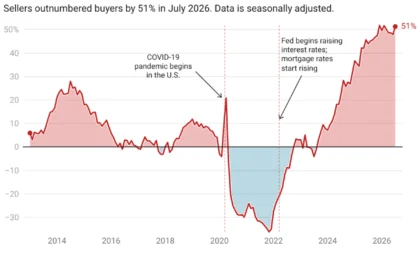
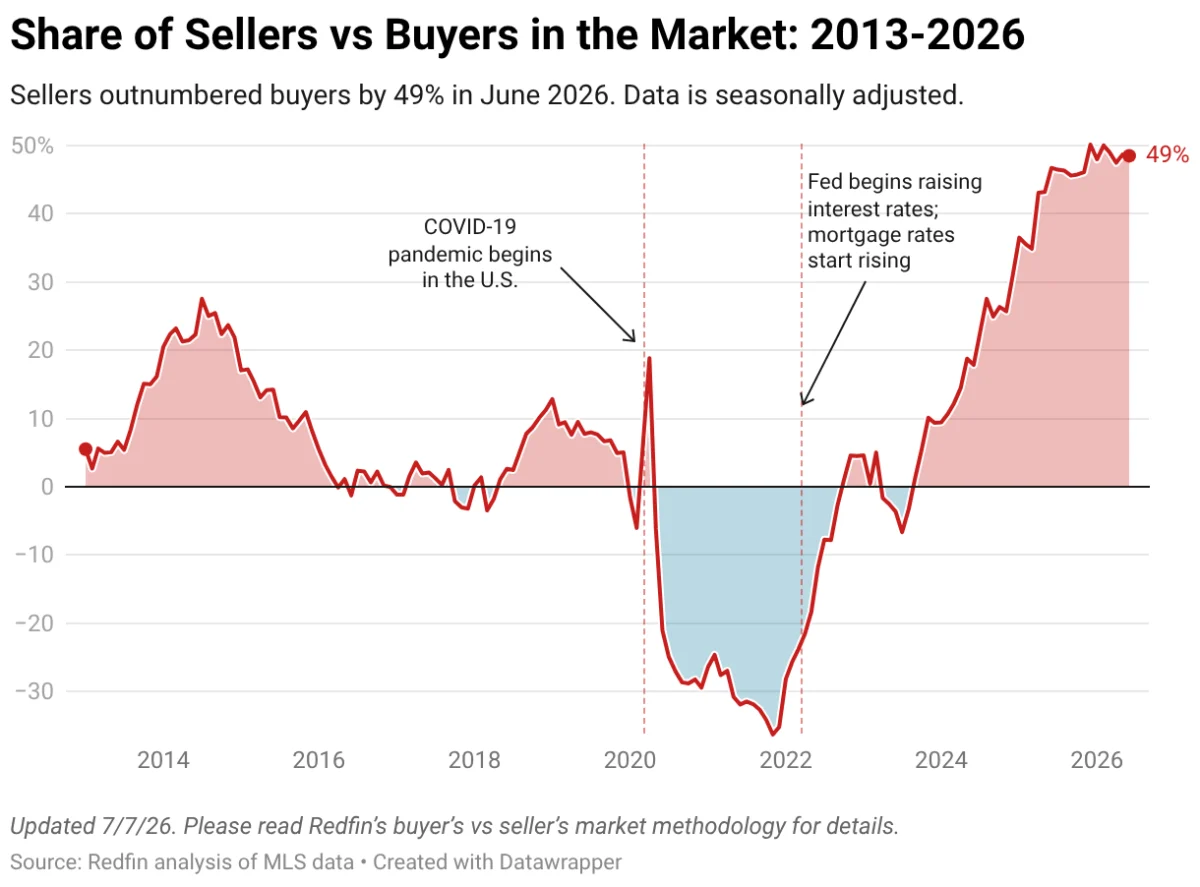
Currently, there are approximately 490,000 more home sellers than active buyers nationwide. This surplus of inventory, while shrinking in some regions, has effectively shifted the market toward the buyer. Consequently, the days of rapid, multi-offer bidding wars are largely a relic of the recent past, replaced by a climate where patience and flexibility are the keys to a successful closing.
Key Drivers of Market Stagnation:
- The Affordability Crisis: Monthly mortgage payments have climbed to record highs, deterring first-time homebuyers and limiting the move-up market.
- Inventory Discrepancies: While some regions remain starved for supply, others are seeing a surplus, particularly in the Sun Belt, where climate-related insurance costs and environmental risks have dampened demand.
- Economic Anxiety: Beyond the housing sector, broader economic indicators—ranging from the integration of Artificial Intelligence in the workforce to the implementation of new trade tariffs—have created a climate of uncertainty that keeps consumers on the sidelines.
Chronology: How We Got Here
To understand the current state of the market, one must look at the timeline of the last 24 months.
- Mid-2025: The housing market began to show signs of extreme fatigue as mortgage rates remained elevated and the "lock-in" effect—where homeowners refused to sell to avoid giving up low, pre-pandemic interest rates—held inventory at historic lows.
- Late 2025 – Early 2026: As the geopolitical landscape shifted, specifically with the outbreak of conflict in Iran, the U.S. economy faced fresh inflationary pressures. Rising energy costs and market instability caused mortgage rates to fluctuate wildly, disrupting the seasonal spring optimism.
- March 2026: The introduction of new tariff policies and the resulting ripple effects on the labor market caused consumer confidence to dip. Despite a temporary peace deal in the Middle East providing a brief respite in price volatility, the long-term outlook remains tethered to global stability.
- April 2026 to Present: The market has entered a phase of "selective stabilization." Sellers who are pricing their homes realistically are finding success, while those relying on 2024-era price expectations are frequently delisting or watching their homes sit on the market for an average of nearly two months.
Supporting Data: The Anatomy of a Sale
The data suggests that the "easy" money period of the early 2020s has concluded. Today, the time required to sell a home has doubled, moving from under 30 days in 2022 to nearly 60 days in the current cycle.
Regional Variations
It is a mistake to view the U.S. housing market as a monolith. Geography plays a decisive role in current liquidity:
- The Midwest and Northeast: Cities such as Rochester, NY, and Milwaukee, WI, remain pockets of high demand. Due to a persistent shortage of inventory, these markets continue to favor sellers, often resulting in quicker sales and sustained price appreciation.
- The Sun Belt: In contrast, states like Florida are experiencing a cooling trend. Homeowners in these regions are increasingly looking to exit, driven by skyrocketing insurance premiums and growing climate risks, which has pushed local inventory levels to record highs.
The Cost of Waiting
For those considering selling, the "time-to-close" metric is critical. In 2025, the average duration from listing to closing was 70 days. This extended timeline necessitates that sellers prepare for a marathon rather than a sprint, accounting for holding costs and the potential for a longer transition period.
Official Perspectives: Expert Analysis
Redfin’s Chief Economist, Daryl Fairweather, characterizes the current environment as a "strong buyer’s market." According to Fairweather, the rise in inventory has handed the reins to the buyer, but those buyers are operating with extreme caution.
"Home sellers should prepare for a strong buyer’s market," says Fairweather. "Rising inventory has given buyers more options, but record costs have made them wary. Volatile mortgage rates and an uneasy job market are adding a layer of uncertainty as well, making it harder for buyers to plan and act with confidence."
Echoing this sentiment, Chen Zhao, Head of Economics Research at Redfin, highlights the direct link between global conflict and local interest rates. "Mortgage rates are reacting to the war in Iran, as rising energy costs and subsequent concerns over inflation and a potential recession put pressure on the economy," Zhao notes. "The peace deal briefly nudged rates down, but long-term improvement depends on a stronger economic outlook."
Implications: The Strategic Seller’s Playbook
For homeowners, the current market is not necessarily a signal to avoid selling, but rather a signal to change tactics. The era of "list and forget" is over; in 2026, the successful seller is a strategic operator.
When to List
- Strategic Timing: Late April remains the statistical peak for closing speed and price, but local conditions should override national averages.
- The "Need" Factor: Life events—relocation, family growth, or downsizing—remain the primary catalysts for selling. When life dictates a move, the market’s "goodness" becomes secondary to the necessity of the transaction.
- Pricing Realism: Pricing a home based on inflated expectations is a recipe for failure. Agents today are recommending competitive pricing strategies to generate initial interest, as stale listings are often ignored by buyers who are already wary of market conditions.
When to Wait
- The Refinancing Trap: If you have recently refinanced at a record-low rate, the math of selling—which involves moving into a higher-interest-rate environment—may erode your equity gains.
- Deferred Maintenance: In a buyer’s market, buyers have the luxury of choice. A home that requires major repairs is likely to be overlooked or subjected to aggressive price concessions. If you cannot afford the repairs, you should expect a significantly lower final sale price.
Navigating the Future
For those determined to proceed, "phased marketing" is becoming an increasingly popular tool. By listing a home to a small, private audience before entering the Multiple Listing Service (MLS), sellers can test the waters and gauge price sensitivity without the stigma of a home that has been sitting on the public market for weeks.
Ultimately, the 2026 housing market requires a departure from the passive strategies of the recent past. Success today is earned through meticulous preparation, an understanding of local supply-demand imbalances, and a willingness to engage in the give-and-take of a buyer-led market. Whether you are driven by necessity or an opportunistic shift in your own life, the key is to stop viewing the market as an obstacle and start viewing it as a variable that must be managed with professional guidance and realistic expectations.
As the year progresses, the interplay between global economic stability and domestic housing policy will continue to shape the trajectory of home sales. For the informed seller, the opportunities remain—they simply require a sharper focus and a more nuanced approach than ever before.