For decades, the name "creatine" has been synonymous with weight rooms, protein shakes, and the pursuit of athletic peak performance. It is a staple of the fitness world, celebrated for its ability to help bodybuilders and sprinters squeeze out that final, explosive repetition. However, a groundbreaking study from the University of California, Los Angeles (UCLA) suggests that this humble amino acid derivative may have a far more profound calling: acting as a potent metabolic fuel for the human immune system’s fight against cancer.
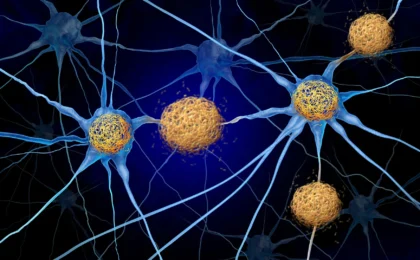
New research, published in the journal iScience, reveals that creatine does not just energize skeletal muscle; it serves as a critical battery for dendritic cells—the "generals" of the immune system tasked with identifying tumors and commanding T cells to launch a lethal assault. This discovery opens a compelling new frontier in oncology, suggesting that simple nutritional intervention could hold the key to unlocking the full potential of modern immunotherapy.
The Main Facts: A Metabolic Breakthrough
The core of the discovery lies in the complex metabolic dance between cancer cells and the immune system. Cancer cells are notoriously aggressive, often outcompeting healthy immune cells for the limited nutrients available within the tumor microenvironment.
UCLA researchers discovered that when dendritic cells infiltrate a tumor, they essentially enter a high-stakes, resource-depleted battlefield. The study found that these immune cells require a significant influx of creatine to survive and function under such duress. When researchers engineered dendritic cells to lack the "creatine transporter"—the protein responsible for pulling creatine into the cell—the results were catastrophic for the immune response: the cells became lethargic, failed to survive, and lost their ability to "teach" T cells how to identify and attack the tumor.
Conversely, when creatine levels were boosted, the dendritic cells flourished. They functioned like rechargeable batteries, storing energy that allowed them to maintain the inflammatory signals necessary to coordinate a sustained anti-cancer attack.
Chronology: From T-Cells to the Immune Infrastructure
To understand the significance of this research, one must look at the progression of the UCLA laboratory’s work.
- 2019: The same laboratory group published landmark research demonstrating that creatine enhances the functional capacity of CD8+ T cells (the "killer" cells of the immune system). This established the initial link between supplemental creatine and improved immune efficacy.
- The Follow-Up: Building on this foundation, researchers questioned whether creatine’s influence extended beyond the T cells. They hypothesized that the immune system’s "infrastructure"—the cells responsible for priming and directing T cells—might also be metabolically dependent on creatine.
- Genetic Profiling: Researchers examined metabolic gene expression in tumor-infiltrating dendritic cells. They observed that the gene for the creatine transporter was significantly upregulated in these cells compared to those in healthy tissue, signaling that the cells were actively "hungry" for creatine to cope with the tumor environment.
- Laboratory Validation: Through a series of mouse models and human cell experiments, the team confirmed that providing supplemental creatine directly translated into slower tumor growth and a more robust immune presence within the tumor site.
Supporting Data: Powering the Cellular Battery
The mechanisms behind these findings rely on the production of adenosine triphosphate (ATP), the primary energy currency of all living cells. Through metabolomics analyses, the team confirmed that creatine supplementation directly increased intracellular ATP levels within dendritic cells.
In a tumor, where competition for glucose and other nutrients is fierce, immune cells often "starve." By supplementing with creatine, researchers provided these cells with an alternative energy reserve. This allowed the dendritic cells to sustain their inflammatory signaling pathways—the chemical "calls to arms" that recruit additional immune cells to the tumor site.
In mice models of melanoma, daily creatine injections led to:
- Reduced Tumor Volume: A significant slowing of cancer progression.
- Increased Cellular Recruitment: A higher density of active dendritic cells successfully entering the tumor.
- Enhanced Communication: Higher levels of chemical signals being released, which served to rally more of the immune system to the fight.
Furthermore, in human-derived monocyte experiments, creatine improved the activation of dendritic cells used in experimental cancer vaccines. This suggests that the supplement could be used as a "quality control" booster during the manufacturing of personalized cancer vaccines, potentially resulting in more effective immunotherapies.
Official Responses and Expert Perspectives
Lili Yang, the study’s senior author and a professor of microbiology, immunology, and molecular genetics at UCLA, views these findings as a paradigm shift in how we approach the tumor microenvironment.
"Immunotherapy has shown remarkable promise, but it only works for a subset of patients," Dr. Yang stated. "What this study shows is that creatine doesn’t just help the T cells fighting cancer—it also energizes the entire infrastructure that supports and guides them. That makes creatine a promising supplement to holistically support the immune response that modern immunotherapies depend on."
The research team, which includes co-first authors James Elsten-Brown and Elliot Kang, emphasizes the dual-threat potential of this discovery. "The potential we see here is that creatine could be used in two complementary ways: as a supplement to enhance the immune response of patients already receiving immunotherapy, and as a tool to improve the quality of dendritic cell-based vaccines before they’re administered," said Elsten-Brown.
Kang added, "Understanding how to metabolically support dendritic cells is about supporting the entire anti-tumor response, not just the killer T cells at the end of it."
Implications for Future Cancer Treatment
The implications of this study are far-reaching. Currently, only about 20% to 40% of patients see meaningful benefits from modern immunotherapies. The remaining majority often face resistance, where the tumor environment successfully suppresses or exhausts the immune system. If creatine can successfully "recharge" the immune system’s frontline defenders, it could effectively widen the therapeutic window for these treatments.
However, the scientific community is maintaining a stance of cautious optimism.
Critical Caveats:
- Not Yet Clinical: The study was performed in mice and in vitro (lab-grown) human cells. It is not, as of yet, a clinical recommendation.
- Medical Oversight: While creatine monohydrate is a widely available, over-the-counter supplement, the researchers warn that cancer patients should never attempt to "self-medicate" without explicit consultation with their oncology team. The metabolic interactions during active chemotherapy or immunotherapy can be complex.
- Regulatory Status: The approaches described have not been approved by the FDA for use in human cancer treatment.
The Road Ahead
The next phase for the UCLA team involves prospective clinical trials. These trials will be the true litmus test, determining whether the metabolic advantages seen in the laboratory translate into improved survival rates and better outcomes for real-world patients.
Additionally, the research is of significant commercial interest. The potential therapeutic strategy identified in the study is the subject of a patent application filed by the UCLA Technology Development Group on behalf of the Regents of the University of California. This signals that the academic world and the biotech industry are likely to collaborate closely to move this from the lab bench to the clinic.
For now, the story of creatine is evolving. It is no longer just a tool for building muscle; it is a potential key to building a more resilient, energetic, and effective immune system. While the path to a clinical standard of care is long and rigorous, the prospect of using a safe, well-understood, and inexpensive supplement to turn the tide against cancer is an opportunity that researchers are eager to pursue.