Introduction: A Humanitarian Catastrophe Unfolding
The Republic of Sudan, already grappling with one of the world’s most severe humanitarian crises, is witnessing a harrowing escalation in violence that is disproportionately claiming the lives of its most vulnerable citizens. According to a somber report released by the United Nations Children’s Fund (UNICEF) this Monday, more than 300 children have been killed or maimed in the first six months of 2026 alone.
This grim statistic serves as a devastating reminder of the human cost of the ongoing power struggle between the Sudanese Armed Forces (SAF) and the paramilitary Rapid Support Forces (RSF). As the conflict enters its fourth year, the geographical spread of the violence—particularly in the volatile regions of Darfur and Kordofan—has effectively erased any semblance of safety for millions of children, turning homes, schools, and transit routes into frontlines of war.
The Escalating Crisis: Key Facts and Regional Realities
The intensification of hostilities since May 2026 has marked a chilling shift in the nature of the conflict. UNICEF reports that the use of indiscriminate weaponry, including drone strikes and heavy artillery, has become a primary driver of child casualties.
The Epicenter of Violence
While the conflict has paralyzed much of the nation, the regions of Darfur and Kordofan have emerged as the primary theaters of suffering. These areas have recorded the highest density of child fatalities and injuries, exacerbated by the breakdown of essential public services.
The Weaponization of Public Infrastructure
The report highlights a disturbing pattern: attacks are not merely occurring in residential areas, but are actively targeting the infrastructure upon which civilian life depends. UNICEF documented that repetitive drone strikes and shelling have decimated:
- Healthcare Facilities: Limiting the ability of medical staff to treat the wounded.
- Water Systems: Increasing the risk of waterborne diseases and dehydration.
- Education Hubs: Depriving a generation of children of their right to learning.
- Marketplaces: The sites of daily survival for thousands of displaced families.
By striking these locations, combatants are not only causing direct casualties but are also creating an environment of secondary harm, where the collapse of basic services leads to starvation, disease, and further displacement.
Chronology of a Power Struggle: From Transition to Chaos
To understand the current carnage, one must examine the genesis of the conflict.
April 2023: The Outbreak
The current war began in mid-April 2023, following a breakdown in negotiations between the SAF, led by General Abdel Fattah al-Burhan, and the RSF, commanded by Mohamed Hamdan "Hemedti" Dagalo. What began as a dispute over security sector reform and the integration of the RSF into the national army quickly devolved into a full-scale civil war that engulfed the capital, Khartoum, before spreading across the country.
2025: The Deepening Humanitarian Void
By the end of 2025, international observers noted a shift from military maneuvering to a "humanitarian catastrophe." As legal experts and human rights organizations began documenting evidence of war crimes—including the targeting of civilians with disabilities—the international community’s calls for a ceasefire remained largely unheeded.
2026: A Year of Escalation
The first half of 2026 has been defined by a significant increase in the use of advanced weaponry. UNICEF data from mid-April 2026 already signaled a worrying trend, with at least 245 child casualties recorded in the first 90 days of the year. The current report, covering the full six-month period, confirms that the pace of death has not slowed, with drone strikes since May alone accounting for dozens of new casualties.
Supporting Data: By the Numbers
The statistical reality of the Sudan conflict paints a picture of a nation in collapse.
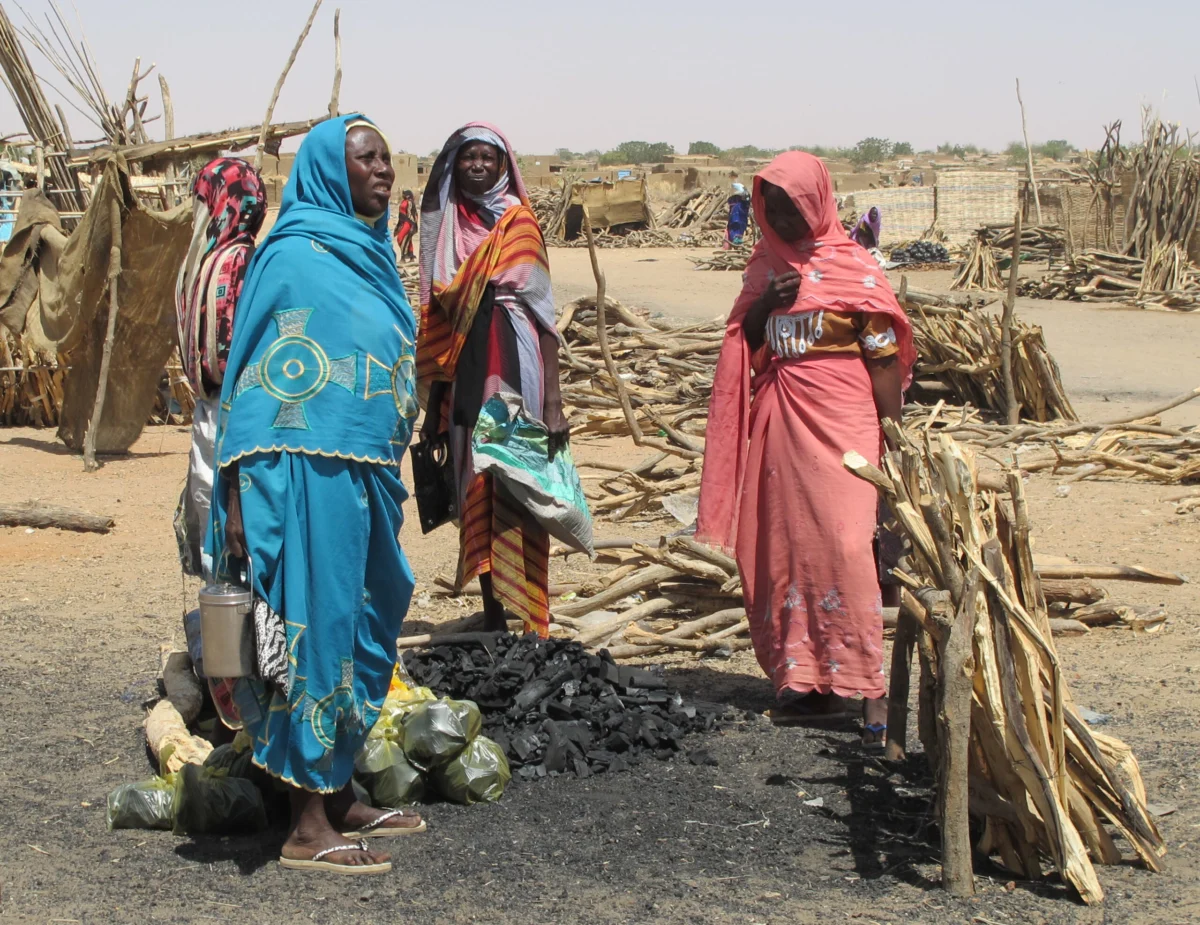
- Displacement: Nearly five million children have been forced from their homes since the conflict began, creating one of the largest internally displaced persons (IDP) populations in the world.
- Casualty Trends: While the 300+ figure represents confirmed casualties, the actual number is likely significantly higher due to the inability of humanitarian organizations to access remote regions where communications are severed.
- Public Service Strain: The destruction of water systems and healthcare clinics has created a public health emergency, with millions of civilians now completely reliant on sporadic humanitarian aid that is frequently blocked by warring factions.
Official Responses: A Call for Accountability
The international community, led by the United Nations, has expressed outrage at the persistent disregard for international humanitarian law (IHL).
The UNICEF Mandate
UNICEF Representative for Sudan, Sheldon Yett, issued a harrowing statement regarding the lack of sanctuary for the nation’s youth:
"For many children, there is no safe place left. They are being killed and injured in their homes, on the roads, in markets, and while attempting to access essential services such as education and healthcare. Children must never be a target. Their lives, rights and futures must be protected."
A Plea to the Combatants
UNICEF Executive Director Catherine Russell has called directly upon both the SAF and the RSF to fulfill their obligations under international law. Under the Geneva Conventions and customary IHL, parties to an armed conflict are strictly required to:
- Distinguish between combatants and civilians.
- Abstain from targeting civilian objects.
- Ensure safe, rapid, and unimpeded humanitarian access.
The failure to uphold these principles is being viewed by legal scholars as a potential foundation for future war crimes prosecutions. The intentional obstruction of aid, combined with the bombardment of civilian centers, constitutes a severe breach of the rules of engagement that govern modern warfare.
Implications: The Long-Term Cost of War
The implications of this conflict extend far beyond the immediate loss of life.
The Erosion of the Social Fabric
When children are the primary victims of war, the long-term stability of a nation is compromised for decades. The destruction of schools and the trauma inflicted upon the youth of Sudan will result in a "lost generation," lacking the educational foundation necessary to rebuild the country once the guns fall silent.
The Failure of Humanitarian Access
The ongoing insecurity has made the delivery of aid an increasingly lethal endeavor. Organizations like Save the Children and UNICEF are working in tandem to provide life-saving assistance, but they are constantly impeded by the very factions that signed international agreements promising humanitarian corridors. The UN has repeatedly urged the international community to increase financial and diplomatic pressure, but as long as the SAF and RSF prioritize military objectives over the survival of their people, aid will remain a stopgap measure rather than a solution.
A Global Call to Action
The crisis in Sudan is no longer a localized conflict; it is a global humanitarian challenge. As the international community struggles to address conflicts in other parts of the world, Sudan risks being relegated to the periphery of geopolitical concern. However, the scale of the child mortality rate and the systematic nature of the violence suggest that without a radical change in the diplomatic approach—including targeted sanctions and more robust mediation efforts—the toll will only continue to climb.
Conclusion: A Moral Imperative
The situation in Sudan is a searing indictment of the failure to protect the most innocent. As the reports of drone strikes, destroyed homes, and wounded children continue to emerge from Darfur and Kordofan, the world faces a moral imperative to move beyond mere documentation and toward decisive intervention.
The children of Sudan are not just statistics; they are the future of a nation currently being dismantled. Whether that nation has a future at all depends on the immediate cessation of hostilities and a return to the basic principles of humanity that the warring parties have so callously discarded.