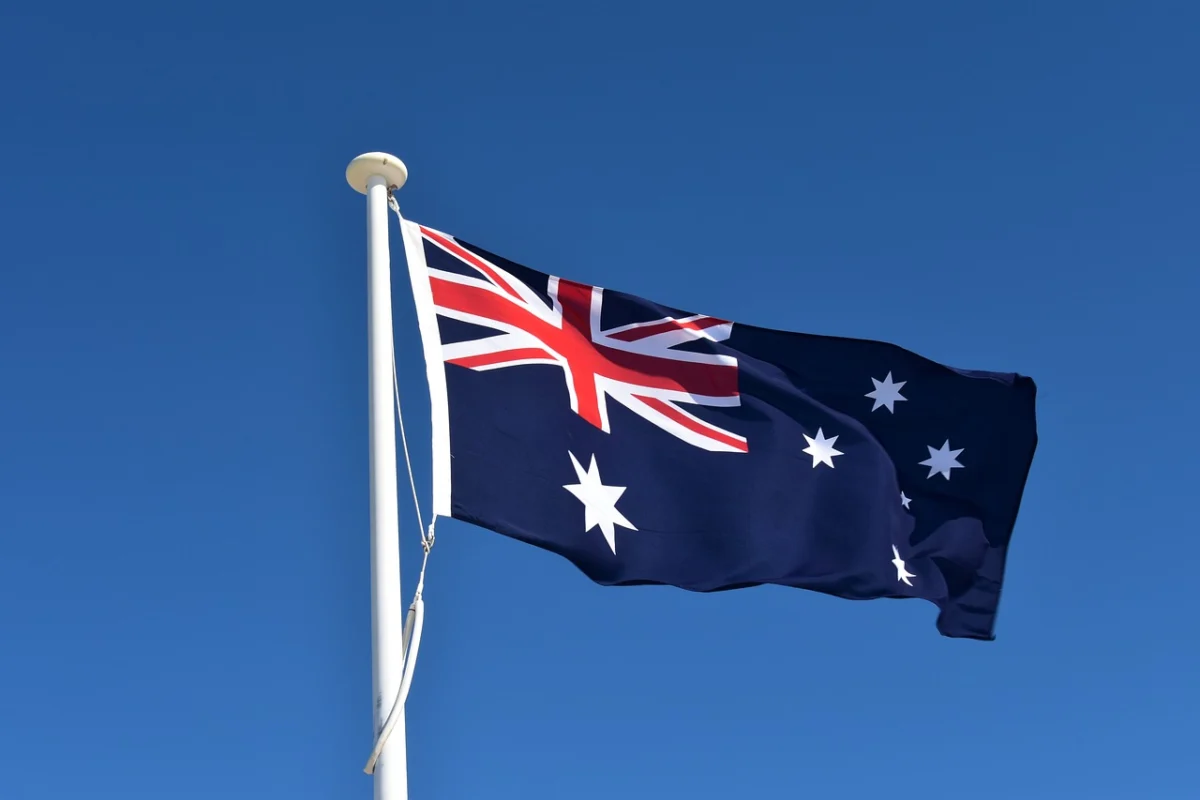
The Australian government is facing intensifying international scrutiny following a scathing report by Human Rights Watch (HRW) that accuses Canberra of systematically ignoring critical human rights obligations. The report, released this week, highlights Australia’s rejection of a majority of recommendations issued during its fourth Universal Periodic Review (UPR)—a flagship UN mechanism designed to hold member states accountable for their human rights records.
The data reveals a stark decline in Australia’s commitment to international standards. In its formal response to the January 2026 review, the Albanese government signaled its acceptance of only 38 percent of the suggestions provided by its peers. This figure represents a significant retreat from the 51 percent acceptance rate recorded in the previous 2021 cycle, signaling a hardening of policy in areas ranging from juvenile justice and Indigenous rights to climate mitigation.
The UPR Framework: A Mechanism of Accountability
The Universal Periodic Review is the cornerstone of the UN Human Rights Council’s effort to monitor adherence to the UN Charter and the Universal Declaration of Human Rights. Every five years, member states undergo a peer-based assessment, where they are evaluated against their treaty obligations and international law.
While the UPR is non-binding, it serves as a global barometer for a nation’s moral and legal standing. When a state repeatedly ignores recommendations, it invites diplomatic friction and potential intervention by UN monitoring bodies. By rejecting key proposals—such as the adoption of a national human rights act—the Australian government is signaling a preference for domestic policy autonomy over global consensus, a stance that is increasingly at odds with its aspirations for international leadership.
Chronology of the Disconnect: From 2021 to 2026
The trajectory of Australia’s human rights policy over the past five years illustrates a pattern of stagnation despite heightened international pressure.
- 2021 (Third UPR Cycle): Australia accepted roughly half of the recommendations proposed by the international community. At the time, there were promises of legislative reform, particularly regarding the treatment of detainees and Indigenous incarceration rates.
- 2023–2025: Human rights organizations, including Amnesty International, documented a persistent failure to meet these targets. Indigenous Australians continued to be disproportionately represented in the criminal justice system, and Australia’s climate policies remained tethered to fossil fuel expansion.
- January 2026 (Fourth UPR Cycle): The formal review took place in Geneva. International observers expressed frustration as the Australian delegation maintained a defensive posture on several key issues.
- June 2026: Following the submission of Australia’s written response, Human Rights Watch published its analysis, labeling the government’s approach as "performative," noting that the acceptance rate had plummeted to 38 percent.
Supporting Data: The Human Cost of Inaction
The HRW report and accompanying data from the Australian Institute of Health and Welfare (AIHW) paint a grim picture of systemic failure, particularly concerning First Nations children.
The Juvenile Justice Crisis
Despite repeated calls from the UN to raise the minimum age of criminal responsibility from 10 to 14, the Albanese government has maintained the status quo. The statistics surrounding this issue are profound:
- Disproportionality: Indigenous children constitute approximately 6 percent of the total Australian child population.
- Incarceration Rates: They account for a staggering 60 percent of all children in detention.
- Relative Risk: An Indigenous child in Australia is 23 times more likely to be under youth justice supervision and 27 times more likely to be incarcerated than a non-Indigenous peer.
These figures are not merely administrative data; they are a legacy of deep-seated systemic inequality. Advocacy groups argue that by keeping the age of criminal responsibility at 10, the government is effectively criminalizing childhood poverty and trauma, exacerbating the cycle of incarceration that has plagued Aboriginal and Torres Strait Islander communities for generations.
Climate Inaction as a Human Rights Violation
The intersection of climate policy and human rights has become a primary point of contention between Australia and its Pacific neighbors. As of 2025, Australia’s climate efforts have been rated as "insignificant" by global climate trackers.
Despite the urgency of the climate crisis, the Australian government extended its largest offshore gas project, an move slated to continue operations until 2070. Furthermore, Australia has failed to meet its obligations under the Paris Agreement to provide financial and technical support to low-income nations, particularly those in the Pacific region who are facing existential threats from rising sea levels.
Out of 17 recommendations specifically focused on climate action, Australia accepted only three. Notably, the government ignored pleas from vulnerable island nations, effectively sidelining the very countries most impacted by the carbon emissions generated by Australia’s domestic energy policies.
Official Responses and the "Hollow Words" Critique
The Australian government’s rhetoric often highlights a commitment to human rights, yet the disconnect between this language and its legislative agenda is becoming harder to ignore. In its response to the UPR, the government acknowledged that it "must do more to address the overrepresentation of Aboriginal and Torres Strait Islander peoples in the criminal justice system."
However, Annabel Hennessy, a researcher at Human Rights Watch, argues that such statements lack substantive backing. "Australia claims it takes human rights obligations seriously, yet ignored the majority of the recommendations resulting from the UN review process," Hennessy noted. "For years, other countries have called on Australia to stop incarcerating children as young as 10, end the offshore detention of asylum seekers, and take real action on climate change, yet Australia still refuses to act."
The government defends its position by emphasizing its sovereign right to determine domestic policy, particularly regarding criminal law and national security. Yet, this "sovereignty" argument is increasingly being met with skepticism by international human rights lawyers, who argue that treaty obligations—such as those under the Convention on the Rights of the Child—must supersede local political expediency.
Implications: A Global Reputation at Risk
As Australia prepares to host COP31, the UN’s annual climate conference later this year, the tension between its international image and its domestic policy has reached a boiling point. The government is attempting to frame itself as a leader in global climate action, yet it continues to greenlight fossil fuel projects that contradict the very goals it will be presiding over at the conference.
The Diplomatic Fallout
The failure to align with UN recommendations has several potential implications for Australia:
- Diplomatic Isolation: As a middle power, Australia relies heavily on international consensus and a rules-based order. By flouting UN recommendations, it risks losing the moral high ground, which could hamper its influence in regional security and trade negotiations.
- Legal Challenges: Domestic activists are increasingly turning to the courts, using international human rights standards to challenge government decisions on climate and detention, creating a volatile legal environment.
- Pressure from Pacific Partners: Australia’s relationship with its Pacific neighbors is central to its foreign policy. Continued inaction on climate change, particularly as it relates to the survival of these nations, threatens to undermine the diplomatic bonds Canberra has worked for decades to build.
Moving Forward: The Call for Concrete Action
The upcoming COP31 serves as a critical juncture for the Albanese government. Analysts suggest that if the government does not move beyond "hollow words" and implement concrete legislative changes—such as raising the age of criminal responsibility and committing to a phase-out of new fossil fuel projects—the conference may turn into a venue for protests and diplomatic embarrassment rather than a celebration of Australian leadership.
In conclusion, the gap between Australia’s self-proclaimed status as a champion of human rights and the reality revealed by the 2026 UPR is widening. Whether the government chooses to reconcile this gap through reform or continues its trajectory of resistance remains the defining human rights question for the remainder of the current administration’s term. The eyes of the international community are fixed on Canberra, waiting to see if policy will finally follow principle.