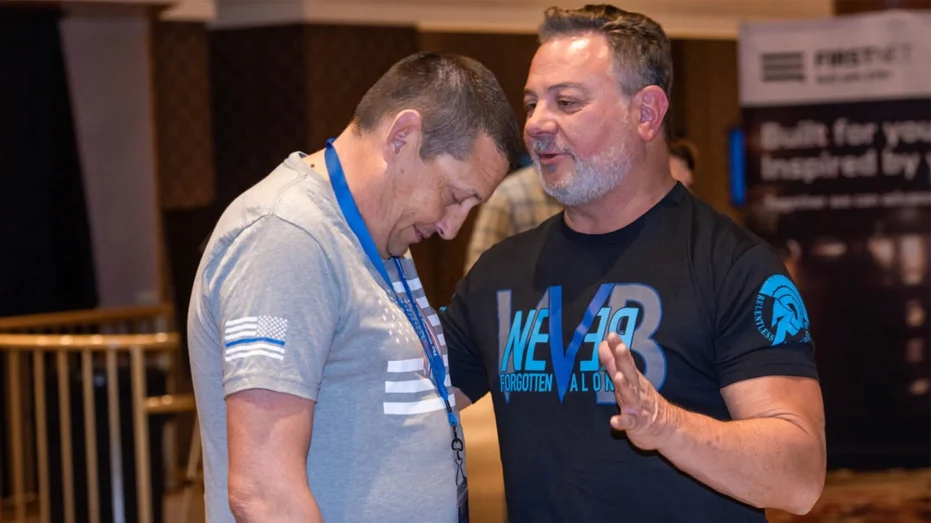
The hardest day in a wounded police officer’s life is rarely the day they are injured in the line of duty. For many, according to retired Las Vegas Metropolitan Police Department Lieutenant Randy Sutton, it is the day they realize they have been forgotten by the very communities and departments they vowed to protect.
Sutton knows this isolating reality firsthand. After surviving a career-ending stroke while on duty, the veteran officer found himself navigating a complex, often adversarial system to secure his medical benefits. This personal crisis became the catalyst for founding The Wounded Blue, a national nonprofit organization dedicated exclusively to supporting injured and disabled law enforcement officers.
Over the past eight years, the organization has emerged as a critical lifeline, providing peer support, legal advocacy, and emergency financial resources to more than 17,000 officers nationwide. As the United States approaches its semiquincentennial (250th birthday), Sutton and his team are urging the nation to reassess how it cares for its first responders long after the sirens fade and the headlines disappear.
Main Facts: The Mission and Infrastructure of "The Wounded Blue"
Founded to address a systemic void in post-injury care, The Wounded Blue operates on a peer-support model designed to combat the physical, psychological, and financial ruin that often accompanies a line-of-duty injury.
Key Pillars of the Organization:
- Peer Support Network: The core of the organization is its peer support team, which is composed entirely of retired and active-duty officers who have survived severe trauma, including shootings, stabbings, vehicular assaults, and severe post-traumatic stress (PTS).
- The "Never Forgotten. Never Alone." Motto: This guiding principle directly addresses the psychological isolation experienced by officers who are suddenly retired due to physical disability.
- National Law Enforcement Survival Summit: An annual event hosted by the nonprofit that brings injured officers and their spouses together to focus on holistic recovery, addressing the physical, emotional, psychological, and spiritual challenges of post-injury life.
- The "9-1-1 Campaign": A grassroots fundraising initiative asking citizens to donate $9.11 per month to sustain the group’s emergency medical and diagnostic advocacy programs.
Key Figures and Beneficiaries:
- Lt. Randy Sutton (Ret.): Founder and President of The Wounded Blue, a 34-year law enforcement veteran.
- "The Voice on the Phone": An anonymous philanthropist who stepped forward after seeing Sutton discuss the plight of injured officers on national television, funding critical medical interventions.
- Deputy Yates Rodney (Covington County Sheriff’s Office, MS): A deputy critically injured in an AK-47 ambush, representing the ongoing frontline dangers officers face.
- Devarjaye "DJ" Daniel: A Houston teenager battling terminal brain and spinal cancer, whom The Wounded Blue has supported in his honorary mission to be sworn in by over 1,000 law enforcement agencies nationwide.
Chronology: From Personal Crisis to National Movement
[2009-2015] Sutton serves as a highly decorated Las Vegas Police Lieutenant.
       │
[2015]      Sutton suffers a career-ending stroke on patrol; experiences institutional isolation.
       │
[2016]      Sutton receives flood of calls from wounded officers nationwide; identifies systemic gap.
       │
[2016]      "The Wounded Blue" is formally established.
       │
[2016-2024] Over 17,000 officers assisted; the "9-1-1 Campaign" and Survival Summit are launched.
       │
[Present]   Sutton continues bedside advocacy, recently supporting ambushed MS Deputy Yates Rodney.
The trajectory of The Wounded Blue is deeply intertwined with Randy Sutton’s personal story of survival and transition:
The Career-Ending Incident
During a routine night patrol on the Las Vegas Strip, Sutton began experiencing acute neurological symptoms. "I literally felt my brain slowing down," he recalled. "I stopped the car and said, ‘Get me medical. I’m having a stroke.’"
The medical emergency saved his life but abruptly ended his 34-year career. The sudden transition from active-duty lieutenant to disabled retiree triggered a profound identity crisis. "I lost my career. I lost my identity," Sutton said.
Identifying a National Crisis
While fighting a bureaucratic battle to secure his retirement and medical benefits, Sutton began receiving unsolicited correspondence from officers across the country. These individuals detailed catastrophic injuries—ranging from gunshot wounds to paralysis from drunk driving collisions—coupled with stories of being abandoned by their municipalities. Recognizing that no national safety net existed specifically for disabled officers, Sutton founded The Wounded Blue.
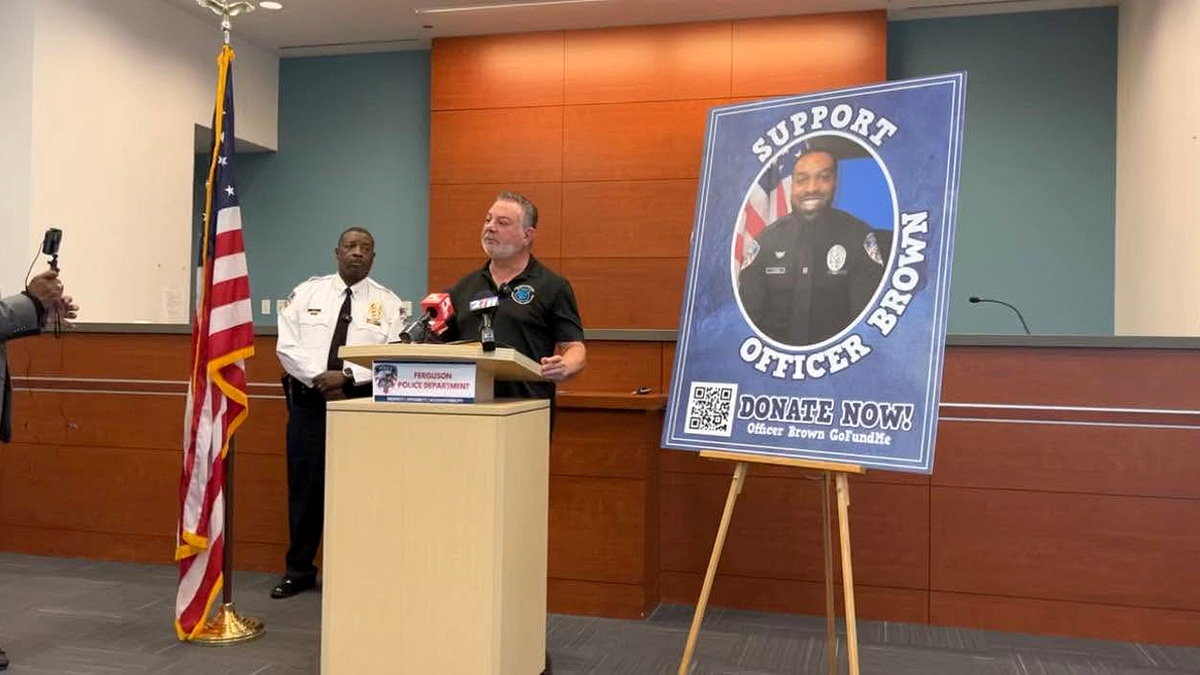
The Evolution of Advocacy
Over the subsequent eight years, the nonprofit expanded from a grassroots helpline to a sophisticated advocacy network. This timeline includes the integration of major philanthropic partners, the creation of the National Law Enforcement Survival Summit, and direct bedside intervention programs in hospitals nationwide.
Supporting Data: The Hidden Toll of Law Enforcement Injuries
The necessity of organizations like The Wounded Blue is underscored by sobering statistics regarding law enforcement safety and the long-term consequences of career-ending injuries in the United States.
| Metric / Issue | Statistical Reality & Impact |
|---|---|
| Annual Line-of-Duty Injuries | According to the Department of Justice, tens of thousands of officers are injured in the line of duty annually, with thousands suffering permanent, career-ending disabilities. |
| The Psychological Toll | Studies show first responders experience PTSD at rates comparable to military veterans. The sudden loss of employment and peer networks exacerbates depression, leading to elevated suicide risks. |
| The Adversarial Benefits System | Wounded officers frequently face prolonged litigation with municipal workers’ compensation boards. In many jurisdictions, specialized prosthetics, advanced spinal surgeries, and long-term mental health therapies are routinely denied. |
| The Wounded Blue’s Impact | To date, the organization has provided direct peer counseling, legal guidance, or financial assistance to more than 17,000 officers across all 50 states. |
Official Responses and Institutional Challenges
The experiences of officers assisted by The Wounded Blue highlight a recurring tension between injured personnel and municipal administrations.
The Case of the Utah Highway Patrol Officer
A Utah police officer lost his leg after being struck by a tractor-trailer operated by a driver under the influence of cocaine. Despite his sacrifice, the officer’s department and insurance providers failed to provide adequate long-term care, leaving him with a severely worn, ill-fitting prosthetic device. Sutton noted that the officer was essentially "walking around on a bloody stump" because the municipality refused to fund a high-activity replacement.
The Wounded Blue intervened after securing a commitment from their anonymous donor, who remarked, "That man’s a hero. He deserves the best prosthetic leg money can buy." The organization funded a new prosthetic valued at over $117,000 and collaborated with corporate partners to completely renovate the officer’s home to accommodate his disability.
The Case of the Texas Police Officer
In Texas, an officer suffered a catastrophic spinal injury during a physical struggle with a suspect. Following 16 unsuccessful, highly invasive surgeries, medical professionals informed him he would spend the remainder of his life paralyzed.
Local administrative systems provided minimal resources for long-term rehabilitation. The Wounded Blue initially stepped in to purchase a specialized wheelchair, subsequently utilizing their philanthropic network to connect the officer with a world-renowned neurosurgeon. Following advanced corrective surgery funded through these private channels, the officer defied his prognosis. Three months ago, he was able to stand and dance with his daughter at her wedding.
Implications: Redefining the Covenant with First Responders
The growth of The Wounded Blue points to significant systemic deficiencies in how local, state, and federal governments manage the long-term welfare of disabled first responders.

The Need for Legislative and Structural Reform
The fact that a national nonprofit must rely on anonymous donors to fund basic necessities—such as functional prosthetics and spinal surgeries—reveals a structural failure in municipal workers’ compensation frameworks. Policy analysts suggest that state legislatures must establish presumption laws and guaranteed long-term healthcare standards for officers permanently disabled in the line of duty.
The Efficacy of Peer-Led Recovery
The Wounded Blue’s operational model demonstrates that clinical medical care is insufficient without psychological and peer-driven support. By employing counselors who have survived similar traumas, the organization provides a level of empathy and understanding that traditional municipal employee assistance programs (EAPs) cannot replicate.
A Call for National Reflection
As the United States prepares to celebrate its 250th anniversary, Randy Sutton argues that true patriotism and community support must extend beyond rhetorical gratitude.
"The men and women serving today are heroes," Sutton emphasized. "They’re willing to give their lives for their communities." For Sutton and the thousands of officers his organization represents, a society’s character is measured not by how it cheers for its heroes on the streets, but by how it cares for them once they are broken.