The landscape of the American automotive market is undergoing a seismic shift. For Polestar, the Swedish performance electric vehicle manufacturer, that shift has culminated in an abrupt and definitive exit. Due to stringent new regulations regarding connected vehicle technology, Polestar will be effectively barred from selling new vehicles in the United States starting with the 2027 model year. This departure marks the end of a bold, design-forward chapter for the brand in North America, leaving behind a complex legacy—and a warehouse full of inventory that is currently being liquidated at unprecedented price points.
The Regulatory Catalyst: The Connected Vehicles Rule
The demise of Polestar’s U.S. operations is not the result of a sudden failure in product quality or a lack of consumer interest, but rather the consequence of the U.S. Department of Commerce’s newly implemented "Connected Vehicles Rule."
Modern automobiles have evolved into sophisticated data hubs. They rely on complex software suites, cellular connectivity, and integrated hardware to manage everything from over-the-air (OTA) updates to advanced driver-assistance systems (ADAS). The U.S. government, citing national security concerns, has instituted strict prohibitions on the use of certain hardware and software components originating from "foreign adversaries"—specifically targeting Chinese-linked technology integrated into the vehicle’s connectivity and autonomous driving stacks.
Because Polestar’s supply chain and software architecture—heavily intertwined with its parent company, Geely—could not be sufficiently decoupled or re-engineered to meet these rigorous federal standards by the implementation deadline, the brand has been forced to concede the market. For the 2027 model year, the doors will effectively close for new Polestar vehicle registrations and sales across the United States.
A Chronology of a Short-Lived Presence
Polestar’s journey in the U.S. has been a whirlwind of high-concept design and aggressive electrification goals.
- 2017: Volvo Cars and Geely announce that Polestar will transition from a racing and tuning division into a standalone premium electric performance brand.
- 2020: The Polestar 2 officially launches in the U.S. market, positioning itself as a direct, minimalist competitor to the Tesla Model 3.
- 2022: The company goes public via a SPAC merger, signaling high ambitions for global scale and production expansion.
- 2024: The Polestar 3 and Polestar 4 SUVs are introduced to the American market, marking a shift toward the high-volume SUV segment.
- 2025: The U.S. Department of Commerce unveils final details on the Connected Vehicles Rule, creating an insurmountable barrier for Polestar’s existing software-hardware ecosystem.
- 2026: Polestar announces its official exit strategy, transitioning from a sales-focused entity to a clearance-oriented model.
The "Vampire Car" Phenomenon: Unprecedented Discounts
As the brand prepares to exit, it has initiated a massive inventory clearance event. For the savvy, risk-tolerant consumer, this presents a unique economic anomaly: the opportunity to purchase high-end electric performance vehicles at mid-market economy prices.
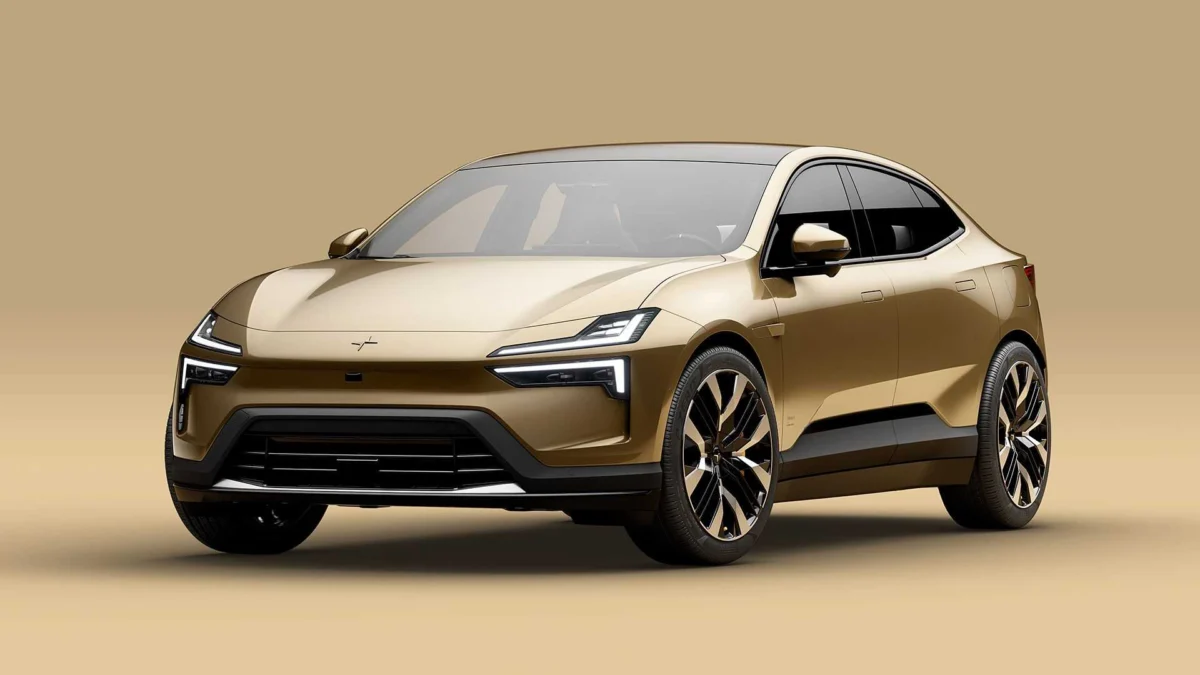
Effective July 1, 2026, through July 31, 2026, Polestar is offering a staggering "$25,000 Polestar Clean Vehicle Incentive" on the Polestar 4. However, there is a catch: the incentive is strictly applicable to cash purchases.
Breaking Down the Math
The economics of this deal are transformative for the segment. A standard 2026 Polestar 4, typically priced at $57,800 for the long-range single-motor variant, drops to a net price of $32,800 after the incentive. To put this in perspective, that price point competes directly with a mid-trim Toyota Camry or a base-level Honda CR-V.
For those seeking more performance, the dual-motor variant, which originally retailed at $64,300, is now effectively $39,300. The performance metrics are substantial:
- Single Motor: 272 horsepower with a range of 310 miles.
- Dual Motor: 544 horsepower with a range of 280 miles.
This price-to-performance ratio is essentially unheard of in the current EV market. However, industry analysts refer to these as "vampire cars"—vehicles from a dead or exiting brand that may suffer from long-term depreciation, software support stagnation, and parts scarcity.
Leasing: A Strategic Hedge
For buyers who are hesitant to commit to full ownership of a "dead" brand, Polestar has introduced aggressive leasing terms. A 39-month lease on a Polestar 4 can be secured for as little as $399 per month with only $1,000 down, supported by a $19,000 incentive.

Leasing offers a distinct advantage in this scenario: risk mitigation. By leasing the vehicle, the consumer effectively offloads the long-term burden of brand-specific repairs and the impending depreciation cliff to the lessor. Once the lease expires, the vehicle is returned, leaving the user with no long-term financial exposure to a brand that no longer maintains a physical dealer presence or service network in the country.
The Maintenance Conundrum: Who Fixes the Car?
The primary question for current and prospective owners is the future of service. When a manufacturer exits a market, the supply chain for proprietary parts often dries up, and authorized service centers vanish.
Motor1 has reached out to Volvo—which shares significant architecture, platforms, and manufacturing DNA with Polestar—to determine if Volvo service centers will continue to provide maintenance, software support, and hardware repairs for the existing fleet of Polestars. Historically, when brands like Saab or Suzuki exited the U.S., owners faced significant hurdles in securing OEM parts and specialized diagnostic equipment.
If Volvo declines to provide a "safety net" for the brand, owners will be forced to rely on independent shops, which may struggle with proprietary Polestar software updates and specialized battery management systems. This creates a significant "technological obsolescence" risk for the vehicles.
Economic and Industrial Implications
The exit of Polestar is a microcosm of the growing friction between global automotive manufacturing and national security-driven trade policy. As the automotive industry becomes increasingly software-defined, the ability of a vehicle to comply with domestic cybersecurity regulations becomes as important as its horsepower or range.
For the broader industry, this serves as a warning: companies that rely on international, highly integrated supply chains must ensure that their digital architecture is compliant with the geopolitical climate of the regions in which they operate. For Polestar, the inability to navigate these regulatory waters has turned a promising technological venture into a cautionary tale.
Conclusion: Is the Deal Worth It?
Is it worth buying a car from a company that will no longer exist in the U.S. in less than two years? The answer depends entirely on the buyer’s risk appetite.
If the goal is to drive a high-performance, aesthetically pleasing, and technologically advanced electric vehicle for a fraction of the cost, the current inventory clearance is an incredible, once-in-a-lifetime opportunity. A $32,800 Polestar 4 offers driving dynamics and design that are simply not available at that price point elsewhere.
However, buyers must be prepared for the reality of owning an orphaned vehicle. Potential issues include:
- Diminished Resale Value: The "orphan" status will likely depress future resale value significantly.
- Service Uncertainty: Without a clear commitment from a service network, simple repairs could become major logistical challenges.
- Software Support: As the manufacturer exits the market, OTA updates may cease, potentially leaving the vehicle’s infotainment and connectivity features stagnant as the rest of the world moves forward.
As July 31, 2026, approaches, the window for this unique opportunity is closing. While the brand is effectively dead in the U.S., the cars themselves remain a testament to a vision of motoring that, for better or worse, has been sidelined by the complexities of modern global policy. Prospective buyers should weigh the thrill of the discount against the cold reality of the long-term maintenance and ownership challenges that lie ahead.