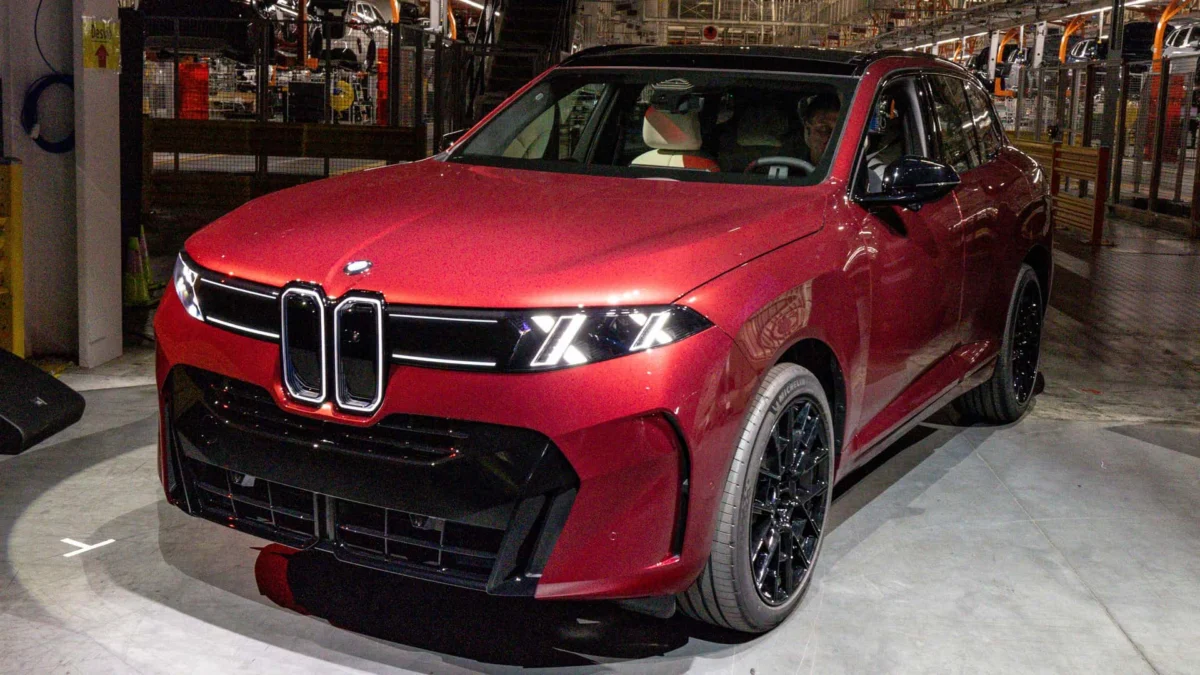
The automotive landscape is currently defined by a frantic race toward electrification, yet in the heart of Munich, a different narrative is being written. When BMW unveiled the fifth generation of its iconic X5, the headlines focused on the unprecedented diversity of its powertrain lineup: gasoline, diesel, plug-in hybrid, electric, and hydrogen fuel cell. While this "Power of Choice" strategy marks a significant milestone for the brand, enthusiasts were quick to notice a glaring omission in the launch lineup: the absence of the legendary V8 engine.
However, the silence is only temporary. Buried within the technical specifications of the Spartanburg-built SUV is a clear confirmation that the eight-cylinder engine is not only surviving but thriving in the new generation. While the initial market rollout focuses on inline-six configurations, BMW is preparing an M Performance variant that will keep the spirit of high-displacement performance alive well into the late 2020s and beyond.
The Strategy Behind the "M Lite" Evolution
BMW’s approach to the next iteration of the high-performance X5 marks a shift in branding and engineering philosophy. While the company is remaining tight-lipped about the official nomenclature, industry experts widely expect the model to be dubbed the "X5 M60."
Crucially, the "i" suffix—long a staple of BMW’s gasoline-powered nomenclature—is being phased out to avoid confusion with the brand’s rapidly expanding "i" series of dedicated electric vehicles (EVs). In this new era, the letter "i" will be reserved exclusively for battery-electric models. Consequently, the upcoming V8-powered SUV will shed the suffix, signaling a return to a more traditional naming convention for combustion-powered performance vehicles.
This upcoming model will not be a "full-fat" X5 M, but rather an M Performance derivative. By positioning the V8 in the M60 tier, BMW aims to balance the visceral, raw appeal of an eight-cylinder engine with the refined usability expected of an M Performance vehicle. It serves as a bridge for buyers who desire the character of a twin-turbocharged 4.4-liter V8 without the extreme track-focused rigidity of a top-tier M car.
A Chronology of the V8 Revival
The rollout of the new X5 family is a staggered process, designed to cater to varying global market demands and regulatory timelines.
- Launch Phase (2025–2026): BMW has prioritized efficiency and mainstream demand, launching with a comprehensive range of inline-six engines. These units leverage mild-hybrid technology to meet increasingly stringent fleet average emission targets while maintaining the smoothness that has long defined the BMW driving experience.
- The V8 Arrival (2027): This is the pivotal year for the internal combustion engine (ICE) purist. BMW has confirmed that the V8-powered X5 M60 will debut as part of the broader expansion of the lineup. This release coincides with the anticipated refresh cycles for other high-end models in the BMW portfolio, such as the X7 and the 7 Series.
- The 2028 and Beyond Horizon: Looking toward the end of the decade, the industry expects a full-fat X5 M to arrive. Whether this will adopt a pure gasoline powertrain or follow the path of the current XM—which utilizes a high-performance plug-in hybrid setup—remains the subject of intense speculation. However, given BMW’s long-term commitment to its modular engine architecture, the V8 is expected to remain a centerpiece of its performance offerings through the early 2030s.
Engineering the Future: The Case Against the PHEV "Weight Penalty"
One of the most compelling aspects of the upcoming X5 M60 is BMW’s decision to avoid a heavy plug-in hybrid (PHEV) architecture for its primary V8 performance model. While plug-in hybrids are excellent for short-distance electric commuting and tax incentives, they bring a massive weight penalty due to large battery packs and electric motors.
For the X5 M60, BMW appears to be favoring a traditional, albeit modern, twin-turbocharged 4.4-liter V8, likely paired with a 48-volt mild-hybrid system. This configuration is a strategic choice:
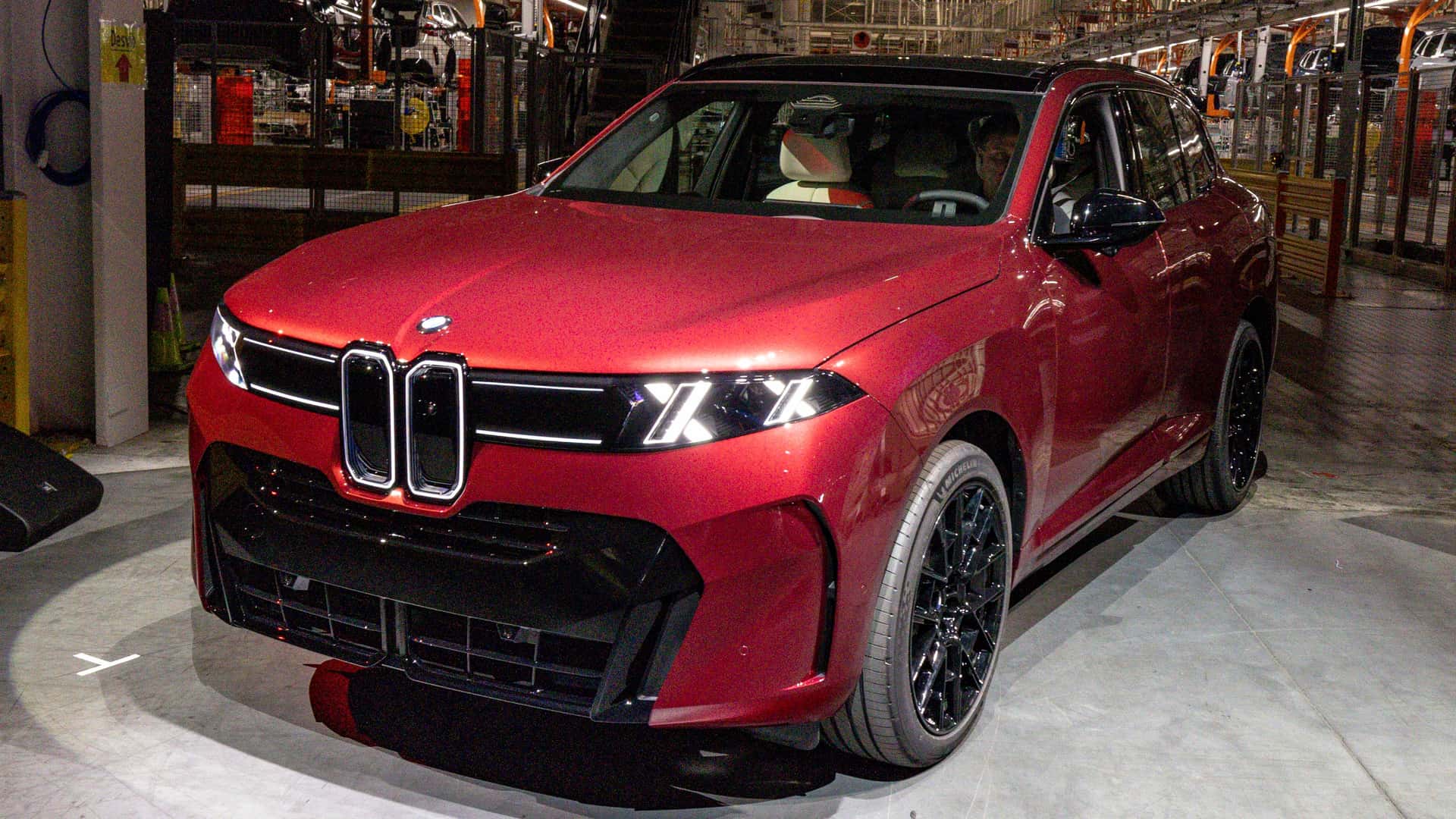
- Weight Management: By opting for a 48-volt system rather than a full PHEV setup, the vehicle maintains better handling dynamics and agility, crucial for a performance SUV.
- Uninterrupted Character: The V8 experience is often diluted by the complex integration of electric motors and battery cooling systems. A mild-hybrid V8 retains the "soul" of the engine—the throttle response, the torque curve, and the distinct acoustic signature—that loyalists crave.
- Global Regulatory Compliance: While Euro 7 standards are daunting, BMW has demonstrated that it can adapt its flagship engines to meet these requirements through advanced catalytic conversion technology and software optimization, rather than relying solely on electrification to mask emissions.
Implications for the Wider BMW Portfolio
The persistence of the V8 in the X5 is not an isolated incident; it is a clear indicator of BMW’s overarching strategy for its luxury flagship segment. The company has confirmed that the 7 Series will receive a V8-powered M Performance variant in 2027, and the next-generation X7 is almost certain to follow suit.
Even the Alpina division, recently integrated into the BMW Group, is doubling down on this trend. Alpina is currently developing a high-performance, V8-powered version of the 7 Series, signaling that there is still a robust market for large-displacement, high-output engines among the most discerning luxury consumers.
Furthermore, the existence of the 6.75-liter V12 engine at the Hams Hall facility in the UK—exclusive to Rolls-Royce—shows that the BMW Group still possesses the engineering capability to produce massive engines. While the V12 is currently destined only for the ultra-luxury Goodwood stable, its continued production proves that the Group is not ready to turn its back on high-cylinder-count engines, regardless of the industry’s broader shift toward EVs.
The Challenge of Euro 7 and Global Emissions
The primary shadow hanging over this V8 resurgence is the tightening grip of emissions legislation. In markets adhering to strict Euro 7 standards, BMW has previously had to detune its 4.4-liter engine to ensure compliance. This raises a significant question for enthusiasts: will the new X5 M60 be "castrated" by software to meet regulatory hurdles?
The answer likely lies in the market geography. While European models may face tighter output restrictions, North American and Middle Eastern markets—where such regulations are less restrictive—will likely enjoy the full, unbridled power of the Bavarian-bred V8. BMW is masterful at calibrating its powertrains to meet local requirements without compromising the fundamental character of the engine, and the M60 will undoubtedly be a showcase of this engineering versatility.
Final Perspective: A Footnote or a Statement?
At first glance, the V8-powered X5 might appear to be a footnote in a massive press release detailing electric and hydrogen futures. However, this is a misinterpretation of BMW’s strategy. BMW has never officially declared a hard deadline for the end of the combustion engine. Instead, they have promised to offer what the customer wants, where they want it.
As competitors like Mercedes-AMG have recently made headlines by recommitting to V8 engines after a brief flirtation with downsized four-cylinder hybrids, it is clear that the "V8 war" is not over. It has simply entered a new, more sophisticated phase. The 2027 X5 M60 is not a relic of the past; it is a high-tech, highly efficient, and deeply emotional response to a market that is not yet ready to trade the roar of a V8 for the silence of an electric motor.
For those who value the mechanical complexity and the visceral engagement of a traditional engine, the future remains bright. The X5, once again, proves to be the bellwether for BMW’s identity—a vehicle that can embrace the future while firmly anchoring itself in the traditions that built the brand’s reputation. As we approach 2027, the message from Munich is clear: the V8 is not going anywhere, and in the case of the new X5, the best is yet to come.