For generations, the shortbread cookie has occupied a sacred space in the pantheon of confections. Characterized by its deceptively simple ingredient list—typically butter, sugar, and flour—this Scottish staple demands perfection in both technique and ingredient quality. While grocery store aisles are crowded with legacy brands like Pepperidge Farm and the nostalgic, mass-market Lorna Doone, the landscape of high-quality, accessible shortbread has shifted.
A recent comprehensive analysis conducted by Tasting Table, which evaluated 12 prominent store-bought varieties, has crowned a definitive victor: Walker’s All-Butter Shortbread Rounds. This article explores the cultural, culinary, and commercial implications of this ranking, examining why this Scottish heritage brand continues to outperform its competitors in an increasingly competitive snack market.
Main Facts: The Anatomy of a Winning Cookie
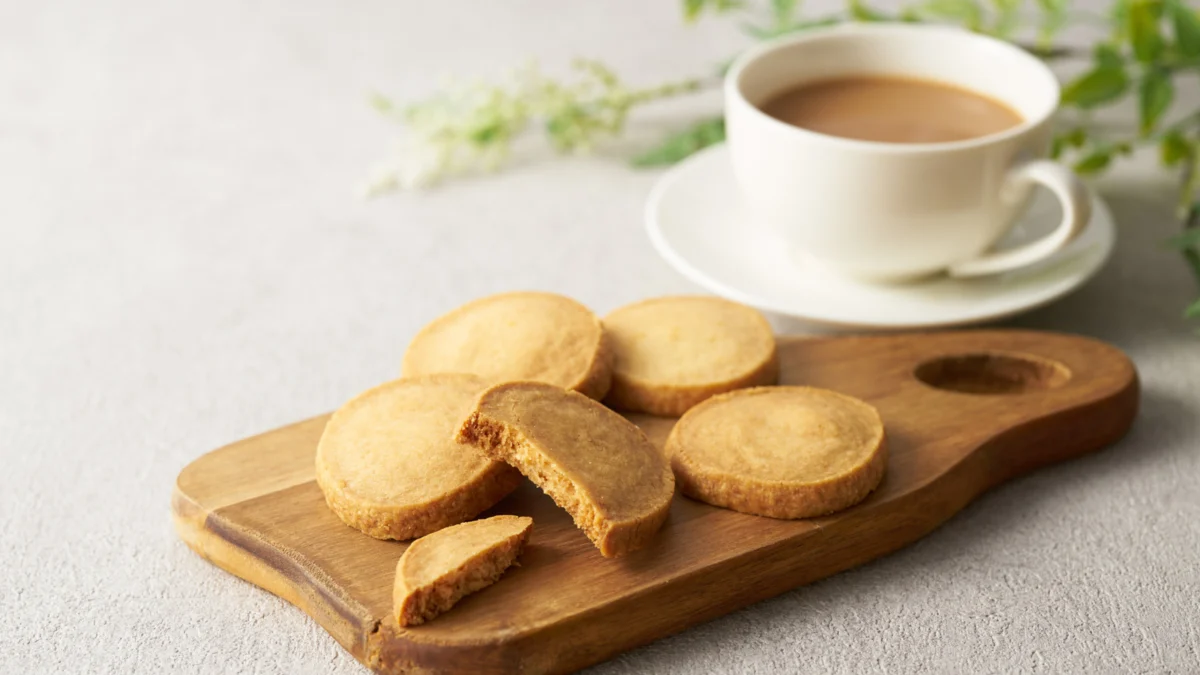
When assessing shortbread, the criteria are uncompromising. The ideal shortbread must possess a specific structural integrity: it should be firm enough to withstand transport and presentation, yet possess a "melt-in-the-mouth" quality that signals a high butter-to-flour ratio.
The recent study focused on three primary metrics: texture, flavor profile, and butter content. While many commercial cookies rely on emulsifiers, artificial flavors, or palm oil to achieve a long shelf life, Walker’s maintains a commitment to the traditional "four-ingredient" philosophy. This adherence to a time-tested recipe is the core reason for its top-tier status. Unlike the lighter, crisper, and sometimes overly processed texture of mass-market competitors, Walker’s offers a dense, rich, and crumbly experience that satisfies the palate’s demand for authentic, high-fat dairy flavor.
Chronology: A Legacy Built in 1898
The ascendancy of Walker’s is not a recent marketing phenomenon but the result of over a century of brand consistency.
- 1898: Joseph Walker opens his first bakery in the village of Aberlour, Speyside, Scotland, with a loan of £50. His mission was simple: to create the world’s finest shortbread.
- Early 20th Century: The brand expands its reach, moving from a local village favorite to a regional success, maintaining the same family-led production methods.
- Late 20th Century: Walker’s gains international prominence, becoming the gold standard for imported Scottish shortbread in North American and European grocery chains.
- 2026 (Present Day): In a comparative study of 12 modern, store-bought shortbread cookies, Walker’s All-Butter Shortbread Rounds are officially ranked as the market leader, surpassing legacy household names that have dominated the shelf space for decades.
Supporting Data: The Voice of the Consumer
The superiority of Walker’s is not merely the opinion of culinary experts; it is mirrored in the overwhelming consensus of the public. Consumer feedback platforms and social media groups, such as the "Dull Men’s Club" on Facebook and various community forums on Reddit, reveal a consistent narrative.
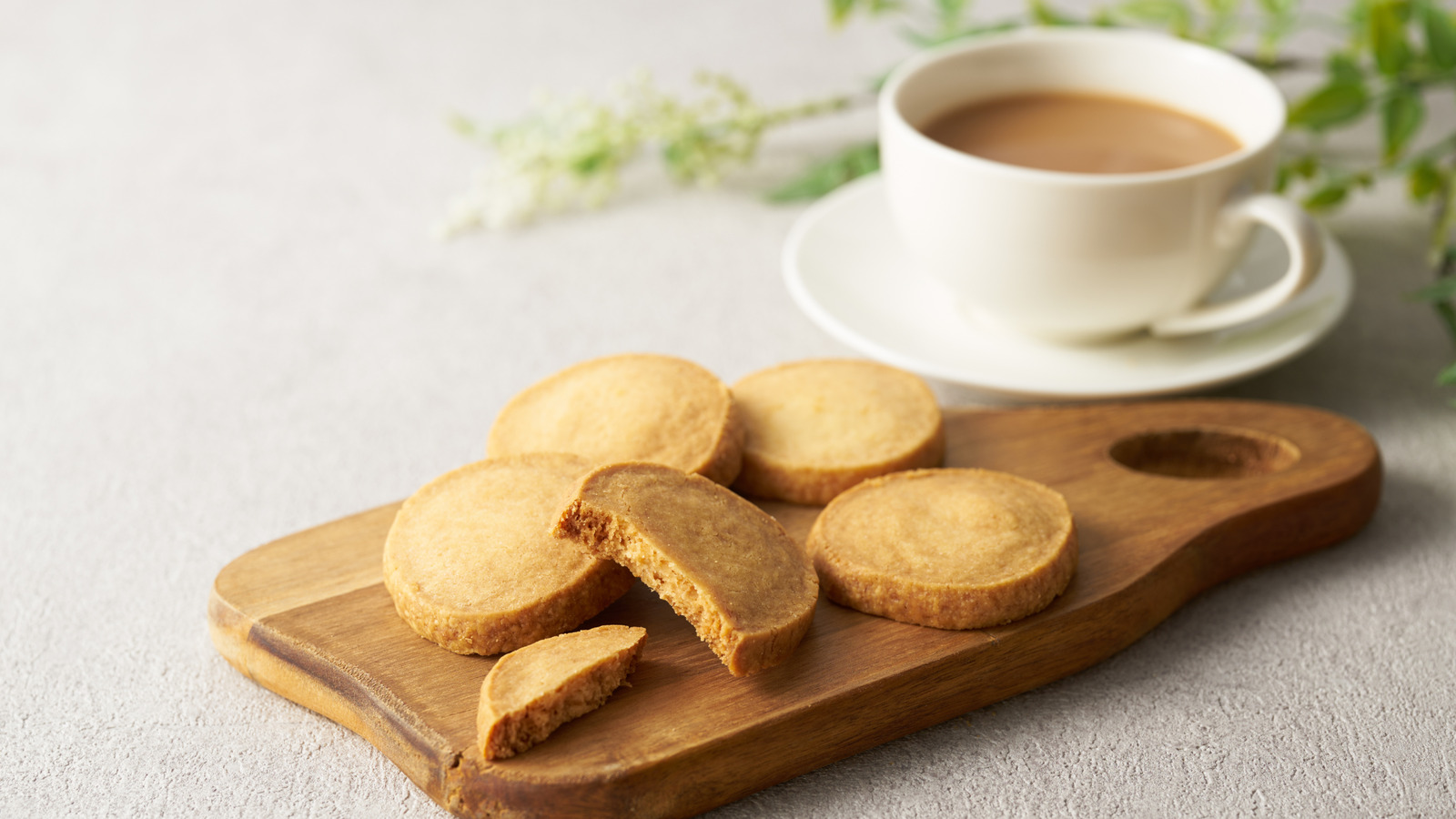
One user noted, "They have the wonderful buttery taste of a shortbread cookie and aren’t too sweet. To say I’m addicted is maybe a slight exaggeration." This sentiment highlights a crucial point: modern consumers are increasingly wary of "sugar-bombs." By keeping the sugar content balanced, Walker’s allows the creaminess of the butter to take center stage.
However, the discourse is not without nuance. Reddit threads discussing the brand reflect a common sentiment among home bakers: while Walker’s is undoubtedly the king of the grocery store aisle, some purists argue it still falls short of the "homemade" standard set by ancestral recipes. As one Reddit user pointed out, "It’s decent quality but not anywhere near as good as the stuff your Grannie made." This acknowledgment underscores the divide between "convenience" and "craft," yet confirms that Walker’s is the only commercial option that even enters the conversation of high-quality, traditional baking.
Official Perspectives: The Industry Response
While major players like Pepperidge Farm and Nabisco (the makers of Lorna Doone) have not issued formal responses to individual taste-test rankings, industry analysts note that these brands operate on a different business model. Legacy American brands often prioritize mass-market appeal, shelf stability, and cost-effectiveness.
In contrast, Walker’s maintains a "heritage" brand position. By focusing on a "pure" ingredient list—butter, wheat flour, sugar, and salt—the company has insulated itself from the trend of "ultra-processed" foods. This strategy has paid off. In an era where labels are scrutinized more than ever, the simplicity of the Walker’s ingredient list acts as a seal of quality that resonates with the health-conscious and the gourmet-minded alike.
Implications for the Grocery Market
The shift toward premium, heritage-style shortbread has significant implications for how grocery stores manage their snack aisles.
1. The Death of the "Generic" Craving
As consumers become more discerning, the market share for highly processed, mass-market butter cookies is shrinking. The success of a brand like Walker’s suggests that shoppers are willing to pay a premium for a product that mimics the quality of a local bakery.
2. The Logistics of Fragility
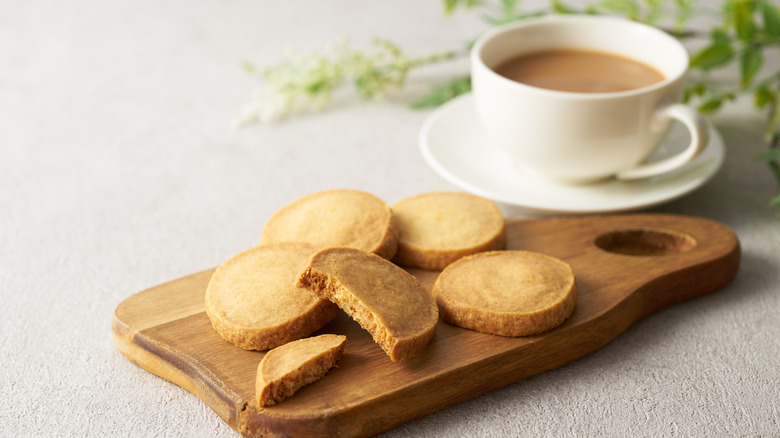
A notable drawback to high-quality, butter-heavy shortbread is its inherent fragility. As reported by consumers, shipments of Walker’s occasionally arrive with broken pieces. This presents a challenge for e-commerce retailers. The "aesthetic presentation" required for tea parties and events means that in-store purchasing—where the consumer can personally vet the integrity of the box—remains the preferred method for many, creating a unique advantage for brick-and-mortar grocers over online delivery services.
3. Diversification of the Portfolio
The brand’s ability to stay relevant by diversifying its offerings—including chocolate chip shortbread, fingers, and "Highlanders"—shows an understanding of the modern palate. By maintaining a core "classic" product while offering variety, the company captures both the traditionalist and the experimental consumer.
Conclusion: A Joy of Simple Living
While the debate over what constitutes the "perfect" cookie may never truly end, the current consensus is clear. In the battle of the grocery store aisle, the winner is the brand that remains the most faithful to the original, humble recipe.
Whether it is served alongside a piping hot cup of Earl Grey, enjoyed as an afternoon treat, or broken up over vanilla ice cream, the store-bought shortbread has evolved from a simple pantry staple to a curated experience. For those who lack the time to bake from scratch—a labor-intensive process involving the precise temperature control of butter and the slow, twice-baked method—Walker’s provides a reliable, high-quality substitute.
As we move forward, the "Goodbye to the Classics" trend serves as a reminder to consumers everywhere: the best products are often those that refuse to modernize their ingredients in favor of mass-market efficiency. In the case of shortbread, butter is not just an ingredient; it is the entire experience. And in that regard, the Scottish heritage of Walker’s continues to define the standard, turning a simple, store-bought cookie into one of life’s most consistent and accessible joys.