Introduction: A Transatlantic Takeover
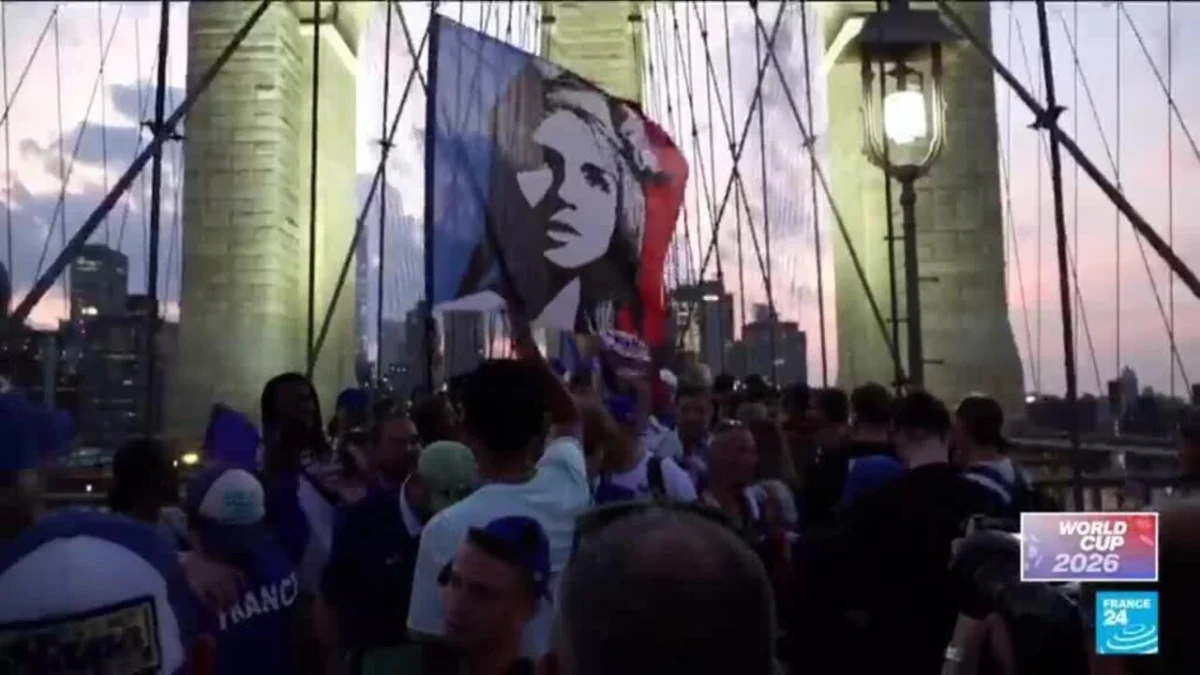
The iconic suspension cables of the Brooklyn Bridge, a structure synonymous with the grit and grandeur of New York City, served as an unlikely stage this week for a massive outpouring of European football fervor. Hundreds of French expatriates and traveling supporters descended upon the landmark, transforming the walkway into a sea of bleu, blanc, et rouge.
As France prepares for a high-stakes clash against Sweden, the scenes in New York underscore a growing trend: the globalization of national football identities. What was once a local event confined to Parisian bistros has spilled over into the heart of the American metropolis, highlighting the passion of the diaspora and the intense stakes of the upcoming match.
Main Facts: The Stakes of the Encounter
The upcoming fixture between France and Sweden is not merely a game; it is a pivotal moment in the tournament’s qualifying trajectory. With both teams vying for critical points, the tactical implications are profound.
- The Venue: The match is scheduled to be a defensive test for the Swedish side, who have historically struggled against the pace of the French wingers.
- The Fan Phenomenon: The Brooklyn Bridge demonstration, while festive, reflects the high pressure surrounding the squad. Supporters cited the need for “national pride on foreign soil” as the primary motivator for the gathering.
- Tactical Outlook: France enters the match with a revamped midfield, aiming to exploit the tactical gaps left by the Swedish counter-attacking style.
The match represents a "must-win" scenario for both camps. For France, a victory secures a comfortable cushion at the top of the table. For Sweden, a draw—or a miracle win—is essential to keep their hopes of automatic qualification alive.
Chronology: The Road to the Brooklyn Bridge
The build-up to this spectacle did not happen overnight. The following timeline outlines the progression of the fan movement and the administrative preparation leading up to the game.
Phase 1: The Digital Mobilization (T-minus 14 days)
Following the announcement of the fixture list, fan groups across the United States began coordinating on encrypted messaging apps. The goal was simple: demonstrate that the "Les Bleus" support base is global, not just continental.
Phase 2: Logistics and Permits (T-minus 7 days)
Organizers worked with local authorities to ensure the Brooklyn Bridge march remained peaceful. Unlike spontaneous protests, this was a highly curated display of national identity, featuring orchestrated chants and synchronized flag-waving.
Phase 3: The Gathering (The Day Of)
As dawn broke over the East River, supporters began to congregate at the Manhattan entrance. By midday, the bridge was effectively occupied by fans singing "La Marseillaise." Traffic was intermittently delayed, though the New York Police Department (NYPD) reported no major incidents, characterizing the event as a “passionate but orderly expression of fandom.”
Supporting Data: Why This Match Matters
Statistically, the France-Sweden rivalry is one of the most balanced in European football. Analyzing the last five years of head-to-head play reveals a narrative of narrow margins.
| Metric | France (Last 10 Games) | Sweden (Last 10 Games) |
|---|---|---|
| Win Rate | 70% | 45% |
| Average Goals Scored | 2.1 | 1.4 |
| Average Goals Conceded | 0.8 | 1.2 |
The data suggests that France has the edge in creative play, while Sweden excels in set-piece situations—an area where they have historically punished the French defense. Analysts suggest that the Brooklyn display acts as a morale booster, potentially providing the French side with the "psychological home-field advantage" they need to overcome Sweden’s rigid defensive structure.
Official Responses and Perspectives
The French Football Federation (FFF)
In an official statement, the FFF acknowledged the support of the diaspora, noting, "The images from New York remind us that the French national team is supported by a community that transcends borders. It is a source of immense pride for our players to know that, even thousands of miles away, the colors of our flag are held high."

The Swedish Delegation
Conversely, the Swedish camp has taken a more reserved approach. Their head coach emphasized focus over fanfare. "We are aware of the noise, but we are here to play football. The Brooklyn Bridge is a beautiful piece of architecture, but it doesn’t change the dimensions of the pitch. We remain focused on the tactical execution."
Local Authorities
New York City officials noted that while they respect the right to gather, they are balancing the city’s logistical needs with the fans’ desire for expression. "We appreciate the international flavor that these events bring to our city," said a spokesperson for the Mayor’s office. "However, the primary goal remains ensuring the safety of all commuters and pedestrians."
Implications: The Globalization of Football Culture
The spectacle on the Brooklyn Bridge is more than just a pre-game ritual; it is a symptom of the changing landscape of international sport.
The "Home Away from Home" Effect
Modern football is no longer tied to geographical proximity. The migration of fans to major global hubs like New York City means that national teams now have a "shadow" following in major cities worldwide. This creates a new layer of pressure for players: the expectation to perform for a global audience that demands excellence regardless of the time zone.
Economic and Cultural Impact
The gathering also highlights the economic power of fan travel. The hospitality industry in New York sees a measurable uptick during these "international invasion" events. Hotels, bars, and restaurants benefit from the influx of fans who spend significantly to recreate the atmosphere of a home match in a foreign setting.
The Future of National Identity
As international football continues to grow, we can expect to see more of these "fan takeovers" in major cities like Tokyo, London, and Los Angeles. This shift forces national federations to rethink how they engage with their supporters. It is no longer enough to be the team of a nation; teams must now act as ambassadors for a global brand.
Conclusion: A Game of Shadows and Light
As the sun sets over the Brooklyn skyline and the focus shifts back to the pitch, the lingering image of the French tricolor waving against the backdrop of Manhattan remains a testament to the enduring power of sport.
Whether the French squad can translate this fervor into a tactical victory against Sweden remains to be seen. However, regardless of the scoreline, the events of this week have proven that football is the ultimate universal language. It is a bridge—much like the one in Brooklyn—connecting disparate cultures, histories, and geographies under the banner of a single, shared passion.
The match between France and Sweden will serve as the climax to this narrative, but the real story is the evolution of the fan. The era of the armchair supporter is fading; the era of the global activist-fan is here. As they prepare to kick off, both teams know that they are playing not just for points, but for the pride of a fan base that has made the entire world their stadium.
Post-Script: Analytical Outlook
As the tournament progresses, observers should look toward the performance of the French defense under pressure. If they can withstand the Swedish aerial assault, they will likely advance. However, the emotional toll of the fan-driven expectations could prove a double-edged sword. Victory will be defined by composure—the ability to ignore the noise of the Brooklyn Bridge and focus on the silence of the pitch.