When Stellantis recently unveiled its ambitious global strategic plan, the automotive community was left with more questions than answers. While the slide deck was intended to signal a new era of growth, one specific graphic—highlighting a solitary "Wrangler Scrambler" as the brand’s primary upcoming launch—struck many industry analysts as conspicuously thin. For a brand as storied and essential to the Stellantis portfolio as Jeep, a single model addition seemed to contradict the group’s aggressive electrification and expansion goals.
However, subsequent briefings with Jeep’s leadership have clarified the situation: that singular slide was merely a teaser, not a complete inventory. Behind the scenes, the brand is orchestrating a comprehensive transformation of its European product lineup, with a roadmap stretching toward 2030 that promises to redefine the brand’s identity on the continent.
The Current Landscape: A Period of Transition
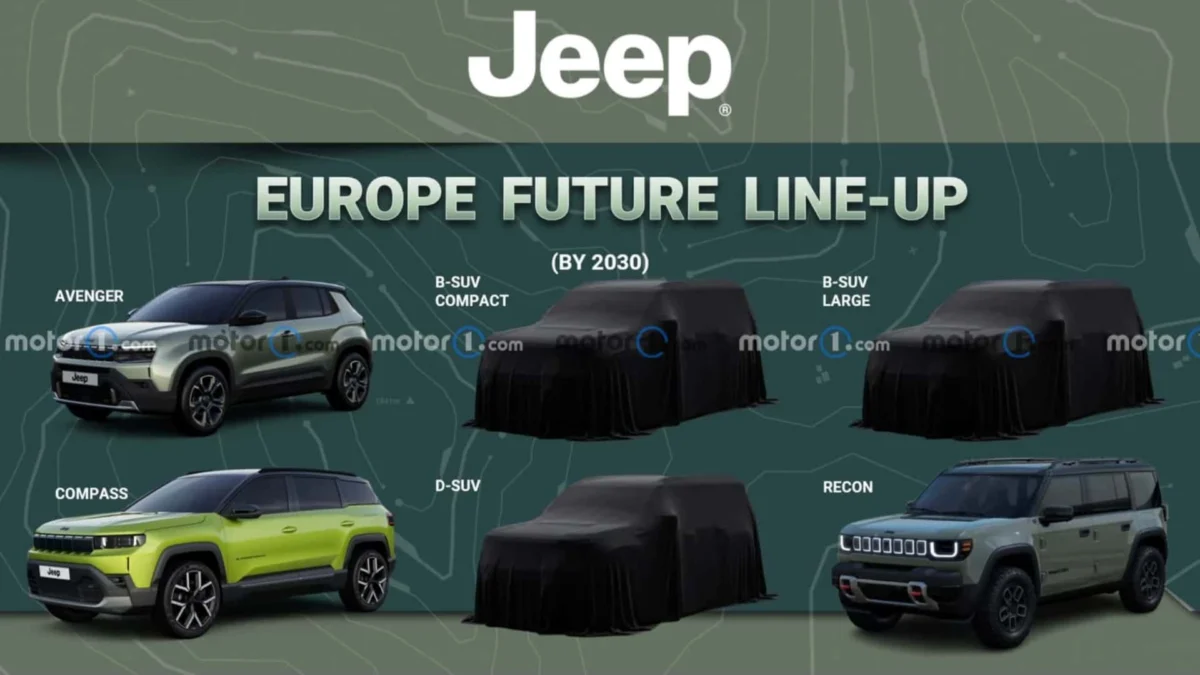
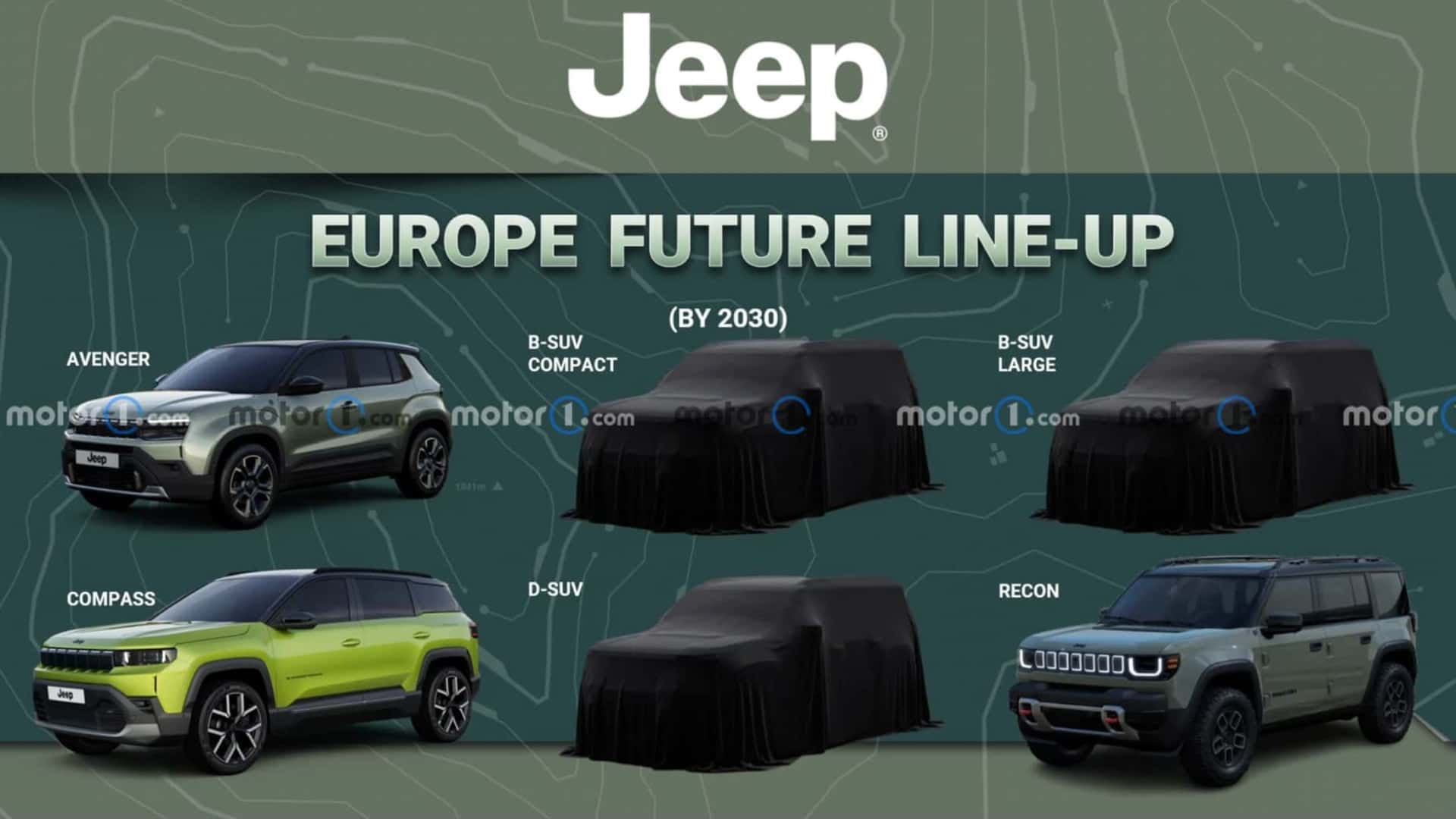
Jeep currently finds itself in a delicate, albeit strategic, transitional phase within Europe. The brand’s presence is anchored by the Avenger, a compact electric SUV that has been widely lauded for its accessibility and urban-friendly footprint, and the Compass, which continues to serve as a versatile pillar for the brand.
Yet, the most significant news regarding the current lineup is the scheduled departure of the iconic Wrangler. By the end of 2026, the legendary off-roader will exit the European market. Jeep leadership has been candid about this decision, citing the increasing difficulty of reconciling the Wrangler’s classic, boxy aerodynamics and mechanical footprint with the stringent safety and emissions standards mandated by the European Union. While the brand has hinted at "potential solutions" to keep the spirit of the Wrangler alive, for the time being, the model is absent from the long-term European roadmap.
To fill the void left by this transition, the highly anticipated Recon is expected to make its European debut in early 2027. Positioned as an electric, purpose-built off-roader, the Recon aims to capture the spirit of adventure that the Wrangler defined for decades, albeit through a modern, zero-emissions lens.
A Triad of New Models: Expanding the B-Segment
The core of Jeep’s European expansion strategy centers on the B-SUV segment. With the Avenger currently measuring approximately 161.4 inches (4.10 meters), Jeep plans to flank it with two additional models that will occupy the "Compact" and "Large" B-SUV designations. These vehicles are expected to measure roughly 165.4 inches (4.2 meters), filling a critical gap in the market where consumers are increasingly looking for slightly more interior volume without sacrificing the maneuverability of a small SUV.
While official nomenclature remains under wraps, industry insiders are speculating on the potential revival of the Renegade nameplate. Discontinued at the end of 2025, the Renegade remains a beloved model with strong brand equity. Bringing the name back on a modernized platform could provide the instant recognition necessary to penetrate a crowded European market.
Technical Foundations: The Power of Flexibility
At the heart of these upcoming models lies the STLA platform architecture, a revolutionary multi-energy foundation developed by Stellantis. This platform is designed to be powertrain-agnostic, capable of supporting internal combustion engines, full hybrid systems, and pure battery-electric configurations.
This technical flexibility is a calculated move. By utilizing a shared architecture, Jeep can optimize production costs and streamline supply chains while still offering consumers a choice in how they power their vehicles. The hybrid systems are expected to rely on the efficient 1.2-liter turbocharged engine, providing a bridge for customers who are not yet ready to transition fully to an all-electric lifestyle.
The Global-Local Hybrid: The Dongfeng Collaboration
Perhaps the most intriguing development is the planned mid-size (D-segment) SUV, which is being developed in collaboration with Chinese automotive giant Dongfeng.
This partnership highlights a broader shift in how global automakers are approaching manufacturing and R&D. While the mid-size SUV will be manufactured in China, Jeep has been adamant that this will be a "true" Jeep product. In an era of badge engineering, the brand is keen to stress that this vehicle will feature in-house design and engineering, ensuring that it upholds the brand’s legendary off-road heritage. The goal is to create a vehicle that meets the high standards of both the Chinese domestic market and the demanding European consumer, offering both electrified and fully electric versions.
Chronology of the Transformation
- Late 2025: Official discontinuation of the classic Jeep Renegade.
- End of 2026: Scheduled exit of the Jeep Wrangler from the European market due to regulatory constraints.
- Early 2027: Expected market entry of the Jeep Recon, marking the brand’s shift toward modern, electric off-roading.
- 2027–2030: Phased rollout of the new "B-SUV Compact" and "B-SUV Large" models, alongside the mid-size SUV developed with Dongfeng.
Implications for the Brand
The implications of this strategy are twofold. First, Jeep is doubling down on the European market’s preference for compact, efficient crossovers. By populating the B-segment with a variety of sizes and styles, Jeep is positioning itself to be a volume player rather than just a niche off-road specialist.
Second, the brand is grappling with the challenge of maintaining its "trail-rated" identity across a portfolio that is increasingly built on shared, electrified platforms. The success of the Recon and the upcoming mid-size SUV will be the litmus test for whether the brand can retain its rugged, adventurous soul while moving toward a electrified, modular future.
Looking Ahead: The Industrial Acceleration Act
As Jeep looks to solidify its European production footprint, the company is also closely monitoring the potential impact of the Industrial Acceleration Act. This proposed European policy seeks to incentivize local automotive production to reduce the continent’s reliance on imported vehicles and components.
Jeep’s leadership has acknowledged that they have a "very clear plan" for where these vehicles will be built, though they remain tight-lipped on specific manufacturing sites. The decision will likely depend on a mix of labor costs, existing factory capacity within the Stellantis network, and the regulatory environment regarding local content requirements.
Conclusion: A Delicate Balance
Jeep is currently navigating the most significant pivot in its history. The shift from a brand defined by internal combustion engines and heavy-duty mechanical off-roaders to one centered on modular, multi-energy platforms is a massive undertaking.
The primary question facing Jeep is not whether it can produce enough vehicles to fill its showrooms, but whether it can maintain a cohesive brand identity. As the portfolio expands to include everything from compact city crossovers to mid-size SUVs manufactured in global partnerships, the brand must ensure that every vehicle—regardless of its platform—still feels like a Jeep. If the brand can successfully translate its heritage of adventure into the electric age, the 2030 roadmap may well represent the most successful era in Jeep’s long and storied history.