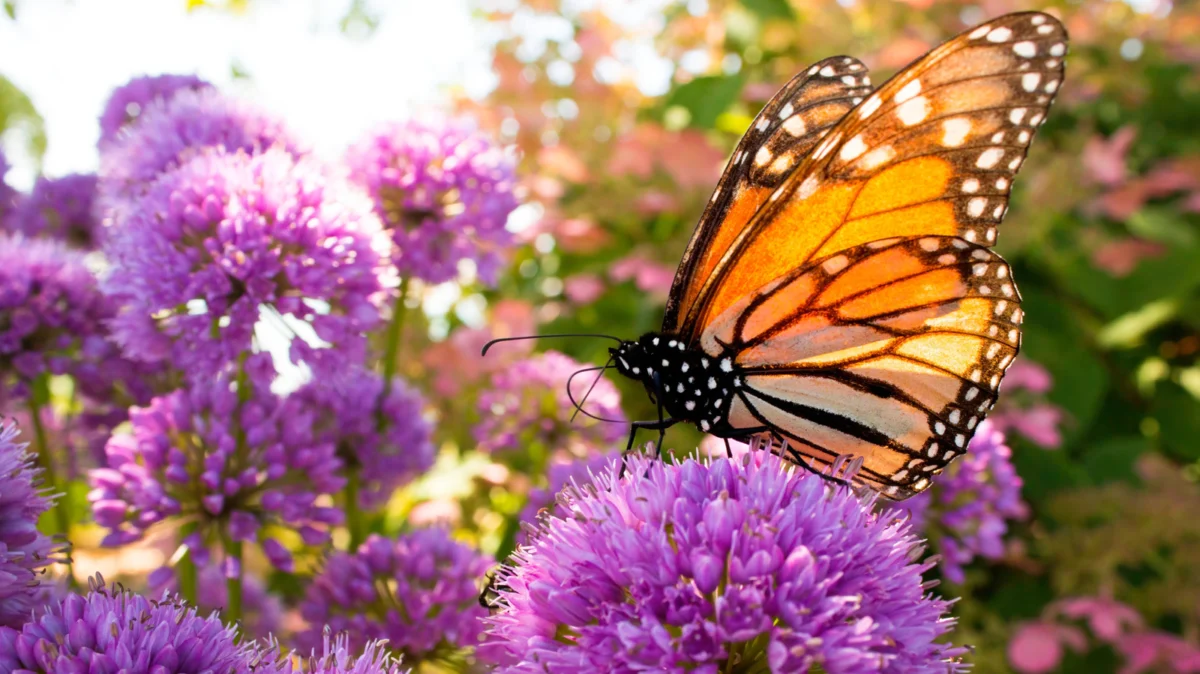
While the aromatic profiles of basil and cilantro are undeniable cornerstones of the culinary world, savvy gardeners are increasingly shifting their focus toward a perennial powerhouse that offers far more than just flavor. Thyme—a low-maintenance, resilient herb—has emerged as a vital component for those looking to transform their outdoor spaces into thriving sanctuaries for pollinators. Beyond its utility in the kitchen, thyme serves as a cornerstone of ecological health, providing essential resources for bees, butterflies, hummingbirds, and even nocturnal pollinators like bats.
As global biodiversity faces unprecedented challenges, the role of the home garden has transitioned from a purely aesthetic or culinary pursuit to a critical link in the environmental chain. By integrating summer-blooming herbs like thyme, gardeners can foster a robust ecosystem that supports the essential work of cross-pollination.
Main Facts: The Ecological Significance of Thyme
At its core, pollination is the biological engine that sustains our food supply and the broader natural environment. When pollinators move from bloom to bloom, they facilitate the fertilization of plants, a process necessary for the production of fruits, seeds, and vegetables. Without this service, the stability of our ecosystem would collapse.
Thyme (Thymus vulgaris and its many relatives) is uniquely suited to support this process. Unlike annual herbs that must be replanted every season, thyme is a hearty perennial. During the warm months of spring and summer, it produces clusters of delicate, nectar-rich flowers that act as magnets for local insect populations. Because thyme is drought-tolerant and hardy, it remains a reliable food source for pollinators even during the peak of the summer heat, a time when many other garden plants may begin to wilt or go dormant.
Furthermore, the structural nature of thyme—which forms dense, carpet-like mats—provides a unique micro-habitat. These low-growing, woody stems offer shelter for beneficial ground-dwelling insects, creating a comprehensive support system that goes well beyond the surface of its flowers.
Chronology of the Season: A Year-Round Perennial Strategy
To understand the value of thyme, one must look at the garden through a seasonal lens. Unlike cilantro, which bolts quickly in the heat, or basil, which succumbs to the first hint of autumn frost, thyme operates on a different, more enduring timeline.
- Early Spring: As the soil begins to warm, established thyme plants begin their vegetative growth phase. This is the period when the plant establishes its root structure and prepares for the flowering cycle.
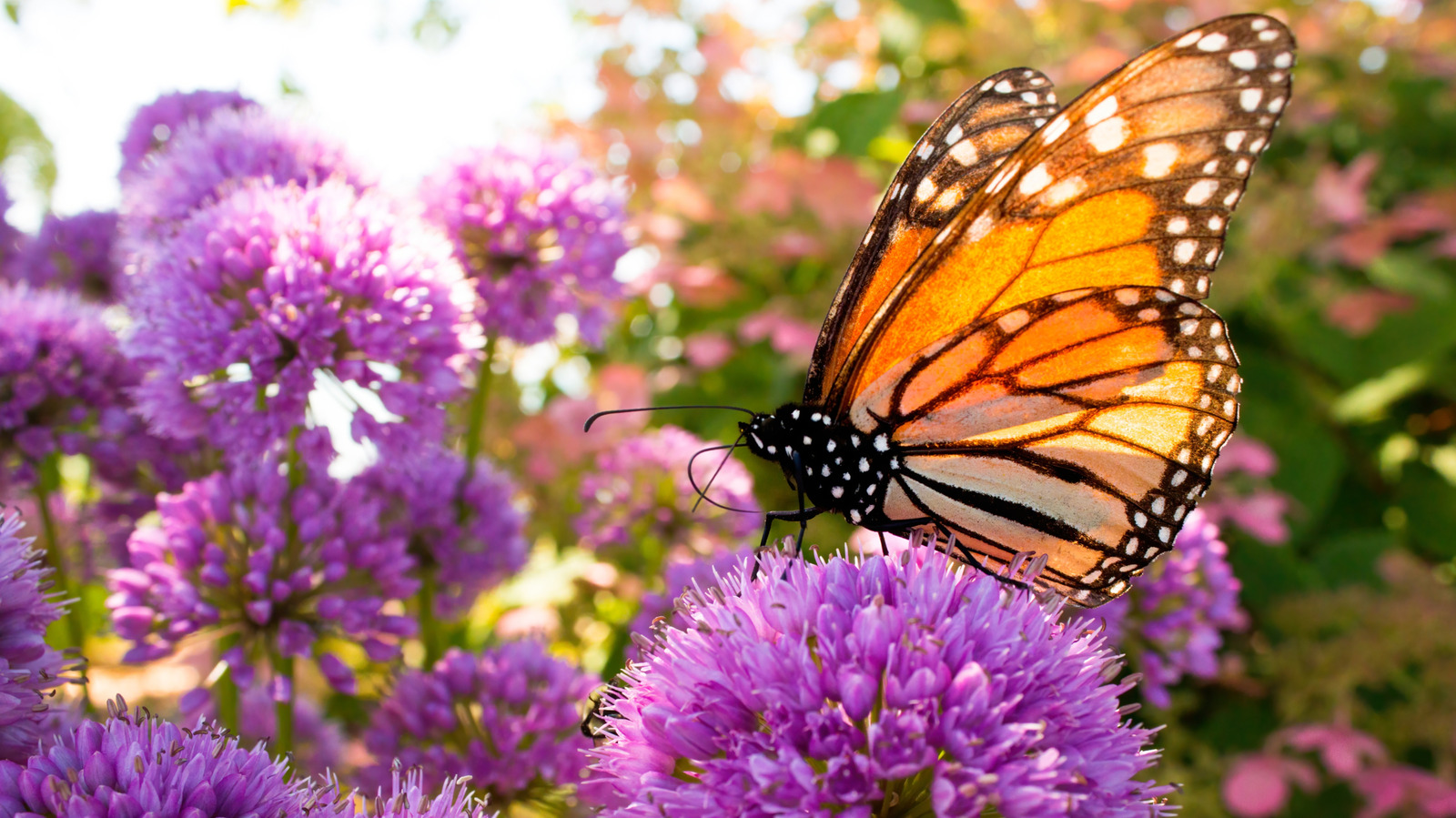
- Late Spring to Early Summer: This is the "peak window" for pollinators. Thyme erupts into a sea of white, pink, and purple blooms. During this time, the nectar production is at its zenith, making the plant a primary destination for foraging bees and butterflies.
- Mid-Summer: Even as temperatures soar, thyme remains resilient. While other garden staples may require constant hydration, established thyme thrives in full sun, continuing to provide a steady supply of resources when other blooms might be scarce.
- Autumn and Winter: As the weather cools, the plant enters a period of dormancy, but it does not disappear. Its evergreen or semi-evergreen foliage provides structural interest and ground cover throughout the colder months, protecting the soil and maintaining a footprint for the following year.
Supporting Data: Why Biodiversity Matters
The necessity of supporting pollinators is supported by extensive data. According to the United Nations Food and Agriculture Organization (FAO), roughly 75% of the world’s food crops depend at least in part on pollination. However, habitat loss and the use of chemical pesticides have caused significant declines in pollinator populations worldwide.
Adding thyme to your garden is a simple, evidence-based intervention. Research from botanical institutions suggests that native and perennial herbs attract a higher density of diverse pollinators compared to mono-cultural ornamental gardens. By choosing thyme, you are not merely adding a plant; you are installing a high-efficiency refueling station for the local ecosystem.
A single square meter of blooming thyme can host dozens of individual bees in a single day. When multiplied across thousands of suburban and urban gardens, the cumulative impact is a massive increase in the foraging range and stability of local pollinator colonies.
The Art of Propagation: Shortcuts for the Home Gardener
While starting thyme from seed can be a test of patience—due to the tiny size of the seeds and their slow germination rate—there are highly effective "shortcuts" for those looking to establish a thriving patch quickly.
Propagation from Cuttings
Propagation is the most efficient method for expanding your thyme collection. Similar to the well-known method of rooting basil in water, thyme responds well to vegetative cloning.
- The Cutting: Select a healthy, non-woody stem from a mature plant.
- Preparation: Remove the leaves from the bottom two inches of the stem.
- The Medium: You can place the stem in a clear jar of water, ensuring that no leaves are submerged to prevent rot. Once a robust root system has developed (usually within a few weeks), transplant the clipping into well-draining soil.
- Direct Soil Method: For those with more experience, you can take a cutting, dip the end in rooting hormone, and place it directly into a small pot of moist, sandy soil. Keep the cutting in a warm, bright area, and within two months, you will have a self-sufficient plant.
Clamshell Sourcing
For urban gardeners who lack access to established plants, the grocery store "clamshell" of fresh herbs can actually be a source of new life. If the stems in your store-bought pack still have a bit of moisture and are not entirely dried out, it is sometimes possible to root these in water, effectively recycling culinary waste into a permanent garden feature.
Practical Implications: Maintaining Your Pollinator Haven
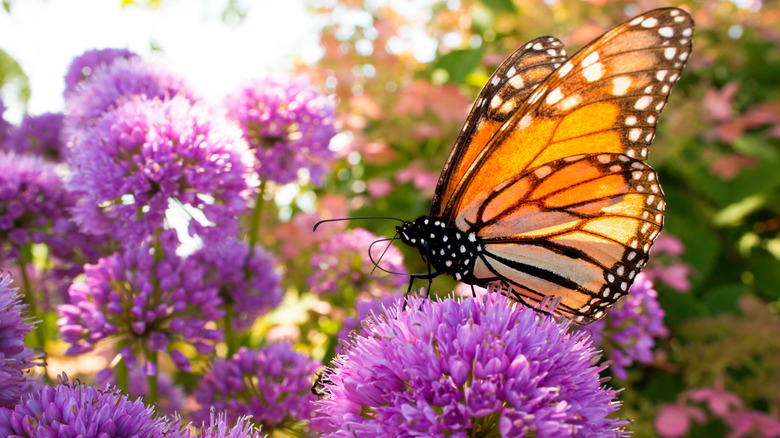
For the gardener, the shift toward a pollinator-first mindset changes how we approach maintenance. If your primary goal is to support bees and butterflies, your relationship with the shears must change.
Pruning vs. Harvesting
If you are growing thyme primarily for the pollinators, you must exercise restraint. The flowers are the primary attraction; therefore, excessive pruning during the blooming season will directly reduce the number of visitors your garden receives. If you intend to harvest thyme for culinary use, it is best to do so before the flowers open. At this stage, the essential oils—which give the herb its pungent, earthy flavor—are most concentrated in the leaves.
Urban Gardening
Thyme is an ideal candidate for container gardening, making it accessible to those living in apartments or homes with limited yard space. Because it loves direct sunlight and requires very little water, a simple terra-cotta pot on a sunny balcony can become a thriving ecosystem. Ensure the pot has excellent drainage, as thyme is prone to root rot if left in standing water.
The Ecosystemic Payoff
The implications of planting thyme go beyond the immediate visual reward. By fostering a garden that works with nature rather than against it, gardeners participate in a form of passive conservation. A garden filled with thyme reduces the need for supplemental fertilizers and pesticides, as the presence of pollinators and the health of the soil create a self-regulating environment.
Conclusion
Forget the high-maintenance annuals that demand constant attention and offer only short-lived rewards. By planting thyme, you are investing in a perennial ally that supports the complex web of life upon which our world depends. Whether you are a master gardener or a balcony-bound novice, the act of cultivating this fragrant, blooming herb is a profound commitment to the health of your local environment.
As you look toward the upcoming planting season, consider the impact of your choices. Basil and cilantro will always have their place in the kitchen, but for the sake of the bees, the butterflies, and the air we breathe, it is time to make room for the humble, heroic thyme. Through simple propagation, a little bit of patience, and a respect for the natural lifecycle of the plant, you can ensure that your garden is not just a place to grow food, but a sanctuary for the future of our ecosystem.