In the vast landscape of Role-Playing Games (RPGs), the "side quest" often carries a dubious reputation. For every narrative-rich detour that offers a glimpse into a character’s soul or a world-changing revelation, there exists a sea of mundane errands: the dreaded "kill ten rats" mission or the tedious collection of medicinal herbs on a treacherous peak. However, when executed with precision, these optional excursions transform an epic, world-saving narrative into something intimate, lived-in, and profoundly meaningful.
The following eight titles distinguish themselves by elevating the side quest from "filler" to essential storytelling. By integrating unique gameplay mechanics, deep world-building, and high-stakes character development, these games prove that sometimes, the most important part of the journey is the path you take when you aren’t trying to save the world.
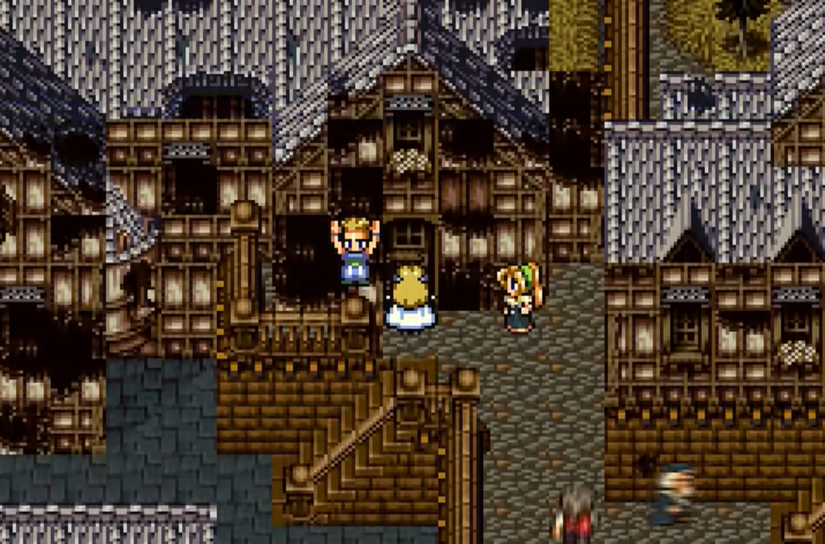
1. Final Fantasy VI: The Beauty of the Broken World
The second act of Final Fantasy VI represents one of the most daring narrative pivots in gaming history. After an apocalyptic event fractures the world, the player’s party is scattered, leaving the protagonist, Celes, to navigate a ruined landscape. While the game technically allows players to attempt the final dungeon with a bare-bones team of three, the true heart of FF6 lies in the effort to reunite the game’s 14-member cast.
These optional quests serve as poignant character studies. We witness how each hero has coped with the collapse of civilization. Some have found peace, others have spiraled into despair, and some—like the man who joins a mindless cult—have simply surrendered to the absurdity of their new reality. By seeking them out, players don’t just gain powerful allies; they gain a deeper understanding of the game’s central theme: the resilience of the human spirit in the face of absolute loss.

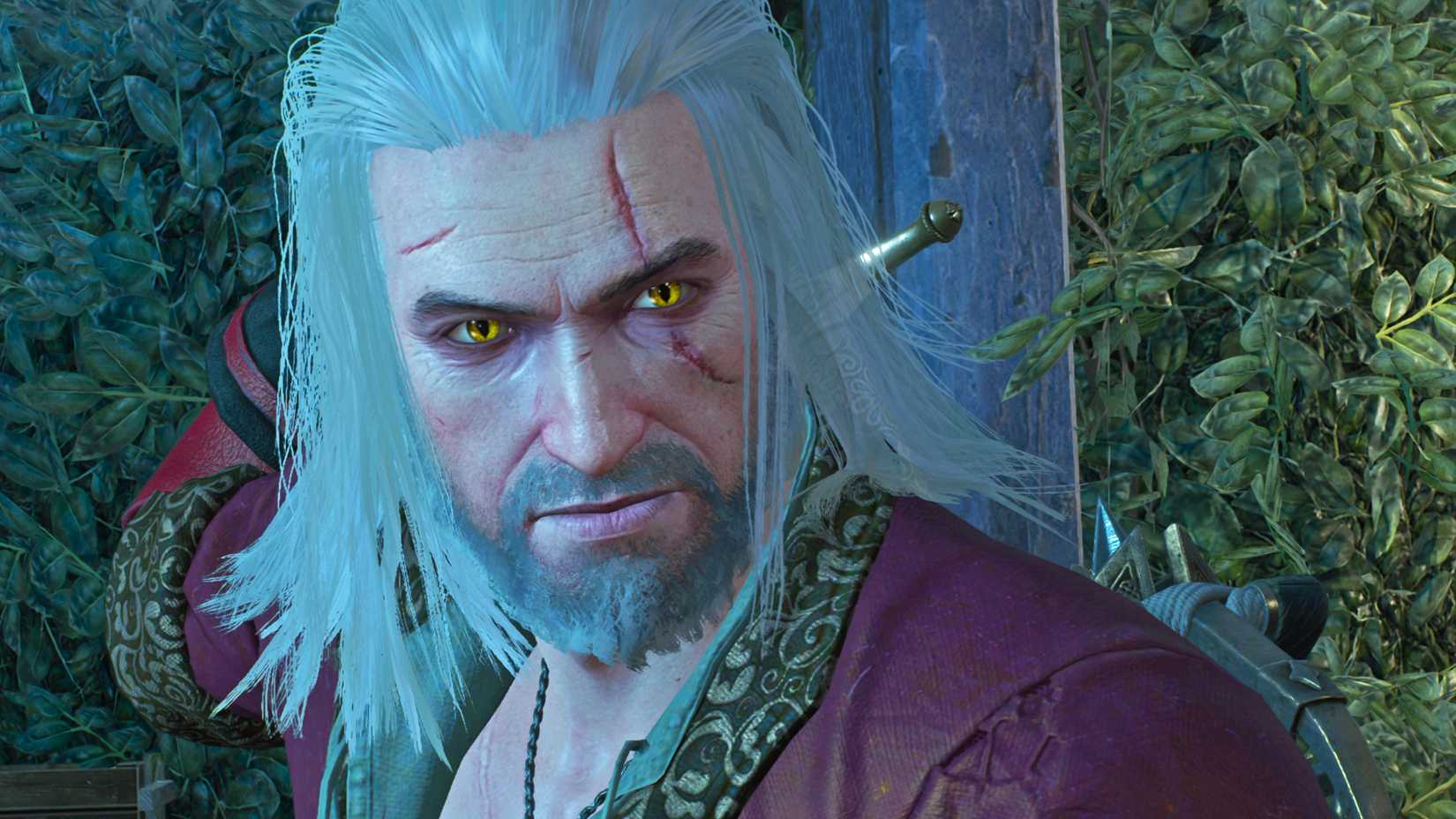
2. The Witcher 3: Wild Hunt: Narrative Gold in the Mundane
CD Projekt Red’s The Witcher 3 remains a gold standard for open-world design, primarily because it treats every quest—no matter how small—as a narrative opportunity. The game’s brilliance is best exemplified by the humble "Missing Frying Pan" quest. What begins as a trivial favor for an elderly woman quickly unravels into a tale of political espionage, revealing how even a common kitchen tool can play a role in a clandestine war.
This commitment to environmental storytelling ensures that Geralt’s world feels lived-in and reactive. Beyond the main campaign, the game offers extensive quest lines for its Gwent card game, monster hunting, and political intrigue. With the upcoming 2027 expansion, Songs of the Past, fans are reminded that The Witcher 3’s longevity is rooted in its refusal to treat the player’s time as anything less than precious.
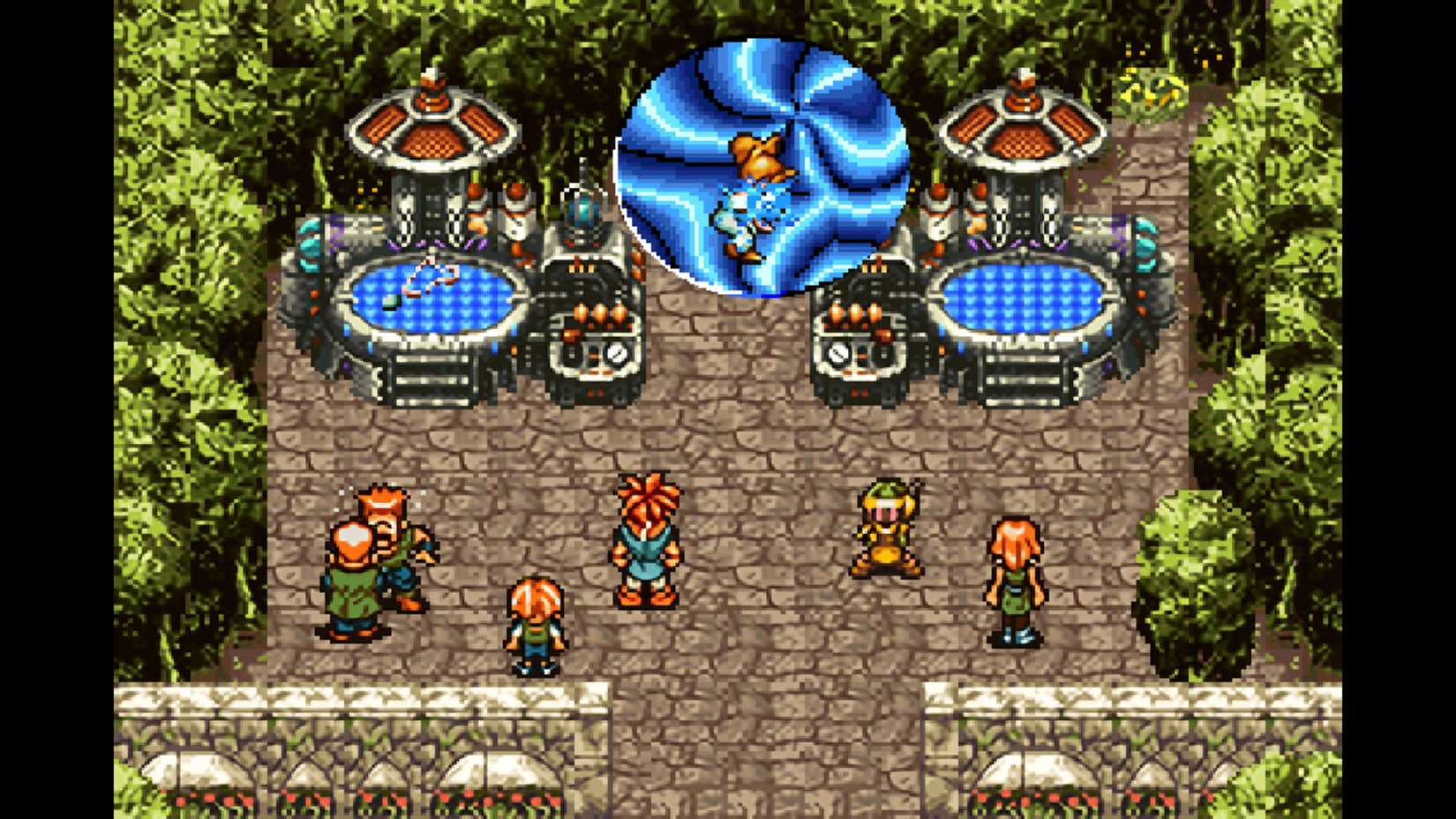
3. Chrono Trigger: The Art of Time-Traveling Consequences
Released in 1995, Chrono Trigger set the bar for non-linear storytelling. Its 13 distinct endings are dictated not just by when the player challenges the final boss, but by the choices made throughout the game’s various eras.
The game encourages players to engage with optional, long-term tasks that ripple across history. For instance, tasking the mechanical party member Robo with reforesting a desert requires him to spend 400 years toiling away—a request that forces the player to grapple with the passage of time and the legacy of their companions. These moments elevate the characters from mere stat-blocks to genuine friends, transforming the quest to save time itself into a personal mission.
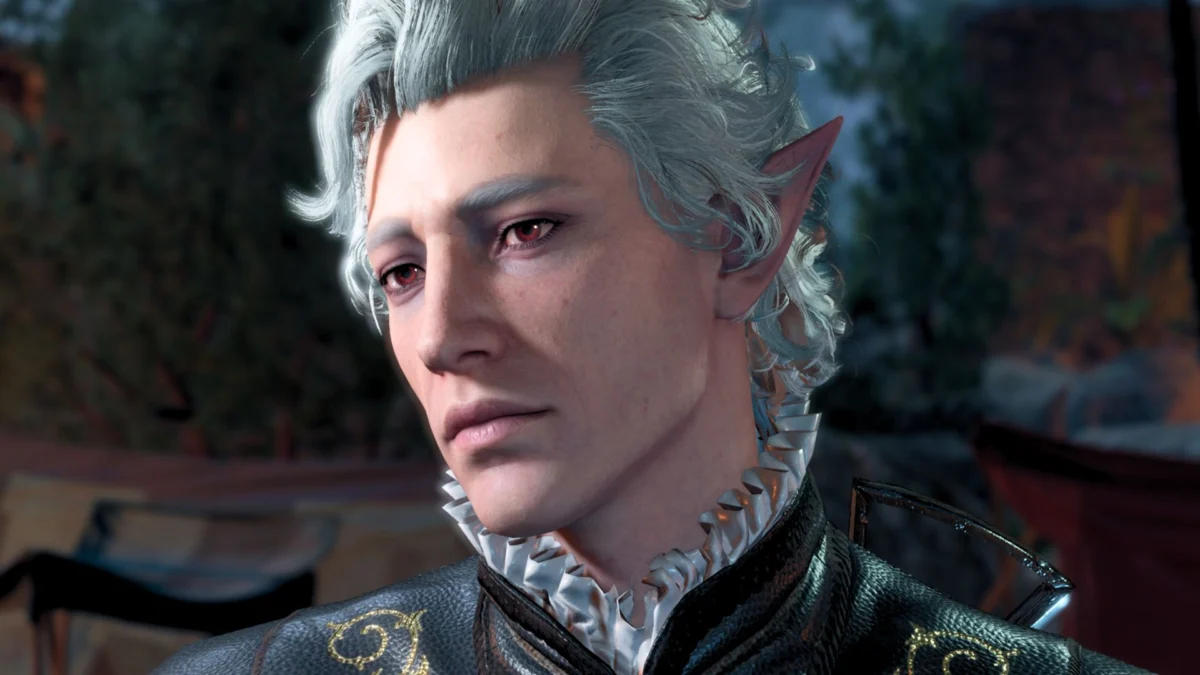
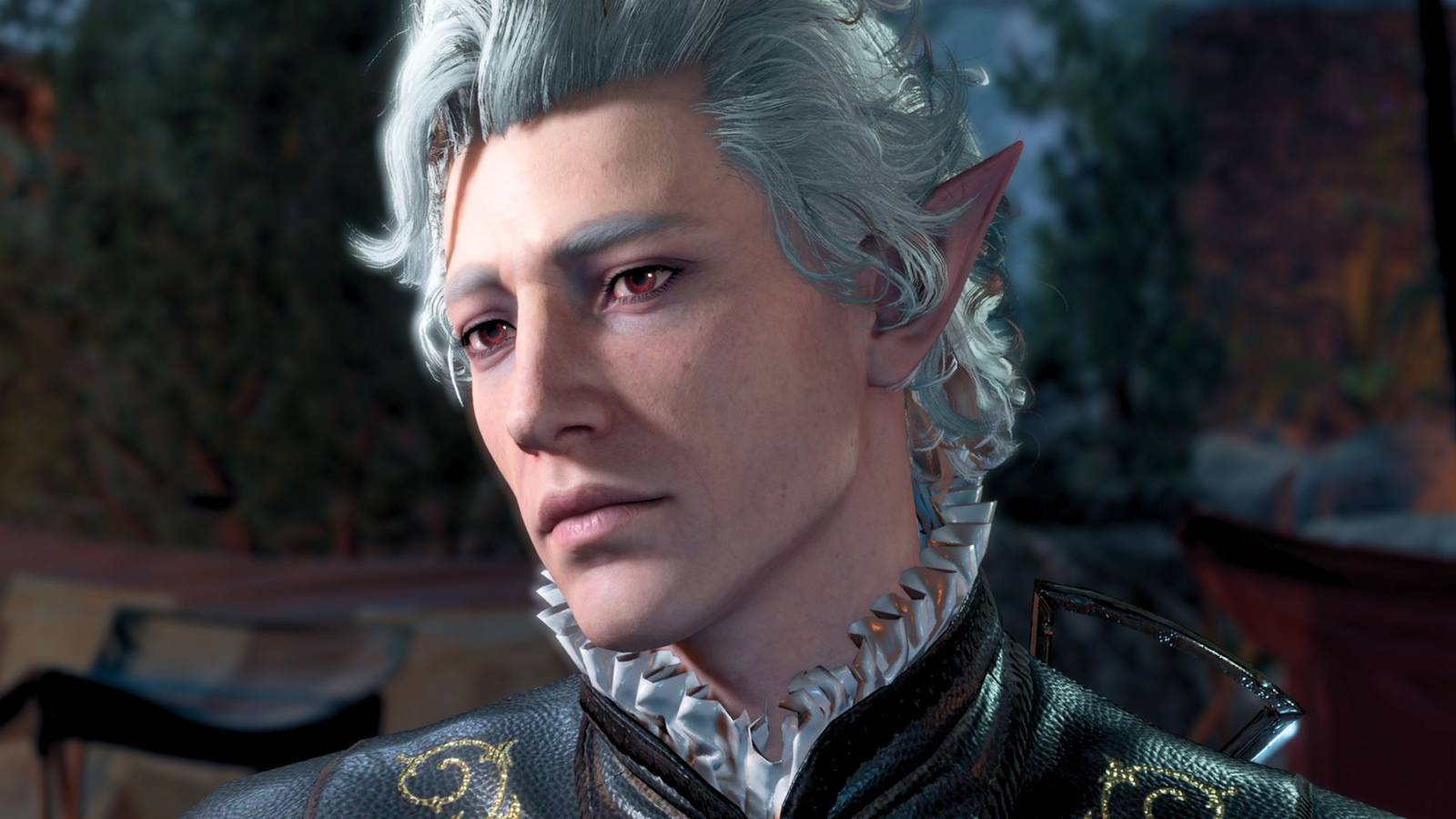
4. Baldur’s Gate 3: The Complexity of Choice
Larian Studios’ Baldur’s Gate 3 is a masterclass in reactivity. With ten recruitable companions and a plot that branches based on the smallest interactions, the game is designed for multiple playthroughs.
The side quests here are often as compelling as the main narrative, ranging from absurd encounters with demented clowns to high-stakes bargains with devils. Many of these events are entirely missable, triggered by early-game choices that the player might not realize are consequential until hours later. By treating player curiosity as a reward in itself, Baldur’s Gate 3 demands that the player savor every moment rather than rushing toward the endgame.
5. Yakuza 0: When Minigames Become Masterpieces
The Yakuza series, specifically Yakuza 0, defies conventional wisdom by turning "filler" content into the main attraction. While the game is packed with traditional minigames like karaoke and mahjong, it truly shines when it pivots to its two core management simulations: the Cabaret Club Czar and Real Estate Royale.
These aren’t just distractions; they are fully realized gameplay systems that offer deep rewards. Helping Majima manage his club or assisting Kiryu in building a retail empire doesn’t just shower the player with cash and combat upgrades—it provides a comedic and emotional counterweight to the intense, melodramatic main story. When the developers commit to a bit, they go all-in, and the result is a world that feels delightfully human.

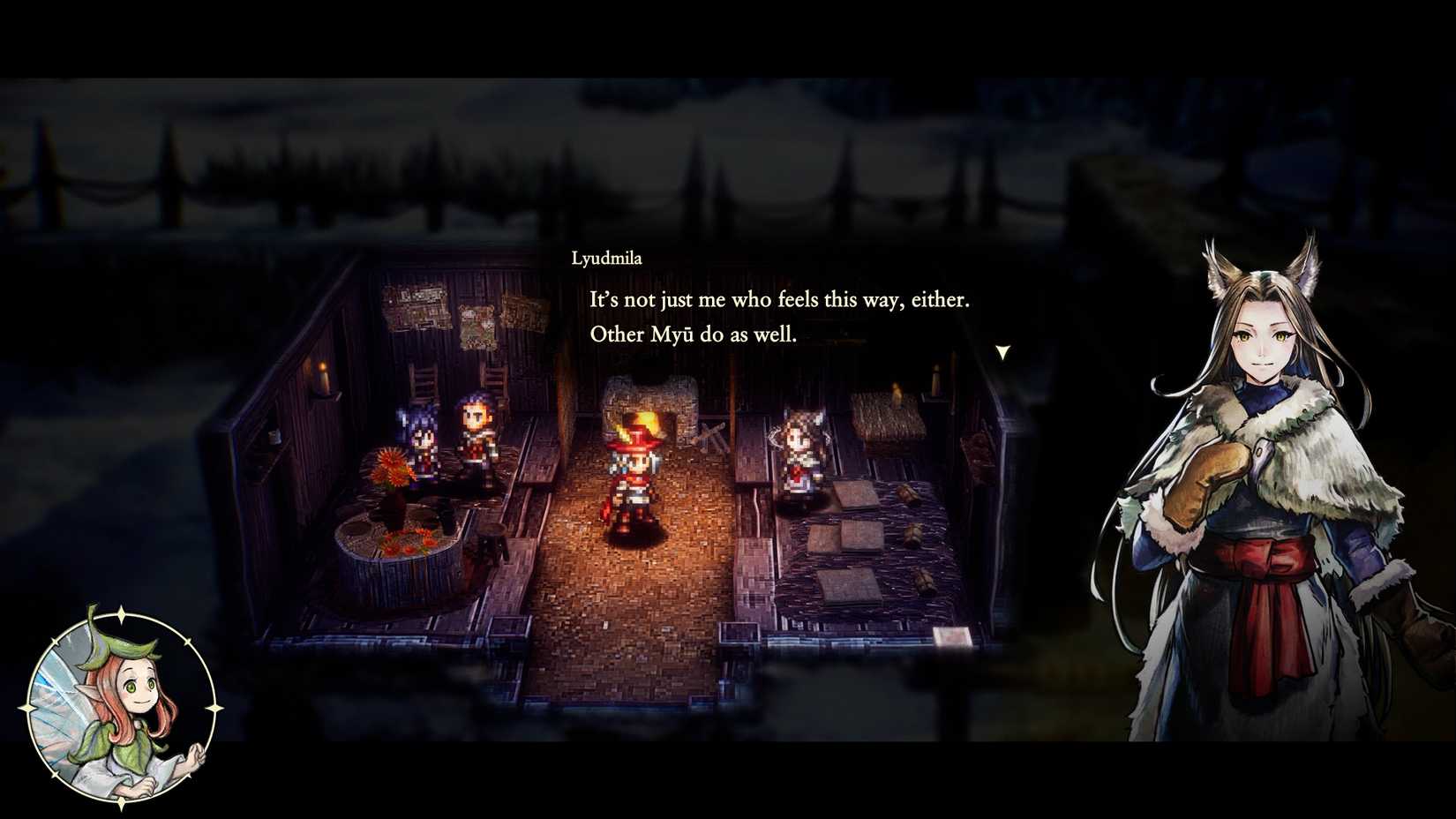
6. The Adventures of Elliot: A Lean, Mean RPG
Team Asano’s The Adventures of Elliot is a breath of fresh air in an era of bloated open-world titles. With a 25-hour runtime and a tight, focused world map, the game demonstrates that brevity can be a virtue.
The game features 33 optional quests that serve a dual purpose: they provide necessary resources and, more importantly, unlock the "true ending." While some quests are standard fetch tasks, many are woven into the world’s lore, allowing players to piece together the protagonist’s mysterious past. It is an example of how a smaller, more intimate scope can actually encourage players to engage more deeply with every corner of the map.

7. Elden Ring: The Power of Discovery
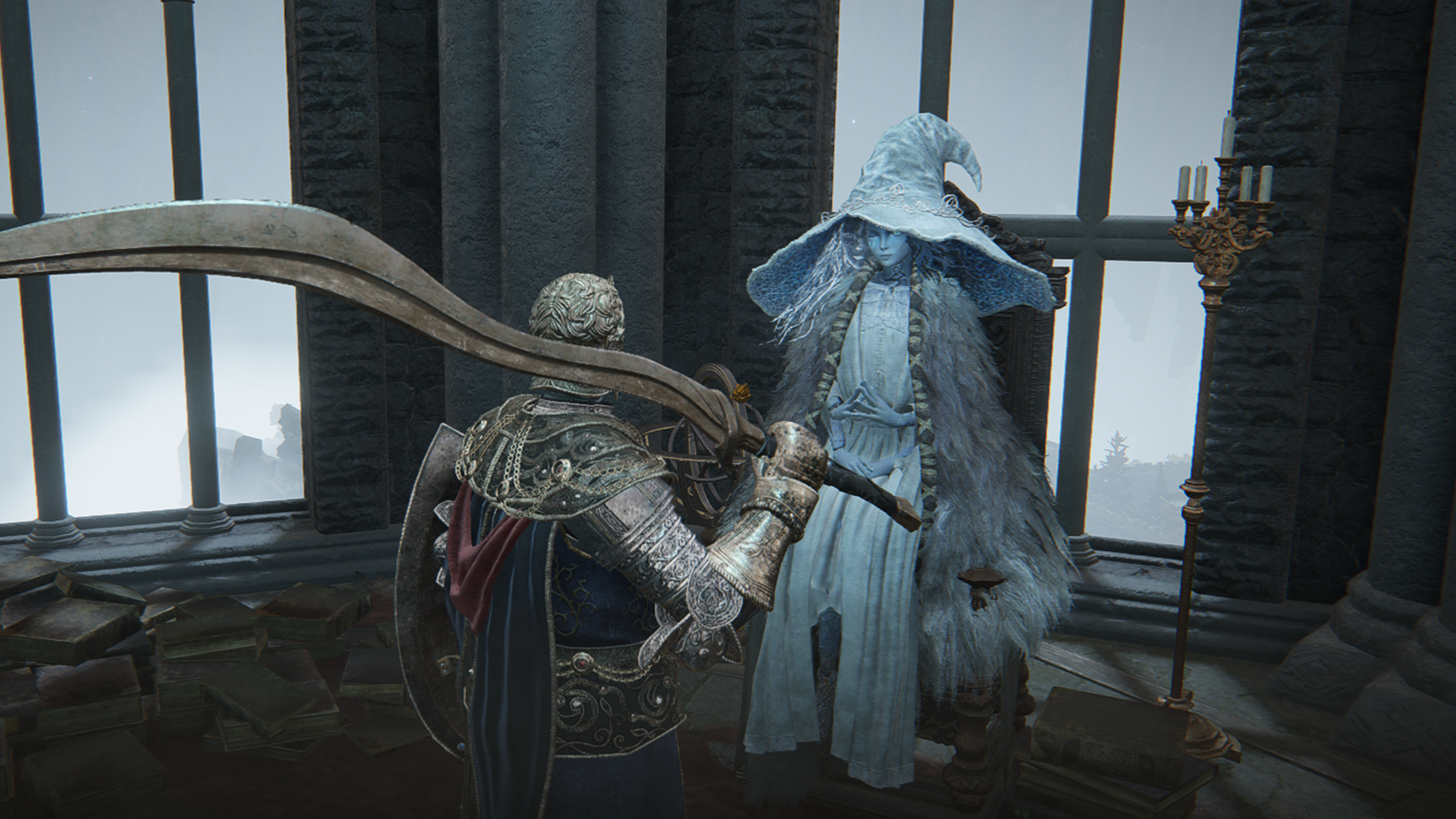
FromSoftware’s Elden Ring approaches storytelling through a "show, don’t tell" philosophy. There are no quest logs or flashing waypoints to hold the player’s hand. Instead, the narrative is hidden within item descriptions, environmental design, and the cryptic interactions with the denizens of the Lands Between.
The game rewards the observant. Helping characters like Ranni the Witch or the wandering warrior-jar Alexander is entirely optional, yet these questlines contain some of the most profound lore and impactful moments in the game. By refusing to spoon-feed information, Elden Ring creates a sense of true discovery, where finding a hidden questline feels like uncovering a genuine secret.
8. Persona 5: Social Dynamics as Strategy
Persona 5 splits its gameplay into two distinct halves: the high-octane dungeon crawling and the daily life of a Tokyo student. The "Confidant" system—where the player builds relationships with characters around town—is the game’s secret weapon.
These social interactions are not just flavor text; they are essential for survival. Spending time with a doctor, a politician, or a classmate provides tangible combat perks, but it also offers a window into the societal issues plaguing the game’s version of Japan. In Persona 5 Royal, these relationships are even more critical, as one specific confidant is required to access the game’s expanded, climactic final act.
Implications for the Future of the Genre
The common thread among these eight titles is the belief that a player’s curiosity should be rewarded. As the industry moves toward larger, more expansive worlds, the temptation to fill space with mindless busywork is greater than ever. However, the success of these games serves as a reminder that the "essential" side quest is one that honors the player’s agency.
When a game provides a reason for a detour—whether it’s a deeper understanding of a companion, a mechanical reward that changes how the game is played, or a glimpse into the world’s hidden history—it creates a sense of investment. These quests are not just things to do; they are the reasons we keep playing long after the final boss has been defeated. In the end, the true measure of an RPG is not how much map there is to cover, but how much that map feels like home.