Ukraine has intensified its strategic campaign of long-range drone strikes, targeting the industrial heart of Russia’s energy sector. The weekend saw a series of coordinated attacks that set ablaze major oil refineries, caused civilian casualties, and prompted Russian President Vladimir Putin to publicly acknowledge that the nation is navigating a "difficult period."
As the war enters its fifth year, the nature of the conflict is shifting. Ukraine is no longer merely defending its borders; it is actively seeking to degrade the economic engine that sustains the Kremlin’s military apparatus. By systematically targeting the infrastructure responsible for processing and exporting crude oil, Kyiv aims to force Moscow into a strategic dilemma: prioritize fuel for the front lines or sustain the domestic economy.
A Chronicle of Coordinated Strikes
The latest wave of hostilities began on Saturday night and continued into Sunday, marking one of the most widespread aerial engagements in recent memory.
The Southern Front: The Slavyansk-na-Kubani Refinery
The primary target was a major oil refinery in Slavyansk-na-Kubani, located in the Krasnodar region, east of the occupied Crimean peninsula. According to local officials, falling debris from intercepted Ukrainian drones ignited a massive fire at the facility. The strike was significant not only for the damage caused but for the proximity of the facility to critical Black Sea export routes. The site, which processes nearly 4 million tons of crude annually, is essential for the production of naphtha, fuel oil, and marine fuel. Local authorities confirmed at least one death resulting from the falling debris, with another civilian injured in a neighboring village.
The Northern Reach: Yaroslavl
While the Krasnodar strike was confirmed by Russian authorities, reports from Kyiv suggest a second, more audacious strike in the Yaroslavl region—some 700 kilometers from the Ukrainian border. While Russian authorities remained tight-lipped regarding specific damage to the refinery, the regional governor, Mikhail Evraev, confirmed that "enemy drone attacks" necessitated the closure of major transit routes between Moscow and Yaroslavl. The disruption triggered a ripple effect across the region’s logistics, forcing a temporary shutdown of the Yaroslavl airport.
The Air War: A Numbers Game
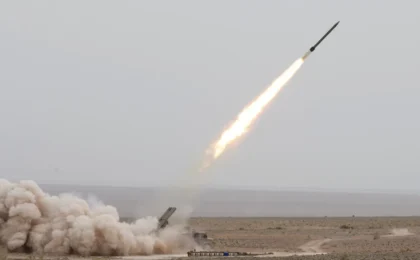
The intensity of the weekend’s events is underscored by the sheer scale of the aerial exchanges. The Russian Ministry of Defence claimed to have intercepted 213 Ukrainian drones throughout the night, spanning the skies over Russia, occupied Crimea, and the Black and Azov seas. Simultaneously, Ukraine’s Air Force reported that Russia launched 142 long-range strike drones and eight missiles at Ukrainian cities. Kyiv successfully intercepted 125 of those drones and seven of the eight missiles. However, the cost of the exchange remained high; a Russian aerial bomb struck the city of Zaporizhzhia, resulting in two fatalities and leaving 16 injured, including two children.
The Strategy Behind the "Long-Range Sanctions"
President Volodymyr Zelensky has openly labeled these strikes as "long-range sanctions." The term reflects a shift in Ukrainian doctrine: if Western sanctions have failed to fully cripple Russia’s ability to export oil and gas, then direct kinetic action against processing facilities is the next logical step.
Choking the Supply Chain
The objective is threefold:
- Revenue Depletion: By attacking refineries, Ukraine forces Russia to spend billions on repairs and lose export revenue that would otherwise fund the war effort.
- Domestic Shortages: The strikes are creating artificial fuel scarcity within Russia. This has forced the Kremlin to contemplate restricting fuel exports to ensure that domestic demand—and, more importantly, military demand—is met.
- Logistical Strain: By hitting facilities deep within Russian territory, Ukraine is forcing Moscow to divert its limited air defense assets away from the front lines to protect industrial sites in the interior.
The impact is already being felt in far-flung regions of Russia. In Siberia, thousands of kilometers from the front lines, fuel sales have been restricted. In the Irkutsk region, Governor Igor Kobzev announced that motorists are now limited to 50 liters of fuel per day at state-run Rosneft stations. Private networks in the Tomsk region have reported similar supply chain fractures.
Official Responses and Political Implications
The Kremlin’s Stance
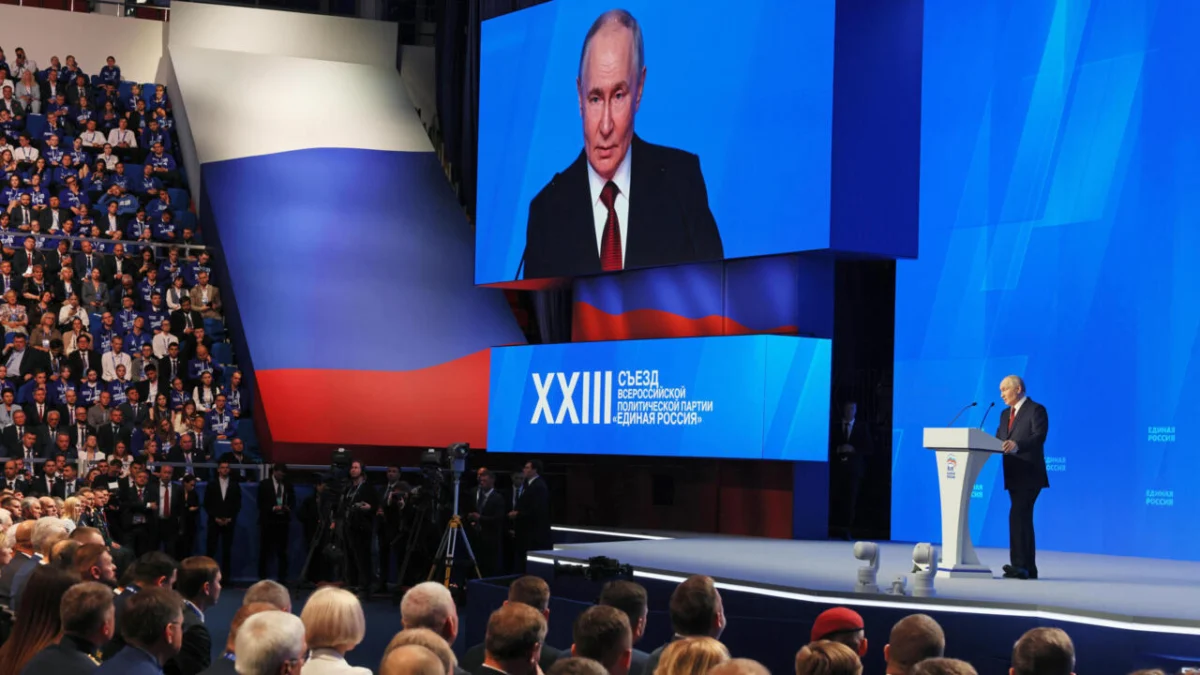
Vladimir Putin’s address at a conference of the United Russia party was notable for what he did not say as much as what he did. While he acknowledged that Russia is going through a "difficult period," he avoided mentioning the specific fuel shortages or the success of the drone strikes.
"Naturally, we are adjusting certain plans in light of the current situation, but all strategically important development programs will undoubtedly be implemented in full," Putin told the party members. His rhetoric focused on the resilience of the Russian citizen and a commitment to domestic social obligations, such as building housing and infrastructure. However, the tone of his remarks suggests that the Kremlin is increasingly focused on managing domestic optics as the economic realities of the war begin to touch ordinary citizens.
The Economic Pivot
Behind the scenes, the Russian government is moving into damage-control mode. Deputy Prime Minister Alexander Novak has been tasked with reviewing fuel export agreements to prevent domestic shortages from spiraling into a broader economic crisis. This pivot is a direct admission that the "energy superpower" status of Russia is being tested by its inability to protect its own industrial backbone.
Strategic Implications: A War of Attrition
Western analysts suggest that Ukraine’s current campaign is exerting significant pressure on the Kremlin. By tightening the fuel supply, Kyiv is effectively raising the cost of the war for the Russian populace, hoping to foster a climate where the economic burden of the conflict forces Moscow to reconsider its position at the negotiating table.
The Crimean Factor
The campaign has been particularly effective in the illegally annexed Crimean Peninsula. Recent strikes on fuel supply routes have triggered the worst energy crisis in the region since 2014. By limiting gasoline sales to civilians, the Kremlin has inadvertently highlighted the vulnerability of its occupation, proving that the logistical chains supporting its military presence are not as impregnable as once thought.
The Human Cost
Despite the strategic successes claimed by Kyiv, the human toll remains the most tragic component of this escalation. The deaths in Slavyansk-na-Kubani and the tragedy in Zaporizhzhia highlight that as the war moves deeper into the industrial rear of both nations, the line between military infrastructure and civilian life is blurring.
Conclusion: Looking Ahead
As the fifth year of the invasion progresses, the conflict has evolved into a sophisticated game of economic and logistical chess. Ukraine’s ability to strike deep into Russia with locally produced or repurposed drones has changed the calculus for the Kremlin. No longer can Moscow wage war in Ukraine while its own heartland remains a sanctuary.
The coming months will likely see a hardening of positions. Russia will almost certainly intensify its efforts to fortify its energy infrastructure, likely at the expense of its offensive capabilities on the front line. Meanwhile, Ukraine will continue to leverage its drone program as a force multiplier, hoping to transform the "difficult period" described by Putin into a systemic crisis that challenges the sustainability of the Russian war machine. The success of this strategy, however, remains tied to the endurance of the Ukrainian military and the ongoing resilience of its population under the shadow of relentless aerial bombardments.